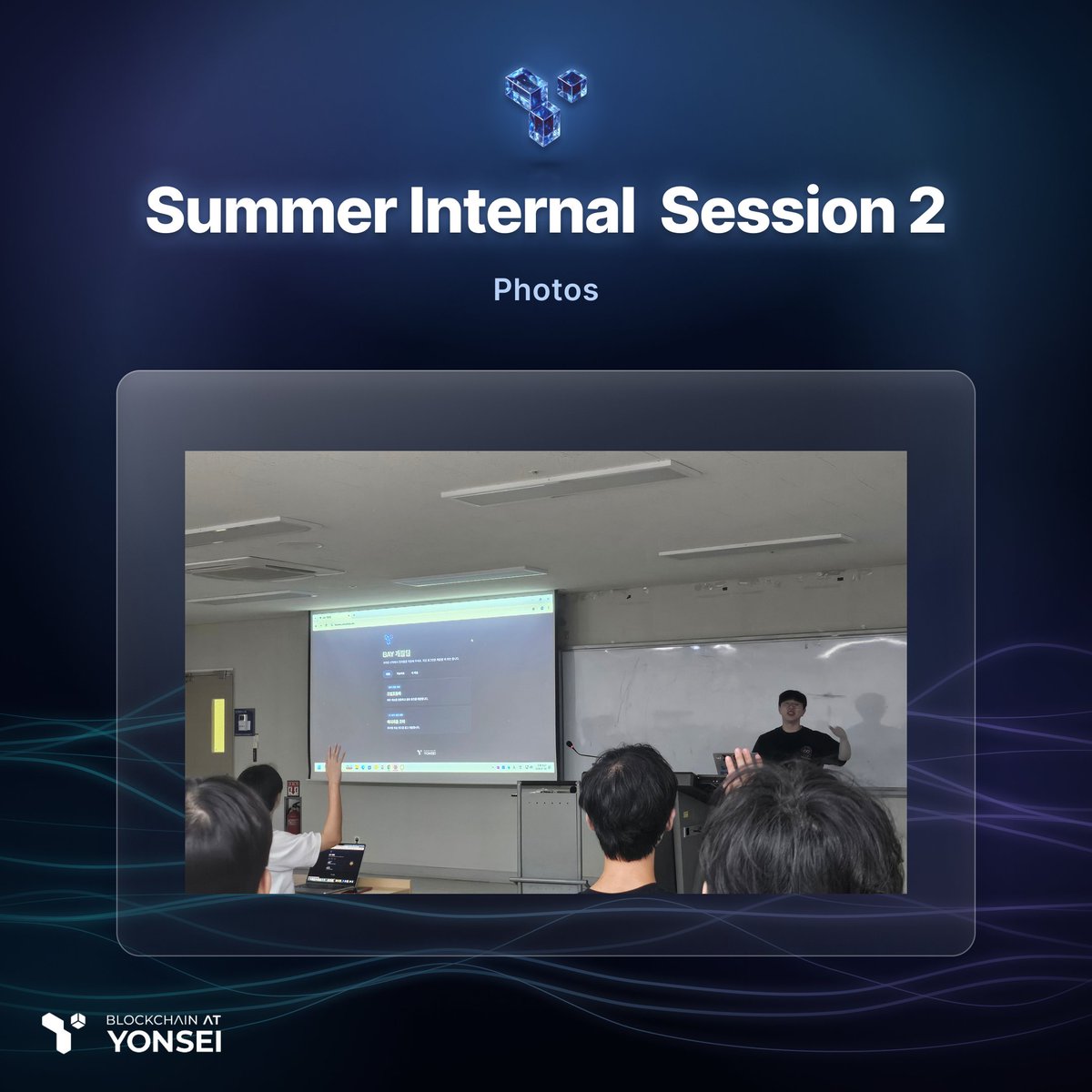
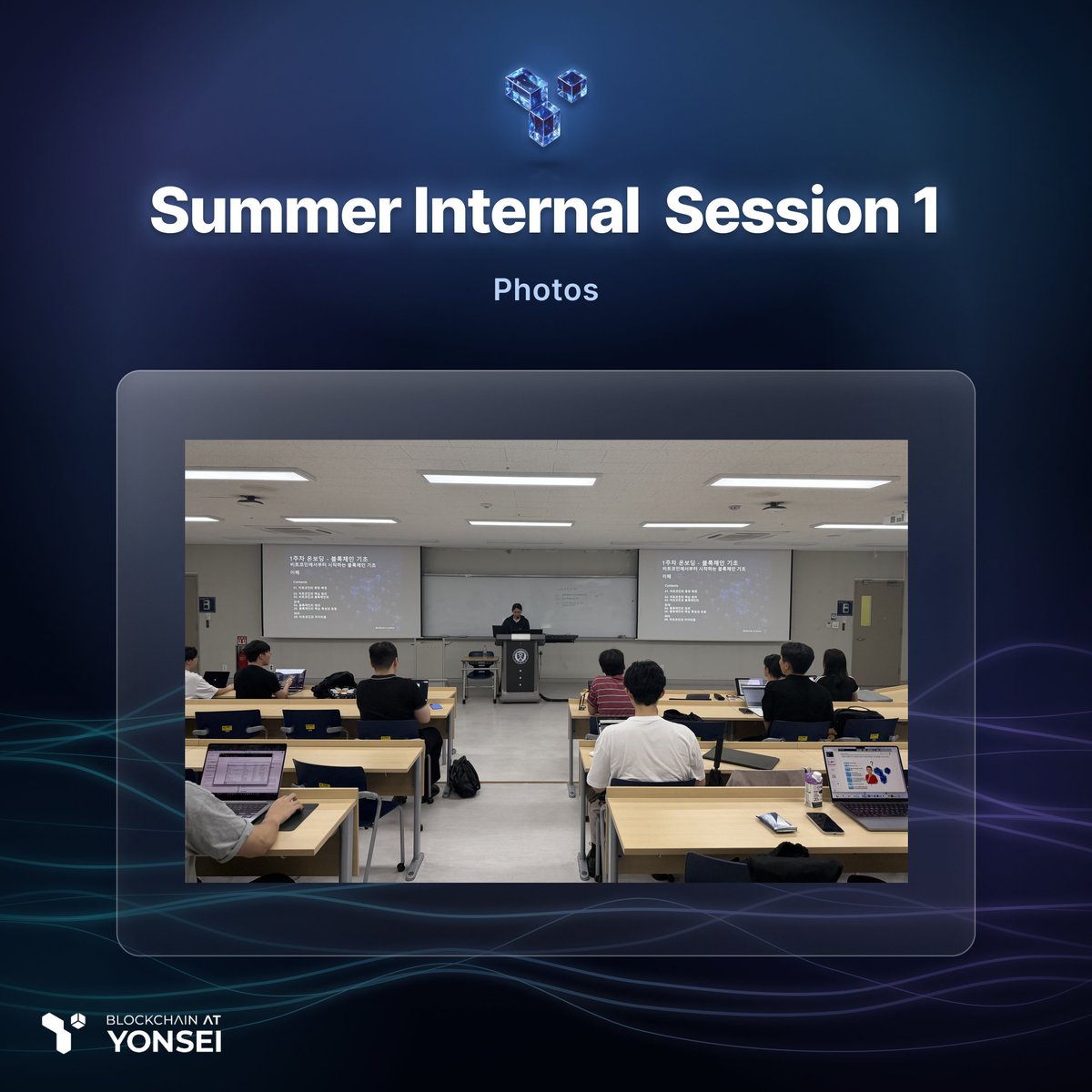
BAY 보안 세션에서 팀원들과 Notional V1 사고를 분석했습니다.
지원이 끝난 컨트랙트에도 자금 손실 경로는 남아 있다는 게 결론이었습니다.
신규 예치는 막고 출금은 남기는 방법을 로컬 데모로 검증했습니다.
For BAY's security session, our team studied the Notional V1 incident: what's still exposed after a protocol ends support.
Unsafe uint128 casting, 180 ABI functions sorted by risk, and a demo that blocks new deposits while keeping withdrawals intact.
https://t.co/YXrHy6PmRC
[Research] Smart Contract Security After End of Support
For BAY’s security session, Team 5 studied the Notional V1 incident, examining unsafe integer conversion and the assets, functions, and permissions left behind after support ended.
An end-of-support announcement does not eliminate paths to fund loss. In a local demo, we tested blocking new deposits and locks while preserving existing records and withdrawals.
Read the full article below:
재활용 니켈은 한 번만 주장할 수 있게, 물량과 거래처는 그대로 숨기게. 배터리 원자재 공급망용으로 만든 게 Veilance입니다.
로트는 해시로만 남기고, 쓰면 nullifier로 소진합니다. 소비자·조달·규제기관은 각자 필요한 조건만 영지식으로 확인합니다. 수수료는 스폰서가 DUST로 대신 내서, 참여 기업이 지갑을 안 들고 와도 됩니다. Preprod에서 실제 트랜잭션 20건으로 돌렸습니다.
데모 demo https://t.co/IluZEhaVIa
깃허브 github https://t.co/WA1ESdedI9
Midnight Korea Hackathon 3위. 감사합니다.
Recycled nickel can only be claimed once. Volumes and counterparties stay hidden. That’s Veilance, built for battery raw-material supply chains.
Lots are recorded as hashes, and a nullifier burns each one on use. Consumers, procurement, and regulators each check only the conditions they need, in zero knowledge. A sponsor server pays the DUST fees, so companies don’t need their own wallets. We ran it with 20 real transactions on Preprod.
Demo: https://t.co/IluZEhaVIa
Code: https://t.co/WA1ESdedI9
3rd place, Midnight Korea Hackathon. Thank you.
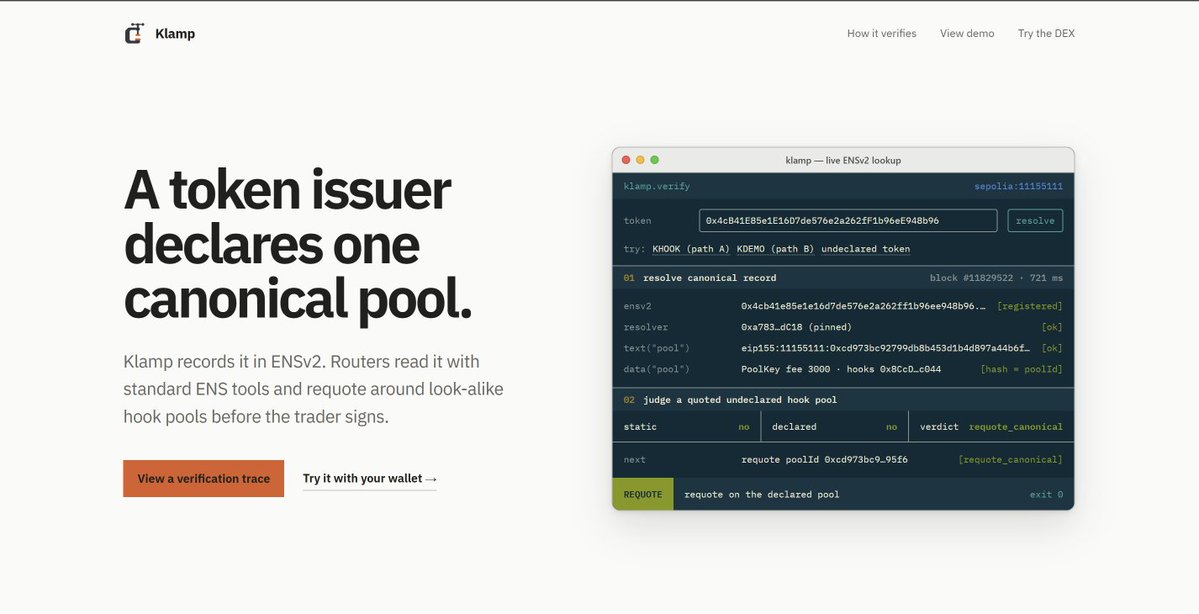
ETHGlobal Tokyo 2026에서 klamp라는 Uniswap + ENSv2 트랙 조합의 프로젝트를 만들었습니다.
“이 수수료, 발행자가 지정한 풀에서 나온 걸까?”
ENSv2에 canonical Uniswap v4 풀을 기록하고, 서명 전에 확인합니다.
Sepolia 데모: https://t.co/V3SUj2o3pE
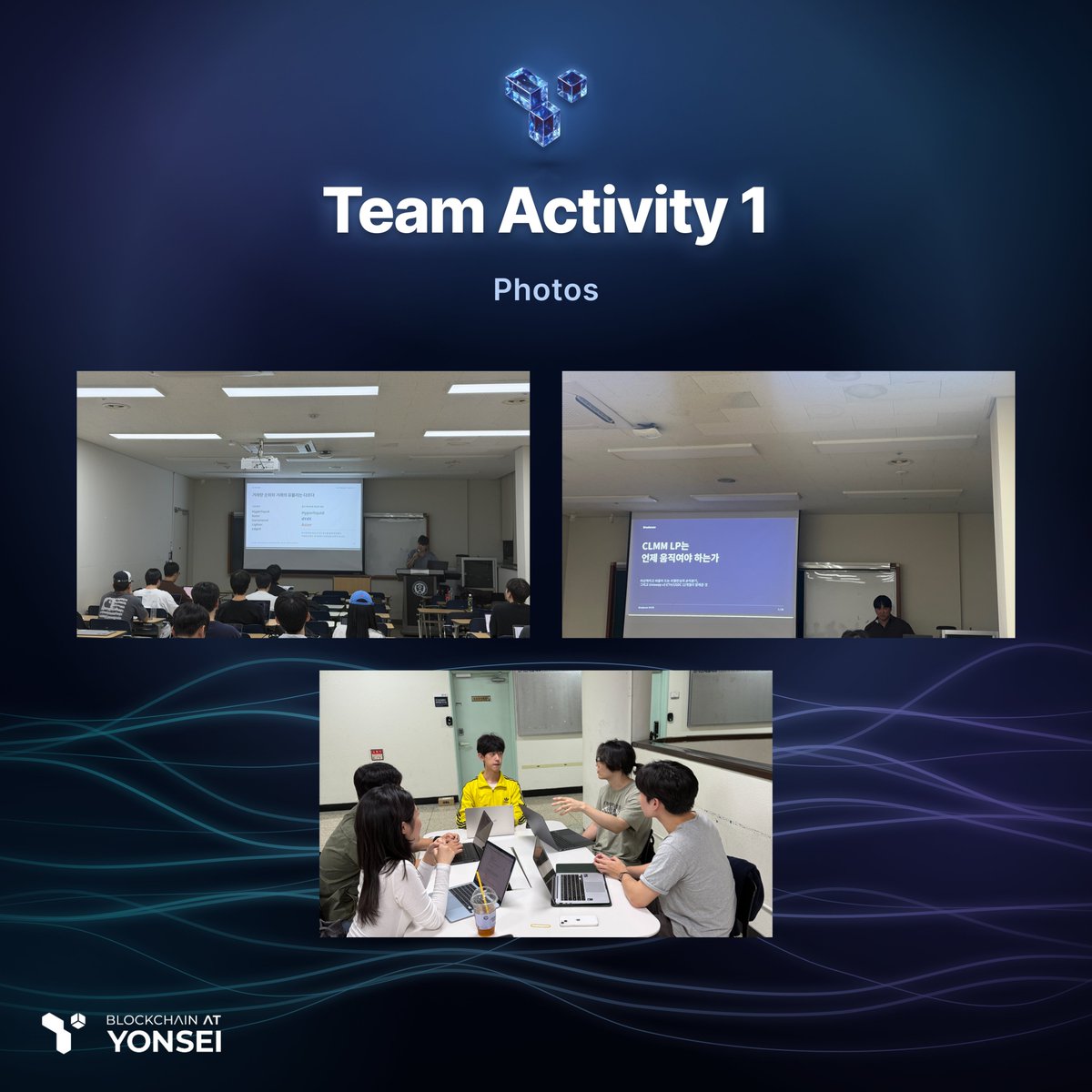
BAY 첫 팀 활동에서 3조 조장을 맡아 Solana DEX와 Backpack 간 토큰화 주식 차익거래를 시도했습니다.
가격 차이는 보였지만, 직접 거래해보니 수수료와 자산 이동 시간, 잔고 조건까지 따져야 했습니다. 코드를 짜려면 토큰이 실제 주식 보유분으로 어떻게 바뀌는지부터 이해해야 했고요.
개발하다 생긴 질문을 리서치하고, 팀원들과 의견을 나누며 시야를 넓힌 시간이었습니다.
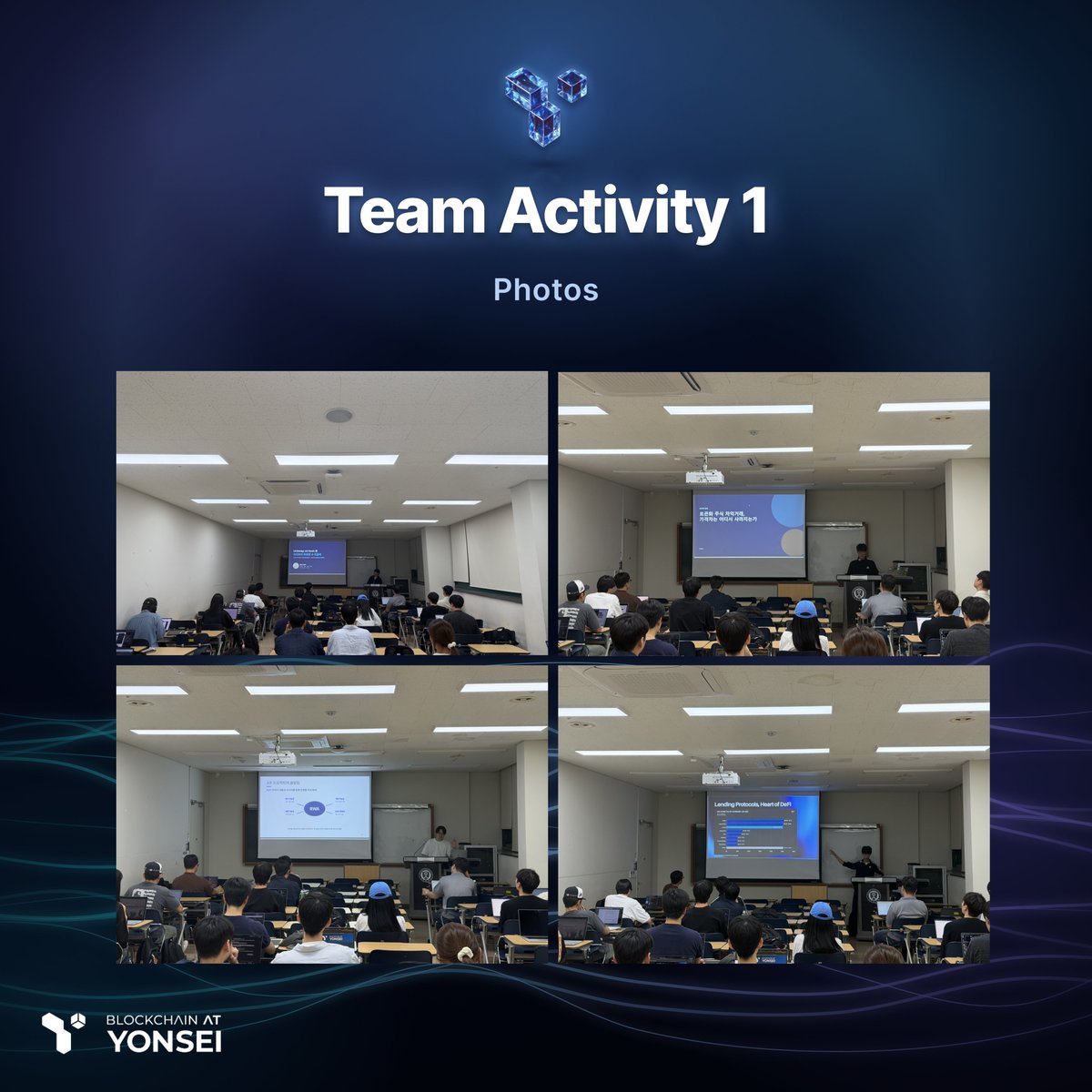
BAY 18th Team Activity #1 | Sep 17
On September 17th, BAY held its first Team Activity session jointly prepared by the Research and Development teams. A total of seven teams introduced their research on DeFi along with the programs they developed themselves, sharing what they learned throughout the project.
Team 1 explored whether it is possible to identify high-potential meme coins early. They derived evaluation criteria from public statements made by key investors, built a program to score newly launched tokens, and tracked subsequent price movements to verify the effectiveness of these criteria.
→ Check out Team 1's Project Report: https://t.co/ra51MsIYZv
Team 2 researched Hooks in Uniswap v4, which allow adding new functionalities to trades. They built a custom feature that enables participation in a lottery during transactions and examined considerations regarding service operations and security.
→ Check out Team 2's Project Report: https://t.co/K4CzwQOSTo
Team 3 investigated the feasibility of arbitrage trading tokenized stocks between Solana's decentralized exchanges and Backpack. They confirmed that even if price discrepancies are visible, actual profitability can vary due to transaction fees and transfer delays.
→ Check out Team 3's Project Report: https://t.co/9dqRufIfsL
Team 4 researched how liquidity providers should respond when prices move outside their defined ranges. By analyzing actual transaction histories and associated costs, they built a tool to help determine whether to rebalance price ranges, hold, or withdraw funds.
→ Check out Team 4's Project Report: https://t.co/BA68bHv0YG
Team 5 examined the reasons behind differing funding rates across cryptocurrency exchanges for the same Bitcoin futures contract. They compared calculation methods and datasets across three exchanges while analyzing total costs considering trading fees and holding periods.
→ Check out Team 5's Project Report: https://t.co/r4pOy0uMt9
Team 6 studied the root causes of recurring security incidents in DeFi lending platforms. They evaluated collateral valuation mechanisms and the responsibilities of credit assessors, proposed methods to verify price feeds, and implemented risk mitigation mechanisms for lending.
→ Check out Team 6's Project Report: https://t.co/x3nRxEE4Hv
Team 7 researched ways to tokenize creators' rights to receive a portion of future earnings. They analyzed the role blockchain plays in fractionalizing and trading these rights, as well as methods to connect smart contracts with real-world revenue data.
→ Check out Team 7's Project Report: https://t.co/6eAzjjbLhC
BAY will continue to combine research and development to deepen understanding of blockchain technology and actively build and validate new ideas.
Spotlight on @squidrouter, Silver Sponsor of XRP SEOUL 2026!
Squid is a cross-chain platform connecting digital assets across multiple networks, including XRPL, Bitcoin, EVM, Cosmos, and Solana. With customizable Widget, API, and SDK integrations, Squid enables seamless cross-chain swaps, transfers, and bridging across the blockchain ecosystem.
📅 Oct 3, 2026 |📍Grand Hyatt Seoul
🎟 https://t.co/CvsHvAvpnf
🎙️ Apply to speak: https://t.co/0s1Bxp0qpz
🤝 Become a sponsor: https://t.co/pgPInmaKxC
5주차에는 트랜잭션이 블록에 포함된 것, confirmation의 의미, 그리고 finalized와의 차이를 알아봤습니다.
간단히 말하면 confirmation이 일정 개수 이상 쌓였다고 해서 finalized가 되는 것은 아닙니다.
Confirmation과 Finality는 서로 다른 방식으로 트랜잭션의 안정성을 나타냅니다.
트랜잭션이 아직 블록에 포함되지 않았다면 pending 상태이고, canonical chain의 블록에 처음 포함되면 일반적으로 1 confirmation으로 봅니다.
이후 그 블록 위에 새로운 블록이 하나씩 쌓일 때마다 confirmation의 수도 증가합니다.
예를 들어 어떤 트랜잭션이 포함된 블록 위에 10개의 블록이 더 만들어졌다면, 그 트랜잭션은 그만큼 더 깊은 위치에 존재하게 됩니다.
Confirmation이 많아질수록 해당 거래를 되돌리기 위해서는 공격자가 더 긴 대체 체인을 만들어 canonical chain을 교체해야 하므로 공격 비용이 증가합니다.
따라서 confirmation은 블록이 뒤에 쌓일수록 점진적으로 트랜잭션의 안정성이 증가하는 개념이라고 볼 수 있습니다.
반대로 confirmation 수가 적은 블록은 상대적으로 reorg의 영향을 받을 가능성이 높습니다.
Reorg는 네트워크 상황이나 서로 다른 블록 생성으로 인해 기존 canonical chain의 일부가 다른 chain으로 교체되는 현상입니다. Reorg 자체가 반드시 공격인 것은 아닙니다.
Reorg가 발생하면 기존 블록에 포함되어 있던 트랜잭션이 canonical chain에서 빠질 수 있습니다.
이 트랜잭션이 새로운 canonical state에서도 여전히 유효하다면 다시 mempool을 거쳐 이후 블록에 포함될 수도 있습니다.
공격자가 이러한 reorg를 의도적으로 유발해 자신의 대체 chain을 canonical chain으로 만들고, 그 과정에서 이중 지불이나 기타 경제적 이익을 얻으려는 경우를 reorg attack이라고 할 수 있습니다.
Ethereum PoS에서는 이러한 불확실성을 confirmation만으로 해결하지 않고 Finality라는 별도의 합의 메커니즘을 사용합니다.
Ethereum에서는 32개의 slot을 하나의 epoch으로 구성하고 epoch 경계에 checkpoint를 둡니다.
Validator들이 자신의 ETH stake를 기반으로 checkpoint 사이의 연결에 투표하고, 전체 stake의 2/3 이상이 동의하는 supermajority link가 만들어지면 checkpoint가 justified될 수 있습니다.
이후 다음 checkpoint에서도 필요한 supermajority가 형성되면 이전 checkpoint가 finalized됩니다.
즉 Finality는
“블록이 몇 개 더 쌓였는가?”
가 아니라
“validator들의 지분 기반 합의가 해당 checkpoint를 확정했는가?”
에 의해 결정됩니다.
따라서 20 confirmation, 30 confirmation처럼 특정 confirmation 수가 Finality를 만드는 것은 아닙니다.
이미 finalized된 chain과 충돌하는 또 다른 chain을 finalized시키려면 최소 전체 staked ETH의 1/3이 slashable한 상충 투표를 해야 하기 때문에, finalized된 블록을 되돌리는 것은 매우 큰 경제적 손실을 요구합니다.
정리하면,
Confirmation = 후속 블록이 쌓이면서 점진적으로 증가하는 안정성
Finality = validator 합의를 통해 부여되는 강한 crypto-economic 확정성
이라고 볼 수 있습니다.
이러한 Finality는 특히 브릿지를 통한 크로스체인 자산 이동처럼, 다른 체인이 **“Ethereum에서 발생한 사건을 언제 확정된 것으로 받아들일 것인가”**를 결정해야 하는 경우 중요한 settlement 기준으로 활용될 수 있습니다.
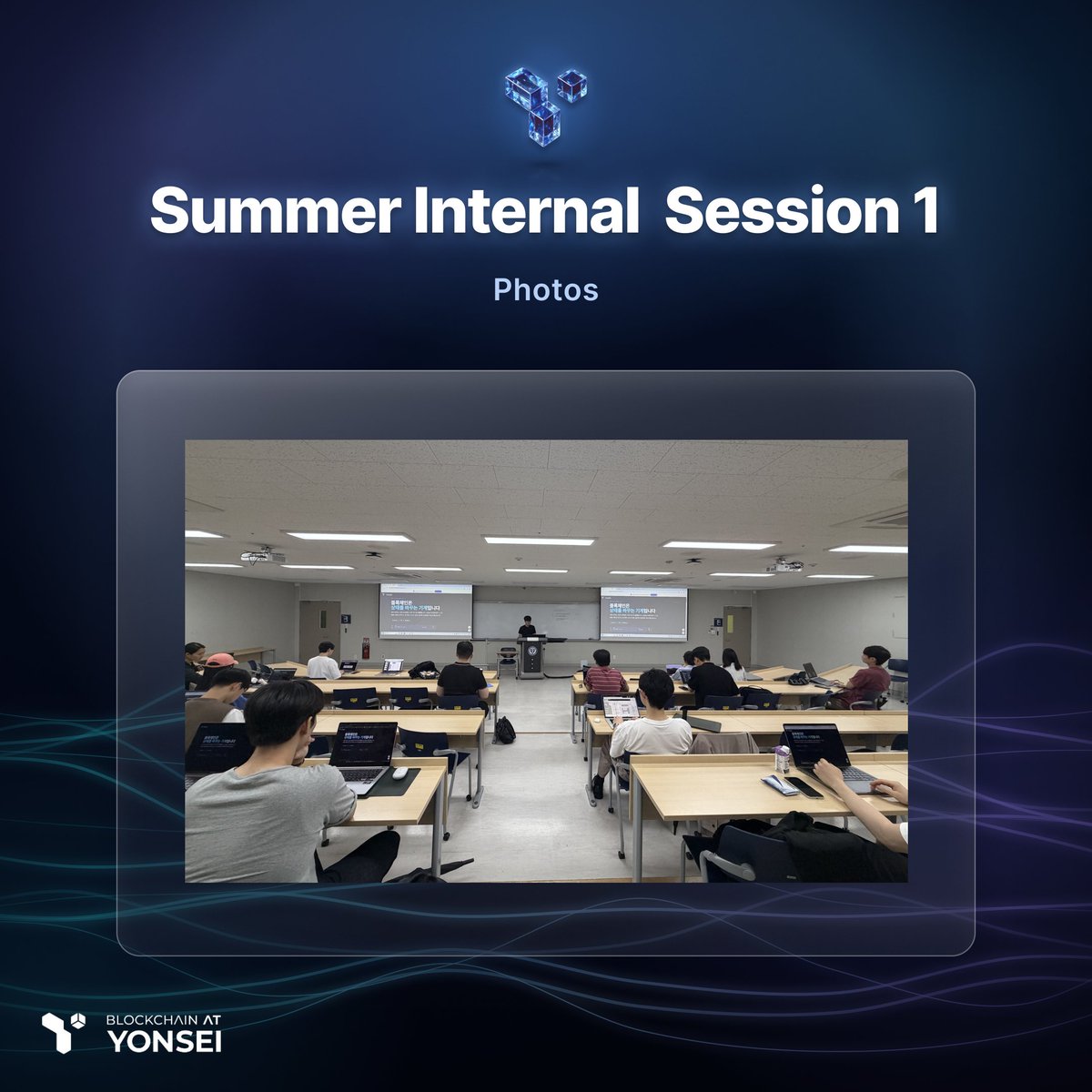
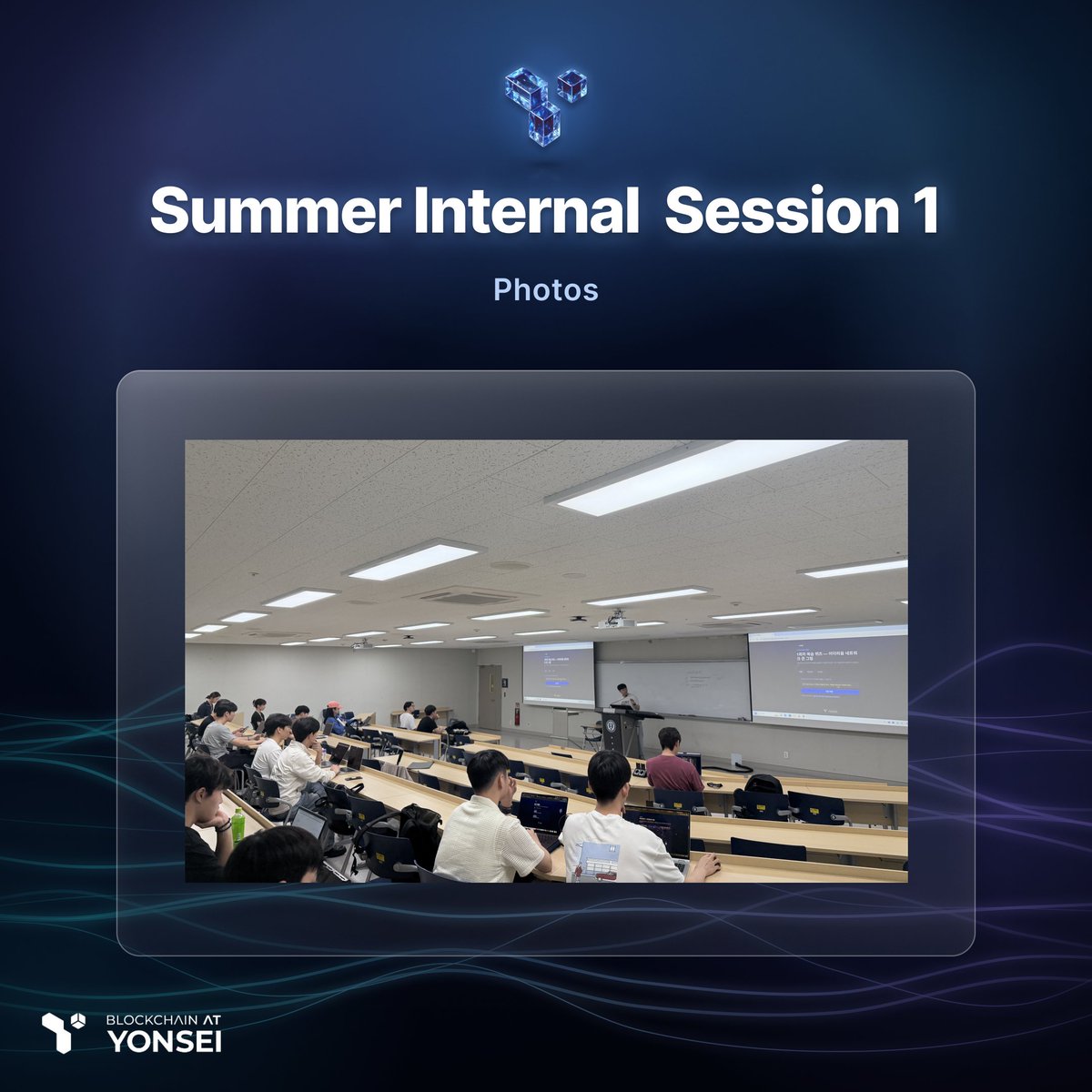
BAY 18th Onboarding Session #5 | Aug 20
[Session 1 | Stablecoins, RWA, & STO]
Learned how real-world value is represented and utilized on the blockchain.
• Understood the background of stablecoin adoption and the mechanisms of each type (fiat-backed, crypto-collateralized, synthetic/hedged, and algorithmic)
• Examined the limitations of price stabilization mechanisms through the Terra-Luna incident
• Understood the concept of RWA/tokenization linking real-world assets (treasuries, stocks, real estate, etc.) to tokens and the importance of underlying actual rights
• Differentiated between RWA, security tokens, and STO, and checked domestic security token regulation trends
[Session 2 | Transaction Inclusion & Finality]
Learned the process of how transactions are included in blocks and achieve finalization.
• Understood how transaction inclusion and ordering are determined based on priority fees and MEV
• Differentiated between Pending, Included, and Finalized transaction states
• Understood chain reorg mechanisms and how increased confirmations lower reorg risks
• Learned the validator attestation aggregation flow and how justification and finality are achieved through >2/3 votes on Source and Target checkpoints
• Understood why required waiting thresholds differ by service
[Session 3 | Dev Team]
Studied the communication between the Execution Layer and Consensus Layer, as well as block production/reception logic.
• Understood Engine API communication mechanisms between EL and CL
• Analyzed block production logic via Geth codebase
• Analyzed block reception and processing logic via Geth codebase
[Session 3 | Research Team]
Conducted an in-depth study on stablecoin types and held a news-sharing session.
• Formed 3-person groups to investigate price maintenance mechanisms, key case studies, and risk factors for fiat-backed, crypto-collateralized, and algorithmic stablecoins
• Shared key news and recent case studies (Toyota's security token case, blockchain status based on on-chain RWA volume, and DeFiLlama's self-hacking case removing fake apps)
@BlockchainatYU has joined @XRPSEOUL 2026 as an official Community Partner!
Blockchain at Yonsei (BAY) is Korea's first and largest university blockchain community, founded at Yonsei University in 2017. Our members explore blockchain through research, engineering, and ecosystem building, collaborating with leading industry partners while contributing to the broader Web3 ecosystem.
📅 Oct 3, 2026 |📍Grand Hyatt Seoul
🎟 https://t.co/zDvMXb9ryA
🎙 Apply to speak: https://t.co/VXsMfH96uV
🤝 Become a sponsor: https://t.co/IPmJlhG4RR
4주차에는 트랜잭션이 실행된 뒤 그 결과가 어디에 남는지 살펴봤습니다.
간단히 말하면 하나의 트랜잭션 실행 결과는 크게 State, Receipt, Event Log 세 가지 관점에서 볼 수 있습니다.
State는 이더리움의 “현재 상태”입니다.
예를 들어 토큰 스왑으로 내 A 토큰 잔액이 50에서 40으로 바뀌었다면, State에는 최종적으로 balance[나] = 40이라는 현재 값이 남습니다. 이후 또 다른 트랜잭션이 실행되면 이 값은 다시 새로운 값으로 바뀝니다.
반면 Receipt는 특정 트랜잭션이 어떻게 실행되었는지를 기록합니다.
트랜잭션이 성공했는지 실패했는지, 실제로 얼마나 많은 Gas를 사용했는지, 어떤 Event Log가 발생했는지 등이 실행이 끝난 뒤 Receipt에 기록됩니다. 따라서 사용자가 트랜잭션에 서명하는 시점에는 Receipt가 아직 존재하지 않습니다.
마지막으로 Event Log는 컨트랙트가 외부에 특정 사건이 발생했음을 알리기 위해 남기는 기록입니다.
예를 들어 ERC-20 토큰을 전송하면 Transfer 이벤트가 발생할 수 있고, DApp이나 이더스캔 같은 외부 프로그램은 이 Log를 읽어 “누가 누구에게 얼마를 전송했는지”와 같은 거래 내역을 구성할 수 있습니다.
즉 같은 스왑 하나를 보더라도
State는 지금 잔액이 얼마인가를 보여주고,
Receipt는 이 트랜잭션이 어떻게 실행되었는가를 보여주며,
Event Log는 실행 과정에서 어떤 사건이 발생했는가를 외부에 전달합니다.
이 차이를 알고 나면 이더스캔에서 보는 정보도 출처를 나누어 볼 수 있습니다.
From, To, Input Data 같은 값은 처음부터 사용자가 서명한 트랜잭션에 들어 있던 정보이고, Status, Gas Used, Logs 같은 값은 실제 실행이 끝난 뒤 만들어진 Receipt에서 확인할 수 있습니다. 현재 토큰 잔액처럼 계속 변하는 값은 현재 State에서 읽어옵니다.
또 하나 중요한 차이는 트랜잭션이 언제 실패했는가입니다.
서명, nonce, 잔액 등의 기본 검증 단계에서 거부된 트랜잭션은 애초에 블록에서 실행되지 않기 때문에 Receipt도 남지 않고 Gas fee도 지불하지 않습니다.
반대로 블록에 포함된 뒤 컨트랙트를 실행하다가 revert된 경우에는 State 변경은 되돌아가지만, 실패했다는 Receipt와 사용한 Gas 기록은 남습니다.
그래서 메타마스크에서 “Failed”가 뜨면서 가스비까지 지불된 거래는 “아무 일도 일어나지 않은 거래”가 아니라, 실제로 EVM에서 실행되다가 중간에 실패한 거래라고 볼 수 있습니다.
그렇다면 메타마스크나 이더스캔은 이런 사실을 어떻게 알까요?
지갑이나 DApp이 블록체인의 기록을 직접 가지고 있는 것은 아닙니다. Ethereum 노드에 RPC 요청을 보내 State나 Receipt를 조회합니다.
메타마스크는 트랜잭션을 전송한 뒤 eth_getTransactionReceipt 같은 요청을 반복하며 Receipt가 만들어졌는지 확인하고, status가 성공인지 실패인지에 따라 화면을 갱신합니다. 이더스캔은 Receipt와 Event Log를 수집하고 인덱싱해 사람이 검색하기 쉬운 형태로 보여줍니다.
핵심을 짚어보자면
트랜잭션은 실행되고 끝나는 것이 아니라, 실행 결과가 State를 바꾸고 Receipt와 Log라는 기록을 남깁니다.
그리고 우리가 메타마스크, 이더스캔, DApp에서 보는 대부분의 정보는 결국 노드가 가지고 있는 이 기록들을 다시 조회하고 해석한 결과입니다.
BAY 18th Onboarding Session #4 | Aug 13
[Session 1 | Major Chains]
Explored why the same transfer is processed differently across chains, through the lens of regulatory landscape.
• Compared consensus, propagation, and account structures of Ethereum, Solana, and Ripple via diagrams
• Analyzed causes through regulatory landscape rather than technology: securities lawsuit precedents, stablecoin legislation, ETF approvals
• Confirmed through Ripple's paradox that regulatory events get priced in ahead of time
• Learned to read a chain in three lines: regulatory status, primary users, and key battleground
[Session 2 | Transactions and State Changes]
Studied how transaction execution results are recorded and where.
• Understood the structure of state (current values), receipt (success status, gas used), and event log (used by external services)
• Learned the difference between pre-execution validation failure and in-block revert
• Studied methods for restoring past state
• Grasped state verification through the state root
• Understood how wallets and block explorers query and display on-chain data
[Session 3 | Dev Team]
Conducted a study on State and Trie.
• Studied Ethereum's account structure
• Analyzed, at the code level, how geth loads state from disk into stateDB, mutates it, and persists it back from stateDB to disk
[Session 3 | Research Team]
Conducted a news-sharing session and a study on blockchain scalability structures
• 2 members shared key news of the week
• Studied the mechanisms and differences of Optimistic Rollups, ZK Rollups, and Sidechains—developed to address Ethereum's scalability limitations—along with representative case studies
3주차에는 EVM 실행과 토큰에 대해 알아보는 시간을 가졌습니다.
간단히 말하면 토큰(ERC-20 토큰 표준으로 작성된 컨트랙트)과 ETH(이더리움 네트워크의 네이티브 화폐이며 가스비 지불에 사용됨)에는 차이가 있습니다.
이더리움 네트워크에는 EOA와 CA, 즉 외부 소유 계정과 컨트랙트 계정 두 종류의 계정이 존재합니다. 두 가지 모두 주소를 가지고 ETH 잔액을 가질 수 있습니다. 차이점으로는 컨트랙트 계정은 개인키가 없기 때문에 스스로 트랜잭션을 시작할 수 없으며, 대신 실행할 코드와 영구적인 상태 값을 저장할 Storage를 가지고 있습니다.
컨트랙트 배포 또한 하나의 트랜잭션입니다. 트랜잭션의 수신자 필드를 비워두고 data 필드에 컨트랙트를 생성하기 위한 init code를 담아 전송하면 컨트랙트 생성 트랜잭션으로 처리됩니다. 이 init code가 EVM에서 실행된 결과 만들어진 runtime bytecode가 새로운 컨트랙트 계정의 코드가 됩니다. 일반적인 CREATE 방식에서는 이 컨트랙트의 주소도 랜덤하게 생성되는 것이 아니라 배포자 주소와 nonce를 기반으로 결정됩니다.
이후 이 컨트랙트의 함수를 호출할 때는 data 필드에 어떤 함수를 실행할지와 해당 함수에 전달할 매개변수를 담고, 수신자를 CA의 주소로 하여 트랜잭션을 보냅니다. 이때 data의 처음 4바이트, 즉 16진수 문자열 기준 앞 8자리를 function selector라고 하며 transfer, approve 등 어떤 함수를 호출할 것인지 구분하는 데 사용됩니다. MetaMask와 같은 지갑은 ABI나 알려진 함수 정보 등을 이용해 이 calldata를 해석하고 사용자가 어떤 동작에 서명하고 있는지 보여줄 수 있습니다.
DEX는 이러한 스마트컨트랙트 하나 또는 여러 컨트랙트의 연쇄적인 호출로 동작하는 DApp이라고 생각할 수 있습니다. Ethereum 프로토콜 자체가 특정 DEX의 교환 가격이나 유동성 규칙 등을 정하는 것은 아니며, DEX가 배포한 스마트컨트랙트의 코드와 Storage가 해당 프로토콜의 규칙을 정의하고 실행합니다.
특정 DEX에서 A 토큰을 B 토큰으로 일정량 스왑한다고 해보겠습니다.
맨 처음 개인키를 보유한 EOA인 사용자가 DEX의 Router나 Pool 컨트랙트를 수신자로 하는 트랜잭션을 생성합니다. 이를 받은 DEX 컨트랙트는 자신의 swap 코드를 실행하고, 필요에 따라 Pool 컨트랙트나 A 토큰, B 토큰의 ERC-20 컨트랙트 등을 정해진 순서로 호출합니다.
A와 B 토큰의 잔액은 ETH 잔액처럼 Ethereum 계정 자체에 직접 기록되어 있는 것이 아닙니다. 각 ERC-20 토큰 컨트랙트 내부의 Storage에 balances[address]와 같은 형태로 기록되어 있습니다. 따라서 토큰을 전송한다는 것은 실제 토큰이라는 물체가 다른 주소로 이동하는 것이 아니라, 해당 ERC-20 컨트랙트 Storage에 기록된 주소별 잔액 값이 변경되는 것입니다.
Storage는 각 스마트컨트랙트가 자신의 영구적인 상태 값을 저장하는 공간입니다. Ethereum의 전체 State는 계정의 nonce, ETH balance, code, Storage 등을 포함하는 더 큰 개념이며, Storage는 그중 컨트랙트별 상태 데이터를 저장하는 부분입니다.
Ethereum의 여러 노드는 동일한 State를 유지해야 합니다. 따라서 블록에 상태 변경 트랜잭션이 포함되면 각 실행 노드는 동일한 트랜잭션을 동일한 EVM 규칙에 따라 다시 실행하고, 그 결과 동일한 State에 도달했는지를 검증합니다. 즉 하나의 트랜잭션에서 발생하는 연산은 블록을 검증하는 수많은 노드에서 재현됩니다.
이러한 이유로 Ethereum에서는 연산 종류에 따라 Gas 비용을 부여합니다. 특히 Storage에 새로운 값을 기록하거나 기존 값을 변경하는 것처럼 영구적인 State를 수정하는 작업은 상대적으로 높은 Gas를 소비합니다. 반대로 단순한 계산이나 이미 접근한 상태 값을 읽는 연산 등은 상대적으로 적은 Gas를 요구합니다. 또한 eth_call처럼 상태를 변경하지 않고 노드가 로컬에서 실행 결과만 계산하는 조회는 실제 온체인 트랜잭션이 아니므로 사용자가 ETH로 Gas fee를 지불하지 않습니다.
Gas의 중요한 목적 중 하나는 EVM의 계산 자원을 제한하는 것입니다. 스마트컨트랙트에 무한 루프나 지나치게 많은 연산을 수행하는 코드가 들어가더라도 사용할 수 있는 Gas에 상한이 있기 때문에 무제한으로 네트워크 자원을 소비할 수 없습니다. 동시에 각 EVM 연산에 필요한 자원의 정도에 따라 비용을 부여함으로써 한정된 블록 계산 자원을 배분합니다.
DEX에서 특히 볼 부분은 allowance의 존재입니다. 기본적으로 다른 주소나 스마트컨트랙트가 사용자의 ERC-20 토큰을 마음대로 이동시킬 수는 없습니다. 하지만 DEX에서는 하나의 swap 과정 안에서 사용자의 토큰을 Pool로 이동시키는 등의 작업을 자동으로 수행해야 합니다.
이를 위해 사용자는 먼저 ERC-20 토큰 컨트랙트의 approve 함수를 호출하여 특정 DEX 컨트랙트가 자신의 토큰을 최대 얼마까지 사용할 수 있는지를 지정합니다. 이 값이 allowance입니다.
예를 들어 사용자가 DEX에 A 토큰 100개를 사용할 수 있도록 허용했다면 A 토큰 컨트랙트의 Storage에는 개념적으로 allowance[사용자][DEX] = 100과 같은 값이 기록됩니다.
이후 사용자가 DEX의 swap 함수를 호출하면 DEX는 A 토큰 컨트랙트의 transferFrom을 호출할 수 있습니다. 예를 들어 transferFrom(사용자, Pool, 30)을 호출하면 A 토큰 컨트랙트가 사용자의 잔액에서 30을 줄이고 Pool의 잔액을 30 늘리며, 일반적인 ERC-20 구현에서는 DEX가 사용할 수 있는 allowance도 그만큼 감소시킵니다.
즉 transferFrom의 핵심은 DEX가 사용자의 토큰 잔액을 직접 수정하는 것이 아니라, 사용자가 미리 허용한 범위 내에서 DEX가 ERC-20 토큰 컨트랙트에게 사용자의 토큰을 대신 이동하도록 요청할 수 있게 하는 것입니다. 이를 통해 사용자는 swap 내부에서 발생하는 모든 세부적인 토큰 이동마다 새로운 트랜잭션을 만들고 개인키로 서명할 필요 없이, 하나의 swap 트랜잭션 안에서 여러 컨트랙트 호출을 연쇄적으로 수행할 수 있습니다.
이러한 구조 때문에 DEX의 swap은 단순 ETH 전송보다 일반적으로 많은 Gas를 요구합니다. 단순 송금은 비교적 적은 수의 상태 변경만 발생하지만, DEX에서는 하나의 외부 트랜잭션 안에서 Router, Pool, 여러 ERC-20 토큰 컨트랙트 등이 서로 호출될 수 있고, 그 과정에서 allowance 확인 및 변경, 사용자와 Pool의 토큰 잔액 변경, 유동성 상태나 가격 계산에 필요한 값 변경 등 여러 연산이 연속적으로 수행됩니다.
즉 컨트랙트를 호출하는 행위 자체와 그 안에서 발생하는 추가적인 컨트랙트 간 호출, 그리고 여러 Storage 값을 읽고 변경하는 과정이 누적되면서 Gas 사용량이 증가합니다. 특히 영구적인 State를 변경하는 Storage 쓰기가 여러 번 발생하는 DEX 거래는 단순한 ETH 전송이나 단순 조회에 비해 많은 계산 및 상태 변경을 필요로 하기 때문에 일반적으로 더 높은 Gas 비용을 요구합니다.
BAY 18th Onboarding Session #3 | Aug 6
[Session 1 | CEX/DEX · Bridge · Oracle]
Covered the fundamental structure and infrastructure of asset trading.
• Compared the structural differences between CEX order book systems and DEX AMM mechanics
• Compared the conceptual definitions of chains, coins, and tokens
• Examined the structure of bridges that enable cross-chain asset transfers
• Examined the infrastructure of oracles that relay external data to smart contracts
[Session 2 | EVM Execution & Tokens]
Learned the execution principles behind on-chain asset transfers.
• Understood the blockchain as a state machine that updates with each transaction
• Traced how calldata signed by an EOA is executed by contracts and the EVM to update storage
• Covered how ERC-20 balances and allowances are stored
• Connected the approve/transferFrom structure of DEX swaps with gas fees and atomicity
[Session 3 | Dev Team]
Studied the EVM and its interpreter structure.
• core/vm interpreter loop
• Opcode jump table
• Gas deduction process
[Session 3 | Research Team]
Conducted weekly news tracking and in-depth study by part.
• Tracked major news of the week and shared insights
• Split into groups of three for in-depth study on CEX/DEX, Oracle, and Bridge, followed by knowledge sharing
2주차에는 트랜잭션이 노드의 멤풀에 들어가기까지의 과정을 살펴봤습니다.
간단히 말하면 트랜잭션은 여러 필수 필드로 구성된 메시지를 만들고, 그 메시지의 해시값에 대해 송신자의 지갑 주소에 대응하는 개인키로 디지털 서명을 생성한 뒤, 원래 트랜잭션 데이터와 서명을 함께 담은 데이터 구조입니다.
이 트랜잭션 필드에는 "송신자가 이 트랜잭션 실행에 대해 최대로 지불할 의향이 있는 가스비"와 "이 계정에서 다음에 실행되어야 할 트랜잭션 순번"이 포함되는데, 트랜잭션 순번은 "논스"라고 부릅니다.
후술할 가스비+팁의 경합은 계정 간 트랜잭션의 블록 포함 경쟁에 쓰이지만, nonce는 같은 계정에서 발생하는 트랜잭션의 순서를 보장하고 이미 처리된 트랜잭션의 재실행(replay)을 막기 위해 검증됩니다. 만약 A 계정의 현재 nonce가 6이라면 nonce 0~5는 이미 사용된 값이므로 다시 제출해도 처리되지 않으며, nonce 6이 다음 실행 가능한 트랜잭션입니다. 이후 nonce 6 트랜잭션이 실제 블록에 포함되어 상태에 반영되면 A 계정의 nonce는 7로 증가하고, 그때부터 nonce 0~6을 사용하는 트랜잭션은 유효하지 않습니다. nonce 7 이후의 트랜잭션은 트랜잭션 풀에 미리 들어갈 수 있지만, 같은 계정에서는 앞선 nonce가 처리되기 전까지 뒤의 nonce를 건너뛰어 실행할 수 없습니다.
가스비(Gas)는 Ethereum에서 트랜잭션 및 스마트컨트랙트 실행에 필요한 계산·상태 접근 등의 작업량을 정량화한 단위입니다.
이더리움 블록은 한정된 양의 gas만 처리할 수 있기 때문에 트랜잭션 수요가 증가하면 블록 공간에 대한 경쟁이 발생합니다. EIP-1559 이후 이더리움 프로토콜은 이전 블록의 gas 사용량이 목표치를 초과하거나 미달하는지에 따라 다음 블록의 base fee를 자동으로 조정합니다.
사용자는 트랜잭션에 지불 가능한 최대 gas 단가와 블록 제안자에게 줄 priority fee를 설정하며, 최대 지불 단가가 현재 base fee보다 낮으면 해당 트랜잭션은 그 블록에 포함될 수 없습니다.
BAY 18th Onboarding Session #2 | July 30
[Track 1 | Consensus Algorithm]
Covered how a blockchain without a central authority builds a single, agreed-upon transaction record.
• Reasons transactions are grouped into blocks, and the hash-based structure linking block.
• Block producer selection methods: Proof of Work (PoW) compared with Proof of Stake (PoS)
• How consensus algorithms solve the double-spending problem and the Byzantine Generals Problem
• Speed trade-offs in the consensus process and their connection to the blockchain trilemma
[Track 2 | State Machine]
Explored blockchain operation in depth through the lens of a state machine.
• Simulation of transaction flow (request creation, rule validation, state update)
• State branching based on execution order and the resulting need for consensus
• Connection to key components covered in Period 3: RPC, txpool, EVM, StateDB
[Period 3 | Development Team]
Tracked, at the source code level, the process by which a transaction travels through an RPC request, arrives at the Geth server, and is stored in the mempool.
• Transaction RPC request creation and arrival at the Geth server
• Source code level tracking of the flow through to mempool storage
[Track 3 | Research Team]
Weekly briefing on major blockchain news, with each item shared alongside personal insights.
• Two major blockchain news items from the week, with insights
• Deep dive into how consensus algorithms work
• Ethereum PoS — roles of proposer, committee, and aggregator, and the process of vote creation, aggregation, and inclusion
1주차에는 블록체인을 상태머신에 빗대어 트랜잭션이 어떻게 상태변경을 진행하는지에 대해 알아봤습니다!
간단히 말하면, 노드들은 저마다의 "상태"를 가지고 있고, 이 상태라는 개념에는 블록체인에서 거래된 후 모든 지갑주소(중앙화된 전통금융에서 계좌와 같은 역할)의 네이티브 화폐의 잔액과 이외 데이터들의 숫자들이 포함됩니다.
만약 특정 순간에 N번째 상태였다면, 이후 N+1번째 상태로 가는것에는 "트랜잭션"이라는 작업이 필요합니다. 이 트랜잭션을 통해 각 노드는 이전 상태에서 저마다의 변경을 진행해 바뀐 상태를 가지게 됩니다
문제는 노드마다 상태가 다른 순간이 많다면 우리는 모든 사람이 공유하는 상태(저마다의 잔액)로써 디지털 금융 장부를 블록체인으로 구현하기 어렵습니다. 그래서 노드별로 어떤 상태를 "공유된 단 하나의 상태"로 할지에 대해 투표 등의 방법으로 "합의"를 하게 됩니다.
이 "합의"는 POS,POW와 같은 구체적 개념으로 드러나며 실제 코드상에서 구현됩니다.
BAY 18th Onboarding Session #1 | July 23
[Track 1 | Blockchain Fundamentals]
Summarized core concepts from the background of Bitcoin's emergence to the fundamental principles of blockchain.
• Background of Bitcoin's emergence and mechanism for preventing double-spending without central authorities
• Definition of blockchain, hash functions, and 4 core characteristics (decentralization, transparency, security, immutability)
• Blockchain trilemma and comparison of structural differences between Bitcoin vs. Ethereum
[Period 2 | Transaction Validation and Propagation]
Covered the process by which a transaction created in a wallet passes through node validation and enters the txpool.
• Principle behind generating a public key and address from a private key
• Process of a wallet composing and signing transaction data
• Flow of a signed transaction being delivered to a node via RPC
• Node validation methods (format, signature, nonce, balance) and the criteria for classifying transactions as pending or queued
• Speeding up or canceling transactions using the same nonce
• Impact of network congestion and fees on whether a transaction gets included in a block
[Track 3 | Dev Team]
Tracked the process of a transaction arriving at the Geth server via an RPC request and entering the mempool at the source code level.
[Track 3 | Research Team]
Weekly core blockchain news tracking briefing by member, along with team member introductions and discussion on future Session 3 operational directions & autonomous study topics.
📌 연세대학교 블록체인 학회, Blockchain at Yonsei에서 18기 학회원 모집 📌
연세대학교 기반 블록체인 학회 Blockchain at Yonsei (구 Yonsei Blockchain Lab)에서 18기 신입 학회원을 모집합니다.
🦅 Blockchain at Yonsei란?
Yonsei Blockchain 학회(BAY)는 2017년에 설립된 국내 최초의 블록체인 학회로, 블록체인 생태계의 발전을 목표로 활동하고 있습니다. 블록체인 산업은 규제 정비와 기관 참여 확대를 발판으로, 글로벌 성장 산업으로서의 입지를 빠르게 강화하고 있습니다. 이에 BAY는 블록체인에 대한 소양과 통찰력을 갖춘 인재들과 함께 발전하고자 합니다.
✅ 지원 요건
- 2개 이상의 팀 프로젝트에 적극적으로 참여 가능한 분
- 2학기 연속 활동이 가능한 분
- 매주 목요일 오후 7시 30분 신촌 캠퍼스에서 열리는 정기 세션에 참여 가능한 분
📆 모집 일정 안내
- 서류 접수: 6월 23일(화)부터 7월 7일(화) 23:59까지
- 서류 합격 발표: 7월 8일(수)
- 면접 일정: 7월 10일(금)부터 12일(일)까지 (신촌 지역 대면)
- 최종 합격자 발표 : 7월 13일(월)
- 오리엔테이션 : 7월 16일(목) 19:30 (대면)
학회 커리큘럼, 지원 방법 및 자세한 일정은 다음 링크를 참조해주세요.
👉 BAY 18기 Recruiting Notion page: https://t.co/9wVYcp8UZv
📄 지원서 작성하기: https://t.co/HwytGBnvAx
❓Recruiting FAQ
Q. 유예생, 졸업생, 휴학생, 대학원생, 직장인 모두 지원 가능한가요?
A. 네, 모두 지원 가능합니다! 기존 Blockchain at Yonsei 멤버 분들 중 졸업생, 대학원생 모두 있었습니다. 정기 회의 및 팀 프로젝트에 성실하게 참여할 수 있다면 모두 지원 가능합니다.
Q. 활동 기간이 어떻게 되나요? 비연속 2학기도 가능한가요?
A. 연속 2학기 활동을 마쳐야 수료가 가능합니다. 특별한 사유가 없는 한, 불연속 2학기는 불가능합니다.
Q. 학회 활동은 언제 어디서 진행되나요?
A. 학회 정규 세션은 매주 목요일 오후 7시 30분, 연세대학교 신촌 캠퍼스에서 진행될 예정입니다. 이외에 본인이 속한 팀의 스케줄에 따라 유동적으로 학회 활동이 이뤄집니다.
Q. 개발자만 지원 가능한가요?
A. 아닙니다. 현재 다양한 전공의 부원들이 활동하고 있습니다.
🌐 Blockchain At Yonsei
X (twitter): https://t.co/x5PjIKiT0t
Instagram: https://t.co/szfHCPUmoF
Linkedin: https://t.co/w05z18Ik7L
Medium: https://t.co/S1g7ZDyW9y
📣 Contact
공식 메일: [email protected]
연락처: 회장 구예모 010-8554-7224
지원 트랙 : RWA
@0xMantleKR
맨틀 네트워크: RWA 자본이 정착하는 4-Phase 진화 레이어
블랙록 BUIDL과 시큐리타이즈를 중심으로 RWA 토큰화 시장은 이미 발행 측 표준화를 마쳤습니다.
다음 질문은 단 하나입니다 — 발행된 토큰화 자산은 어디로 가서, 어디서 yield를 만들고, 어떻게 재배치되는가?
시큐리타이즈가 RWA '발행'을 표준화한 회사라면, 맨틀은 자기 자본으로 그 자산이 정착해 yield를 만들고 재배치되는 ledger를 단계적으로 짓고 있습니다.
이번 맨틀 캠퍼스 리서치에서는 그 자본 레이어의 4단계 진화 모델을 거버넌스 의결·트레저리 데이터·시큐리타이즈 결합점을 통해 분석해봤습니다.
1️⃣ Phase 1 — 능동적 트레저리: $1B 규모의 거버넌스 의결
다른 L2 트레저리는 보유에 머무릅니다. 맨틀은 자기 자본을 외부 RWA 인프라에 능동적으로 배치해온 sovereign wealth-style 운용 모델을 갖추고 있습니다.
💡 MIP-28 (2023.11 통과, 137M MNT Yes vs 5.9K No): Treasury $1B 규모를 yield + RWA 전략으로 본격 전환. 특히 $250M이 Ondo USDY 등 외부 RWA-yield 스테이블코인 시드에 직접 earmark됨 — 맨틀이 외부 RWA 인프라를 능동적으로 financing한 첫 거버넌스 결정.
💡 Mantle Economics Committee: 자산 배분을 전담하는 거버넌스 기구로, 단순 holding이 아닌 active treasury management 인프라. MIP-23·24·25·26·29·31·34 등 7개+ 후속 안건 통과로 운용 패턴 정착.
2️⃣ Phase 2 → Phase 3 — Self-Tokenization과 MI4: 시큐리타이즈와의 결정적 결합
맨틀은 외부 자산을 받기 전에 자기 보유 자산의 yield부터 토큰화했고, 그 자산을 시큐리타이즈 인프라 위 외부 펀드의 부품으로 결합했습니다.
💡 Phase 2 (2024~25) — 4종 yield-bearing 자산 출시: mETH (LST), cmETH (LRT, EigenLayer restaking), FBTC (BTC yield), bbSOL (Solana liquid staking). 4종 모두 Anchorage Digital의 qualified custody 지원 대상 (2025.11) — institutional grade 입증.
💡 Phase 3 (2025.04) — MI4 (Mantle Index Four): BTC 50% / ETH 28% (→ mETH로 yield enhance) / SOL 7% (→ bbSOL) / USD 15% (→ sUSDe). Mantle Treasury $400M anchor commit · 현재 $134M deployed · 시큐리타이즈의 TA·FA·ATS 인프라 3종이 직접 작동하는 첫 사례 = Phase 2 자기 yield 자산이 외부 institutional wrapper의 부품이 된 self-reference implementation.
3️⃣ Phase 4 Catalyst — 외부 기관 RWA 정착의 마지막 조건
분배 채널은 이미 라이브된 상태입니다 — xStocks (2026.04) · Fluxion 하이브리드 AMM+RFQ · Atomic RFQ xChange (2026.05) · Mantle Super Portal (2026.01) · Bybit MNT 20+ 페어 · Anchorage custody. 남은 변수는 단 하나, BUIDL·Apollo·KKR 같은 외부 기관 RWA의 정착 선택입니다.
💡 4축 분배 인프라 완비: 자체 자본 (Treasury $2.71B) + yield 인프라 (Phase 2 자산) + institutional custody (Anchorage) + cross-chain·CEX 분배 채널. 외부 RWA 정착의 4가지 조건을 단독으로 충족하는 유일한 L2.
💡 BlackRock BUIDL은 이미 Aptos·Avalanche·Arbitrum·Optimism·Polygon 등 6개 체인으로 확장. 다음 정착지로서 맨틀의 정량적 우위는 분명 — 단, 결정 시점은 institutional asset issuer의 선택에 달려 있음.
👏 결론: 자기 자본으로 RWA 정착 ledger를 짓는다
에밀리 바오(Bybit Head of Spot · Mantle Key Advisor)의 한 줄이 이 thesis를 정확히 요약합니다 — "기관은 고립된 실행 레이어를 채택하지 않는다. 자본·유동성·유통을 조율하는 생태계를 채택한다."
맨틀의 RWA 적합성은 단일 제품이나 통합 파트너십에서 오는 게 아니라, 2023년 MIP-28부터 단계적으로 채워온 자본 구조에서 옵니다.
Phase 1–3은 이미 데이터로 입증됐고, 마지막 Phase 4 catalyst는 institutional asset issuer의 선택을 기다리는 단계 — 그 정착지가 어디인지에 대한 답으로 맨틀은 정량적으로 가장 명확한 후보가 될 것입니다.
맨틀 캠퍼스 리서치 공모전
RWA, CeDefi, Ai x Crypto
가장 뜨거운 크립토 키워드에 대한 당신의 인사이트를 기다립니다.
🗓️ 참여 기간 : 2026년 5월 8일~22일 (총 14일)
🎁 총 $1,000 상당 상금 지급, 수상자 8인 선정
최다 참여 학회에는 피자 리워드까지 🍕
자세한 참여방법은 아래를 확인해주세요. 🧵