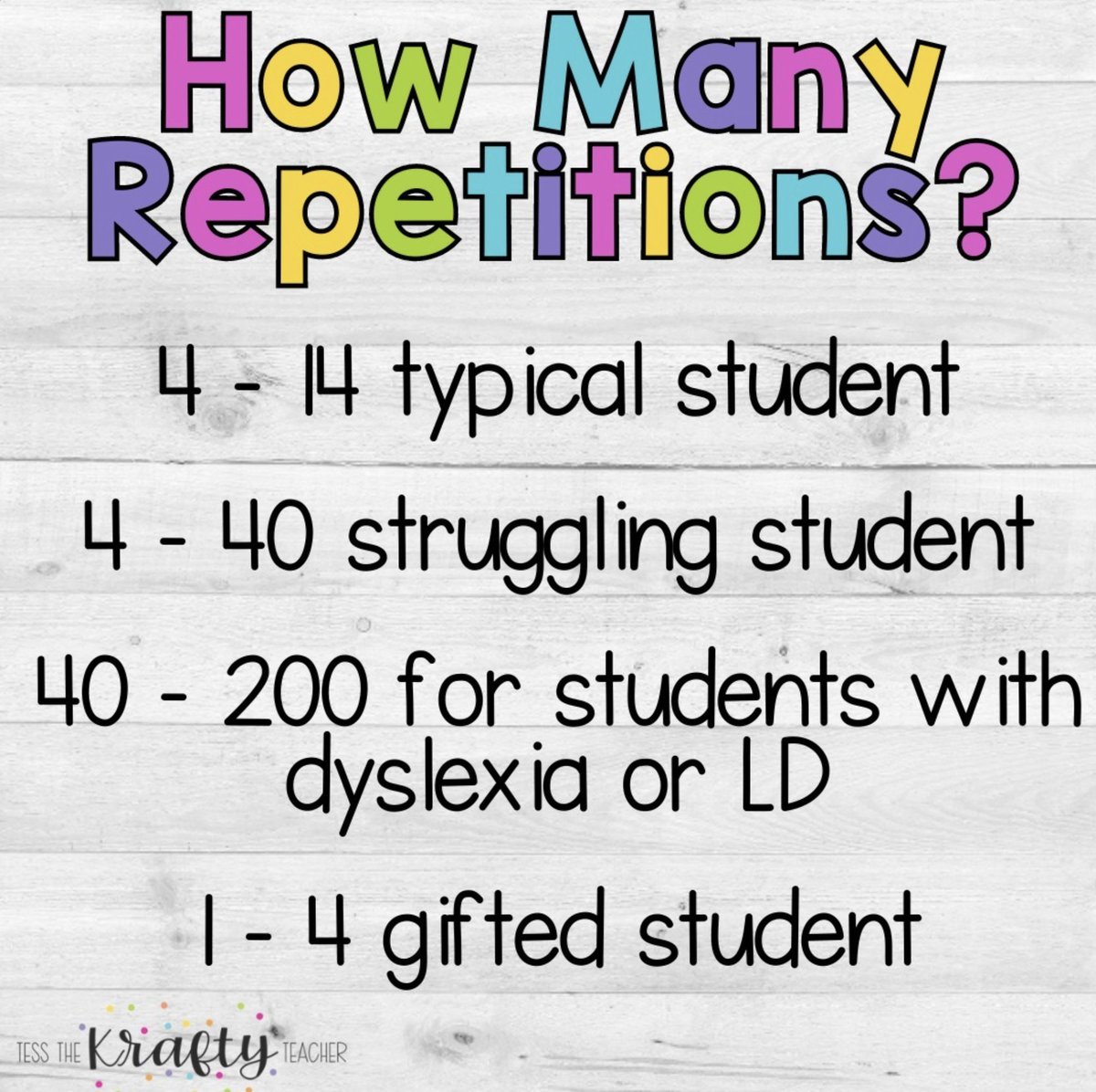
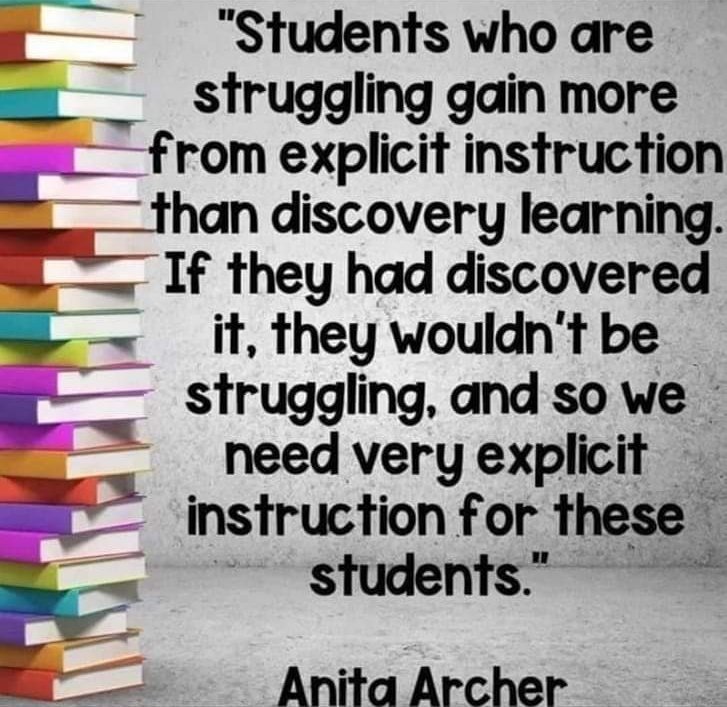
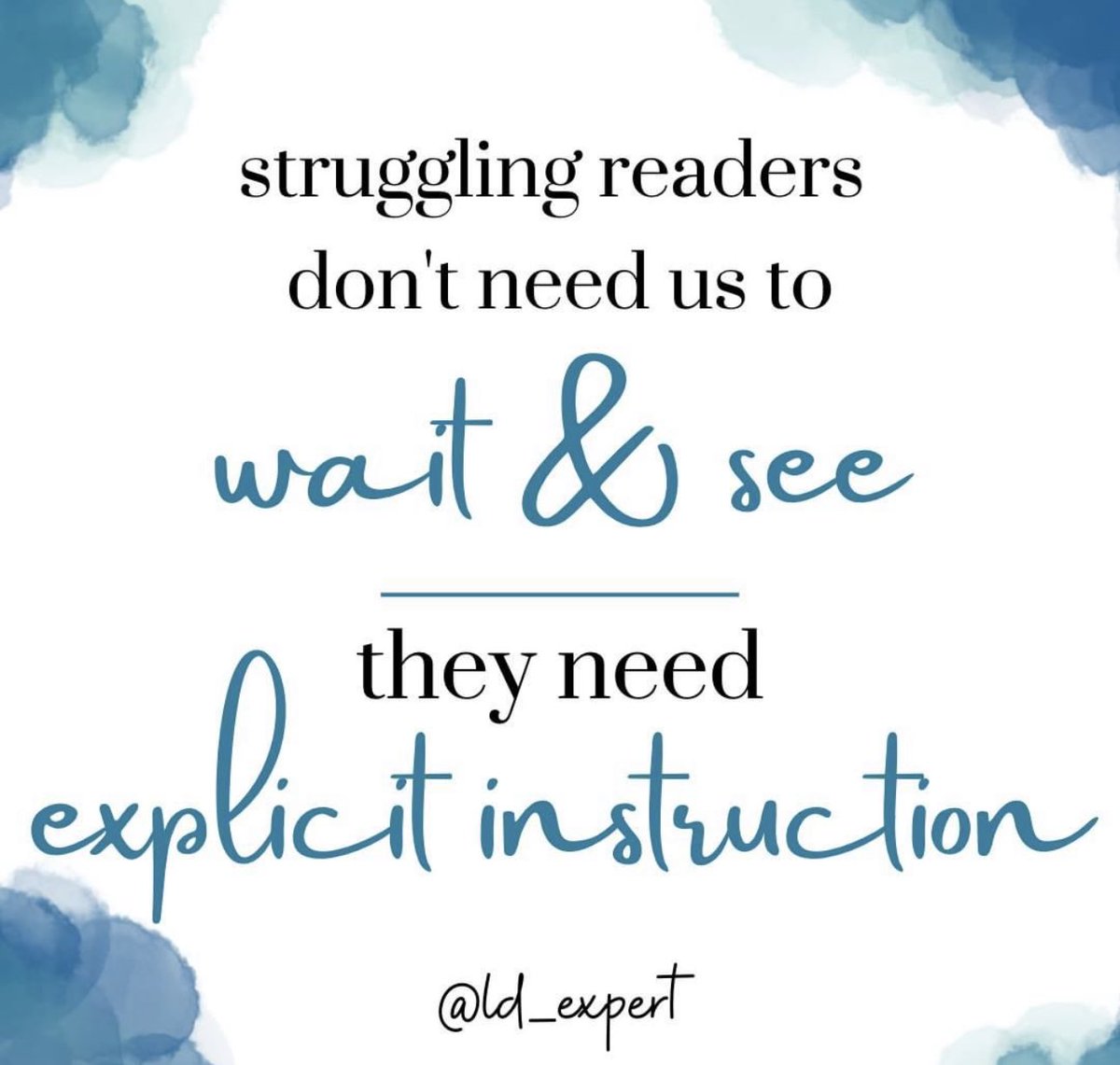
I don't know if these are hard numbers, but the idea is that different students need different exposure numbers or repetitions.
As someone who exclusively works with students with the most severe cases of reading weaknesses, I have observed that even within this cohort of kids the amount of repetition can vary greatly as their skill levels are not fixed and rather exist in a continuum of skills.
The key here is for us(teachers) to allow/afford students the number of practice opportunities they need to succeed in reading.
On today’s episode of things my students say:
We were all admiring a girl’s really cute bell bottoms.
6th grade boy: “Did you know people wore those in the 1900’s?”
1 of 8
I tutor students from 1st to 6th grade. They all have this in common:
-They all were taught in districts that use a balanced literacy approach.
-They all displayed weak phoneme-graphemes relationships, decoding, and PA skills.
-Guessing was their main decoding strategy.
Today, I was the recipient of a 590 award in Comal ISD. This award is pretty cool because someone nominated me. I was in shock when my name was called. Best part: the kids yelling “congrats!” To me the rest of the day. #comalisd
Today while interacting with one of my 6th grade dyslexia students in the hallway his buddy (that I don’t teach) said “you know Ms. Olson, you’re a real W teacher”.
In case you’re not up to speed on the slag, I’m a “winner” teacher.
I’ve never been more flattered.
Dear educators,
We’re in the home stretch. We got this.
I needed this message from the @SippelStallions choir. Shout out to Mr. Stanley for a great Choir and Orf concert!
🖤