🫀 T-TEER and TTVR may target different stages of TR progression. Findings support their complementary roles and raise questions about timing, selection and current practices in TTVI. Read more ⬇️
https://t.co/Kb9OR65TFf
#CJCO#OpenAccess
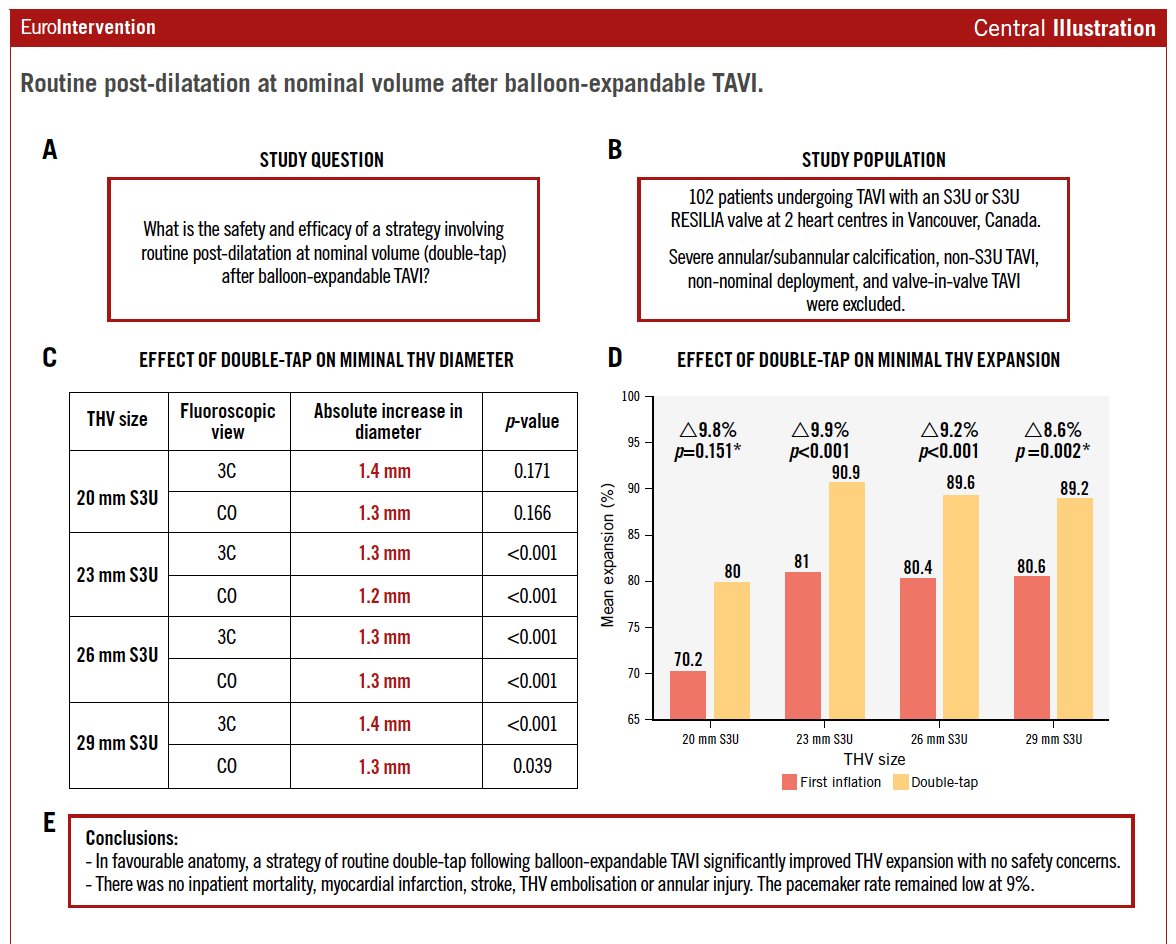
@didier_tchetche@EuroInterventio Yes, our recent publication in EuroIntervention confirms the double-tap concept and its safety; however, it is uncertain whether these findings can be directly applied to SEVs with the same level of safety as in BE THVs.
@6ayyeboon It appears that if the „first“ balloon was fully inflated then it was intentionally underfilled to allow implantation of a larger THV. However, the DT technique could be optimized, as the result resembles inflow flaring rather than true DT.
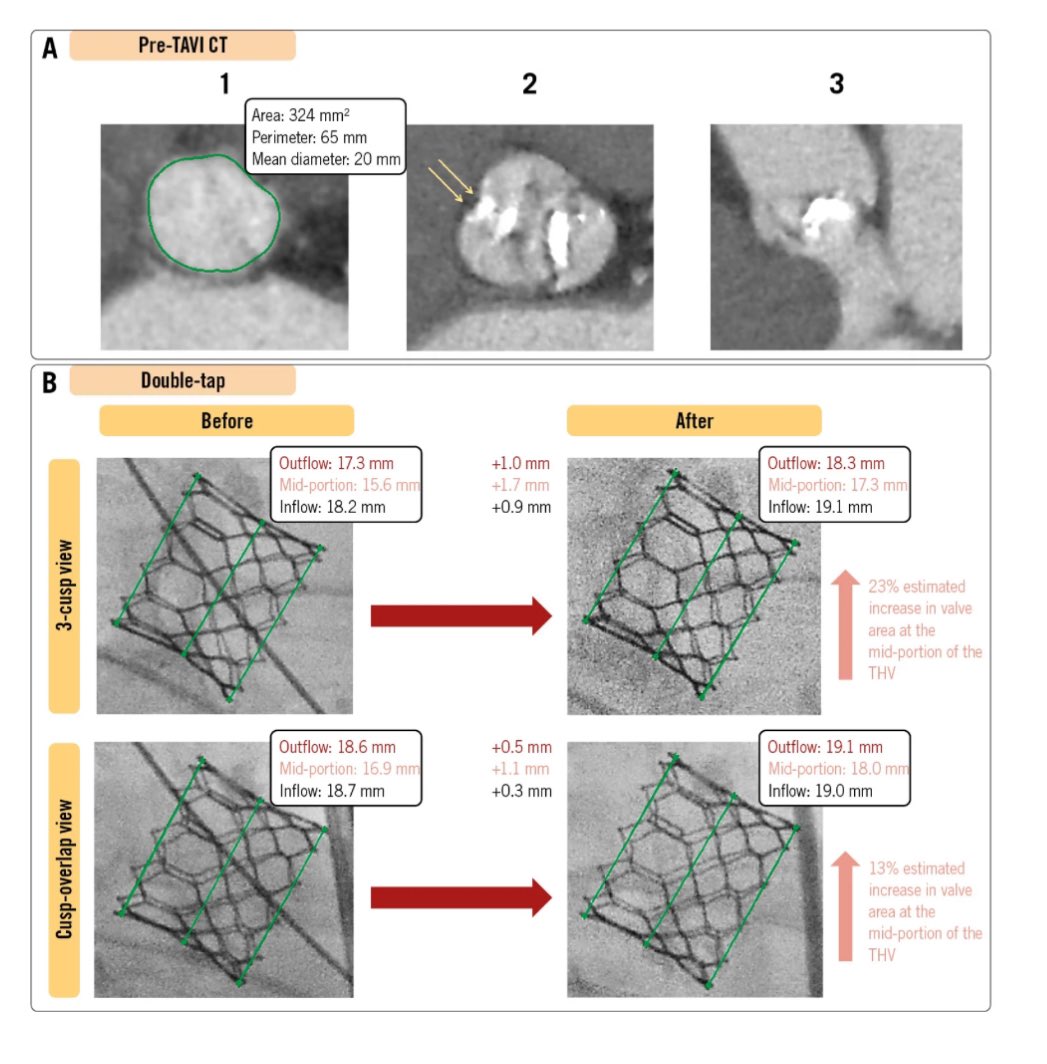
A strategy of routine postdilatation at nominal volume (double tap) post BE-TAVR resulted in improved THV expansion with no safety concerns! Our paper is now out @EuroInterventio
https://t.co/rLjG5xr914
📌 HALT after TAVI: variable response to DOACs
This case-based report highlights haemodynamic valve deterioration (HVD) linked to HALT, with heterogeneous outcomes to DOAC therapy. Warfarin may be more effective in selected cases. @AliSahebHusain
https://t.co/XIngieCkJV
#TAVI #HALT #DOACs #ValveThrombosis #Cardiology
Postdilatation using the same THV system balloon at the same volume (double tap) does work. Here, we highlight the potential benefit of the double tap technique to treat PVL and improve THV expansion in high-risk annuli. @EuroInterventio@escardio
https://t.co/kjxHshfxfN
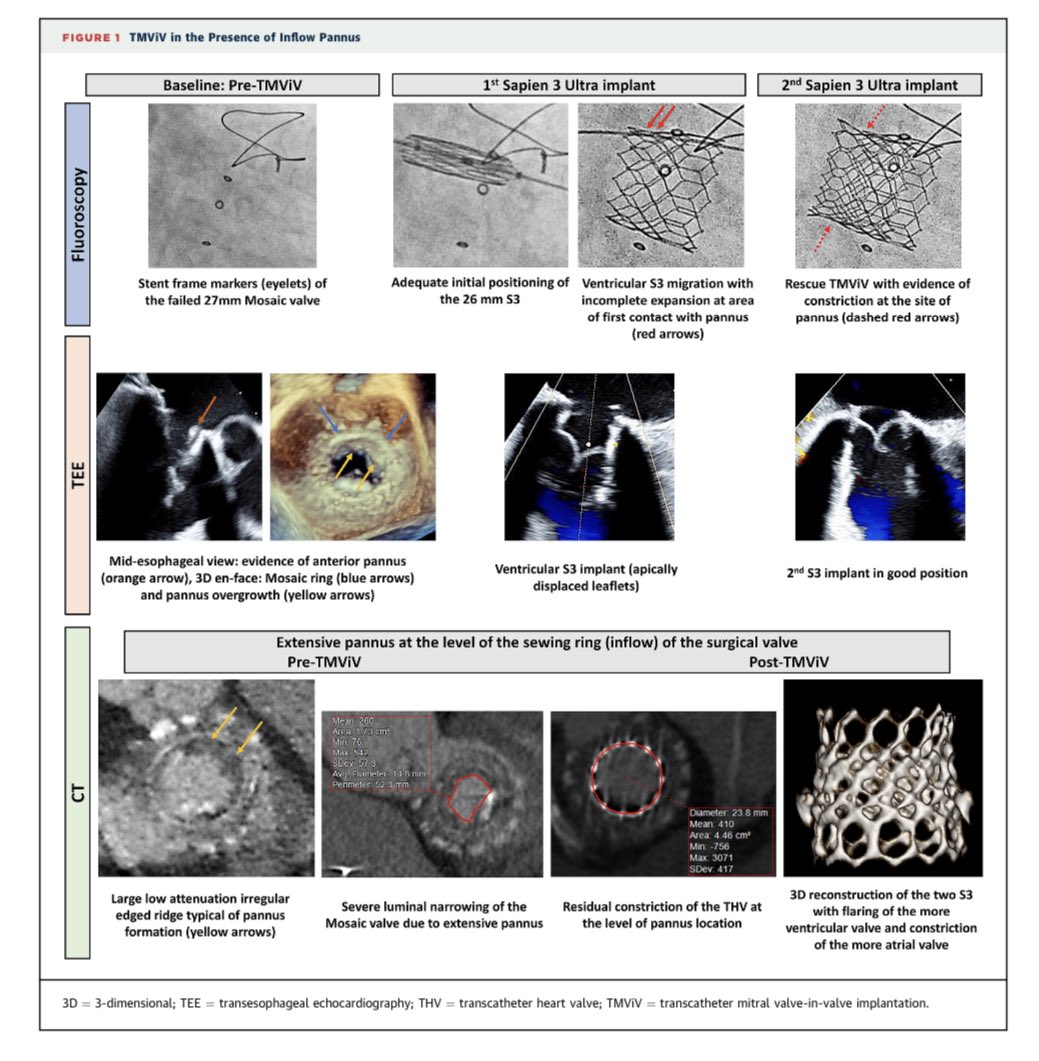
Take a peek at our first publication of the new year!
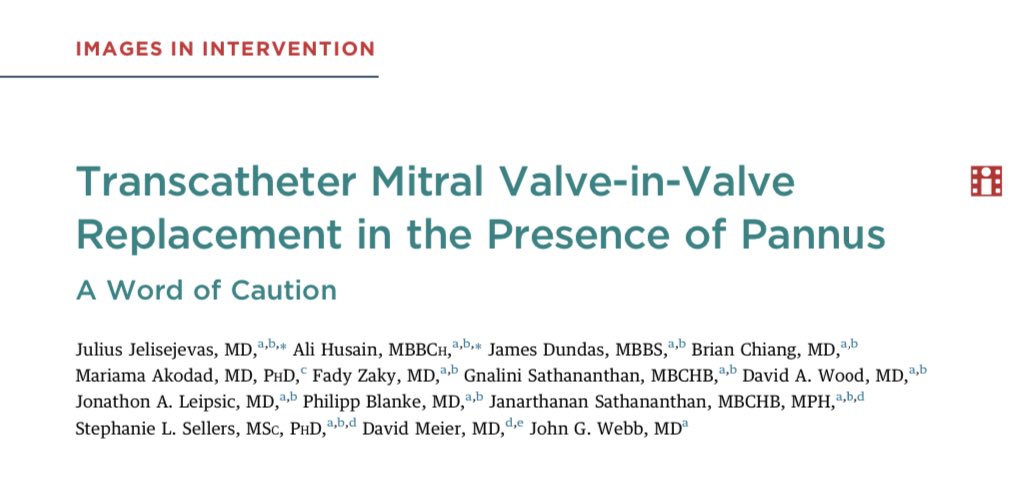
❗️ Pannus can pose challenges for TMViV procedures.
❗️“watermelon seeding” phenomenon.
❗️ In our case, THV migrated ventricularly.
❗️ Another THV deployed to prevent embolization.
https://t.co/SQ7fKglc8m
@JACCJournals
🫀 Balloon predilatation in older generations of #THV stent frames is important for addressing #PVL, given the limited stent frame compliance in the TAV-in-TAV setting. Read more ⬇️
https://t.co/LdLNQFK4Ea
@jonathonleipsic#TAV#CJCO#OpenAccess
This case highlights the challenges in the lifelong management of aortic valve disease, emphasizing the importance of optimizing aortic valve implantation during the index procedure to enhance redo options.
@EuroInterventio
https://t.co/hyH8Vrjeyd
DOI: 10.4244/EIJ-D-24-00871
72 with NSTEMI and new HF (EF20%). Low body weight (35kg). Severe calcific multivessel disease. Suboptimal ilieofem access. LVEDP 15 mmHg.
What’s your approach?
#CardioTwitter
Solution 💡
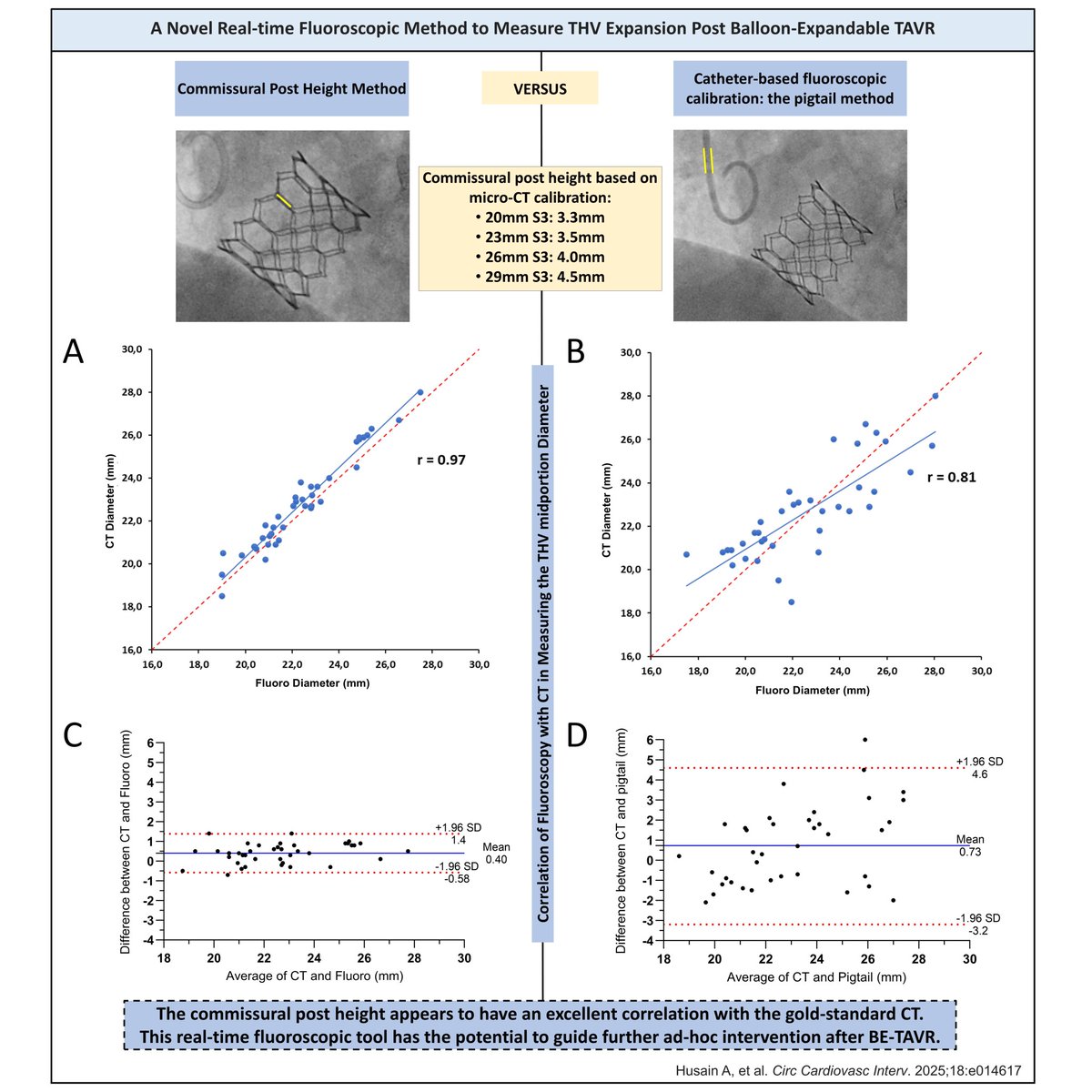
• The commissural post of the S3 is easily recognizable on fluoro, and its height is fixed and not altered by the degree of THV underexpansion.
• Height of the commissural post is pre identified using micro CT, and then used for fluoroscopic calibration.