Ada klub yang spending €50juta dapetnya winger segila Desire Doue
Ada klub yang spending €53juta dapetnya winger segila Michael Olise
Ada klub yang spending €60juta dapetnya winger segila Pedro Neto
Peanuts in Coke is one of the most accidentally perfect food pairings in history, and the chemistry explains why this guy can't go back.
Coca-Cola sits at pH 2.5, roughly the same acidity as stomach acid. When you drop roasted peanuts into that, the phosphoric acid partially denatures the surface proteins on the nut, releasing free glutamate. You're generating umami in real time inside the glass.
The salt on the peanuts suppresses bitter taste receptors on your tongue, which amplifies your perception of sweetness without adding a single gram of sugar. Coca-Cola already has 39g of sugar per can. Your brain registers it as even sweeter because the salt is clearing the noise from competing flavor signals.
Then carbonation does two things. CO2 dissolved in liquid forms carbonic acid, which triggers pain receptors (TRPA1), not taste receptors. That mild irritation resets your palate between sips so you never get flavor fatigue. Every sip hits like the first. Second, the bubbles physically agitate the peanut surface, accelerating the protein breakdown and glutamate release. The longer the peanuts sit, the more umami you extract.
The fat content seals it. Peanuts are 49% fat by weight. Fat is the only macronutrient that activates CD36 receptors, which your brain interprets as richness and satisfaction. Mix that with sugar, salt, acid, umami, and carbonation and you've accidentally triggered every major reward pathway in the human taste system simultaneously.
Georgia farmers in the 1920s did this because they needed one hand free while working. They stumbled into the optimal salt-acid-umami-fat-carbonation loop a century before food science could explain why it worked.
Suatu hari tiba² disuruh atasan ngerjain kerjaan random ke sebuah Dinas...
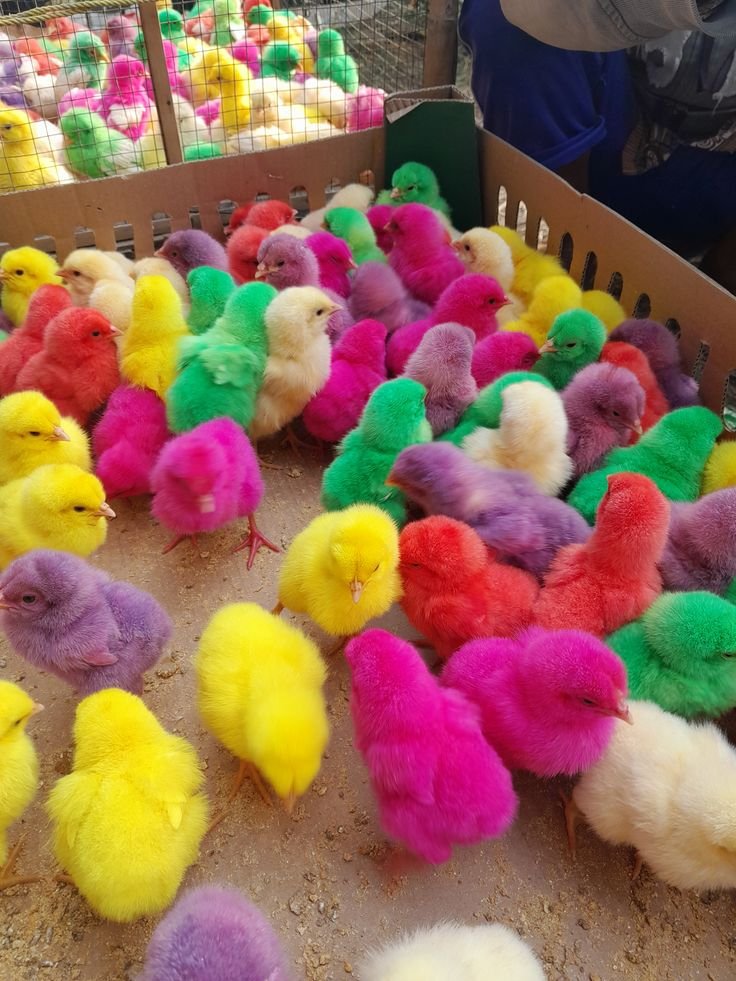
🐣: Permisi pak, saya disuruh mas Be*a nganter flashdisk
👨🦱: Sampean Sabil ya? Sini mas, ke ruang meeting
🐣: (waduh feeling ga enak…) nggih pak
👨🦱: Lha mas Be*a mana? Ini sampean yg presentasi ya?
🐣: (lah tenan😭) saya cuma disuruh nganter sama diskusi dikit pak…
👨🦱: Oalah… yaudah sekalian tak panggil yang lain ya
(singkat cerita, diskusi bareng)
👨🦱: Jadi ini kemarin problemnya hasil scan datanya jadi 150 ribu file PDF (90GB), tapi penamaannya kacau semua, direktorinya juga nyebar gak karuan, gak kebaca sistem, harus penamaan NIK
🐣: Iya pak, sudah saya rapikan semua sesuai database, monggo dicek
👨🦱: Loh… iya ini udah bener 😳 berapa hari ngerjainnya?
🐣: 3–4 hari pak
👨🦱: Cepet amat… sampean IT ya?
🐣: Bukan pak, admin 😅
👨🦱: Lah… kuliah IT?
🐣: Sistem Perkapalan pak… hehe
👨🦱: Lah kok nyasar 😭 terus ngerjainnya pake apa?
🐣: Excel pak 😁
👨🦱👨💼👨🔧: LAH EXCEL??
👨🦱: Itu tim arsip ngerjain lama gak kelar² loh mas 😐
👨🦱: Ini ada lagi problem JSON & query buat upload ke SANDIKA
🐣: (lihat bentar) oh ini bisa pak
👨🦱: Kira² berapa lama? Keburu lebaran gak?
🐣: Kirim aja format JSON dan QUERYnya pak, mungkin… beberapa jam selesai
👨🦱: Lah aku ngerjain satu-satu lama banget lho mas😑
🐣: hehehe 😄
The power of Excel (lagi) 🔥🔥🔥🔥
A bobby pin costs two cents. The labor to find it in a garment, bag it, write a bilingual note, and deliver it to your room costs maybe $4-5 in staff time.
That math looks insane until you zoom out.
Japan's hospitality philosophy has a name: omotenashi. It originates from the tea ceremony tradition of Sen no Rikyū in the 1500s. The core idea is anticipating a guest's needs without any expectation of return. No tipping culture. No service charge. The bobby pin gets returned because returning it is the standard, and the standard exists because every interaction is treated as a once-in-a-lifetime encounter.
The Japanese phrase is ichigo ichie: one time, one meeting. You will never serve this exact guest in this exact moment again. So the bobby pin matters.
Here's what that philosophy produces at national scale. Japan hit 42.7 million international visitors in 2025, up from 31.9 million pre-pandemic. Tourism spending reached $60 billion. The country ranked 3rd globally in travel competitiveness, highest in Asia. Repeat visit rates are so high that many travelers return within 1-3 years.
No marketing budget generates that kind of loyalty. A country where a hotel laundry worker bags a two-cent hair pin and writes you a thank-you note in two languages does.
Western hospitality optimizes for service metrics, tip incentives, and loyalty point programs. Japanese hospitality optimizes for the feeling you can't quite articulate when you get home, the one that makes you book the return flight six months later.
The bobby pin is the product.
@FabrizioRomano Paradise is back with Adjoa Tee
Ghanaians brought mahama back
Cancelo is going back to Barca
Ole is going back to Manchester United
Is this a sign to go back to my ex ?
Orang Indonesia suka pamer kenalan.
Ini karena:
> Business in Indo runs on gossip.
> Access to gossip is limited to ordal.
> Harus pamer kenalan biar diterima ordal.
People who often say “Gua baru ketemu X” are status-signaling.
They want to show that they're in the circle and know confidential information.
People who are not in the circle must network for access.
Main padel, ikut2 happy hour, etc -- semua jadi ritual to mingle with those in power.
In an opaque system, who > what you know.
Welcome to Indonesia.