there's one part of didit's stack i'd scrutinize before building anything serious on it
@getdidit charges $0.20 per aml check
that's the number worth pausing on before you integrate anything
aml data is not something you build you buy it world-check and dow jones risk and compliance are what banks and licensed
exchanges actually rely on the contracts are expensive the data costs what it costs because keeping sanctions lists accurate across every jurisdiction in real time is genuinely hard work
so when a company charges $0.20 per check against 10000+ datasets the question is not how many datasets its which ones
if didit is running against tier-one providers at that price they either negotiated serious bulk rates off the back of yc or are subsidizing early adoption if they're running against cheaper aggregators the hit rate on real sanctions targets may not hold under actual regulatory pressure
they don't publish their data vendor stack most early stage companies don't
for a side project or an early product that just needs a basic compliance layer $0.20 is more than fine for anything a regulator will actually look at a licensed
exchange a payment platform anything under fincen or amld this is the question you ask their team directly before you sign up
everything else about didit checks out the developer experience is clean the liveness detection is independently certified the pricing on the rest of the stack is genuinely disruptive
the aml piece is the one open question
worth knowing before you build on it
Most origin stories in tech are manufactured. Right place, right time, rewritten three times by a PR team until the whole thing sounds inevitable in hindsight
This one actually isn't
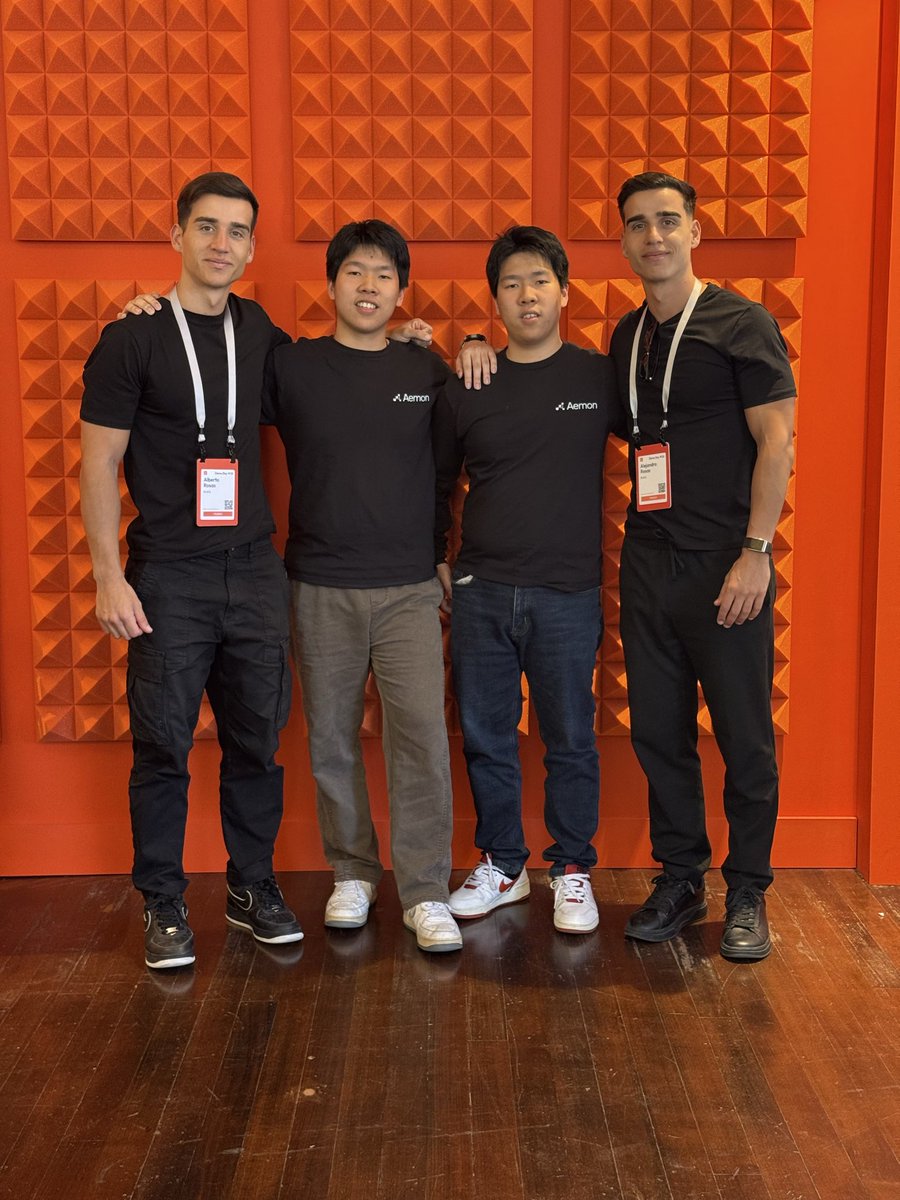
@albertorosasg and @_arosasg are identical twins from Barcelona
They grew up being mistaken for each other their whole lives same face, same voice, same everything.
They played professional tennis together then decide to look into AI and research together and from there they proceed to start building together
This led to some them looking at the identity infrastructure the internet runs on and saw exactly what was broken in it
Not because they'd read some market report. Because they had spent their entire lives as living proof that identity is genuinely hard
Two people with the same face, the same name, the same background and every system that was supposed to tell them apart was essentially guessing.
So they built @getdidit
One API for identity and fraud with full KYC at $0.33
Liveness detection built to hold up against current-generation deepfakes
A reusable identity layer so users verify once and carry that credential everywhere they go
The context matters here
AI just made impersonation cheap
A $20 tool now does what used to require thousands of dollars and real technical skill.
The attack surface didn't just grow it got handed to anyone who wanted it
That's a fundamentally different problem than what old identity infrastructure was built to handle, and most of that infrastructure hasn't caught up yet
Two people who spent their whole lives being mistaken for each other built the thing that makes that mistake technically impossible
$7.5M from YC and Robinhood Ventures suggests the gap they identified is real
The founder story behind Didit is not a marketing angle someone bolted on after the pitch deck It's where the whole idea came from
there's one part of didit's stack i'd scrutinize before building anything serious on it
@getdidit charges $0.20 per aml check
that's the number worth pausing on before you integrate anything
aml data is not something you build you buy it world-check and dow jones risk and compliance are what banks and licensed
exchanges actually rely on the contracts are expensive the data costs what it costs because keeping sanctions lists accurate across every jurisdiction in real time is genuinely hard work
so when a company charges $0.20 per check against 10000+ datasets the question is not how many datasets its which ones
if didit is running against tier-one providers at that price they either negotiated serious bulk rates off the back of yc or are subsidizing early adoption if they're running against cheaper aggregators the hit rate on real sanctions targets may not hold under actual regulatory pressure
they don't publish their data vendor stack most early stage companies don't
for a side project or an early product that just needs a basic compliance layer $0.20 is more than fine for anything a regulator will actually look at a licensed
exchange a payment platform anything under fincen or amld this is the question you ask their team directly before you sign up
everything else about didit checks out the developer experience is clean the liveness detection is independently certified the pricing on the rest of the stack is genuinely disruptive
the aml piece is the one open question
worth knowing before you build on it
Most origin stories in tech are manufactured. Right place, right time, rewritten three times by a PR team until the whole thing sounds inevitable in hindsight
This one actually isn't
@albertorosasg and @_arosasg are identical twins from Barcelona
They grew up being mistaken for each other their whole lives same face, same voice, same everything.
They played professional tennis together then decide to look into AI and research together and from there they proceed to start building together
This led to some them looking at the identity infrastructure the internet runs on and saw exactly what was broken in it
Not because they'd read some market report. Because they had spent their entire lives as living proof that identity is genuinely hard
Two people with the same face, the same name, the same background and every system that was supposed to tell them apart was essentially guessing.
So they built @getdidit
One API for identity and fraud with full KYC at $0.33
Liveness detection built to hold up against current-generation deepfakes
A reusable identity layer so users verify once and carry that credential everywhere they go
The context matters here
AI just made impersonation cheap
A $20 tool now does what used to require thousands of dollars and real technical skill.
The attack surface didn't just grow it got handed to anyone who wanted it
That's a fundamentally different problem than what old identity infrastructure was built to handle, and most of that infrastructure hasn't caught up yet
Two people who spent their whole lives being mistaken for each other built the thing that makes that mistake technically impossible
$7.5M from YC and Robinhood Ventures suggests the gap they identified is real
The founder story behind Didit is not a marketing angle someone bolted on after the pitch deck It's where the whole idea came from