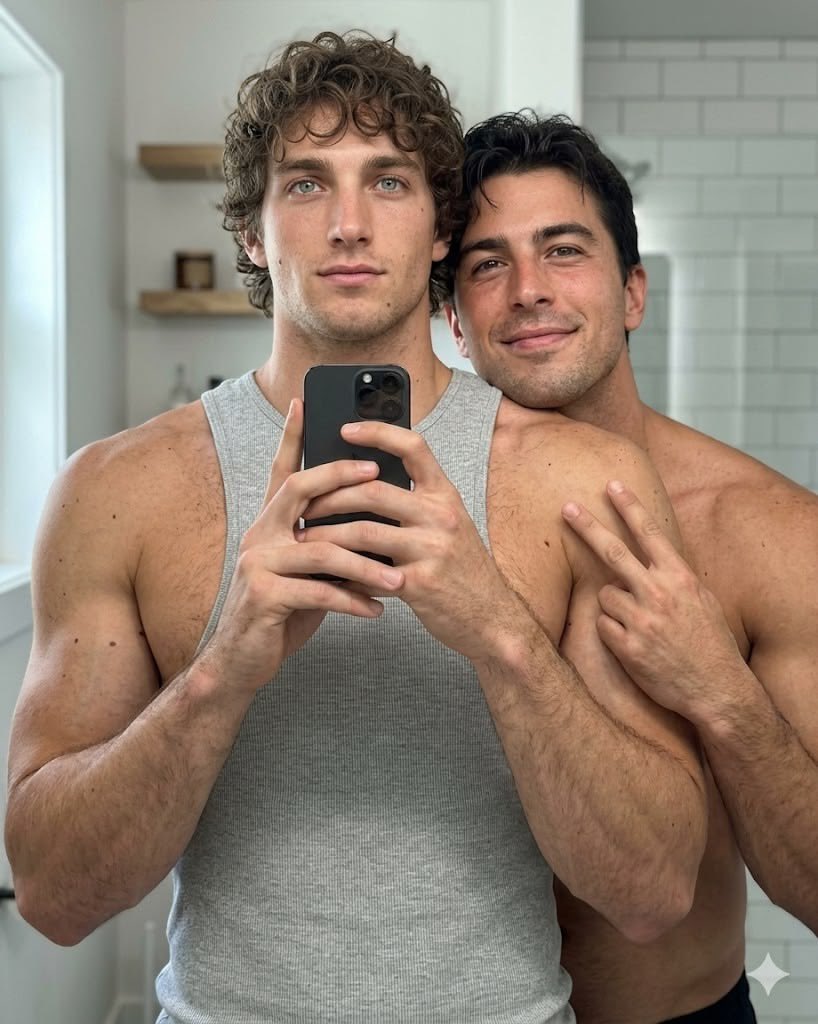
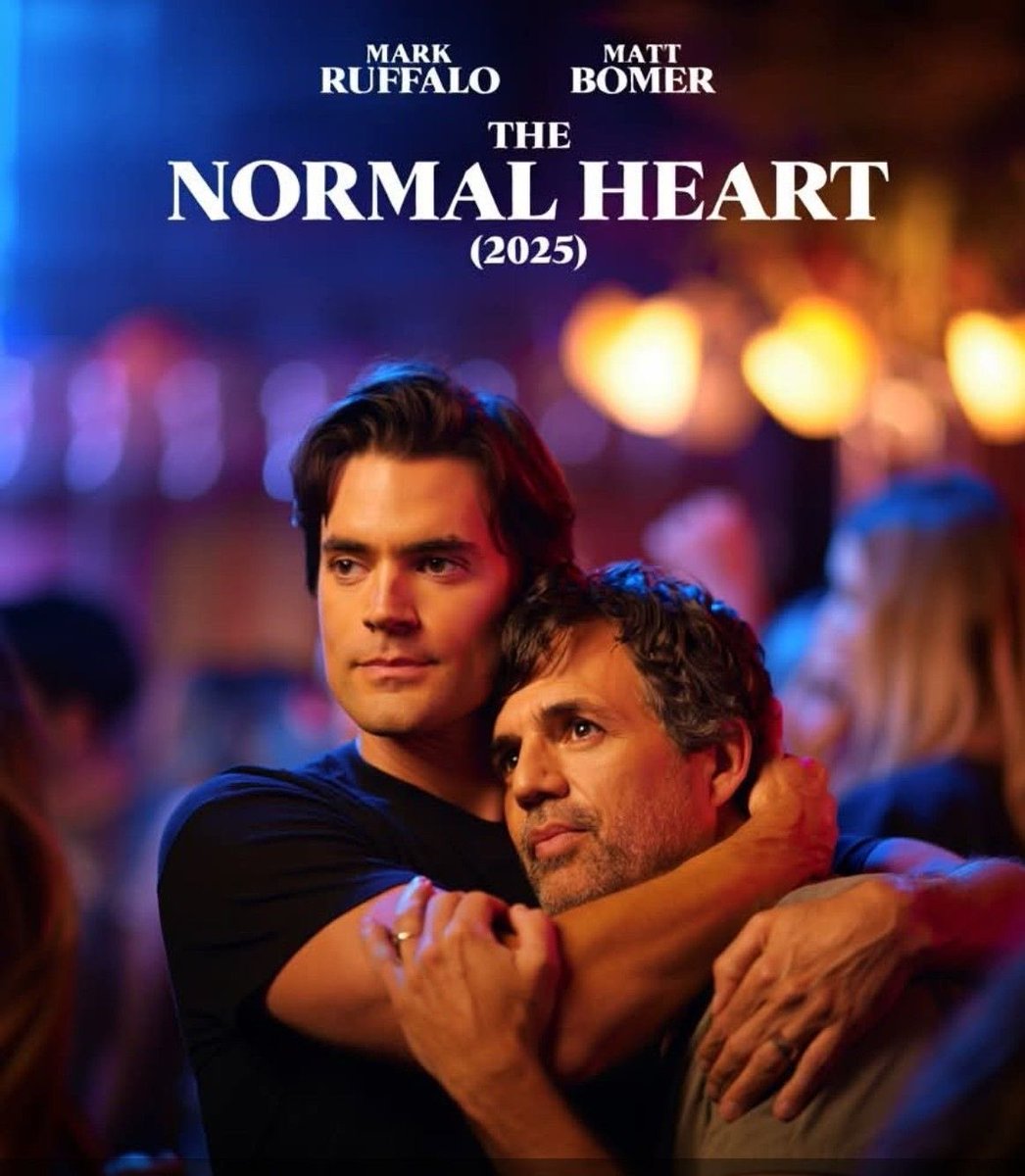
Most of the affection that lasts never needs an audience. The head just finds the shoulder and the hand stays. Everything else is optional. https://t.co/iZCgxA9xLI
Some people turn over looking for space. Others treat it as a challenge to close the gap again before the distance settles. The quiet negotiation never really stops, it just changes volume after the lights go out.
A straight actor hoping to share the screen with a gay Spider-Man is not the same thing as a studio writing one.
The quote is careful on purpose. Not Peter. A new character. Someday. That wording keeps the franchise untouched and still reads as progressive in a headline.
There’s a real split here. Some gay fans want the mask they already grew up with to belong to them. Others would rather have an original hero than spend a decade arguing over a retcon. Both positions get flattened into one rainbow graphic.
The part that ages badly is the timeline. “One day” is how Hollywood holds the slot without filling it. Ally quotes travel for years. Casting decisions do not.
A gay Spider-Man only counts when he has a name, a suit, and a release date. Until then it’s a press answer doing the work a character was supposed to do.
He checks the camera before he checks the man.
That order is the whole industry now.
The hug is real enough. The timing is the tell. Affection gets held until it can also be content, then released once the frame has what it needs.
A lot of gay couples learned this without meaning to. Private touch started paying once it was filmed, so the private version got shorter.
The man at the stove is doing a task that ends when the food is done. The man behind him is doing a task that ends when the clip is done.
One of those jobs keeps a household. The other keeps an audience.
People will still call this intimacy. Some of it is. The part aimed at the lens is a second relationship, and it eats first.
“Can be” is a permission slip, not a casting notice.
An actor who already played the part gets to float the idea after the films are done. The suit stays on him in the graphic. The gay version stays theoretical. That order is the whole industry habit.
Gay fans split on this harder than the headline admits. Some want Peter himself, because they grew up inside that story and are tired of being handed a spin-off. Others hear another straight man narrating a sexuality he does not have to live, date, or get typed for.
Both reactions are about ownership. Who gets to decide the character is available, and who actually has to show up if the answer is yes.
A franchise can survive the sentence. It has not had to survive the boyfriend, the kiss, or the actor who would make the subtext uneditable. Until one of those exists, the quote is doing publicity for a version of Spider-Man nobody has been hired to play.
Grey’s Anatomy is more than just a medical drama. It is a powerful story about life, love, loss, and the emotional struggles that people carry behind closed doors. At Grey Sloan Memorial Hospital, doctors face life-changing emergencies every day while trying to manage their own complicated lives.
At the center of the series is Meredith Grey, whose journey takes her from a young, uncertain intern to a skilled and respected surgeon. Alongside her, doctors like Miranda Bailey, Richard Webber, Amelia Shepherd, and Jo Wilson experience heartbreak, friendship, personal growth, and challenges that test their strength.
I didn’t choose to be difficult. I just stopped editing myself out of my own life.
Being gay isn’t a debate I’m available for. It’s who I want to come home to. The hard part was never the attraction. It was calculating which rooms were safe.
I’m past that. Some people left. A few stayed. None of it changed what I want.
If you’re still editing yourself: you don’t owe anyone a timeline. You owe yourself a life that doesn’t need a performance.
The quote got saved. The character did not.
That’s the gap gay audiences keep paying for. A straight lead can endorse the idea, pose next to a flag, and stay the face of the franchise. The gay version stays a suggestion with no actor, no arc, and no opening weekend.
“A new character” is also the safest sentence in that answer. It protects Peter. It protects the brand. It turns representation into an add-on instead of a rewrite, which is why it aged so well as a graphic and so badly as a promise.
Some fans heard solidarity. Others heard a man volunteering to share a screen he already owned. Both readings fit, and neither one cast anybody.
Seven years is long enough for a quote to become content. It is also long enough to notice who still has the mask.
Duncan James walked a red carpet with his boyfriend last night.
Attitude Awards. London. Alexander Roque beside him. The first time the pair have done it properly in public.
They met at Heathrow Terminal 5. Started talking. Got on. Now Roque is on the road with Blue, learning the choreography and the lyrics while James does the 25th anniversary shows.
That is the whole story and it is enough.
Gay relationships still get graded on how carefully they stay off the carpet. Keep it private and people invent a secret. Put it on the step-and-repeat and people call it a stunt. James has done both versions of the timeline already. This one looks like the version he actually wants.
Roque is a Brazilian performer who has toured with a male stripper troupe. James is the Blue member every gay man of a certain age already claimed. The gap is part of the charm. Different rooms. Same decision to stand next to each other under lights that do not care about the group chat.
Some couples debut with a soft post and a holiday photo. These two waited for an awards night and a shared microphone.
That is not a flex. It is a choice about where the relationship is allowed to exist.
Blue still has dates left. Roque already knows the words.
The carpet was just the first room that required both of them at once.
“Fearlessly femme” is doing a lot of work in that headline.
Studios still treat femininity as the shortcut that makes a gay man legible. A ruffle, a pose, a quote about identity, and the audience is not asked to notice anything else. Masculine gay men disappear in that frame. So do the ones who are femme on Tuesday and not on Friday.
There’s a fight inside the community that the graphic skips. Some gay men want a hero who looks like the version of them that already gets read as straight. Others are tired of every queer character being softened until he photographs well in a press release. Both can be true without either one owning the mask.
A comic announcement is also not a role. Characters get unveiled all the time. Very few of them get a budget, a trailer, or a name casual audiences remember.
Femme is not the problem. Using it as the only proof of gayness is. A Spider-Man can wear the collar. He still has to survive the edit.
A straight actor hoping to share the screen with a gay Spider-Man is not the same thing as a studio writing one.
The quote is careful on purpose. Not Peter. A new character. Someday. That wording keeps the franchise untouched and still reads as progressive in a headline.
There’s a real split here. Some gay fans want the mask they already grew up with to belong to them. Others would rather have an original hero than spend a decade arguing over a retcon. Both positions get flattened into one rainbow graphic.
The part that ages badly is the timeline. “One day” is how Hollywood holds the slot without filling it. Ally quotes travel for years. Casting decisions do not.
A gay Spider-Man only counts when he has a name, a suit, and a release date. Until then it’s a press answer doing the work a character was supposed to do.
Celebrity Traitors is already lying to Britain.
Series 2 started October 1 on BBC One. Claudia Winkleman at the table. An eclectic cast. Bella Ramsey is in it. The game is the same. Find the traitor. Smile while you do it.
The civilian version asked whether ordinary people would betray each other for money. This one asks whether famous people can stand being suspected in public.
Gay audiences know that second feeling. The room decides who you are before you speak. You spend the night managing the story.
Winkleman hosts it like a dinner that got out of hand. That is the British cousin of Cumming’s castle. Less tartan. Same pleasure in watching someone flinch.
Ramsey walking into a format built on suspicion is the part worth watching. A young queer actor who has already been discussed to death, now in a game where discussion is the weapon.
Some contestants will play for the laugh. Some will play not to be the clip.
Both are familiar.
If you liked the Scottish version, this is the one where the celebrities have to sit in the mess they usually leave for other people. BBC has it. The round table does not care about your brand.
Jonathan Bailey is Dracula now, and you only get his voice.
Audible’s full-cast adaptation dropped October 1. Mary Lambert directed it. Ella Purnell, Aimee Lou Wood, Maggie Gyllenhaal as Van Helsing. Bailey as the count. About six hours. QNews wrote it up today because ten seconds of the promo was already enough.
That tracks.
Bailey has spent the last year being cast as the man the room notices. Bridgerton. Wicked. The interview circuit. Dracula is the role that admits the noticing was the point. Seduction with manners. Hunger in a good coat.
Gay audiences have been doing this reading since the book. The count arrives, the household tilts, nobody can explain the dreams. An out actor in the part does not invent the subtext. He stops pretending it was an accident.
You will not see the face. That might be the smart version. Imagination has always been crueller than a costume.
Spooky season has enough slashers. This one asks you to lie still and let a familiar voice do the work.
If you already replay his interviews, you know how this ends. You press play anyway.