We sent a forward-deployed AI engineer to prison.
He’s not a criminal - he’s been creating tools that are massively saving staff time, making things safer for everyone. Now they’re being rolled out across the Prison Service.
This is exactly the type of work the No10 Innovation Fellows were designed to deliver - helping us to move fast and fix things.
New look. Same mission. 🚀
We've reimagined our site to be a more accessible, transparent, and functional home for our work and the future of justice.
Explore our latest product showcase and success stories here: https://t.co/qdjGbtGic1
This week, something we built in a hackathon went into production within days.
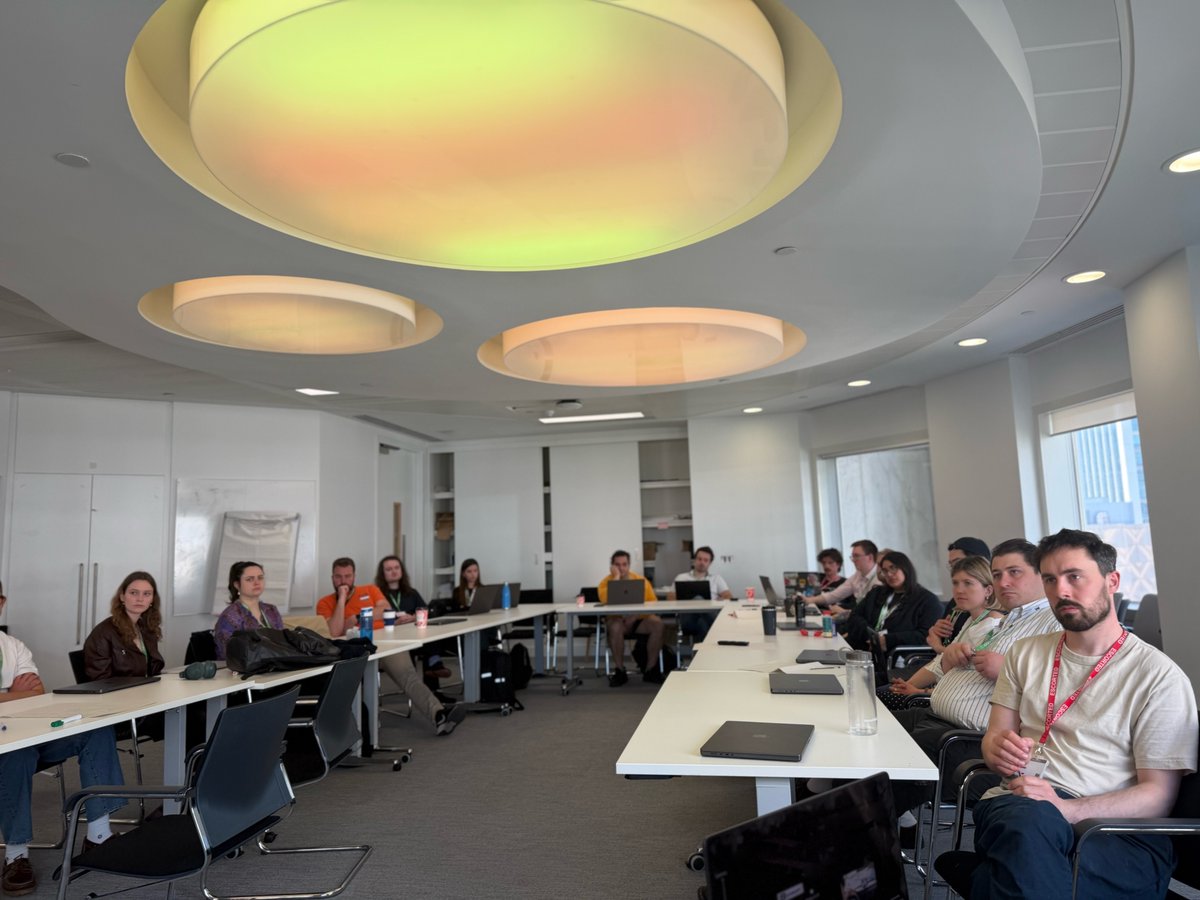
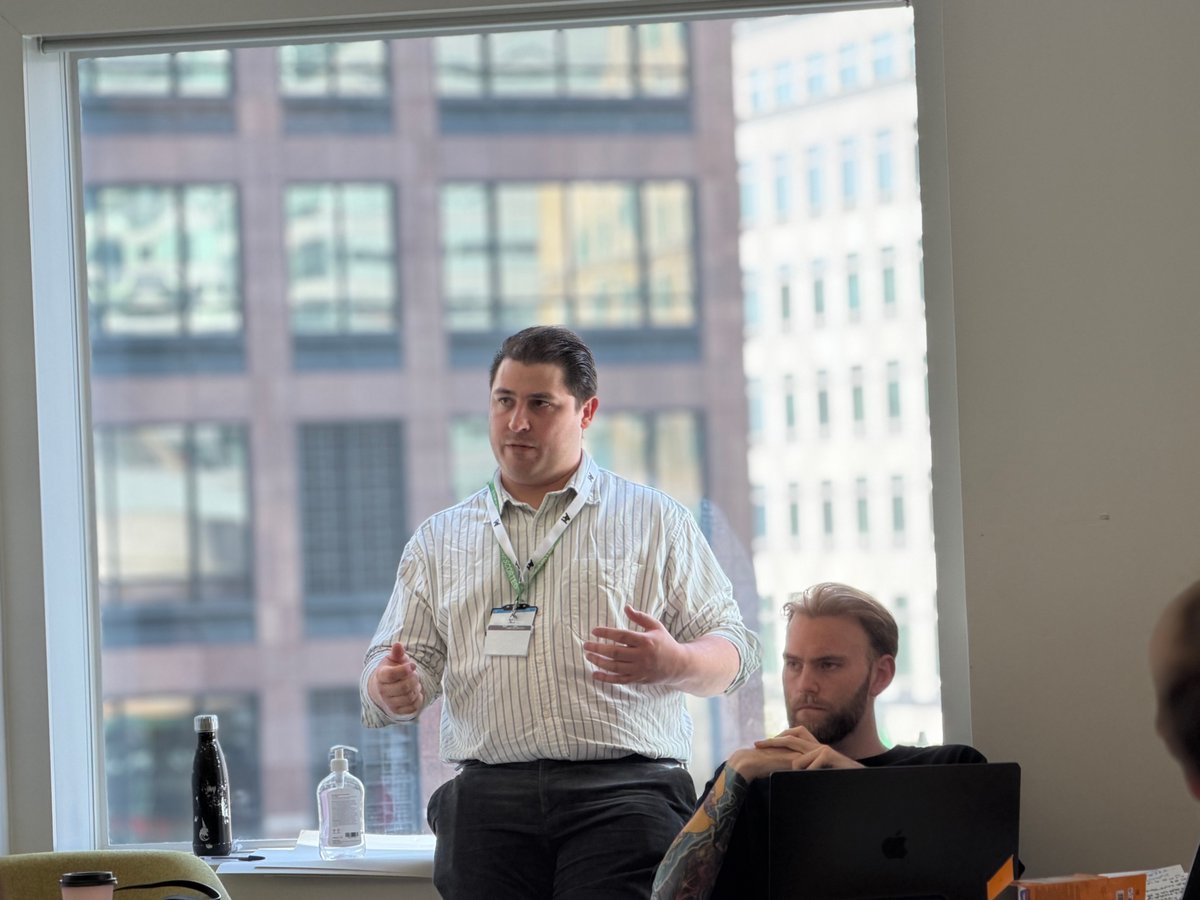
On Wednesday, we ran our first hackathon for engineers on the team. Five teams built and presented five unique solutions to make our lives as engineers easier, with technical talks throughout.
One output from the day is the new Engineering Transcribe product. It lets engineers go from unstructured meetings to GitHub PRs, management tickets and Slack notifications automatically. This product is now in production for two separate products within the Justice AI Unit, and we are looking to scale across our teams over the coming weeks.
Giving engineers the bandwidth and space to experiment is critical to the team's success, and, as an FDE, this is something we prioritise.
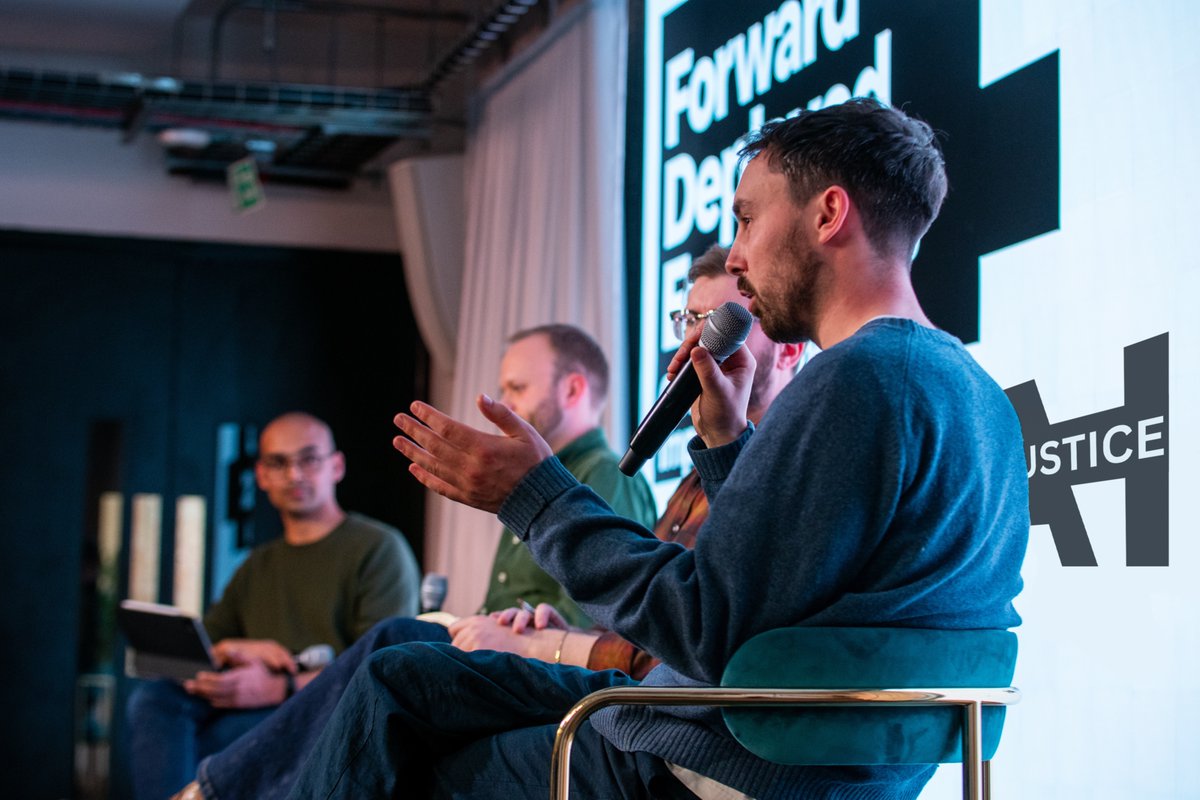
What does a Forward Deployed Engineer do inside government?
In our recent blog, Francis talks about his first six months at the Justice AI Unit. Building in prisons, shipping fast, and why the model works.
We're now hiring for FDEs. If this sounds like your kind of role, we want to hear from you.
Just over a year ago, the @justiceaiunit was essentially… me.
Today it’s a team scaling AI products across the @MoJGovUK.
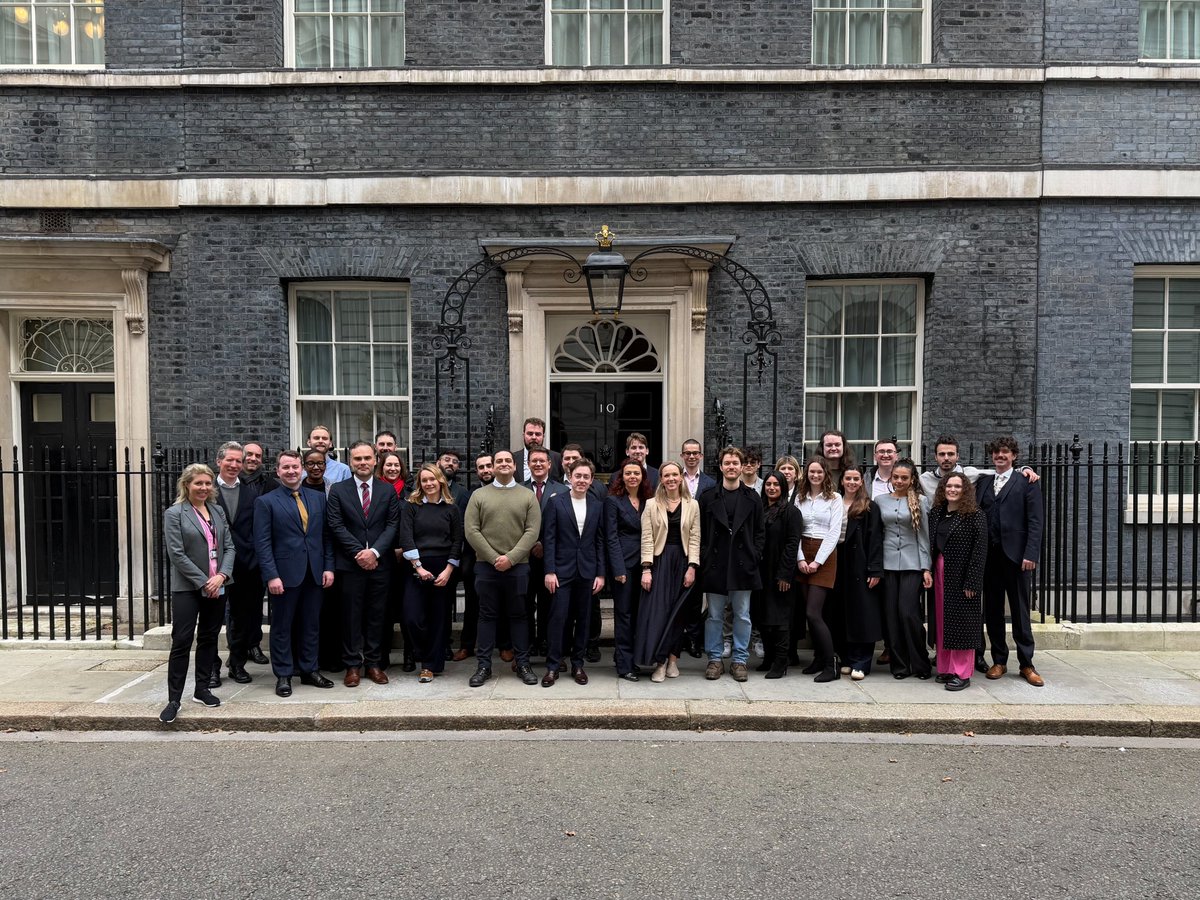
Last week we stood outside the front door of No10 and took a moment to realise how far things have come.
The bet was simple: government teams can operate differently. There is no reason we can’t create teams that are small, fast-moving, and unashamed to aim high.
Over the past year, we’ve put that into practice.
We’ve already shipped AI tools at scale that users are often surprised to find just work. They’re saving hundreds of thousands of hours of administrative work, freeing up that time to be reinvested in better decisions, public safety, and giving people a real chance to turn their lives around.
They say you should hire people better than you. That’s exactly what happened here.
A huge amount of credit goes to Megan Lee-Devlin, who gave me the backing to build this properly from the start.
What I’m most proud of isn’t the technology, but rather the people.
People who could be building anywhere, choosing to take on some of the hardest problems in public services.
We’re continuing to grow the team – carefully.
If you’re high agency and want to build technology that actually works in government, reach out.
‘The government’s approach to modelling of the impact of the [courts] reforms is sound.’
Delighted to see from the Institute for Government (IfG) after reviewing our courts reform package 👇
Check out our modelling here ➡️ https://t.co/ZYmikzhbDj