This is an astonishing sequence of events and is consistent with the video seen earlier this week.
Key take aways:
1. Pilots had little experience on type.
2. Speed brake not deployed. This dumps lift and makes braking more effective.
3. Reversers not used.
4. A decision to go around was made whilst on runway.
5. Above decision was reversed and sealed their fate.
These facts paint a very confusing picture of what was happening on this flight deck. Every approach we brief a plan A, which is obviously to land and stop. But we also set some very clear bottom lines, those that must be met to assure a safe landing. These are decided at a period of low workload, often some distance from the airfield. The time to set these is not when you’re working hard to get the jet down. This is where your capacity is limited and having these bottom lines is key to a safe outcome.
Setting these empowers either pilot to call a go around if these aren’t met. The pilot monitoring should never be thinking “what’s going on now?”.
This account paints a picture of chaos and indecision, especially the TOGA power, then idle. 😬
The National Transportation Safety Board said on Tuesday that evidence recovered from the Amazon Prime Air 767 flight data recorder suggested the pilots considered aborting the landing after the aircraft touched down.
The NTSB said 30 seconds before the end of the flight data recording, the nose landing gear and right main landing gear touched down on the runway at a speed of 158 knots (181 mph), while 19 seconds before the end of the recording, the left main landing gear touched down at a speed of 134 knots.
A few seconds later, the brakes were released and the throttles were increased to values consistent with go-around thrust, indicating a late attempt to abort the landing and get back in the air.
But 11 seconds before the end of the recording, throttles were reduced to idle power and brakes were reapplied. The final ground speed was 65 knots at the end of the recording.
The NTSB said there was no indication in the recorded data that speed brakes or thrust reversers were deployed to help slow the plane.
NTSB Chair Jennifer Homendy told reporters that investigators would interview both of the pilots on Wednesday and then release details from the cockpit voice recorder.
Homendy is leading a team of 32 investigators at Miami International Airport. She said the NTSB was able to release one of two runways closed since the accident to allow for departures from an easterly direction late on Tuesday.
The Amazon cargo plane was on its third flight of the day, coming from San Juan, Puerto Rico. It had flown from Cincinnati to Miami and from Miami to San Juan earlier on Sunday before the crash at 1:53 p.m. EDT (1753 GMT).
The captain, 55, received his type rating for the 767 in May and has 7,145 hours of flight time, while the first officer, 37, received his type rating on the 767 in April 2025 and has 2,655 flying hours, the NTSB said.
It is with deep sorrow that, on behalf of Pauline’s family, she has sadly passed away. She was extremely strong and we are so proud of her for fighting as hard as she did. Everyone truly loved Pauline, she meant the world to us and to many others. With much love, Pauline’s family
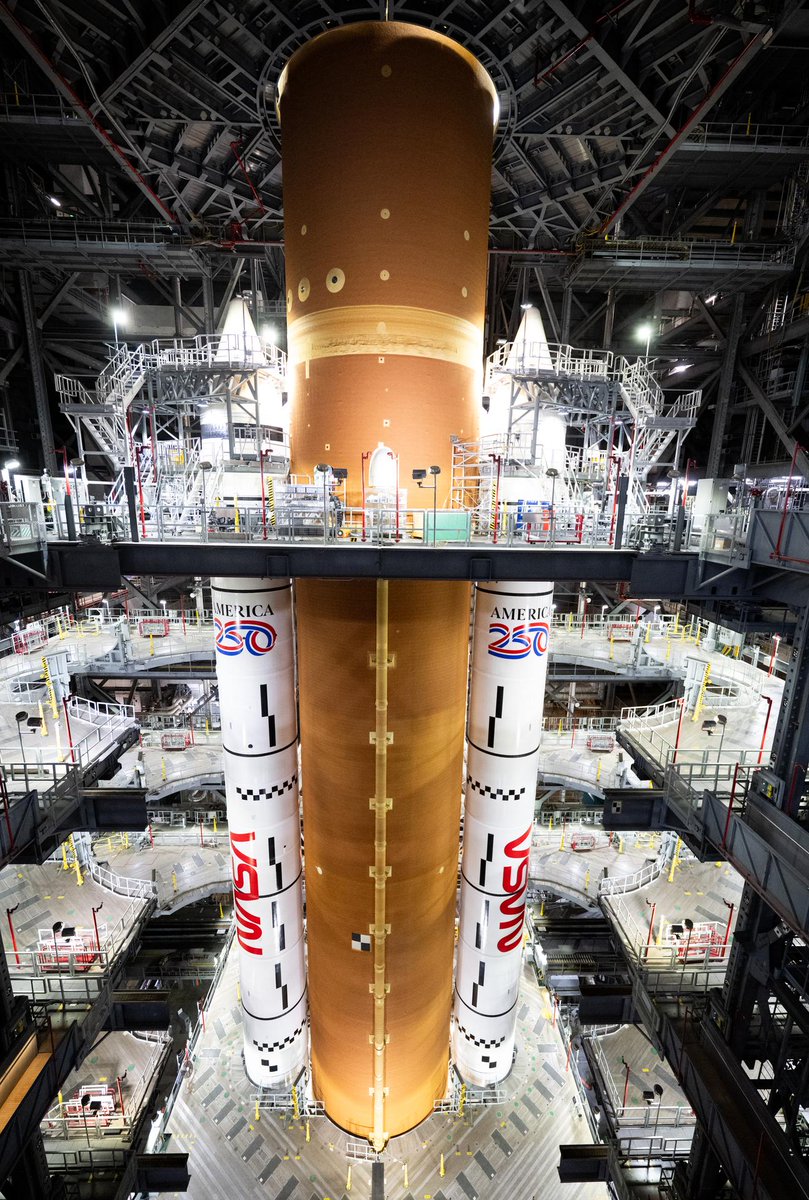
The Moon is calling! 🚀
Inside the Vehicle Assembly Building at @NASAKennedy, some of the retractable platforms have been pulled away from the SLS and Orion spacecraft, marking a major milestone on the road to launch.
Artemis II is one step closer to liftoff.
From the bottom of my heart, thank you to the club and to all the fans for the love, respect and support shown during this incredibly difficult time. Your messages and gestures have meant more than words can express 🤍