Another utterly enchanting performance from brilliant community theatre company @red_rose_chain - Midsummer is so much better with their annual outdoor theatre at @NT_SuttonHoo - go see this if you can; you’ll be charmed.
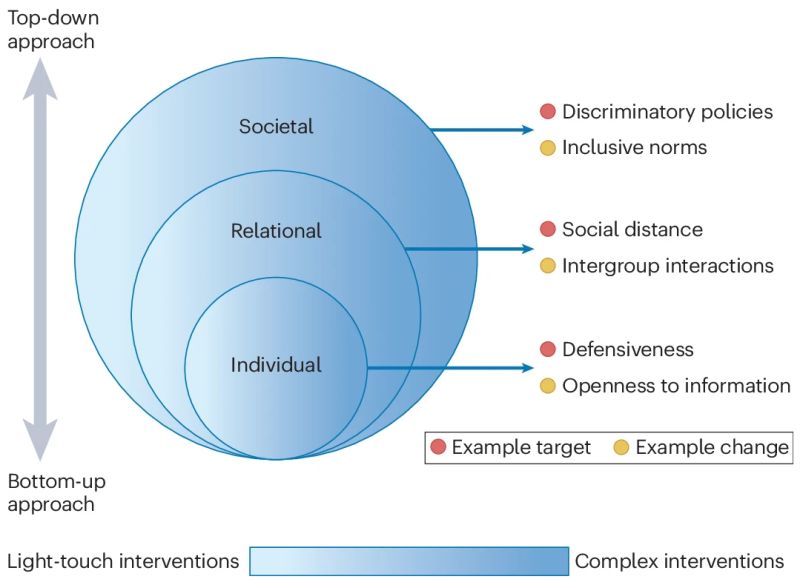
Intergroup conflict erodes trust and cooperation at both the individual and societal levels, hinders effective societal functioning and threatens the well-being of individuals.
This new paper describes the critical features necessary for successful intergroup interventions. Specifically, they consider the importance of identifying meaningful intervention goals (what), crucial characteristics of intervention recipients (who) and key contextual features (where) for optimizing interventions.
A huge challenge is motivation: many people are often reluctant to engage in intergroup interventions and to change their deeply ingrained worldviews and perspectives. I see this all the time. We don't want to engage with people different than ourselves.
Therefore, intergroup interventions that accentuate a value important to individuals and provide people with a sense of positive identity and worth might be effective in contexts where an individual’s positive identity is threatened.
Read the full article here: https://t.co/lTU2dKHvis
“If Roe v. Wade can fall, anything can fall. Social Security can fall. Medicare can fall. Voting rights can fall. And God help us all, but democracy itself can fall,” says Democratic House Minority Leader Hakeem Jeffries.
Calling people "toxic" is rarely helpful. It focuses on their impact instead of their actions.
Toxicity comes in 5 flavors: disrespectful, dishonest, cutthroat, exclusionary, and abusive.
A good warning pinpoints patterns of behavior that are problematic and persistent.
https://t.co/Hu8ipGpHbr
https://t.co/fIidN9D3tU
The person who talks the most is the most likely to become the leader.
Regardless of intelligence and expertise, groups elevate those who command the most airtime.
It's time to stop rewarding people for dominating the discussion, and start valuing quality over quantity.
A sign of emotional intelligence is refusing to let feelings dictate decisions.
Feelings are electrical signals in the brain. We don't choose every sensation, but we are responsible for how we react.
Emotions are rarely calls to action. They're usually cause for reflection.
https://t.co/qEUjMN0b1Z
The core question of identity is not who others think you should be. It's who you aspire to be.
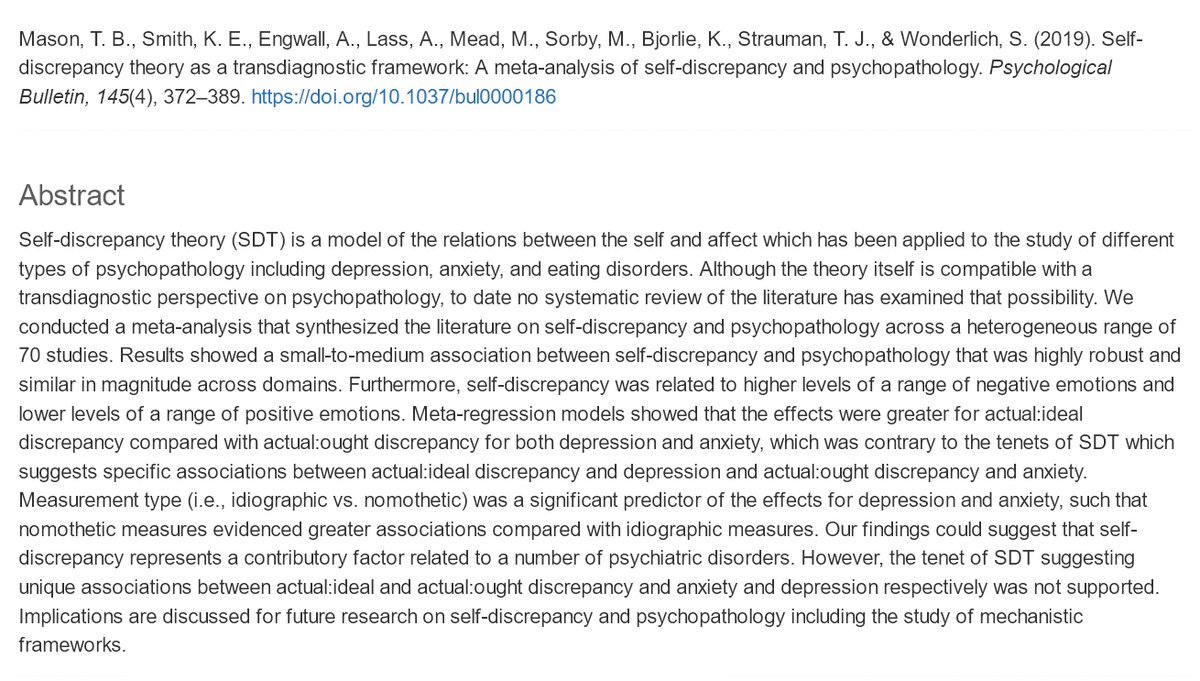
70 studies: Mental health depends more on living up to your ideals than to others' expectations.
Closing the gap between your actions and your values is a source of well-being.
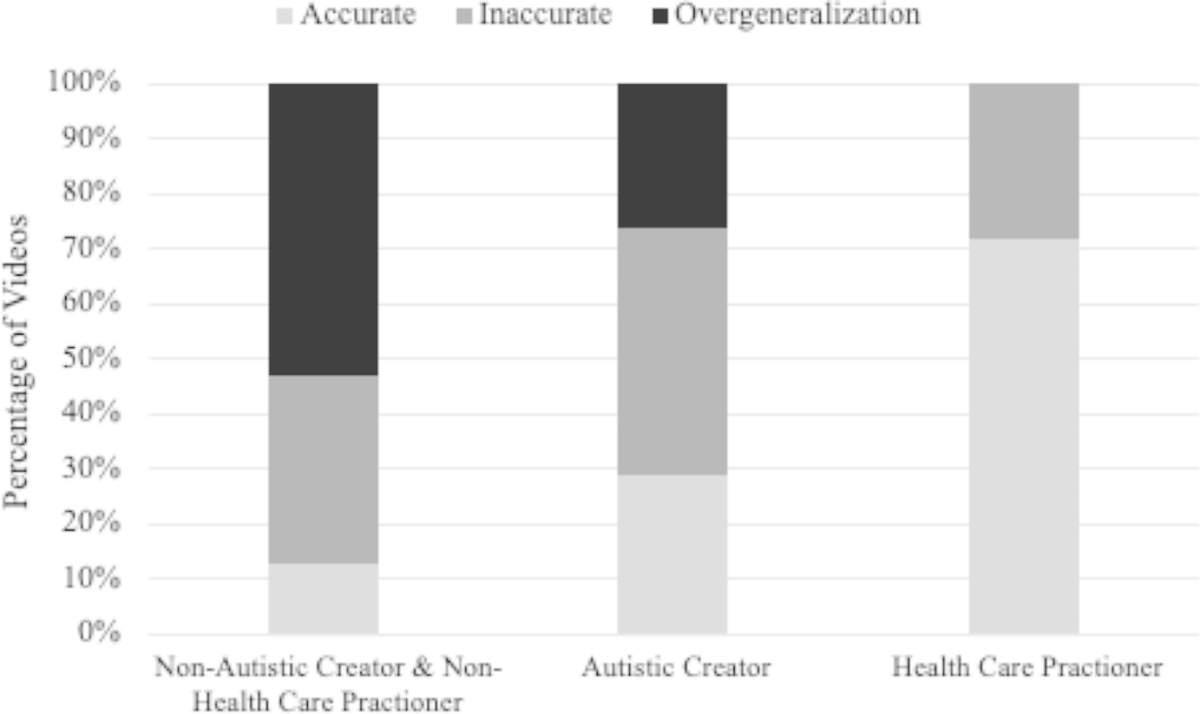
Is @tiktok_us a reliable source of health information? No. This study of autism videos finds that 73% were inaccurate or overgeneralized, especially videos by creators who weren't autistic or health care practitioners. (📄 https://t.co/9zTPaopeTf)