📢 OFFICIAL ANNOUNCEMENT TO ALL JUJU PUNTER FOLLOWERS
Dear Juju Punter Family,
We have an important announcement to make.
The Juju Punter account has officially been transferred to new ownership and will now operate under a new name — JUWISE GAMES. ⚽🔥
We know many of you have been part of the Juju Punter journey for a long time, and we truly appreciate your loyalty, support, and trust.
But this is not the end of the Juju Punter vibes. 🦍🔥
We are bringing that same energy, passion, football analysis, winning mentality and entertainment into JUWISE GAMES — with even more content, fresh ideas and bigger plans.
⚽ Football predictions & analysis
📊 Daily tips & selections
🔥 The Juju Punter vibes you already know
🚀 New content and opportunities
Our goal is simple: to give you consistent, quality football analysis and selections that you can follow every day.
We cannot promise that every prediction will win — football is unpredictable — but we can promise to put in the work, provide quality analysis and keep improving our selections.
Juju Punter may have changed its name, but the spirit remains.
Welcome to the new era.
JUWISE GAMES — NEW NAME, SAME ENERGY, BIGGER VISION. 🦍⚽🔥
Stay with us. The journey continues. ❤️
Episode 8: How to Identify a Potential Rug 🕵️♂️
Imagine you and your friends create a lemonade stand. Everyone puts money into it because you promise to keep selling lemonade.
But one day, the person who controls the money takes all the money and runs away.
That’s basically what a rug pull is in crypto.
A rug happens when the people behind a token suddenly take the money/liquidity or dump their tokens, leaving everyone else with a coin that is worth almost nothing.
🔍 5 things to check before buying
1. Check the liquidity 💧
Liquidity is the money available for people to buy and sell the token.
If liquidity is very small or can easily be removed, that’s a big warning sign.
Think:
“Can the developer take the money and leave?”
⸻
2. Check the developer’s wallet 👨💻
Look at what the developer is doing with their tokens.
🚩 If they are sending large amounts to exchanges or other wallets and selling, be careful.
🚩 If the wallet has a history of launching tokens and abandoning them, that’s another warning.
⸻
3. Check the top holders 🐋
Imagine 100 people have sweets, but one person owns 70 sweets.
That person could sell everything at once and crash the price.
Crypto works similarly.
If a few wallets control a huge percentage of the supply, the token can be risky.
⸻
4. Check the token contract 📜
Some tokens have dangerous rules hidden inside the contract.
For example:
* Developer can mint unlimited tokens
* Developer can freeze trading
* Only certain wallets can sell
* Developer can change important settings
You don’t need to understand every line of code. Use reputable token-analysis tools to check whether these permissions exist.
⸻
5. Watch what the team is doing 🚨
Don’t just listen to what they say.
Look at their actions.
🚩 Anonymous team with no history
🚩 Fake-looking followers
🚩 Promises of guaranteed profits
🚩 Constant pressure to buy immediately
🚩 Developer wallets moving strangely
🚩 Liquidity that isn’t locked or otherwise secured
🚩 Team suddenly disappearing
One red flag doesn’t automatically mean rug. You’re looking for multiple warning signs together.
🧠 The simple rule
Before buying a new token, ask:
“If the developer wanted to destroy this project today, could they?”
If the answer is yes, find out exactly how and how much damage they could cause.
Episode 8 takeaway:
Don’t just ask, “Can this coin go up?” Ask, “Can the people behind it pull the rug from under me?”
Episode 7: How to Research a Developer Wallet 🔍👛
Imagine you’re buying a toy from a shop, but you want to make sure the shop owner isn’t planning to take your money and disappear.
That’s basically what checking a developer wallet is in crypto.
A developer wallet is a crypto wallet controlled by the person or team that created the token.
Before buying, you want to ask:
1. Who owns the wallet? 👤
Find the developer’s wallet address.
Think of the wallet address like their bank account number.
You can paste it into a blockchain explorer like Solscan or Etherscan and see what it has been doing.
2. How much of the token do they own? 🪙
If the developer owns 40% of the entire supply, that’s something you should pay attention to.
Why?
Because if they suddenly sell a huge amount, the token price could crash.
But if they own a small amount, that doesn’t automatically mean the token is safe either.
Don’t judge from one number alone.
3. What did they do with their previous tokens? 👀
This is VERY important.
Look at the developer’s wallet history.
Ask:
* Did they create other tokens?
* Did they sell everything quickly?
* Did their previous projects disappear?
* Did they move money to other wallets?
* Have they launched several tokens before?
You’re basically checking their history.
If someone has opened 10 shops before and closed all 10 after taking people’s money, you’d probably want to investigate carefully before trusting their 11th shop.
4. Are there other wallets connected to them? 🔗
Sometimes a developer doesn’t keep everything in one wallet.
They might move tokens between several wallets.
So don’t only look at:
Developer Wallet A
Also look for wallets that receive money or tokens directly from it.
For example:
Dev Wallet → Wallet B → Wallet C → sells tokens
That could be important.
5. Look at the timing ⏰
Timing matters.
Imagine the developer receives a huge amount of tokens and then, 5 minutes later, sends them to an exchange or sells them.
That’s worth investigating.
You’re looking for patterns, not just one transaction.
6. Don’t panic because of ONE transaction 🚨
This is important.
Seeing a developer move tokens doesn’t automatically mean:
“SCAM!”
Maybe they’re:
* Adding liquidity
* Paying someone
* Moving funds to another wallet
* Distributing tokens
* Managing the project
You need to understand where the money came from and where it went.
The simple formula 🧠
When researching a developer wallet, remember:
WHO → HOW MUCH → WHERE → WHEN → HISTORY
Who controls it?
How much of the token do they control?
Where are they moving the money?
When are they moving it?
What is their history?
🚩 Big warning signs
Be extra careful when you see things like:
Huge developer allocation + sudden selling
New wallet receiving a huge amount from the developer
Multiple wallets behaving exactly the same way
Developer repeatedly launching tokens and abandoning them
Large amounts being moved immediately after launch
The goal isn’t to automatically call something a scam.
The goal is to investigate before you put your money in.
Episode 7 in one sentence:
Researching a developer wallet means following the developer’s money and token movements to understand what they’ve done before and what they’re doing now.
Episode 7: How to Research a Developer Wallet 🔍👛
Imagine you’re buying a toy from a shop, but you want to make sure the shop owner isn’t planning to take your money and disappear.
That’s basically what checking a developer wallet is in crypto.
A developer wallet is a crypto wallet controlled by the person or team that created the token.
Before buying, you want to ask:
1. Who owns the wallet? 👤
Find the developer’s wallet address.
Think of the wallet address like their bank account number.
You can paste it into a blockchain explorer like Solscan or Etherscan and see what it has been doing.
2. How much of the token do they own? 🪙
If the developer owns 40% of the entire supply, that’s something you should pay attention to.
Why?
Because if they suddenly sell a huge amount, the token price could crash.
But if they own a small amount, that doesn’t automatically mean the token is safe either.
Don’t judge from one number alone.
3. What did they do with their previous tokens? 👀
This is VERY important.
Look at the developer’s wallet history.
Ask:
* Did they create other tokens?
* Did they sell everything quickly?
* Did their previous projects disappear?
* Did they move money to other wallets?
* Have they launched several tokens before?
You’re basically checking their history.
If someone has opened 10 shops before and closed all 10 after taking people’s money, you’d probably want to investigate carefully before trusting their 11th shop.
4. Are there other wallets connected to them? 🔗
Sometimes a developer doesn’t keep everything in one wallet.
They might move tokens between several wallets.
So don’t only look at:
Developer Wallet A
Also look for wallets that receive money or tokens directly from it.
For example:
Dev Wallet → Wallet B → Wallet C → sells tokens
That could be important.
5. Look at the timing ⏰
Timing matters.
Imagine the developer receives a huge amount of tokens and then, 5 minutes later, sends them to an exchange or sells them.
That’s worth investigating.
You’re looking for patterns, not just one transaction.
6. Don’t panic because of ONE transaction 🚨
This is important.
Seeing a developer move tokens doesn’t automatically mean:
“SCAM!”
Maybe they’re:
* Adding liquidity
* Paying someone
* Moving funds to another wallet
* Distributing tokens
* Managing the project
You need to understand where the money came from and where it went.
The simple formula 🧠
When researching a developer wallet, remember:
WHO → HOW MUCH → WHERE → WHEN → HISTORY
Who controls it?
How much of the token do they control?
Where are they moving the money?
When are they moving it?
What is their history?
🚩 Big warning signs
Be extra careful when you see things like:
Huge developer allocation + sudden selling
New wallet receiving a huge amount from the developer
Multiple wallets behaving exactly the same way
Developer repeatedly launching tokens and abandoning them
Large amounts being moved immediately after launch
The goal isn’t to automatically call something a scam.
The goal is to investigate before you put your money in.
Episode 7 in one sentence:
Researching a developer wallet means following the developer’s money and token movements to understand what they’ve done before and what they’re doing now.
Episode 6: How to Check Top Holders 🪙
Imagine you created 100 sweets and gave them to 100 people.
Now imagine one person secretly owns 40 sweets.
That person has a LOT of control. If they suddenly sell all 40 sweets, everyone else could panic.
That’s basically what top holders means in crypto.
🐋 What are top holders?
Top holders are the wallets that own the largest amounts of a token.
When you’re checking a new token, you want to know:
“Who owns most of this token?”
You can usually check this on a blockchain explorer like Solscan for Solana tokens or Etherscan for Ethereum tokens.
🔍 What should you look for?
Suppose a token has 1,000,000 tokens.
You check the holders and see:
* Wallet #1 → 300,000 tokens = 30%
* Wallet #2 → 200,000 = 20%
* Wallet #3 → 100,000 = 10%
* Everyone else → 400,000 = 40%
🚨 That’s something to investigate.
The top 3 wallets control 60% of the supply.
If those wallets aren’t exchanges, liquidity pools, burn addresses, or other legitimate/known addresses, a few people could potentially have a huge influence on the token.
🐋 Why do we care about whales?
Think about a classroom where 20 kids have sweets.
If one kid has 15 out of the 20 sweets, that kid has a lot of power.
If they decide to sell or give away all their sweets, the situation changes quickly.
Crypto whales can have a similar effect.
A huge holder selling a large amount can create heavy selling pressure, potentially causing the token’s price to fall.
⚠️ But don’t make this mistake
A big holder doesn’t automatically mean the token is a scam.
For example, the biggest wallet might be:
* The liquidity pool
* A burn address
* An exchange
* A staking contract
* Another official project wallet
So don’t just see “Top holder = 20%” and immediately panic.
Check what that wallet actually is.
🧠 Simple rule
When checking a token:
1. Find the holders.
2. Look at the biggest wallets.
3. Check how much each owns.
4. Identify what those wallets are.
5. Look for suspicious concentration.
The goal isn’t to find a token where nobody owns a lot.
The goal is to understand who controls the supply and how much power they have.
Episode 6 takeaway:
Before buying a token, don’t just ask “How much is it worth?” Ask “Who owns most of it?” 🐋
Episode 6: How to Check Top Holders 🪙
Imagine you created 100 sweets and gave them to 100 people.
Now imagine one person secretly owns 40 sweets.
That person has a LOT of control. If they suddenly sell all 40 sweets, everyone else could panic.
That’s basically what top holders means in crypto.
🐋 What are top holders?
Top holders are the wallets that own the largest amounts of a token.
When you’re checking a new token, you want to know:
“Who owns most of this token?”
You can usually check this on a blockchain explorer like Solscan for Solana tokens or Etherscan for Ethereum tokens.
🔍 What should you look for?
Suppose a token has 1,000,000 tokens.
You check the holders and see:
* Wallet #1 → 300,000 tokens = 30%
* Wallet #2 → 200,000 = 20%
* Wallet #3 → 100,000 = 10%
* Everyone else → 400,000 = 40%
🚨 That’s something to investigate.
The top 3 wallets control 60% of the supply.
If those wallets aren’t exchanges, liquidity pools, burn addresses, or other legitimate/known addresses, a few people could potentially have a huge influence on the token.
🐋 Why do we care about whales?
Think about a classroom where 20 kids have sweets.
If one kid has 15 out of the 20 sweets, that kid has a lot of power.
If they decide to sell or give away all their sweets, the situation changes quickly.
Crypto whales can have a similar effect.
A huge holder selling a large amount can create heavy selling pressure, potentially causing the token’s price to fall.
⚠️ But don’t make this mistake
A big holder doesn’t automatically mean the token is a scam.
For example, the biggest wallet might be:
* The liquidity pool
* A burn address
* An exchange
* A staking contract
* Another official project wallet
So don’t just see “Top holder = 20%” and immediately panic.
Check what that wallet actually is.
🧠 Simple rule
When checking a token:
1. Find the holders.
2. Look at the biggest wallets.
3. Check how much each owns.
4. Identify what those wallets are.
5. Look for suspicious concentration.
The goal isn’t to find a token where nobody owns a lot.
The goal is to understand who controls the supply and how much power they have.
Episode 6 takeaway:
Before buying a token, don’t just ask “How much is it worth?” Ask “Who owns most of it?” 🐋
Episode 5: How to Spot Suspicious Tokenomics 🕵️♂️
Think of tokenomics as the rules of a crypto coin.
It tells you:
* How many coins exist
* Who owns the coins
* How the coins are distributed
* How new coins enter the market
* Whether people can buy and sell freely
Before buying a token, you want to check if those rules look fair.
🚩 1. One wallet owns too much
Imagine your class has 1,000 sweets, but one student secretly owns 800.
If that student sells all 800 sweets, the price could crash.
Same thing with crypto.
If one wallet holds a huge percentage of the supply, that’s a big warning sign.
🚩 2. The team gets too many tokens
Suppose a project creates 1 million tokens and gives the team 500,000.
That’s risky because the team could eventually sell a large amount.
Always check how many tokens belong to:
* The team
* Developers
* Investors
* Marketing wallets
* The community
🚩 3. Tokens are unlocked too quickly
Imagine someone gives you 100 sweets but says:
“You can only take 10 every month.”
That’s safer than giving you all 100 immediately.
Crypto projects sometimes lock team or investor tokens and release them gradually.
If millions of tokens are about to become available at once, selling pressure can increase.
🚩 4. Huge supply with no clear reason
A token having 1 trillion tokens isn’t automatically bad.
But you should ask:
Why?
A massive supply can sometimes make a project look cheap because the token price is tiny.
For example:
$0.000001 × 1 trillion tokens = $1 million market cap.
Don’t look only at the token price. Look at the market cap and supply.
🚩 5. Weird taxes
Some tokens charge a tax whenever you buy or sell.
For example:
Buy → 10% tax
Sell → 20% tax
That’s something you should investigate carefully.
A token that makes it extremely expensive to sell can be dangerous.
🚩 6. You can buy, but you can’t sell
This is one of the biggest things to watch for.
Imagine a shop where you can buy a toy but the owner won’t let you take it back or sell it.
In crypto, some scam tokens are designed so people can buy but struggle or become unable to sell.
That’s why checking the token’s contract and trading conditions matters.
🚩 7. The numbers don’t match
Suppose the project says:
“There are 100 million tokens.”
But the blockchain shows something completely different.
That’s a major red flag.
Always compare what the project claims with what the blockchain actually shows.
🧠 The simple rule
Before buying a token, ask:
“Who owns the tokens, how many do they own, when can they sell, and can I actually sell mine?”
If the answers are unclear, don’t rush in.
Tokenomics won’t guarantee that a token is safe, but understanding it can help you spot obvious red flags before putting your money in.
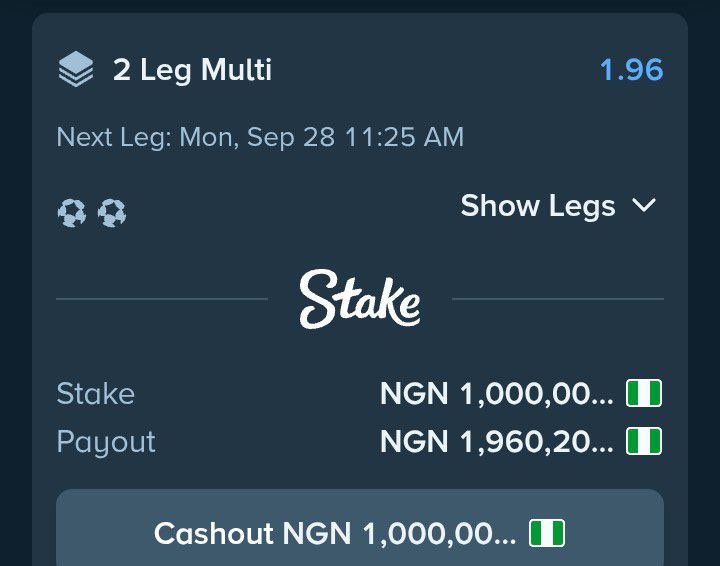
🚨1.9+ ODDS ALERT 🚨
⚽️ Today’s Investment Pick is LIVE!
🔥 Get on it now.
🔽 Bet Here :
https://t.co/H3aWO2TIjU
Bet Code : 660679091
🎁 Join Stake:
https://t.co/YcaTL7NmuW
Promo Code: KINGSOLOMON
💰 Up to $200 Welcome Bonus
📢 Telegram : https://t.co/7qhe7a4O2I
#KSANALYSIS #Stake #BettingTips
Episode 5: How to Spot Suspicious Tokenomics 🕵️♂️
Think of tokenomics as the rules of a crypto coin.
It tells you:
* How many coins exist
* Who owns the coins
* How the coins are distributed
* How new coins enter the market
* Whether people can buy and sell freely
Before buying a token, you want to check if those rules look fair.
🚩 1. One wallet owns too much
Imagine your class has 1,000 sweets, but one student secretly owns 800.
If that student sells all 800 sweets, the price could crash.
Same thing with crypto.
If one wallet holds a huge percentage of the supply, that’s a big warning sign.
🚩 2. The team gets too many tokens
Suppose a project creates 1 million tokens and gives the team 500,000.
That’s risky because the team could eventually sell a large amount.
Always check how many tokens belong to:
* The team
* Developers
* Investors
* Marketing wallets
* The community
🚩 3. Tokens are unlocked too quickly
Imagine someone gives you 100 sweets but says:
“You can only take 10 every month.”
That’s safer than giving you all 100 immediately.
Crypto projects sometimes lock team or investor tokens and release them gradually.
If millions of tokens are about to become available at once, selling pressure can increase.
🚩 4. Huge supply with no clear reason
A token having 1 trillion tokens isn’t automatically bad.
But you should ask:
Why?
A massive supply can sometimes make a project look cheap because the token price is tiny.
For example:
$0.000001 × 1 trillion tokens = $1 million market cap.
Don’t look only at the token price. Look at the market cap and supply.
🚩 5. Weird taxes
Some tokens charge a tax whenever you buy or sell.
For example:
Buy → 10% tax
Sell → 20% tax
That’s something you should investigate carefully.
A token that makes it extremely expensive to sell can be dangerous.
🚩 6. You can buy, but you can’t sell
This is one of the biggest things to watch for.
Imagine a shop where you can buy a toy but the owner won’t let you take it back or sell it.
In crypto, some scam tokens are designed so people can buy but struggle or become unable to sell.
That’s why checking the token’s contract and trading conditions matters.
🚩 7. The numbers don’t match
Suppose the project says:
“There are 100 million tokens.”
But the blockchain shows something completely different.
That’s a major red flag.
Always compare what the project claims with what the blockchain actually shows.
🧠 The simple rule
Before buying a token, ask:
“Who owns the tokens, how many do they own, when can they sell, and can I actually sell mine?”
If the answers are unclear, don’t rush in.
Tokenomics won’t guarantee that a token is safe, but understanding it can help you spot obvious red flags before putting your money in.
Episode 4: How to Check Liquidity 💧
Imagine you see a memecoin you really like.
You buy $100 worth, and later it becomes $500.
Sounds great, right?
But there’s one problem:
Can you actually sell it?
That’s where liquidity comes in.
🧠 What is liquidity?
Liquidity is basically how much money is available in a token’s trading pool for people to buy and sell it.
Think of it like a shop.
If a shop has ₦10 million worth of products, lots of people can buy things from it.
But if the shop only has ₦20,000 worth of products, one big customer could basically empty the shop.
Crypto liquidity works similarly.
💰 Example
Imagine a memecoin has:
Market cap: $1,000,000
Liquidity: $5,000
That means the coin might look like a $1M project, but there isn’t much actual money available for people to trade against.
If you try to sell $3,000 worth, your sale could cause a huge price drop.
You might see:
“My coin went up 300%!”
Then you try to sell…
“Why did I only get $700?” 😭
That’s because of slippage.
🔍 How do you check liquidity?
When you’re researching a memecoin, look at its trading pair on platforms such as DexScreener.
You’ll usually see something like:
Market Cap: $2M
Liquidity: $150K
24h Volume: $400K
Pay attention to all three.
Market cap tells you roughly how big the token is.
Liquidity tells you how much trading money is sitting there.
Volume tells you how much buying and selling happened recently.
🚨 Why low liquidity is dangerous
Suppose:
Market cap = $5M
Liquidity = $10K
That is a major warning sign.
A relatively small amount of buying or selling can move the price dramatically.
And if the developer removes the liquidity, trading can become extremely difficult or effectively impossible.
🧪 Simple rule
Don’t just look at:
“How high can this coin go?”
Also ask:
“If I buy this, will there actually be enough liquidity for me to get my money back out?”
That’s the real purpose of checking liquidity.
Market cap shows the size of the building.
Liquidity shows how much cash is actually inside the building. 💰
And remember: high liquidity doesn’t automatically mean a token is safe. You should also check who controls the liquidity, whether it’s locked/burned, the holder distribution, contract permissions, and trading activity.
Episode 4: How to Check Liquidity 💧
Imagine you see a memecoin you really like.
You buy $100 worth, and later it becomes $500.
Sounds great, right?
But there’s one problem:
Can you actually sell it?
That’s where liquidity comes in.
🧠 What is liquidity?
Liquidity is basically how much money is available in a token’s trading pool for people to buy and sell it.
Think of it like a shop.
If a shop has ₦10 million worth of products, lots of people can buy things from it.
But if the shop only has ₦20,000 worth of products, one big customer could basically empty the shop.
Crypto liquidity works similarly.
💰 Example
Imagine a memecoin has:
Market cap: $1,000,000
Liquidity: $5,000
That means the coin might look like a $1M project, but there isn’t much actual money available for people to trade against.
If you try to sell $3,000 worth, your sale could cause a huge price drop.
You might see:
“My coin went up 300%!”
Then you try to sell…
“Why did I only get $700?” 😭
That’s because of slippage.
🔍 How do you check liquidity?
When you’re researching a memecoin, look at its trading pair on platforms such as DexScreener.
You’ll usually see something like:
Market Cap: $2M
Liquidity: $150K
24h Volume: $400K
Pay attention to all three.
Market cap tells you roughly how big the token is.
Liquidity tells you how much trading money is sitting there.
Volume tells you how much buying and selling happened recently.
🚨 Why low liquidity is dangerous
Suppose:
Market cap = $5M
Liquidity = $10K
That is a major warning sign.
A relatively small amount of buying or selling can move the price dramatically.
And if the developer removes the liquidity, trading can become extremely difficult or effectively impossible.
🧪 Simple rule
Don’t just look at:
“How high can this coin go?”
Also ask:
“If I buy this, will there actually be enough liquidity for me to get my money back out?”
That’s the real purpose of checking liquidity.
Market cap shows the size of the building.
Liquidity shows how much cash is actually inside the building. 💰
And remember: high liquidity doesn’t automatically mean a token is safe. You should also check who controls the liquidity, whether it’s locked/burned, the holder distribution, contract permissions, and trading activity.
Episode 3: What is Market Cap?
Okay, imagine you have a box of chocolates 🍫.
You have 1,000 chocolates, and each chocolate costs $1.
That means all the chocolates together are worth:
1,000 × $1 = $1,000
That $1,000 is the market cap.
Crypto works the same way.
Market Cap = Total Coins × Price of Each Coin.
So if a memecoin has 1 million coins, and each coin is worth $2, the market cap is $2 million.
Now here’s why market cap is important.
If a coin has a $100,000 market cap, it doesn’t need as much money flowing in to make the price move massively.
But if a coin already has a $100 billion market cap, moving it much higher requires a LOT more money.
So when someone says:
“This coin can go 100x!”
Don’t just look at the coin’s price.
Look at the market cap.
Because a coin being cheap doesn’t automatically mean it has more room to grow.
That’s market cap. See you in Episode 4.
Episode 2: How to Set Up a Crypto Wallet
Before you buy or trade crypto, you need a wallet to store it and use it.
A wallet lets you receive crypto, send crypto, and connect to Web3 apps.
1. Choose a wallet
Different wallets work on different blockchains.
•Phantom — Solana
•MetaMask — Ethereum and similar networks
•Trust Wallet — many networks (Bitcoin,Trx,Sol,Eth,Bsc)
Only download from the official site or app store. Fake wallets steal funds.
2. Create your wallet
Open the app and tap Create New Wallet.
Set a password or PIN.
Then you’ll get a seed phrase — usually 12 or 24 words.
3. Protect your seed phrase
This is the most important step.
Anyone with your seed phrase can take everything in the wallet.
Never:
•send it to anyone
•save it in DMs
•post it online
•type it on random websites
•give it to “support”
Write it down and keep it somewhere safe.
No real support team will ever ask for it.
4. Find your wallet address
Your public address is what people use to send you crypto.
You can share the address. Never share the seed phrase.
5. Check the network
Crypto lives on different networks.
Sending USDC on the wrong network can mean the money is gone.
Always confirm: asset + network + address before you send.
6. Test first
Sending to a new address? Send a small amount first. If it arrives, send the rest.
The rule that matters
Your address receives money. Your seed phrase controls the wallet.
Share the address. Guard the seed phrase.
Episode 2: How to Set Up a Crypto Wallet
Before you buy or trade crypto, you need a wallet to store it and use it.
A wallet lets you receive crypto, send crypto, and connect to Web3 apps.
1. Choose a wallet
Different wallets work on different blockchains.
•Phantom — Solana
•MetaMask — Ethereum and similar networks
•Trust Wallet — many networks (Bitcoin,Trx,Sol,Eth,Bsc)
Only download from the official site or app store. Fake wallets steal funds.
2. Create your wallet
Open the app and tap Create New Wallet.
Set a password or PIN.
Then you’ll get a seed phrase — usually 12 or 24 words.
3. Protect your seed phrase
This is the most important step.
Anyone with your seed phrase can take everything in the wallet.
Never:
•send it to anyone
•save it in DMs
•post it online
•type it on random websites
•give it to “support”
Write it down and keep it somewhere safe.
No real support team will ever ask for it.
4. Find your wallet address
Your public address is what people use to send you crypto.
You can share the address. Never share the seed phrase.
5. Check the network
Crypto lives on different networks.
Sending USDC on the wrong network can mean the money is gone.
Always confirm: asset + network + address before you send.
6. Test first
Sending to a new address? Send a small amount first. If it arrives, send the rest.
The rule that matters
Your address receives money. Your seed phrase controls the wallet.
Share the address. Guard the seed phrase.
Episode 1 of onboarding you into memecoin trading : What Is a Memecoin? 🐸🪙
Imagine you have a funny picture of a dog.
Everyone starts sharing the picture. People laugh. Then someone says:
“Let’s make a coin about this dog!”
And boom! A memecoin is born.
A memecoin is basically a cryptocurrency that is created around a meme, joke, character, idea, or internet trend.
For example, you might see a coin with a dog, frog, cat, or funny internet character as its logo.
But here’s the important part:
A memecoin is not automatically valuable just because it is popular.
So why do people buy them?
Usually because they believe other people will want to buy them later.
Maybe:
The meme is going viral
Lots of people are talking about it
A big community is forming
The developers are building something interesting
Influencers are talking about it
But sometimes people simply buy because they see the price going up and think:
“I don’t want to miss out!”
That’s where things can get dangerous.
🚨 The big lesson
A memecoin can go:
$100 → $500 → $2,000
Very quickly.
But it can also go:
$2,000 → $500 → $50
Just as quickly.
Some memecoins even become worthless.
So don’t think:
“Cheap coin = easy money.”
And don’t think:
“Everyone is buying it, so it must be safe.”
Instead, before buying any memecoin, learn how to research it first.
That’s what we’ll get into in the next episodes.
Episode 1 takeaway:
🪙 A memecoin is a cryptocurrency built around a meme, joke, trend, character, or internet idea. It can become very popular, but it can also lose value very quickly.
🚨2.2+ ODDS ALERT 🚨
BREAKFAST BANKER is LIVE!
🔥 Get on it now.
🔽 Click here to bet👇
https://t.co/KUPLrLv0qN
Or use bet code: 658390389
🎁 Join Stake:
https://t.co/0S3hl6TwY1
Promo Code: KINGSOLOMON
💰 Up to $200 Welcome Bonus
#KSANALYSIS#Stake#BettingTips
🚨2+ ODDS ALERT 🚨
⚽️ BREAKFAST BANKER is LIVE!
🔥 Get on it now.
🔽 Click here to bet👇
https://t.co/DmJMMs80Rq
Or use bet code: 658006163
🎁 Join Stake:
https://t.co/0S3hl6TwY1
Promo Code: KINGSOLOMON
💰 Up to $200 Welcome Bonus
#KSANALYSIS#Stake#BettingTips