What does press speech buttons mean for dogs’ abilities to communicate with us? Shd we try learning dog rather than expecting our dogs to learn English? See our paper on the paradoxes in talking dogs @juwlodarczyk Sara Kruszona-Barełkowska & Jack Harrison https://t.co/vfdLqYKO6C
Last meeting before summer break! ⛱️We talked about Sara's WIP article on two contemporary "horse-whisperers" and the shows they create.🐎
🍾Congrats to Justyna who was elected Director of the Institute of English Studies at the University of Warsaw! 🎓
#animalstudies#research
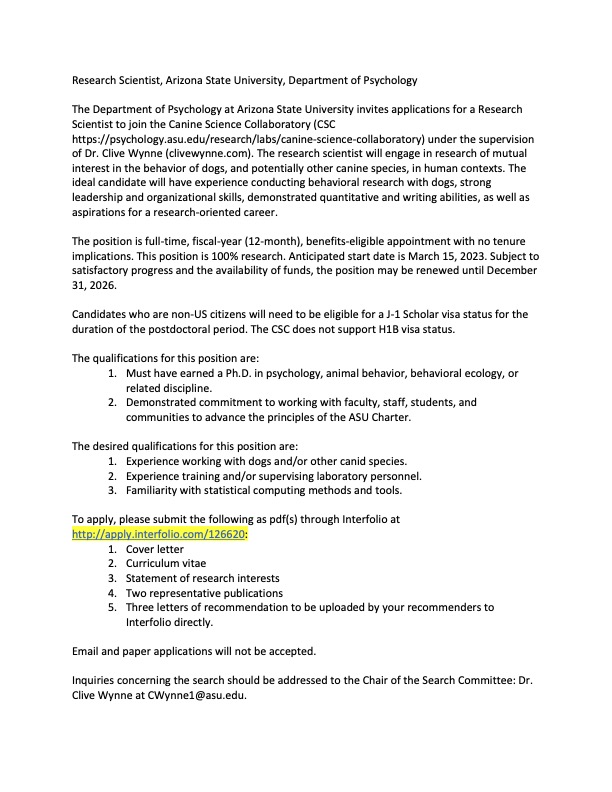
🐶🔍More than half of Prof. Clive Wynne 's visit is already behind us. We started with an interesting brainstorming session about the use of speech buttons in dog-human communication.
👉In her article on Linda Hogan's The Radiant Lives of Animals, Joanna Ziarkowska shows that it is not only Native characters who face the incongruity of cultural constructions of interspecies harmony, but Native authors themselves.
https://t.co/nphKizC7EK
What emerges from Kathleen Chapman’s article is an argument about the meaning of civilization for America’s elites at the beginning of the twentieth century and the place of animals within it.
Read here: https://t.co/gWmM0Xpb68
Graper’s article examines the apparent paradox between the simultaneous celebration of Brood X cicadas as welcome musicians and as food in the context of the All Creatures Yum! event in Southern Indiana.
Full article: https://t.co/ZFZx7BlJMB
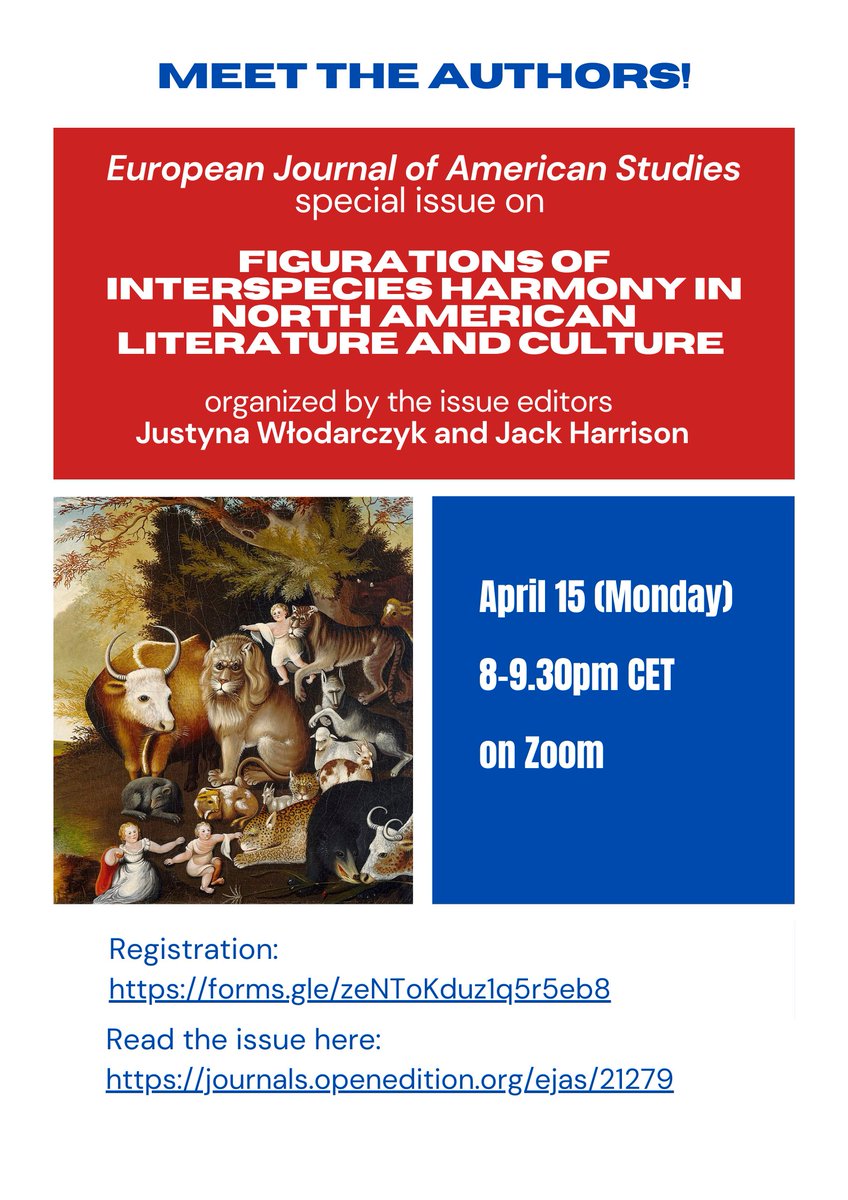
On April 15, you'll have the opportunity to talk to the EJAS special issue contributors!
👉Where? Zoom platform
👉When? April 15 (Monday), 8-9.30 pm CET
👉Registration form: https://t.co/4UWeyWYDMy
👉EJAS special issue: https://t.co/81gAk6LutD
Read and join us!
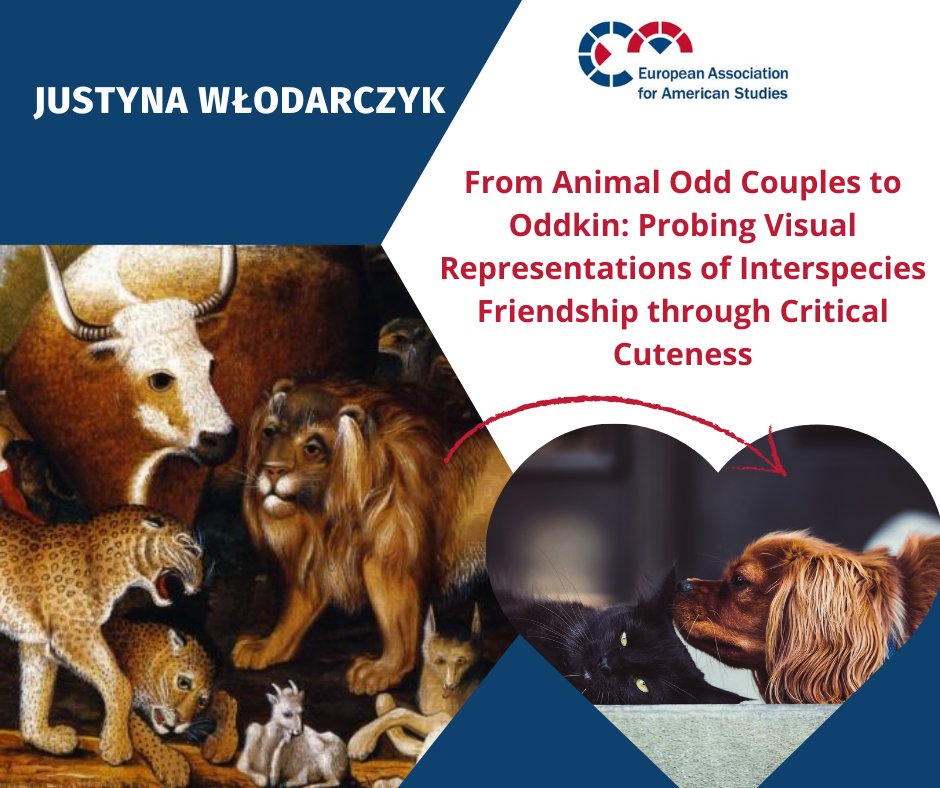
Analyzing James Oliver Curwood’s novel Nomads of the North and its subsequent two film adaptations, Justyna Włodarczyk shows how America’s onscreen representations of the novel’s playful “animal odd couple”...
👇
https://t.co/Q9DeUq2j3q
It's rare to be able to receive instant feedback from your peers, and this was certainly the case here. We were also super lucky to have a very talented group of contributors. And TA-DA! Here it is, hot off the digital press!
This has been the most rewarding collaborative project I've ever worked on. I'm very pleased with the quality of the research, but I'm even more pleased with the journey that brought us here.
📣We are thrilled to announce the publication of our special issue of the European Journal of American Studies, titled Figurations of Interspecies Harmony in North American Literature and Culture, co-edited by @juwlodarczyk and Jack Harrison
https://t.co/Iuj2uZibm9
Many thanks are due to Jack Harrison who took care of most of the grunt work on this issue and to the rest of our wonderful team - Asia Ziarkowska, Julia Wilde, and Sara Kruszona - for their enthusiasm and support.
Do you ever wonder why we behave the way we do when we see something cute? Explore the global craze of cuteness with @dale_jp uncovering the charm of Hello Kitty, adorable animals and the science behind why we find things irresistibly cute.
#bolinda#audiobook#listeninglist
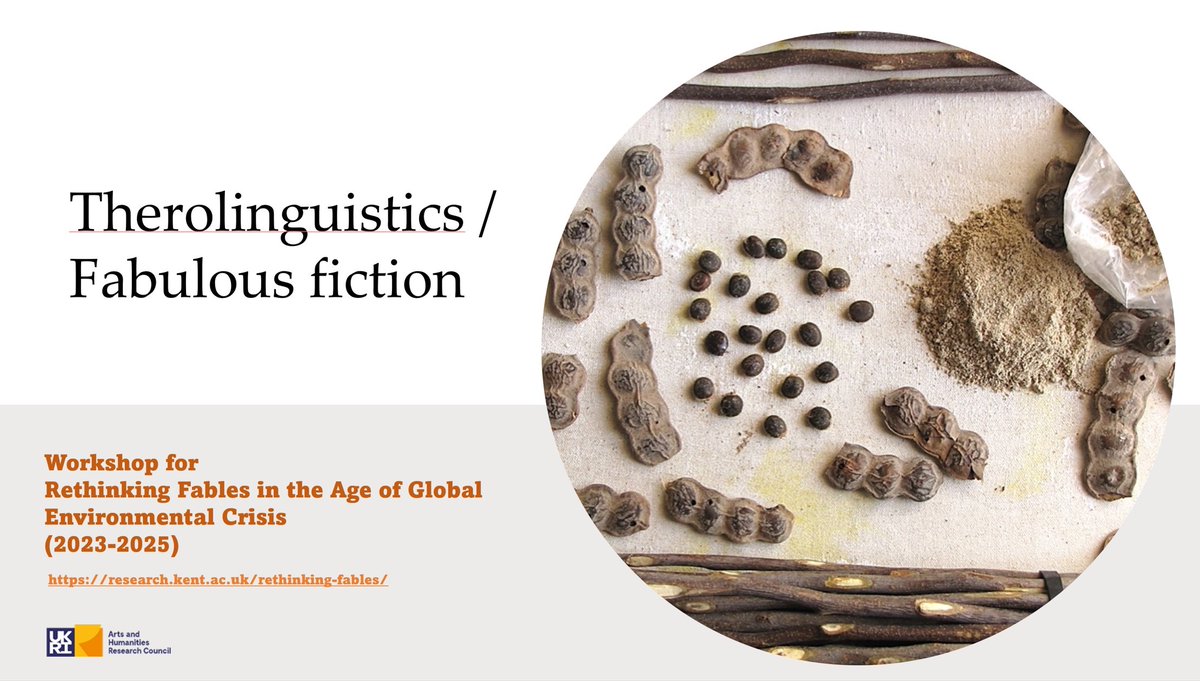
The recording of the Therolinguistics/Fabulous Fiction panel is now available. Enjoy! Thanks again to Matthew Chrulew @negentropist 🌿and to Jeanne Dubino 🐕for insights from their amazing papers, and to Susan McHugh for chairing this lively session. https://t.co/SYcOAWVBiN
Pls RT and share - Call for Papers – Exploring Human-Animal & Multispecies Relations: Risk Taking in Research
Methods Symposium, 6-7 June 2024, @uniofbrighton@ahrcpress@artswellbeing
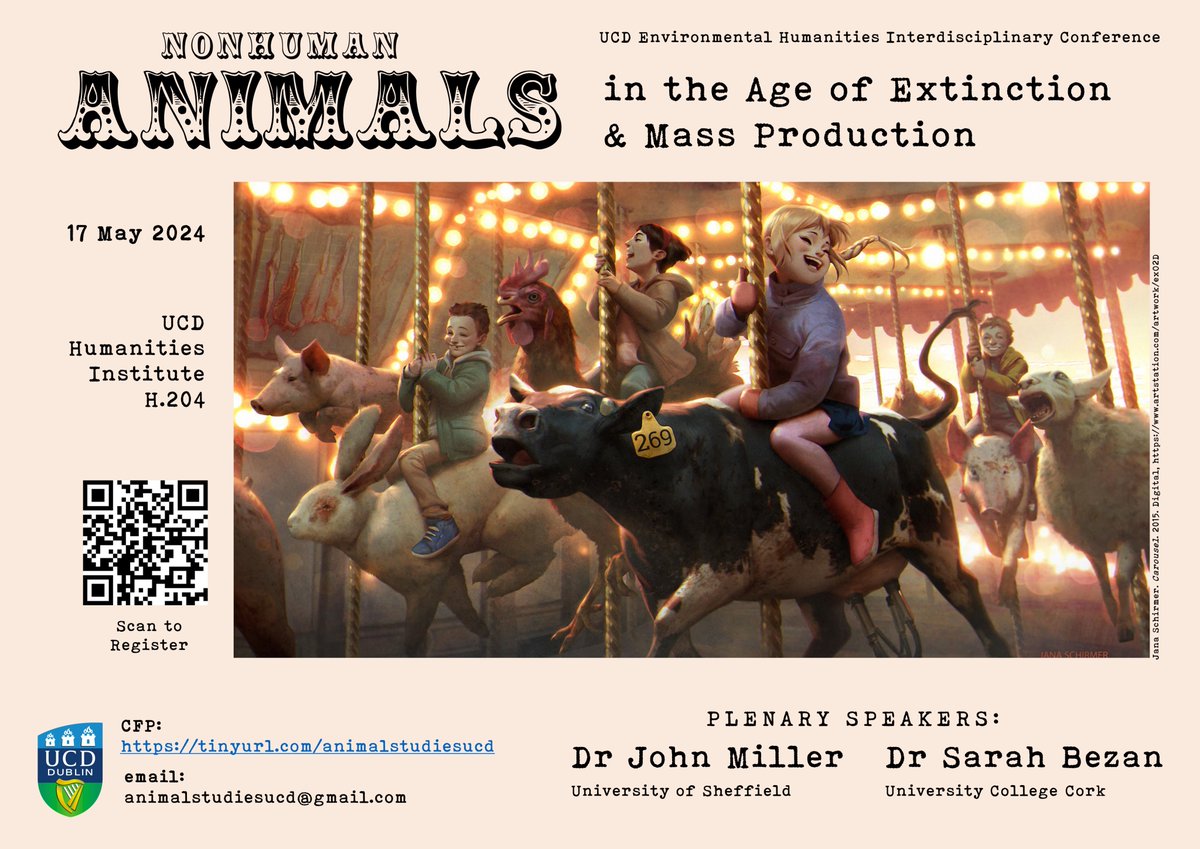
Delighted to share the CFP for our 'Nonhuman Animals in the Age of Extinction and Mass Production’ conference organised by @choudhup and @d_schrijvers. Venue: @HumanitiesInstitute, 17 May 2024: https://t.co/uIf6pLStLb
/1