L'Espia de Mahler a @RadioSabadell
Leͤs paͣrͬtͭiͥtͭuͧrͬeͤs dͩeͤls oͦcͨeͤlls
Els ocells, quan els descriu un compositor, són el ressò d'un vol que no necessita ales.
https://t.co/zrowNDVjZy
@OSValles
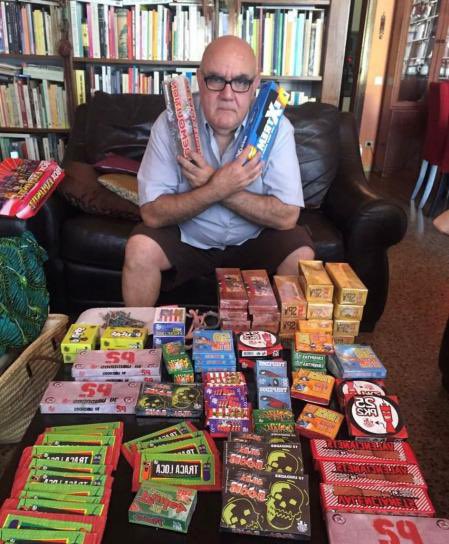
Gaudí ADORAVA la pirotècnia i el foc 🔥, ja feia servir bengales de colors el 1882, abans fins i tot de quedar-se el projecte de la SF. Cada 19 de març, per Sant Josep, muntava una festa de focs artificials al temple. El millor del dia! Gran final! 👌
📹 Sagrada Família
L'Espia de Mahler a @RadioSabadell
Els planetes, quan els descriu un compositor, no són boles de pedra flotant a l'espai: són arquetips, són el que som quan ningú no ens mira
https://t.co/YWOO4bR2lB
@OSValles
Els planetes Holst. Conferència
A càrrec d'Albert Ferrer i Flamarich @AlbertFFlamari1 . Amb motiu del concert de l'OSV a la Faràndula de Sabadell.
🗓️Divendres 22/5
🕣18 h
📌Biblioteca #VaporBadia
L'Espia de Mahler a @RadioSabadell
Les pandèmies van buidar auditoris. Però la música, tossuda, sempre torna a cantar. 𝗨𝗻 𝘃𝗶𝗮𝘁𝗴𝗲 𝗽𝗲𝗿 𝗹𝗲𝘀 𝗽𝗮𝗿𝘁𝗶𝘁𝘂𝗿𝗲𝘀 𝗮𝗺𝗯 𝗳𝗲𝗯𝗿𝗲
https://t.co/VLsNrlZ2Hn
@OSValles
John Cassavetes on why he is against movies like Stanley Kubrick's "A Clockwork Orange" (1971):
"There’s a difference between being violent and having violent emotions. There’s a difference between anger and the act of shooting somebody in the face. I’ve never known anyone in my life that ever shot anyone in the face. And I’ve seen it on the screen too many times. There’s no morality there, no feeling of anything for anyone. It’s a lie to say that people are violent. There are more good people than there are bad people. To see constant terror builds a nation, builds moviegoers that can only love constant terror. We become used to it, inured to it like doctors knowing they have to be tough. They can’t think of that person with tenderness, but must be dispassionate.
There’s a lot of violence in 'Minnie and Moskowitz' (1971) but violence that I can understand. Violent feelings, but nobody ki!!s anybody or shoots anyone or knifes anybody. Without having seen 'A Clockwork Orange' (1971), I know, because I know the story. I really couldn’t go to see it, because I don’t want to see people ki!! each other. I don’t want to see any more hostility toward one another. I just don’t want to see that reflected any more. I’m tired of violence and dehumanization. I think the artist has a tremendous obligation to bring trust to people. Because the only thing we don’t have time for is ourselves. We can’t live with ourselves if we have no respect for our life and the human condition and the foibles that exist in all of us – then we have no tolerance, we’re all Nazis. We can’t survive with people being that inhuman. It’s impossible.
I look at 'A Clockwork Orange' and ask, why did Stanley make it? Did he make it for anyone in particular? Why did he choose a story like that, in this day and age? For what: to incite a revolution, to stop everything? Maybe that would be OK, if he really believed that, but I don’t believe it. I don’t know why he made it.
The more films are made about insanity, the more fashionable it will become. And, eventually, as we become more and more dehumanized, there will be no answers for anyone. You can’t get any pleasure out of being an animal. There should be a Kubrick who can make that film and show that life can be violent and harsh. But, on the other hand, where are the equalizing forces of happiness? Art films, in stressing the weakness of society, have lost their balance. The majority of people would rather be filled with illusion than disillusion. And we just have to find some way to reflect that. Not just to constantly say, ‘Oh, God, things are wrong and all, and I don’t know what to do about it.’"
('Cassavetes on Cassavetes', edited by Ray Carney, 2001)
L'Espia de Mahler a @RadioSabadell
Hi ha una mena de gent que habita el llindar entre la glòria i la boira: els "traviate", els qui es troben una mica perduts.
𝗨𝗻𝗮 𝗰𝗮𝗿𝘁𝗼𝗴𝗿𝗮𝗳𝗶𝗮 𝗺𝘂𝘀𝗶𝗰𝗮𝗹 𝗱𝗲𝗹𝘀 𝗲𝗿𝗿𝗮𝗻𝘁𝘀
https://t.co/robuPa6Zl9
@OSValles
Canòlich Prats, violinista i fundadora de la @OSValles, porta el violí a les presons per acompanyar processos de reinserció.
“La presó no és un punt final; és un lloc de pas”.
Una nova història de #GentQueFaBé a @iSabadellcat
𝔐𝚞́𝔰𝒾𝓬𝐚 𝓺𝓾𝚎 𝒗𝐨𝐥𝗮 𝐢 𝒄𝘳𝔢𝐦𝖆
Altars de Bronze, cèrvols blaus, danzones i malambos amb @OSValles
📅 Dissabte, 11/04 a @palaumusicacat (18.30h)
Ho comento a:
▶️ L'Espia de Mahler a @RadioSabadell
https://t.co/HwkIfeZ9uH
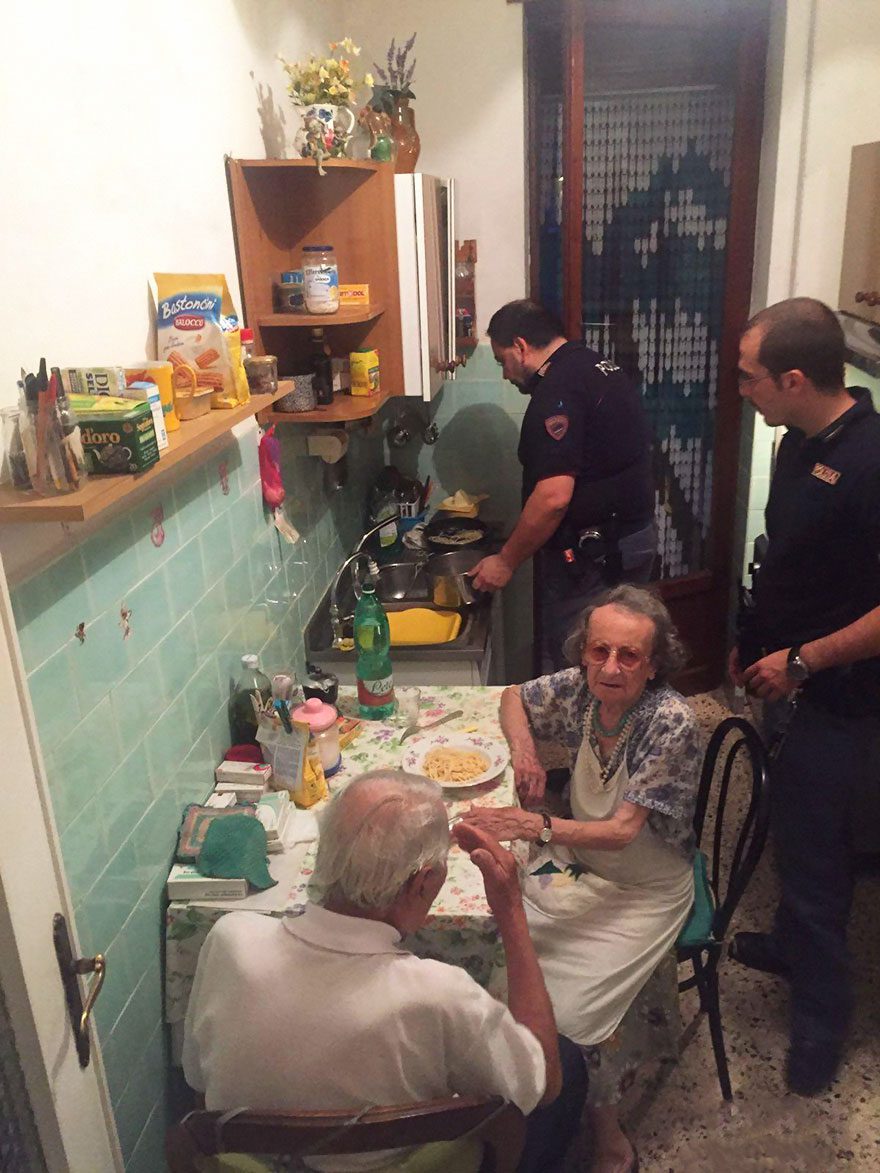
🇮🇹👮♀️ À Rome, la police est intervenue après un signalement de pleurs très forts provenant d’un appartement. Quatre agents se sont rendus sur place et ont découvert Jole, 84 ans, et son mari Michele, 94 ans, chez eux. Heureusement, aucun drame : le couple était simplement bouleversé en regardant les informations à la télévision.
Jole avait demandé à son mari pourquoi les nouvelles étaient si négatives ce jour-là. L’émotion l’a submergée, ses sanglots ont inquiété le voisinage… et quelqu’un a appelé la police.
Mariés depuis près de 70 ans, ils ont confié aux agents qu’ils se sentaient très seuls et que cela faisait longtemps que personne ne leur avait rendu visite. Les policiers ont aussi réalisé qu’ils n’avaient pas partagé un véritable repas depuis un moment.
En attendant l’arrivée d’une ambulance pour s’assurer que tout allait bien, deux agents ont décidé de leur préparer un dîner simple : des spaghettis au beurre et au parmesan, tandis que leurs collègues restaient discuter avec eux.
Ce jour-là, il n’y avait pas de crime à résoudre. Mais il y avait quelque chose d’essentiel à offrir : un peu de présence, de chaleur humaine et de compassion.
Et parfois, c’est tout ce dont quelqu’un a besoin. ❤️
Irlanda fa permanent la renda bàsica per a artistes: 325€ setmanals per a 2.000 creadors durant tres anys. Per cada euro invertit, se'n recuperen 1,39. Primera iniciativa mundial d'aquest tipus.El 56% dels artistes irlandesos viuen en la pobresa.
https://t.co/0uJpYyMUcT
Mig segle sense saber perquè Bach i Beethoven no el commovien. Ara Bill Weiss sap que pateix d'anedònia musical. La música no el commou, però Rubens el colpeix: la bellesa el troba per altres camins.
https://t.co/ll1k8ENFdC
La IA no és una eina neutral que puguem controlar amb protocols. Opera en una economia que premia l'extracció per sobre de la cura. Si la cultura no entén aquest terreny, perdrà la capacitat de definir el significat públic.
https://t.co/ZLJR4PCx4o