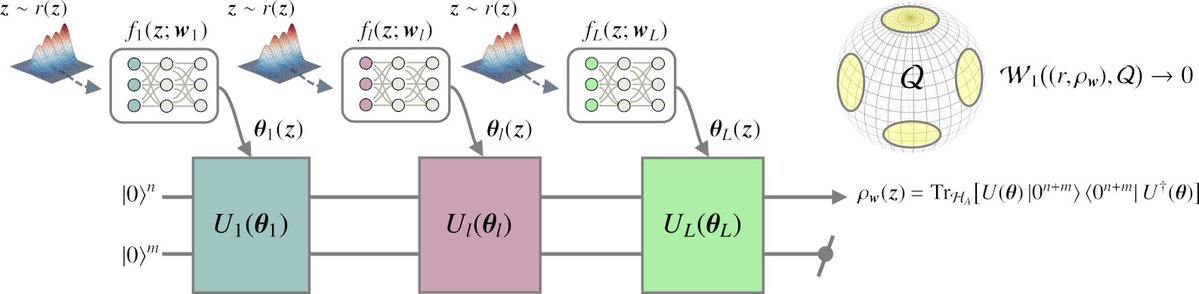
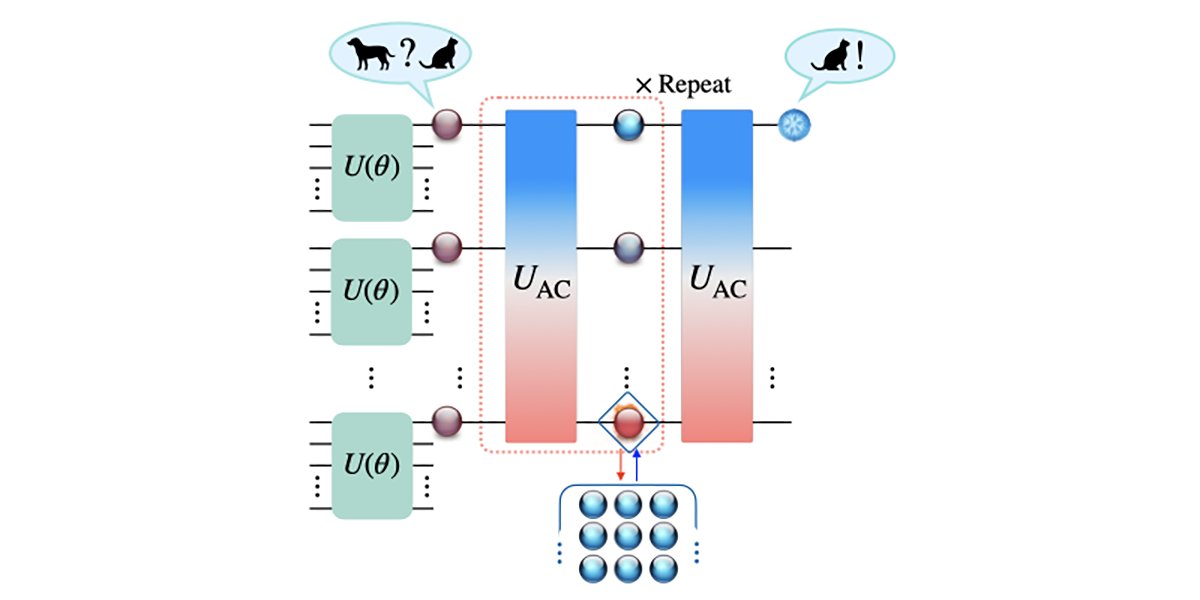
Following our work on MPE, we now ask: with full distribution over quantum states — not just verify universality, but generate from it? We introduce Latent-Conditioned PQCs (LPQCs) to enable generative modeling over density matrices.
https://t.co/UqSYSNzdSg
🚀 Reservoir Computing is officially back in the Deep Learning game!
Thrilled to announce our paper "ParalESN" has been accepted at #ICML2026! 🎉
We resurrected RC for the DL era, finally unlocking parallel processing via associative scan.
Preprint: https://t.co/dYPBkCpGeq🧵👇
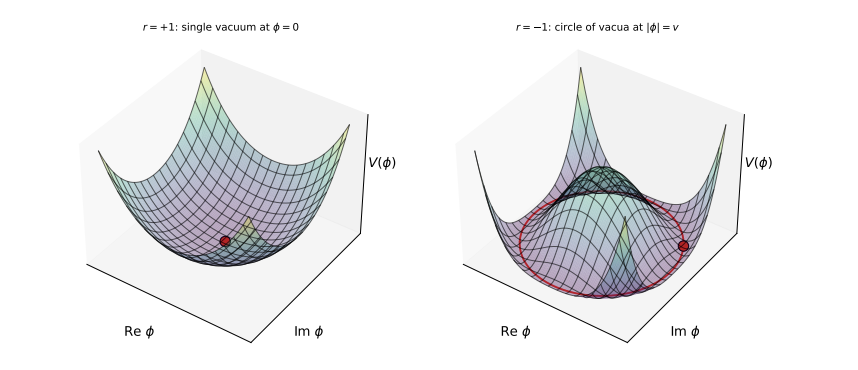
We have a new paper out on spontaneous symmetry breaking, Goldstone modes, and deep learning!
This is work with the amazing team of @t_andy_keller@YueSong48287250@takeru_miyato@wellingmax.
A brief thread on a marriage of physics and ML. (Link at end).
Reviewing 6 quantum papers at ICML this year, I saw how difficult it is for quantum-related work to pass the bar. 5 out of 6 were rejected. The only accepted paper had the same score as my own submission, which was rejected with positive scores.
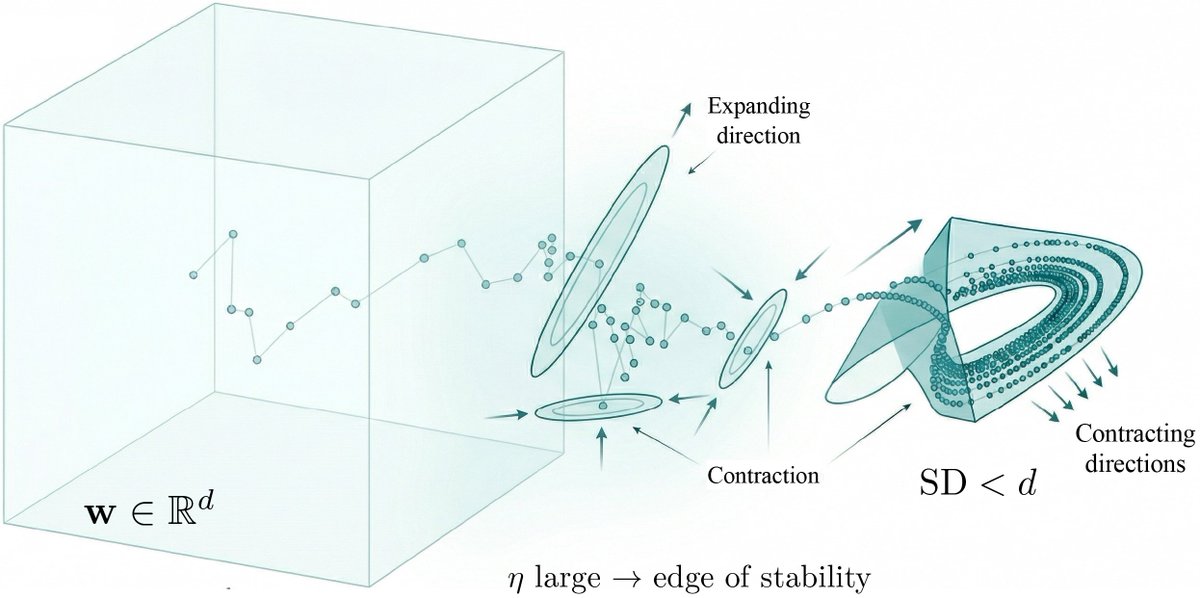
Modern deep networks are often trained at the #EdgeOfStability, a regime where dynamics are locally unstable, nearing chaos. Yet generalization improves, defying the wisdom of classical optimization. We now theoretically explain this central puzzle: https://t.co/yh79EN8EfF. 👇
Very happy to see our paper just published in Nature Physics! 🥳
https://t.co/NB9TCCKli2
In this work, we study quantum circuits affected by a very general local noise model and uncover a set of curious results!
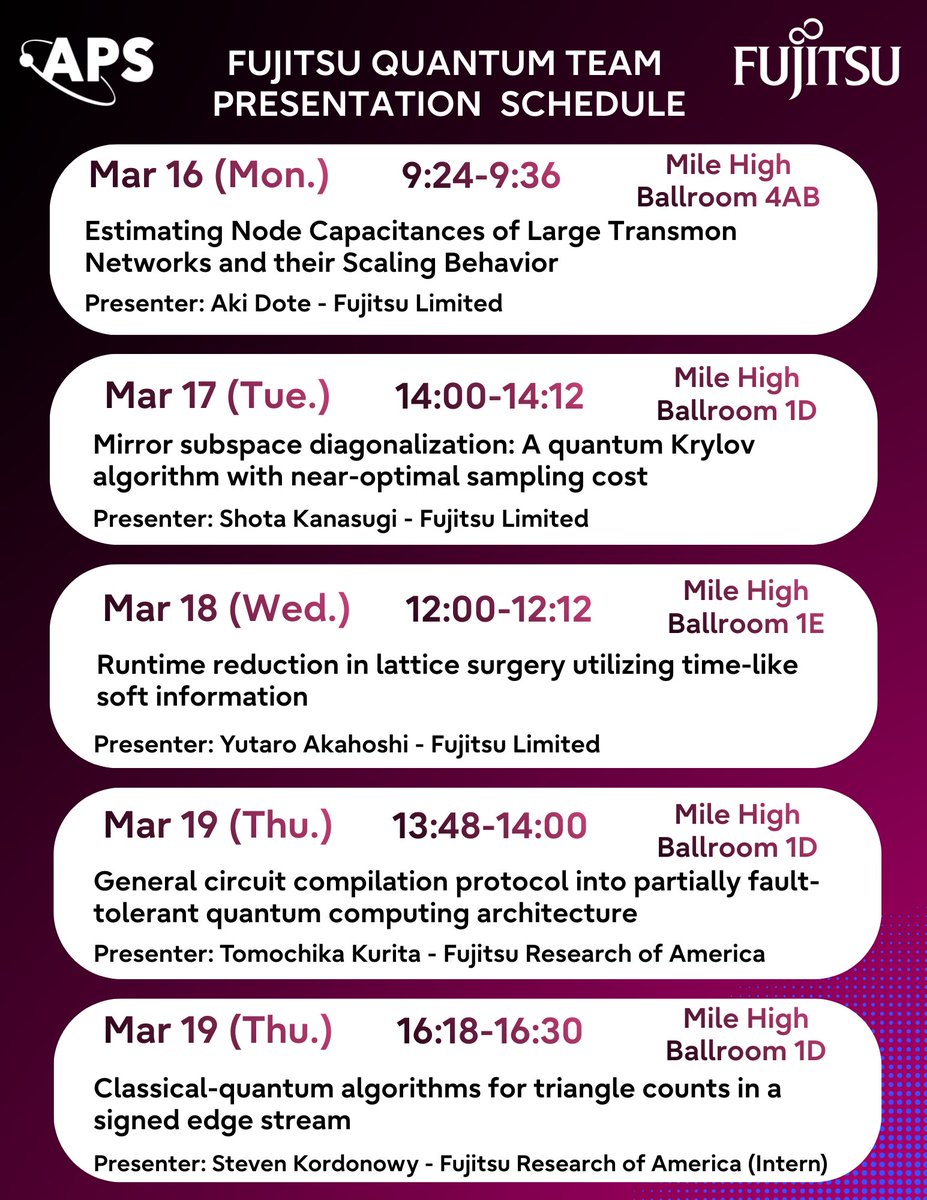
⚛️Fujitsu Quantum Team is taking over #APSSummit2026 in Denver!
From March 17 to 20, catch our team presenting 9+ papers and poster session on:
✅ Fault-tolerant architectures
✅ Quantum Krylov algorithms
✅ Scalable many-body data
✅ Lattice surgery optimization
📍 Location: Colorado Convention Center
Visit Fujitsu booth #1220 to see our latest superconducting qubit chip and discuss internship opportunities. https://t.co/DDI8JZFVDj
See you next week in Denver! 👋
#FujitsuQuantum #QuantumComputing #Physics @APSphysics
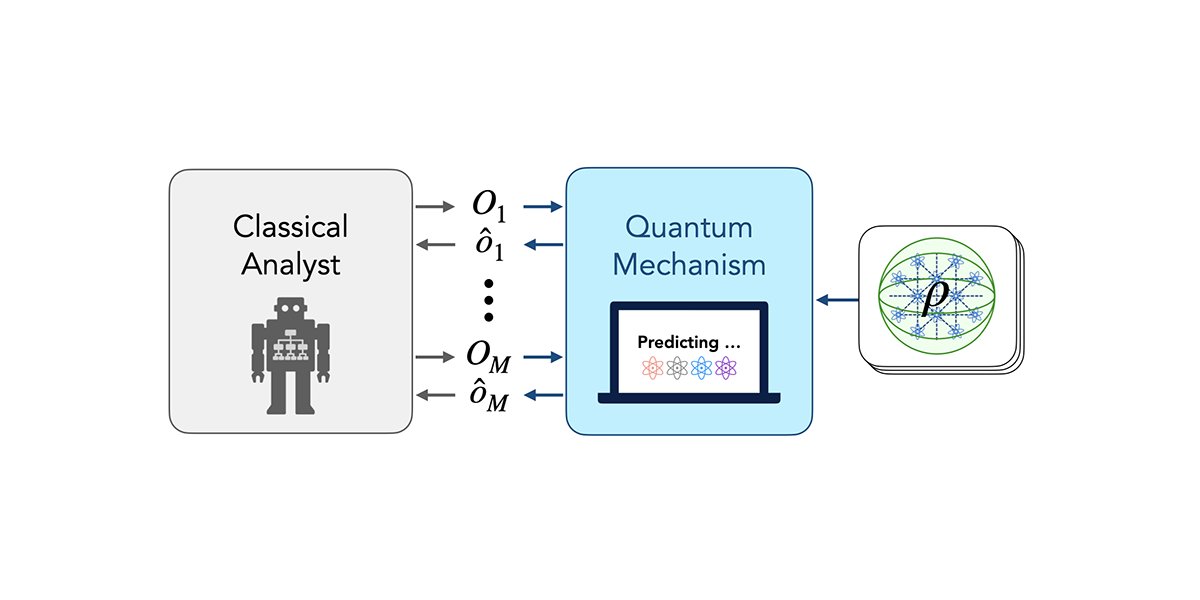
Fundamental limits of adaptive measurement in quantum many-body systems are established, showing when logarithmic-sample prediction fails and how optimal algorithms can still be achieved.
Read the paper: https://t.co/xQmSAesW7l
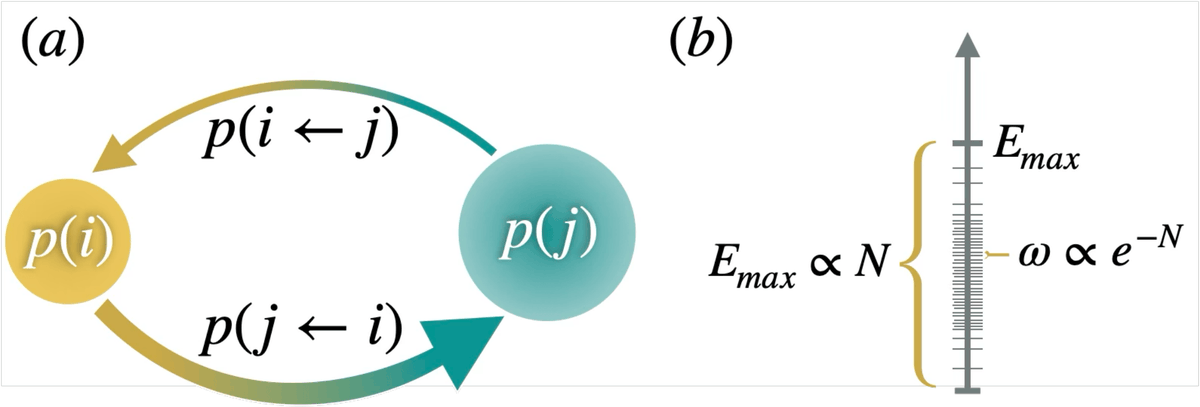
This study introduces a quantum master equation, derived from first principles, for thermalization in open quantum many-body systems. Learn more: https://t.co/k8CFXRl1IP
Several years ago, we developed a series of lectures to assist students and researchers utilizing reservoir computing in various scenarios.
This has been published as a bootcamp featured as Editor's Pick in the Chaos journal.
https://t.co/JUZiThYmIx
https://t.co/Cjtm23iUO6
Ch 6 on RL with verifiable rewards is now available.
Essentially GRPO from scratch, and probably my favorite chapter so far. (First 363 pages done, yay!)
I'm now working on the follow-up with more RLVR runs, more metrics & analyses, and extensions like policy clipping and KL (which were intentionally left out initially to keep the GRPO intro simple and REINFORCE-like).
I also have a long list of 15 GRPO algorithmic tweaks queued to run... Fun times!
Here's a link to the early access: https://t.co/vzCr5sTjrf
Happy weekend!
I like the concept of Many-body Projected Ensemble (MPE). So we used it to:
1. Prove the universality in realizing the distribution of quantum data
https://t.co/gwamveYqVU
2. Implement the quantum diffusion (ML4PS, NeurIPS 2025) - full appears soon
https://t.co/obGh06FRfK
Our paper by @frrfluid and @unlimitcycle "Thermodynamic Recycling in Quantum Computing: Demonstration Using the Harrow-Hassidim-Lloyd Algorithm and Information Erasure" is now on arXiv. https://t.co/DQJsdjnK4s
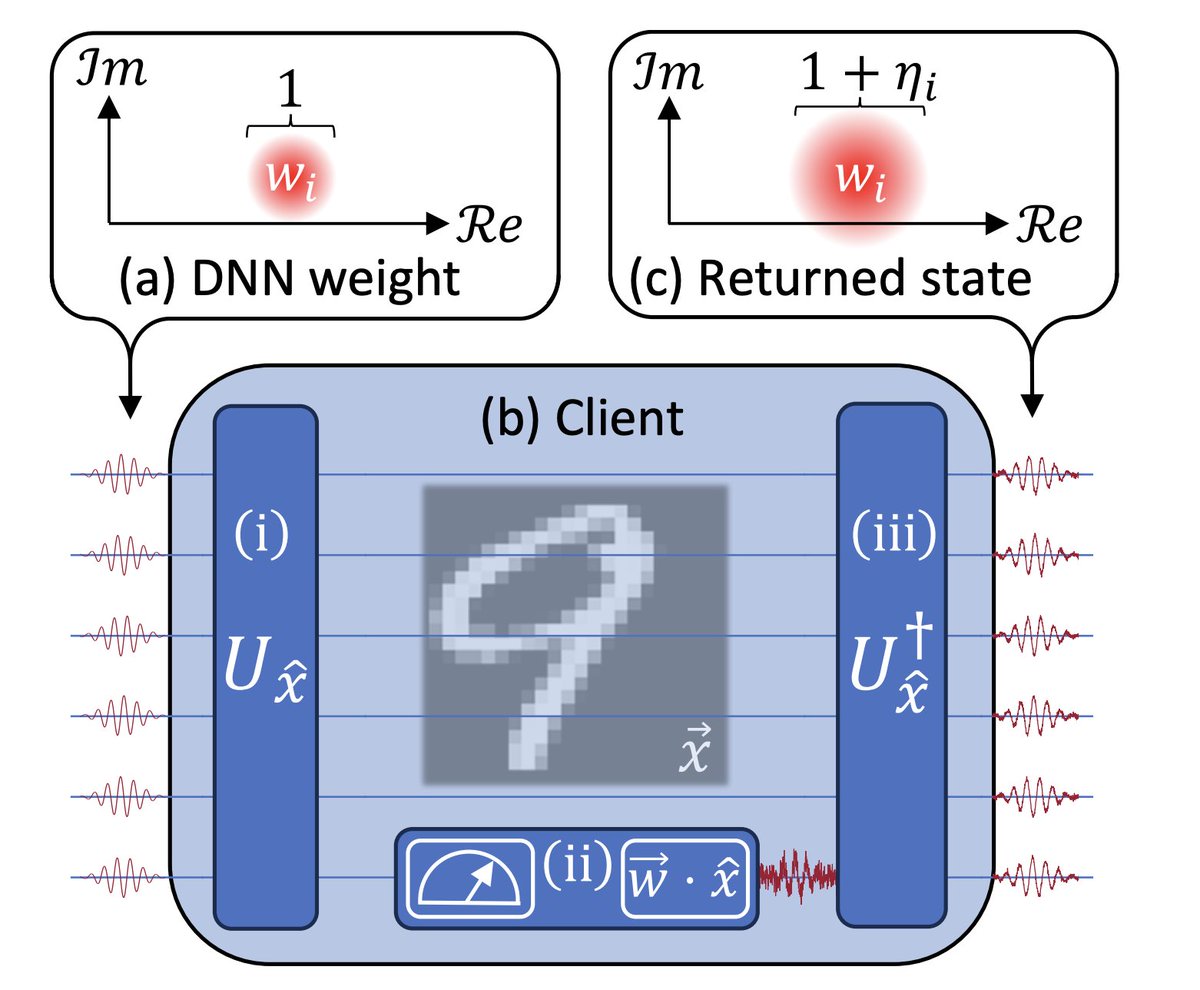
Researchers develop a quantum-secure computation protocol that allows multiple parties to collaborate on complex #AI computations while ensuring the security of proprietary data or #MachineLearning models.
Read the paper: https://t.co/pmd0E8KOKC