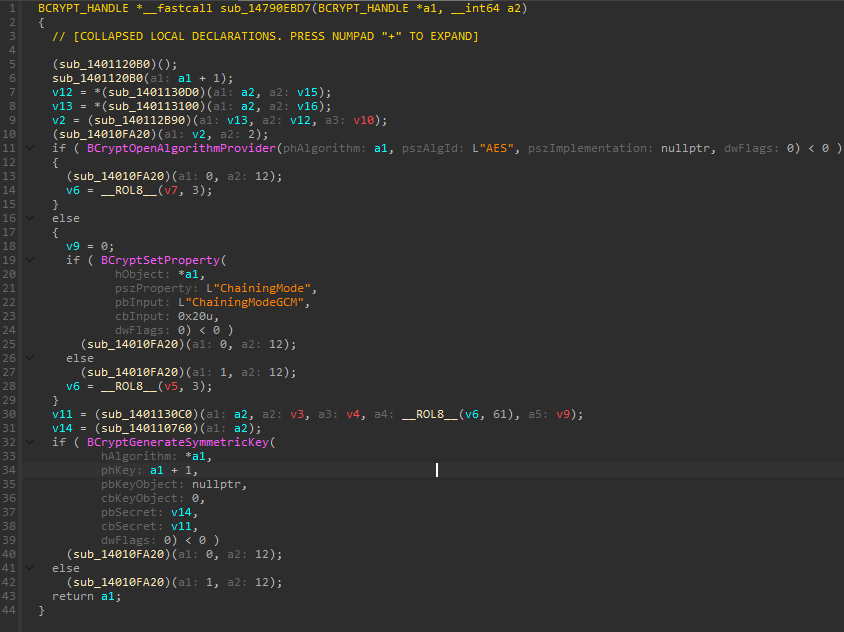
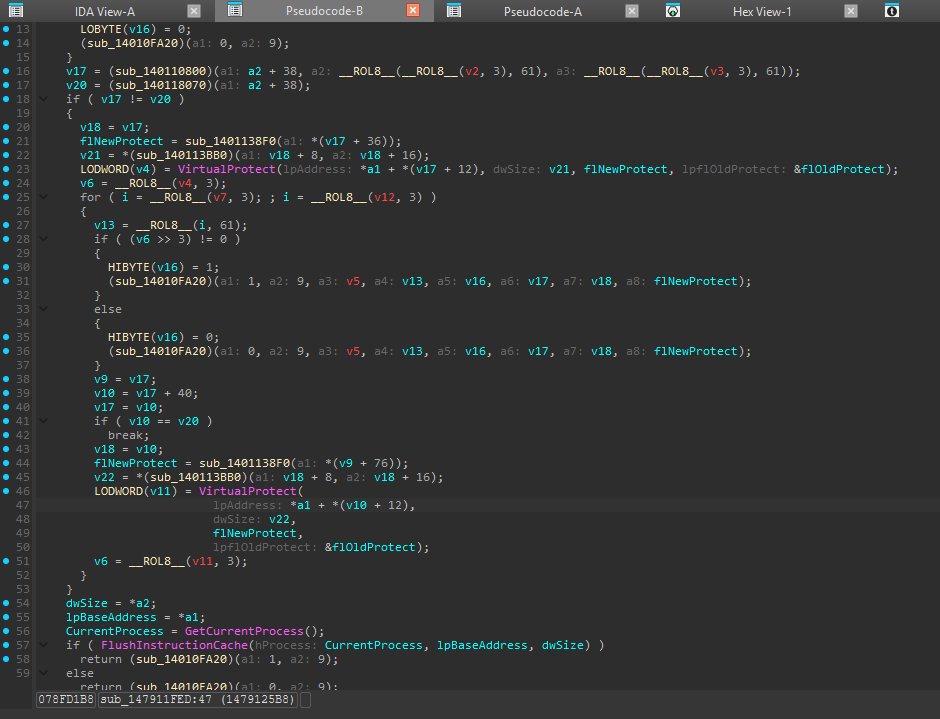
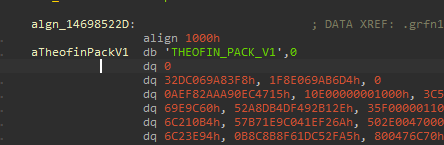
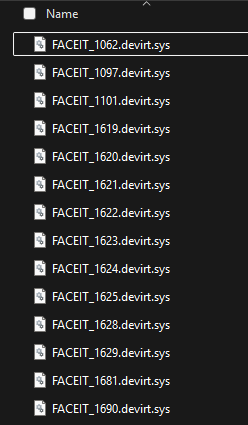
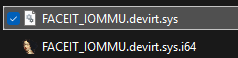
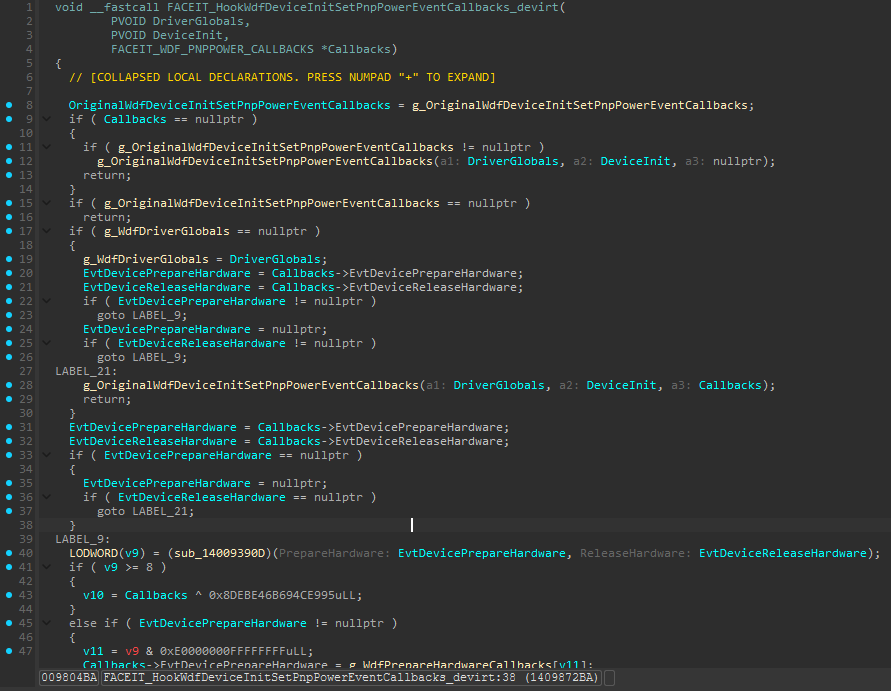
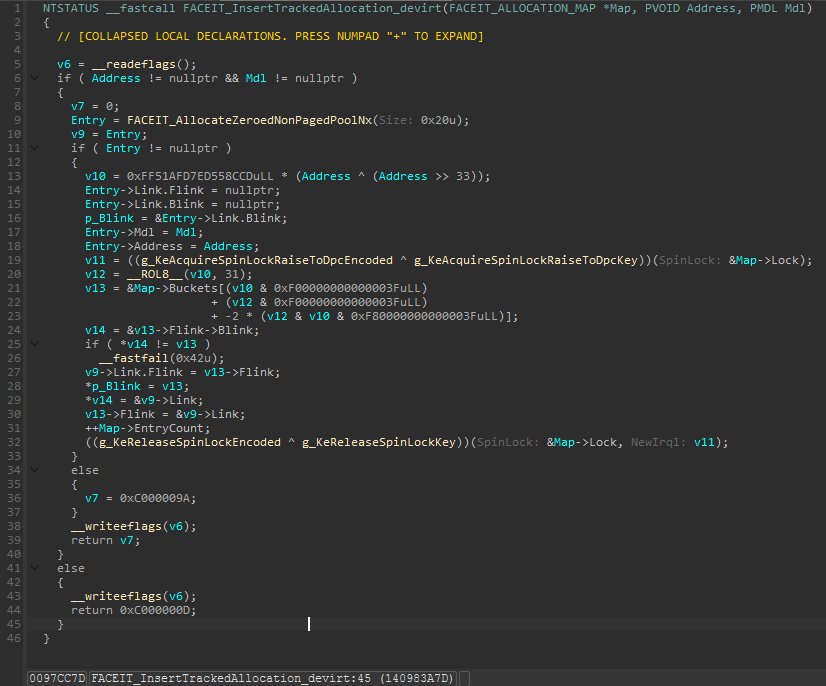
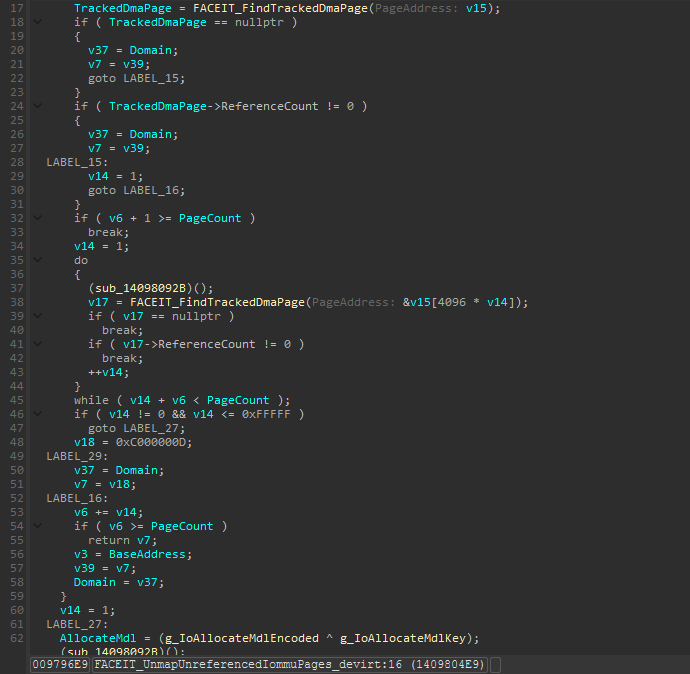
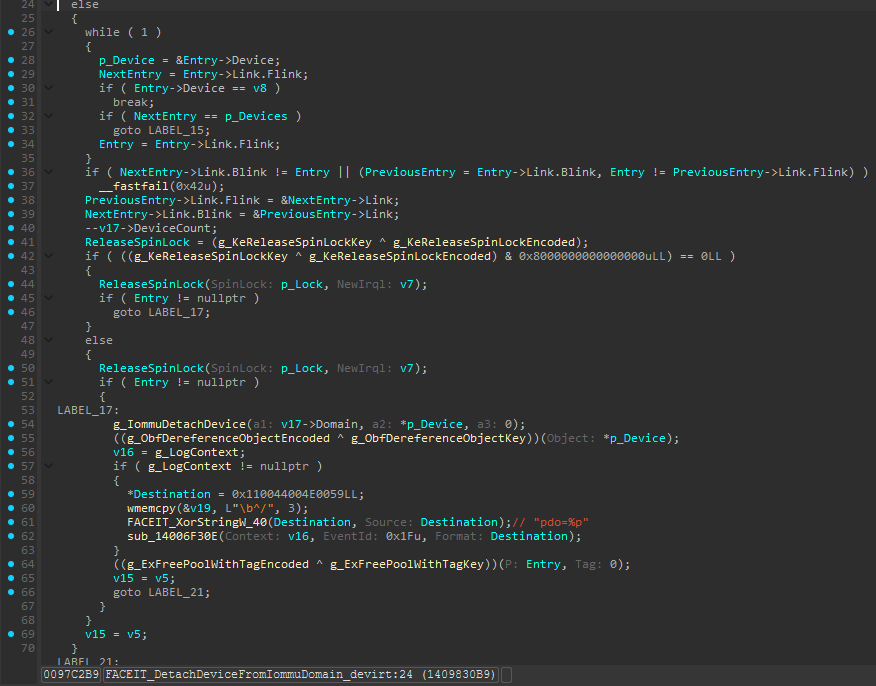
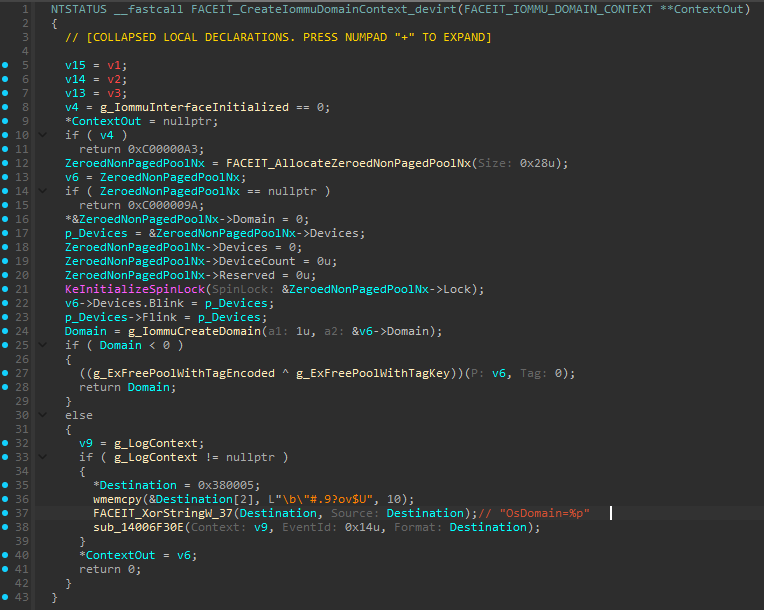
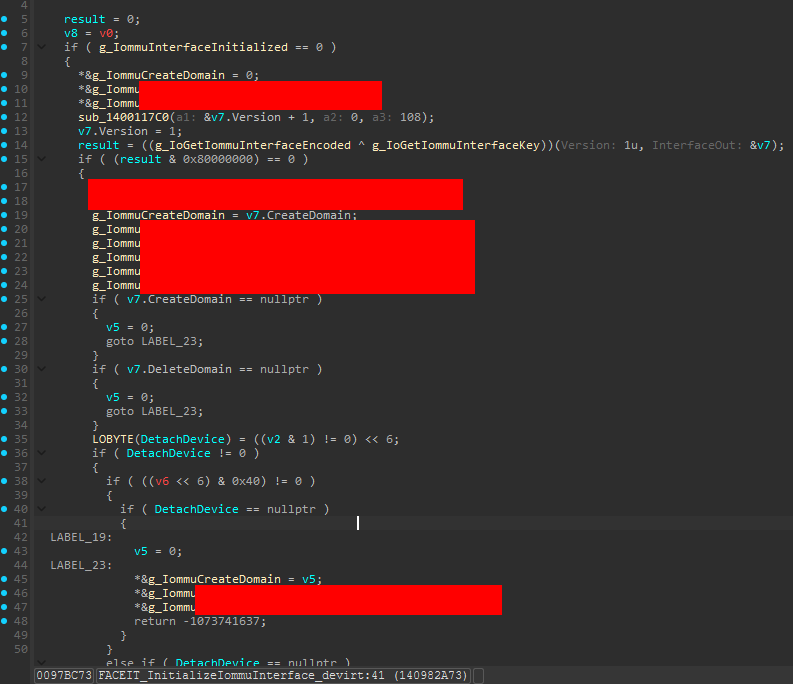
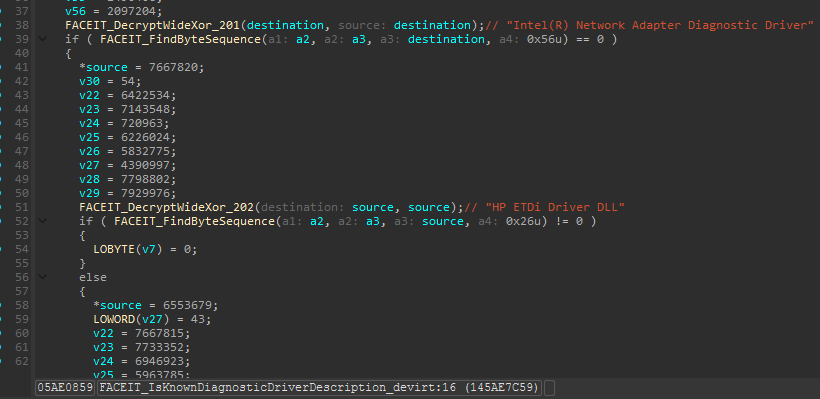
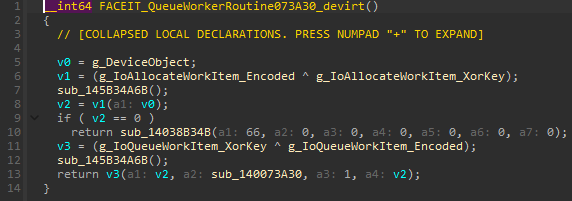
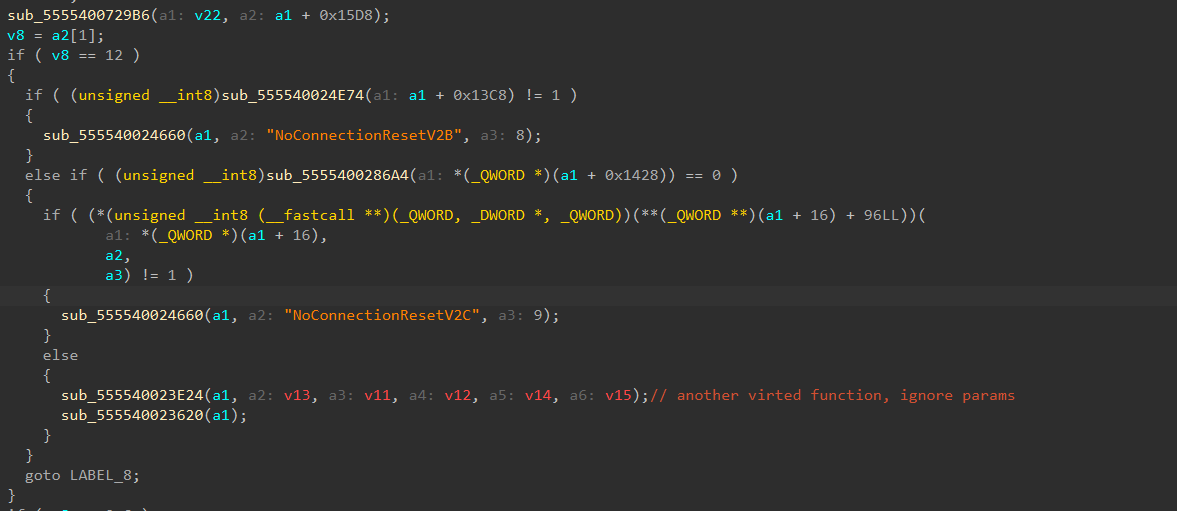
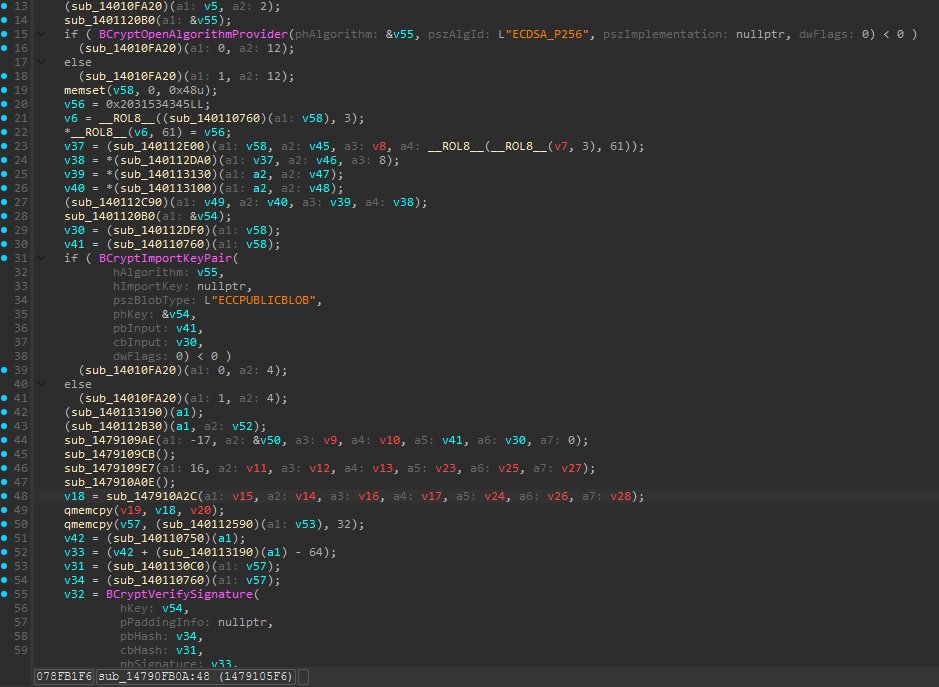
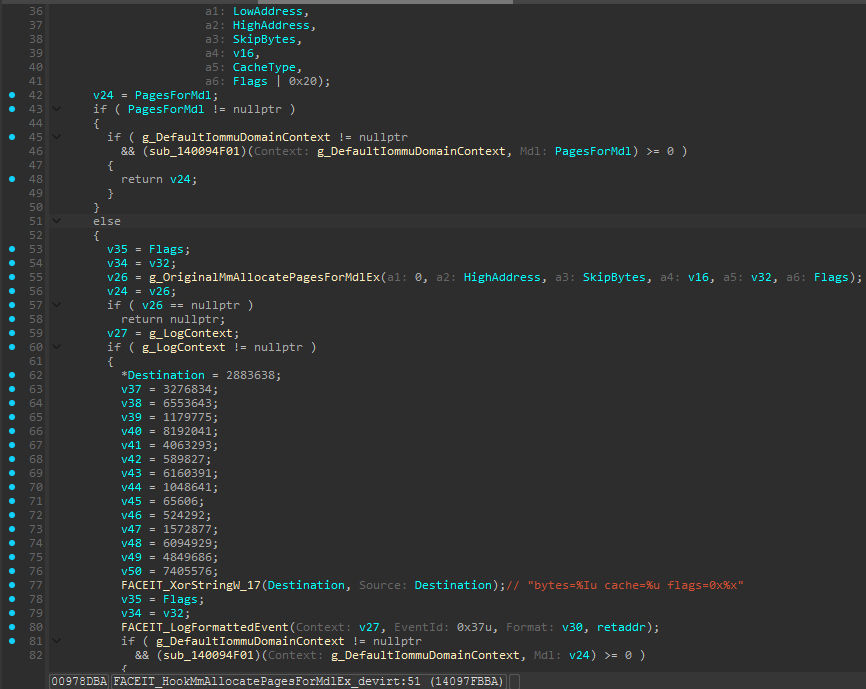
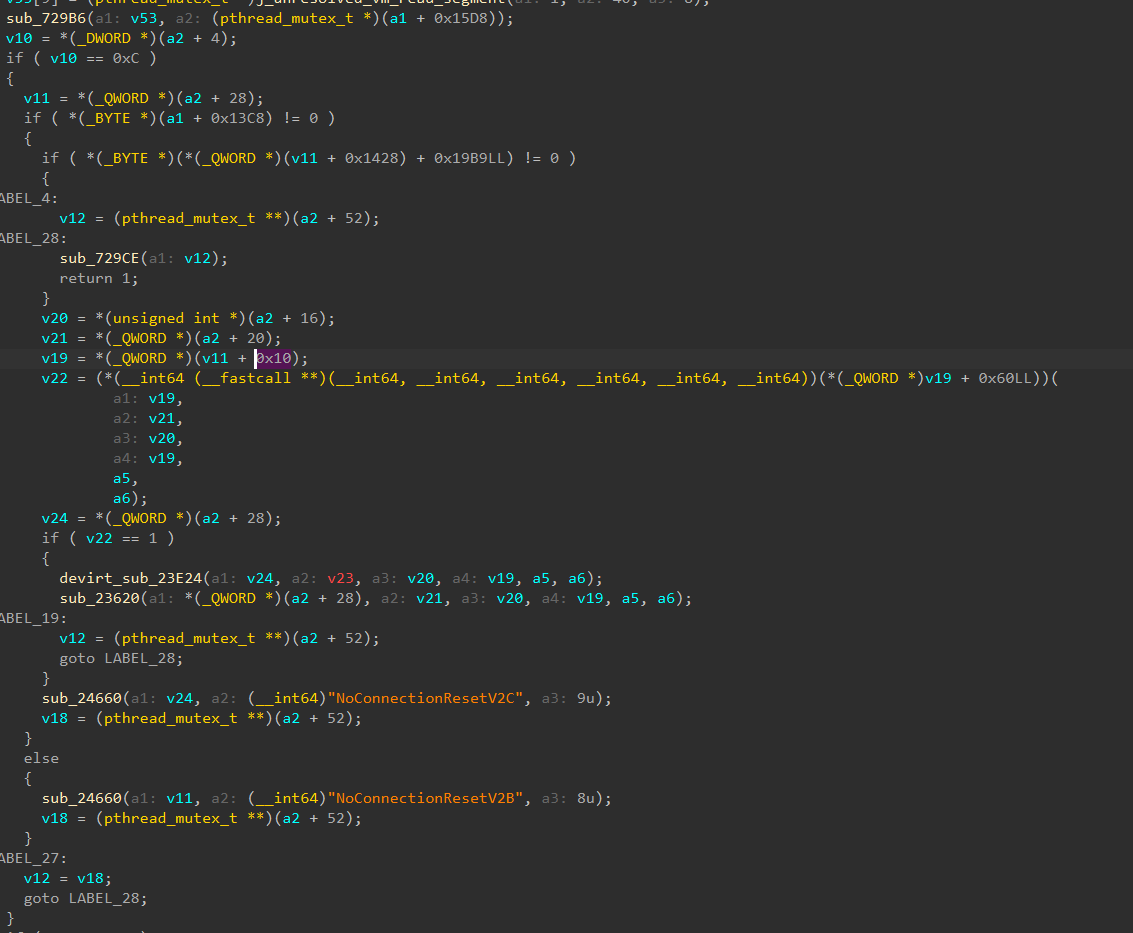
@ozreva I'm not supposed to give some vouch over this but as far as I can tell there's no such malware-like behavior in the rotkc.dll I took a look. Here are some devirtualized routines in it (sr, not very clean!)
SHA256: 2c0a0ee62cccbda36d37574d8ad269b27e568b5daf3cc9bc06b11c54cd8ba746
This is reverse engineering and deobfuscation of publicly available binaries.
I did the same with Riot Games: they know what to do instead of calling in lawyers.
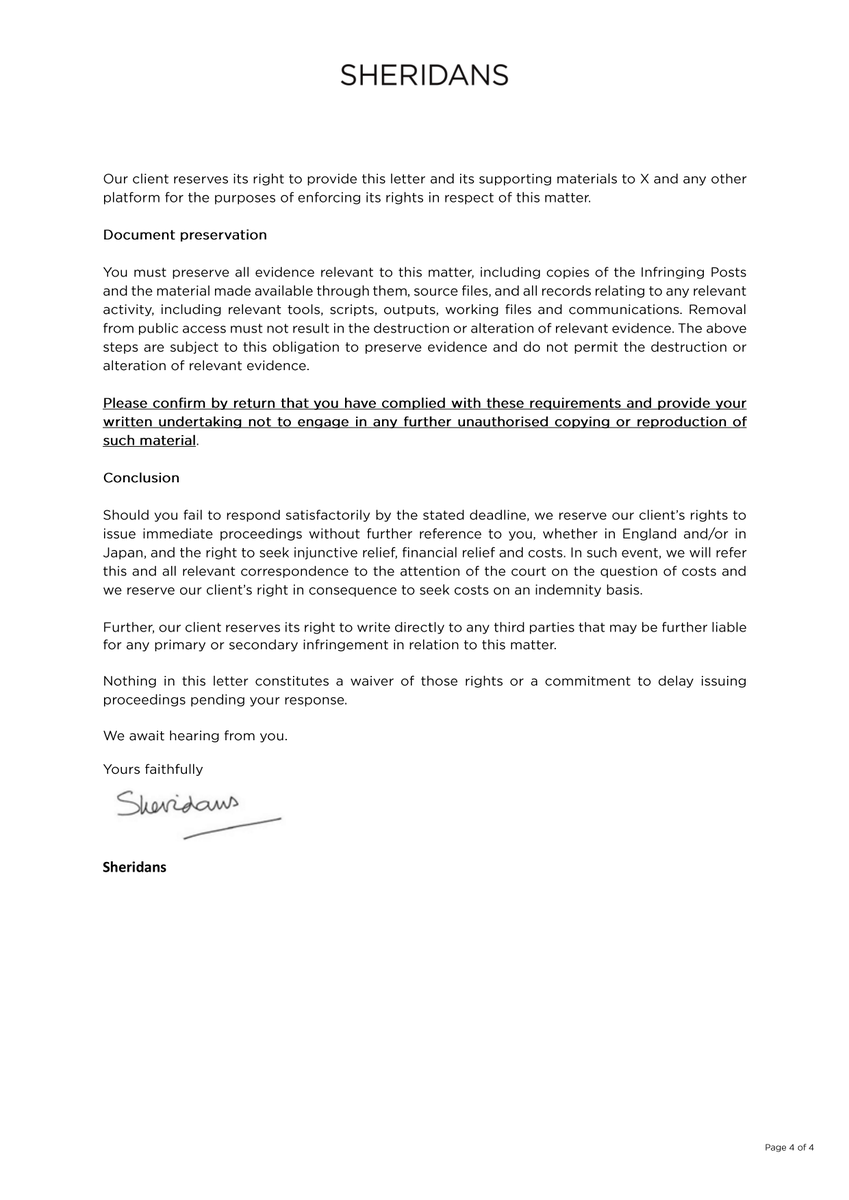
When you have no way out, all you can do is hire lawyers and send legal threats.
Me? I am so scared. I am shaking.
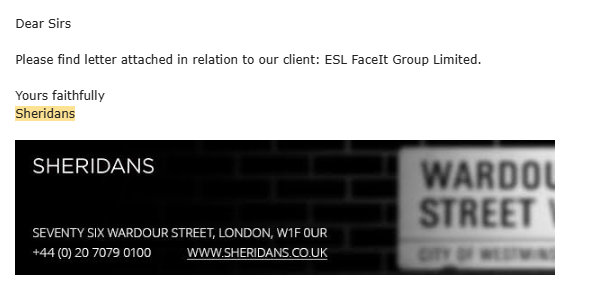
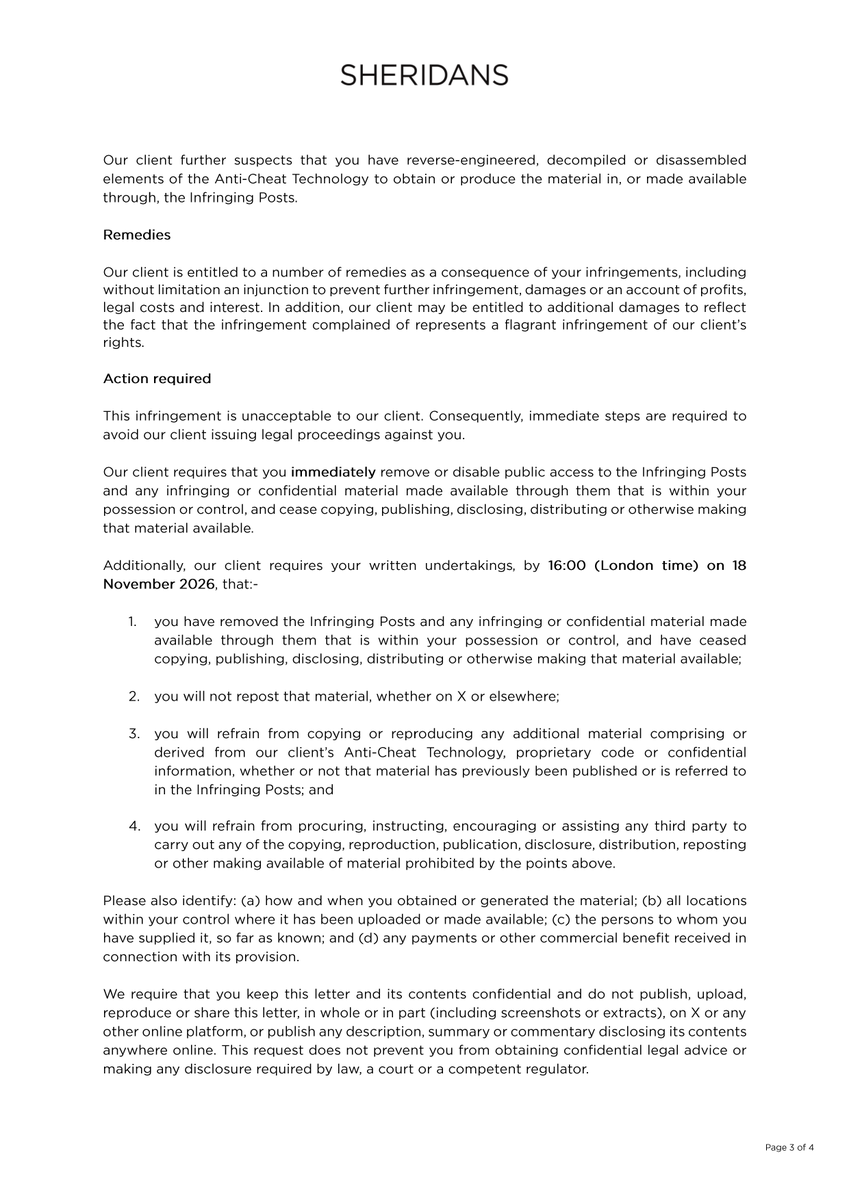
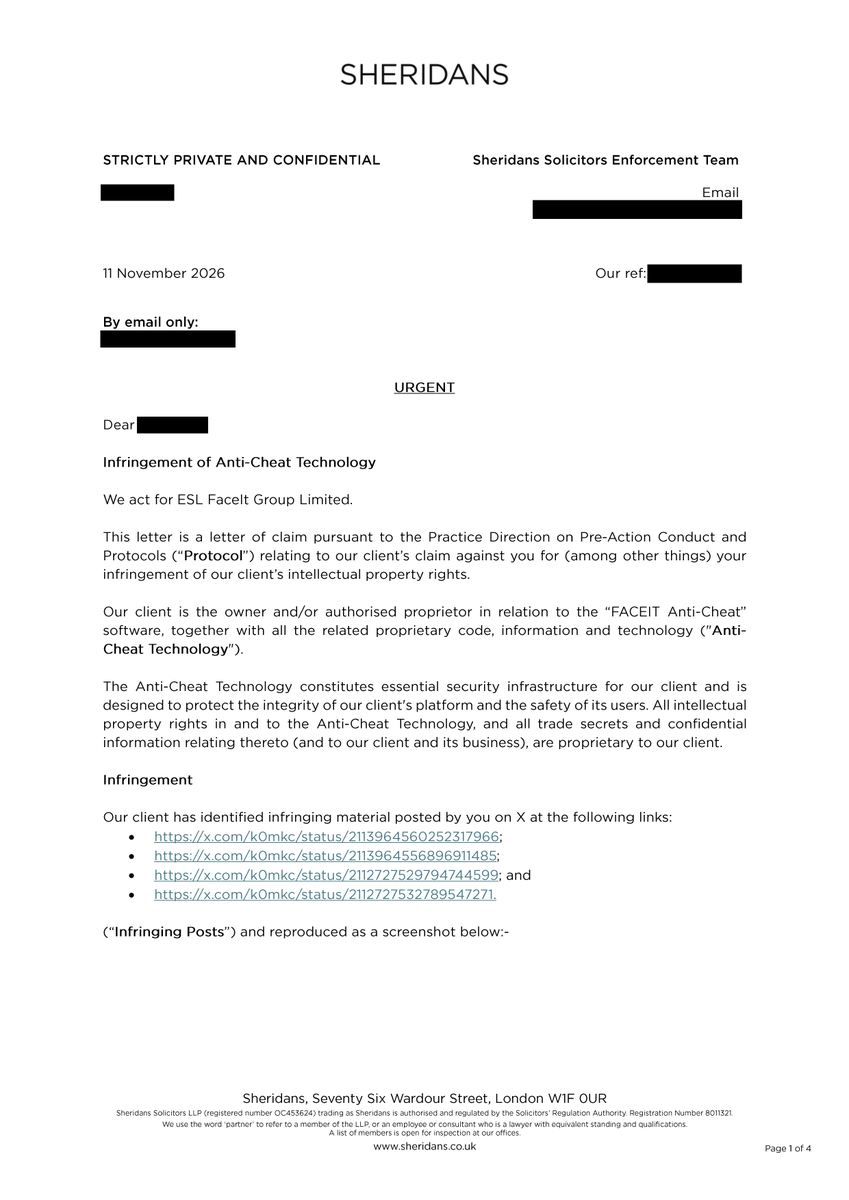
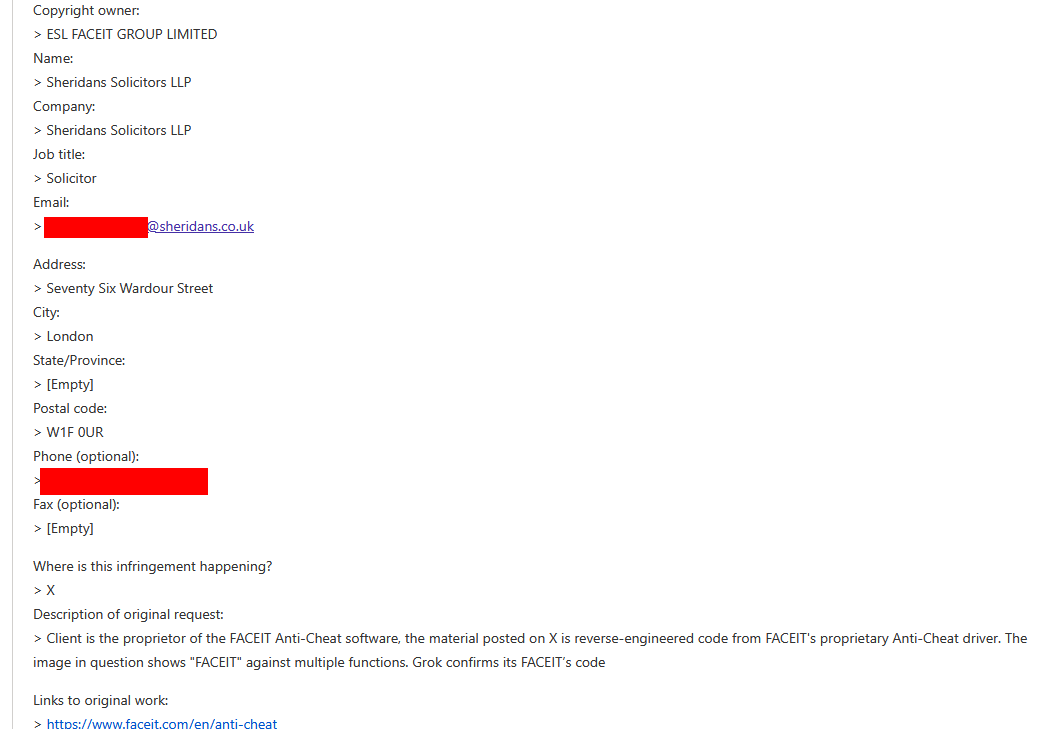
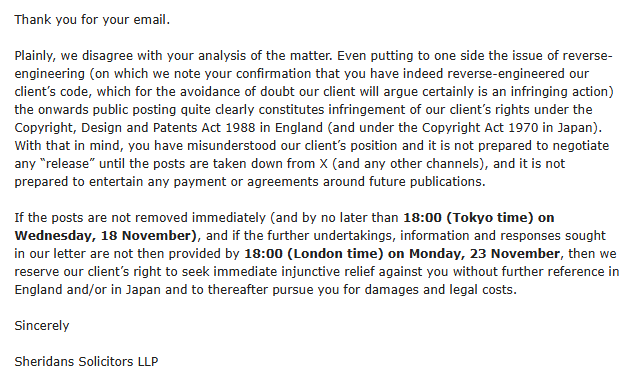
A couple of days ago, @FACEIT & @SheridansLaw threatened me with legal action to get me to delete posts of my work deobfuscating their anti-cheat.
EULA? ToS? I never agreed to either.
Cyberwarfare in FACEIT: the last line of defense is a law firm.
Incredible work!
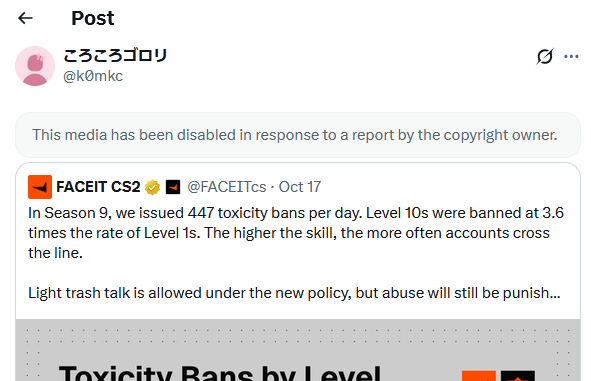
In Season 9, we issued 447 toxicity bans per day. Level 10s were banned at 3.6 times the rate of Level 1s. The higher the skill, the more often accounts cross the line.
Light trash talk is allowed under the new policy, but abuse will still be punished regardless of level.
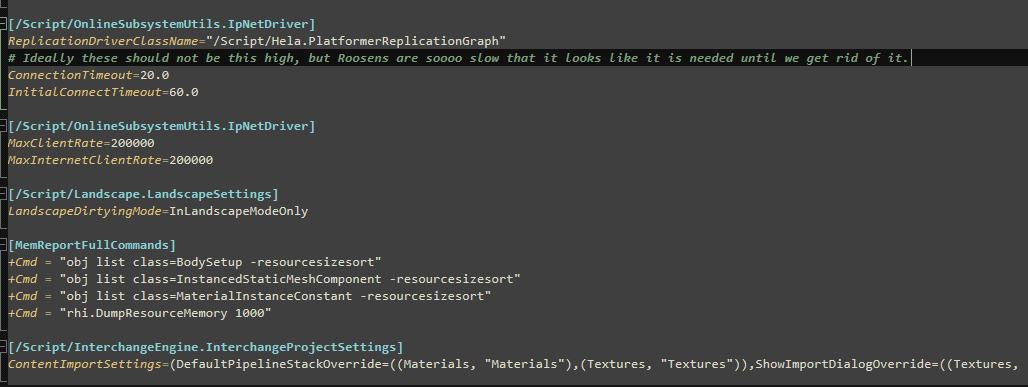
I can independently verify these results are semi-correct. However there are a lot of issues with this output. I will cover it in this thread 👇
This binary is protected with CodeVirtualizer for context.
(Proper devirt on the left, vs AI on the right) func: 0x237F0
@in19h Not to discourage you, those functions calls and memory accesses in the first picture look like VM's own (not sure, out of context here) so would appreciate a bit more of context for us🙂 I see vm_cpuid and I wonder if the vm box them? And how does it handle CALLs?