🚨 Todavía mi cabeza no puede comprender cómo le robaron a Haití tan descaradamente.
❌ Dos posibles penales.
❌ Una plancha a la altura de la rodilla.
❌ Cero llamados del VAR.
🤦♂️ Tres jugadas polémicas, tres oportunidades para revisar... y eligieron mirar para otro lado.
Imagine being in the World Cup while most of the countries who are violent towards your people, calling you all inferior (amongst other anti-Haitian slurs), didn’t even qualify 🫵🏽😭
Oh I know y’all mad 😂😂😂
Ayitiiii cheriiiiiiiii 💙❤️⚔️
SAETA pou jan seleksyon an fidèl ak ou, ane nou fèw vann plis mayo, pouw pat ka ede seleksyon an nan branding nan konsepsyon yon bèl prezantasyon? Nou mechan Anplis ou chanje drapo nou…
#changesaeta
I've waited a few days to comment on this post because
1) it's not really my place
2) it's a delicate / stressful time for our industry
BUT
This is exactly what people like myself and @mechanikalk have been warning about for years
L2s and most of DeFi are building on the wrong foundational layer, and events like this make the structural problem impossible to ignore
I'm not a big player in this game. I'm just heads down working to build a better system. But I think the conversation needs to be had
A few thoughts:
L2s will always be arbitrary enforcement mechanisms. That's the nature of an L2. A small council holding upgrade keys, a sequencer that can reorder or censor, a bridge contract that is really just a multisig with extra steps
The uncomfortable part is what this unlocks next. Once a council freezes funds for a reason most people agree with, the precedent is set
The next freeze happens for a reason fewer people agree with. Then KYC at the sequencer. Then jurisdictional filters at the bridge
The ratchet only goes one direction ⏳
The real answer is to scale the L1, not to pile more trusted committees on top of a chain that can't scale on its own
This is why we built @QuaiNetwork the way we did:
1. Horizontal sharding at L1 with sovereign execution layers, not rollups sitting on top of someone else's chain. Every shard inherits the full PoW security of the network. No council, no sequencer, no upgrade multisig sitting above the execution environment
2. We knew bridging would be the weak point. So cross-chain transfers in Quai are native, handled by the same mining process that secures the network. No wrapped assets, no trusted operators, no "intermediary frozen wallet" anyone can reach into. Transfers are atomic or they don't happen
3. We knew oracles would be the next weak point. So Qi is priced by the cost of energy itself, through PoW mining. The oracle is the mining process. There is no price feed to manipulate, no committee to lean on, no admin key to turn
None of this is a victory lap. It's a hard moment for the industry and the outcome here was genuinely difficult for all involved it looks like
But if the takeaway is "good thing the council was there," we've lost the plot. The takeaway should be that we need foundations that don't require a council in the first place
Keep building. Scale the L1. Study $QUAI and $QI ⚡️💵
Chè zanmi, frè ak sè ayisyen mwen yo.
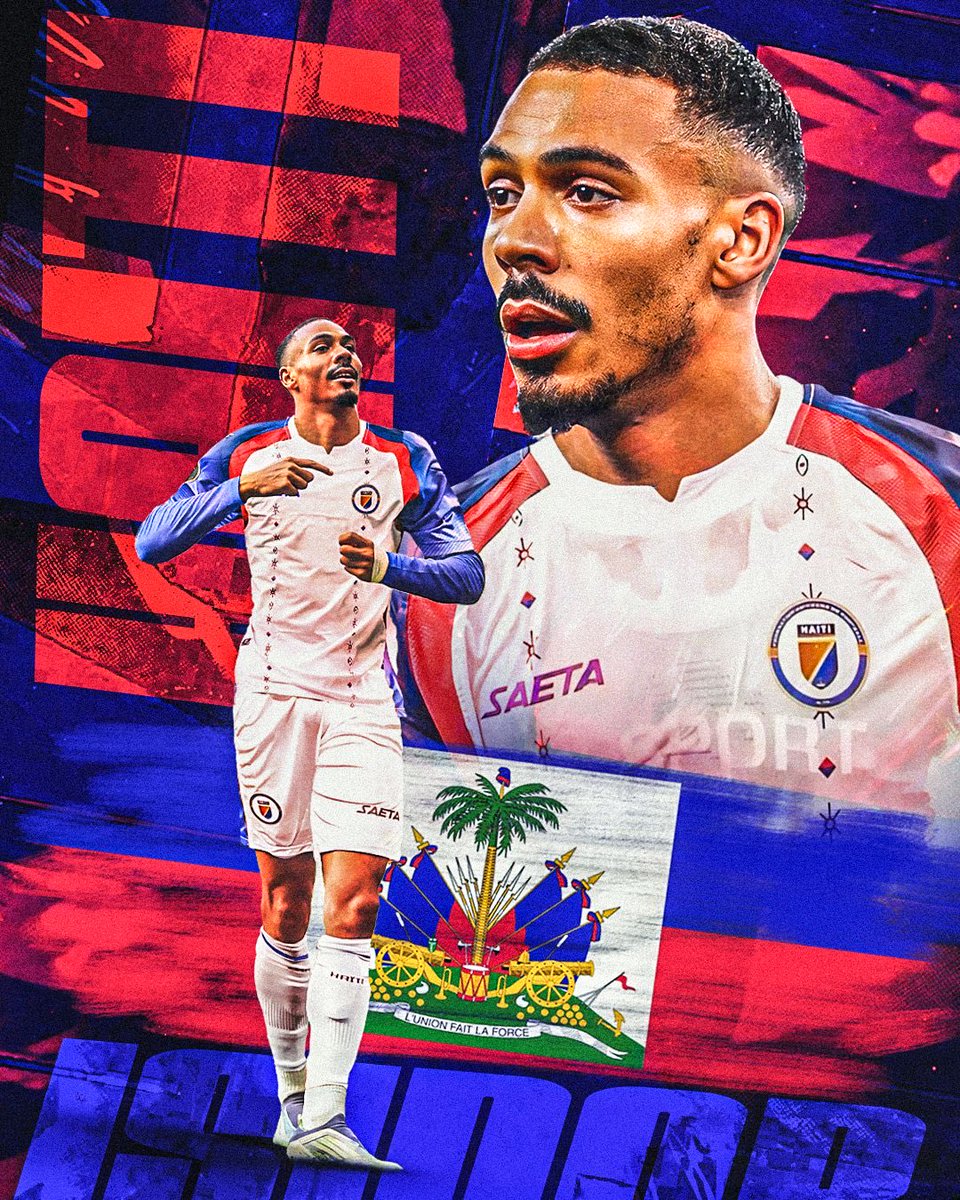
Je vous écris aujourd’hui pour vous annoncer ma décision de répondre favorablement à l’appel de l’équipe nationale 🇭🇹
Ces derniers mois, j’ai reçu une avalanche de messages de votre part, me demandant de rejoindre les Grenadiers. J’ai pris le temps de la réflexion, car je voulais faire les choses bien pour le pays et l’équilibre de toute l’équipe, ne pas précipiter les choses. Mais sachez que j’ai vu tous vos messages et que ceux-ci m’ont touché au plus profond de mon cœur ❤️.
Je suis fier de faire désormais partie de la sélection, et de pouvoir faire honneur à notre peuple, à notre nation. Ensemble, nous avons l’occasion d’écrire l’histoire et de vivre de grandes aventures. J’ai hâte de découvrir la ferveur de notre Diaspora et surtout de vous rencontrer.
Nap wè byento,
Wilson
#GrenadyeAlaso #NouNanBatay #NouNanMondyal #Mondyal2026 #NouRetounen
Ah yes, because when someone earns money in the U.S., it immediately stops being their money and becomes federal property apparently. Sending remittances isn’t “subsidizing foreign economies” it’s people choosing how to spend their own wages. That’s kind of how private income works.
Also, remittances aren’t a government program. They’re voluntary transfers from individuals to their families. If someone works, pays rent, buys food, pays taxes, and then sends part of what’s left to their mother? That’s not a national security crisis that’s capitalism.
The idea that private citizens using their own earnings is somehow “taking $6.1 billion from America” is… creative accounting at best.
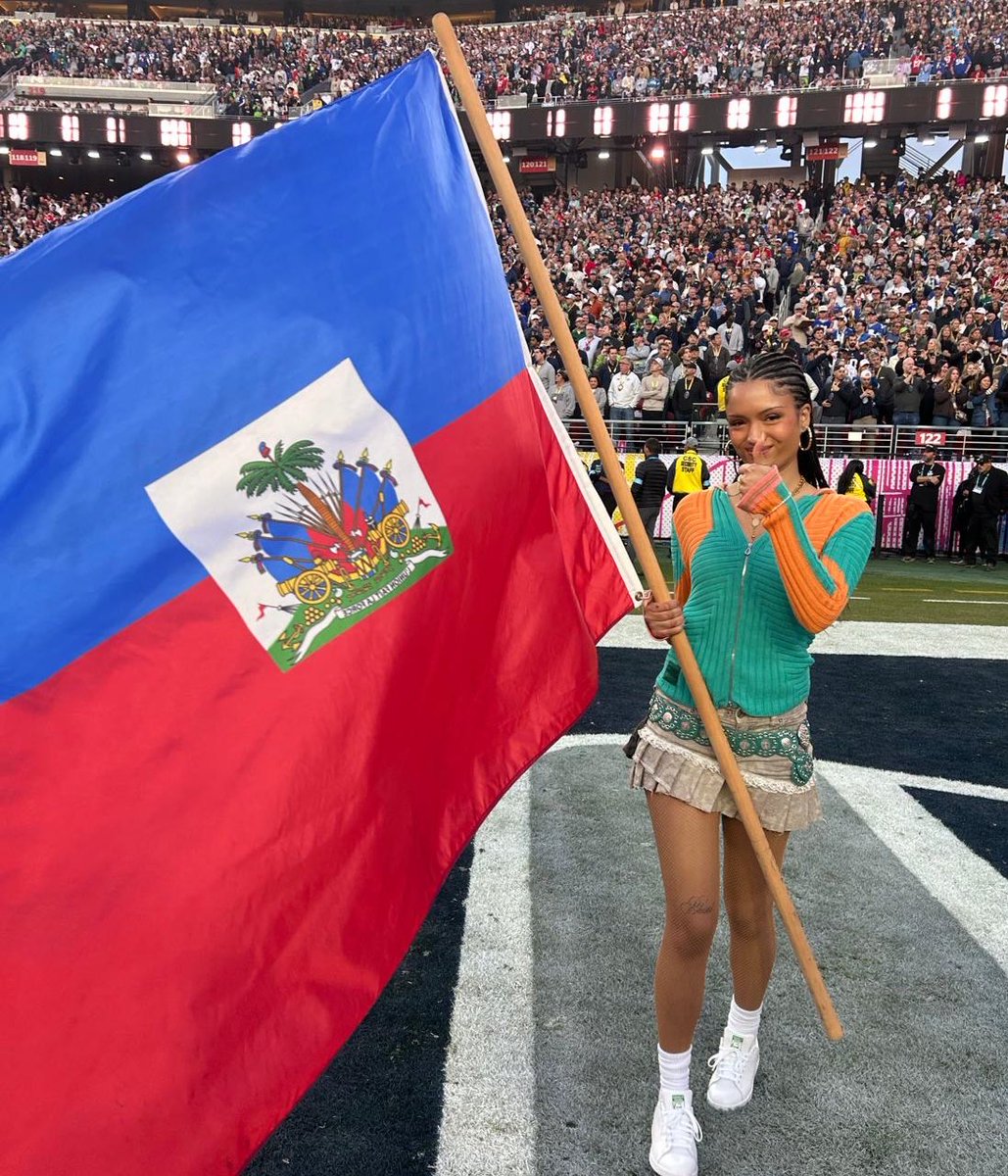
This is one of my favorite details from the halftime show: the ribbed knit top worn while waving Haiti’s flag was basically a quiet conversation with history.
It echoes photographer Jay Maisel’s Haiti, 1973 series, specifically the picture "Haiti No. 59".
Maisel once said those images came from “a nostalgic view of better times,” and somehow that nostalgia found its way onto one of the biggest stage in the world.
From a street corner in 1973 and a fresko cart to a global halftime show decades later, same colors, same soul, "same" Haiti.
Fashion as memory. Culture as continuity. 🇭🇹✨
Thank you for this ❤️ @_dilemmer