High cortisol is the real reason you wake up at 3-4 AM.
It also shaves 5 years off your life — tanks testosterone, locks belly fat, literally shrinks your brain.
If I wanted to fix it without medication, here are 8 things I'd do every day:
1. No food 3 hours before bed.
I've solved more problems on an hour walk than days of overthinking at my desk. No phone. No music. No podcast. Just your feet and the ground, the singing birds, the open sky, and space to breathe. Your best thoughts are waiting. Waiting for the noise to stop. Go for a walk. A long one. A walk to think about things that matter. Alone.
People who crave a slow life are rebels against modern culture. They don’t want constant stimulation. They don’t dream about “grinding” 24/7. They enjoy quiet mornings. Long walks. Thick books. Meaningful work.And being left alone with their thoughts. Because they’re built for depth over noise. For a life that feels good to live. And trying to force a peaceful soul to live in a hyper-stimulated world is one of the fastest ways to lose yourself.
The older I get, the more I believe happiness lives in the ordinary. Pets. Plants. A quiet morning coffee. Blue sky. Cotton clouds. Birds singing. The gentle breeze through the trees. A clean, cosy house. Good food. Good hearted simple poeple. So much of life’s beauty is quiet, gentle, and already here. And somehow, one of the sweetest feelings is knowing I get to wake up and meet it all again tomorrow.
Do you know who he is?
He’s truly incredible. His jumps, his spins, and the way he can spin so long with such beauty are absolutely mesmerizing. His technique is simply outstanding.
Brahms AND Tchaikovsky b otd (1833/1840). So different; but yet - so much in common: irresistible beauty, devotion to classical forms, emotional richness, glorious melodies, the ability to capture the listener's heart - they shared a lot, in fact. And both had excellent beards!
Pressler doesn’t just play Chopin—he feels it deeply. After a long, legendary career, his performance is simple and honest, with no ego. His technique supports the quiet moments, the melody feels like it’s speaking, and the rhythm beats like a human heart. It’s a rare example of a musician choosing emotion and experience over speed and show. 🎶
Wisdom from Confucius - d otd 479:
“By three methods we may learn wisdom: by reflection, which is noblest; by imitation, which is easiest; and by experience, which is the bitterest.”
“Everything has beauty, but not everyone sees it.”
“Wheresoever you go, go with all your heart.”
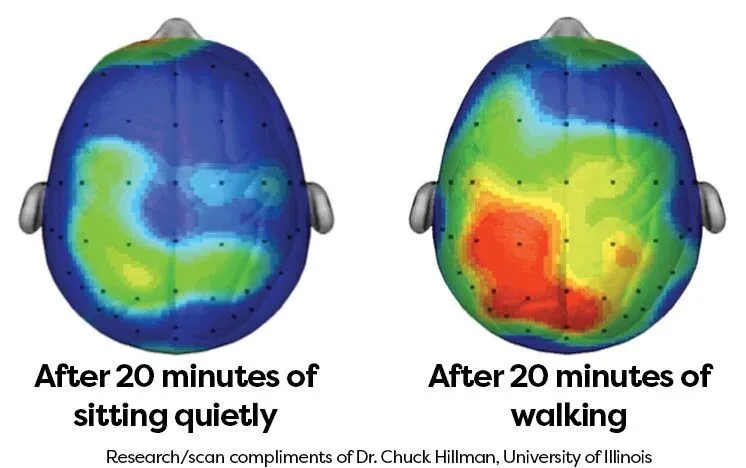
🚨Twenty minutes of walking triggers measurable brain rewiring.
That timeframe should terrify every person chained to a desk. Twenty minutes. Not twenty days, not twenty weeks. In the span of a single episode of a TV show, your brain begins physically restructuring itself at the cellular level.
Neuroscience research reveals that this brief window of rhythmic movement activates gene expression patterns that had been dormant. Within those twenty minutes, your hippocampus starts manufacturing fresh neurons. Your prefrontal cortex begins strengthening synaptic connections. Blood flow to regions governing memory and executive function increases by 15 to 30 percent.
The implications destroy every excuse you've ever made about not having time.
Most people spend twenty minutes scrolling social media, watching random videos, or sitting in traffic. During that same period, they could literally be growing their brain. The opportunity cost is staggering. Every twenty minute block you remain sedentary is a twenty minute block your neural architecture remains static, aging, shrinking.
Researchers tracked office workers who took twenty minute walking breaks versus those who remained seated. The walkers showed immediate improvements in attention span, working memory, and creative problem solving that persisted for hours afterward. Their brains generated more alpha waves, the electrical patterns associated with calm focus and insight. The sitters showed declining cognitive performance throughout the day.
The twenty minute threshold reveals something profound about human neurobiology. Evolution wired our brains to expect regular movement. Our ancestors walked 5 to 10 miles daily while hunting, foraging, and traveling. The modern sedentary lifestyle represents a radical departure from the movement patterns that shaped our neural development over millions of years.
When you walk for twenty minutes, you're not just exercising. You're activating the biological programs that built human intelligence. The rhythmic gait pattern synchronizes brain waves across multiple regions. The increased oxygen delivery feeds neural tissue that's been starved by prolonged sitting. The gentle stress of movement triggers adaptive responses that make your brain more resilient.
Psychology studies reveal that twenty minute walks reduce cortisol levels more effectively than meditation apps, therapy sessions, or pharmaceutical interventions. Cortisol, the chronic stress hormone, shrinks the hippocampus and impairs memory formation. Walking doesn't just lower cortisol. It reverses the brain damage that elevated cortisol causes.
It's found that people who sit for more than 8 hours daily show brain patterns identical to patients with early stage dementia. Their hippocampi are visibly smaller. Their white matter is less organized. Their processing speed declines measurably with each passing year.
Twenty minutes of daily walking can prevent and reverse these changes.
The research suggests that sedentary behavior isn't just bad for your heart and muscles. It's a form of accelerated brain aging. Every hour you spend immobile, your cognitive capacity degrades in ways that compound over time. The good news is that those changes aren't permanent. The brain retains remarkable plasticity throughout life. But you have to activate that plasticity through movement.
Silicon Valley executives have started conducting meetings while walking. They report better decisions, more creative solutions, and clearer thinking. They've accidentally rediscovered what Aristotle knew 2,400 years ago: the best ideas emerge when the body moves and the mind follows.
Your brain evolved to think while moving. Sitting still for hours violates the fundamental architecture of human cognition. Every step you take sends electrical signals through your nervous system that say: stay sharp, build connections, generate insights.
Twenty minutes. That's all it takes to begin rewiring decades of neural stagnation.
What happens if you mix a train jingle from Tokyo with Ghibli-like music?
Yurakucho station from JR Yamanote line meets anime music. At the beginning, we are in Tokyo. After a few seconds, we are in another world.
Enjoy the improv!