UGA Baseball is on a record breaking HR pace entering the Super Regionals, hitting 2.70 HR per game in 2026
1997 LSU - 2.69
1988 BYU - 2.68
1999 Missouri St - 2.53
2024 TENN - 2.52
2024 UGA - 2.51
2025 UGA - 2.40
2022 TENN - 2.39
Only 1997 LSU (188) and 2024 TENN (184) have more HR’s in a season than the 165 UGA has amassed so far this year
On June 1, 2026, Kīlauea volcano on the Island of Hawaiʻi made history.
Its ongoing summit eruption in Hawaiʻi Volcanoes National Park has now produced 48 fountaining episodes—surpassing the previous record set by Puʻuʻōʻō eruption in the 1980s (47 fountaining episodes).
With no signs of this eruption slowing, Kīlauea will continue to rewrite the record books with every new episode.
USGS photos/videos.
Video description: A volcano spews bright orange lava high up into the sky. A distant shot shows a tree branch swaying in the wind, as the volcano erupts lava in the distance. A final closer view of the eruption.
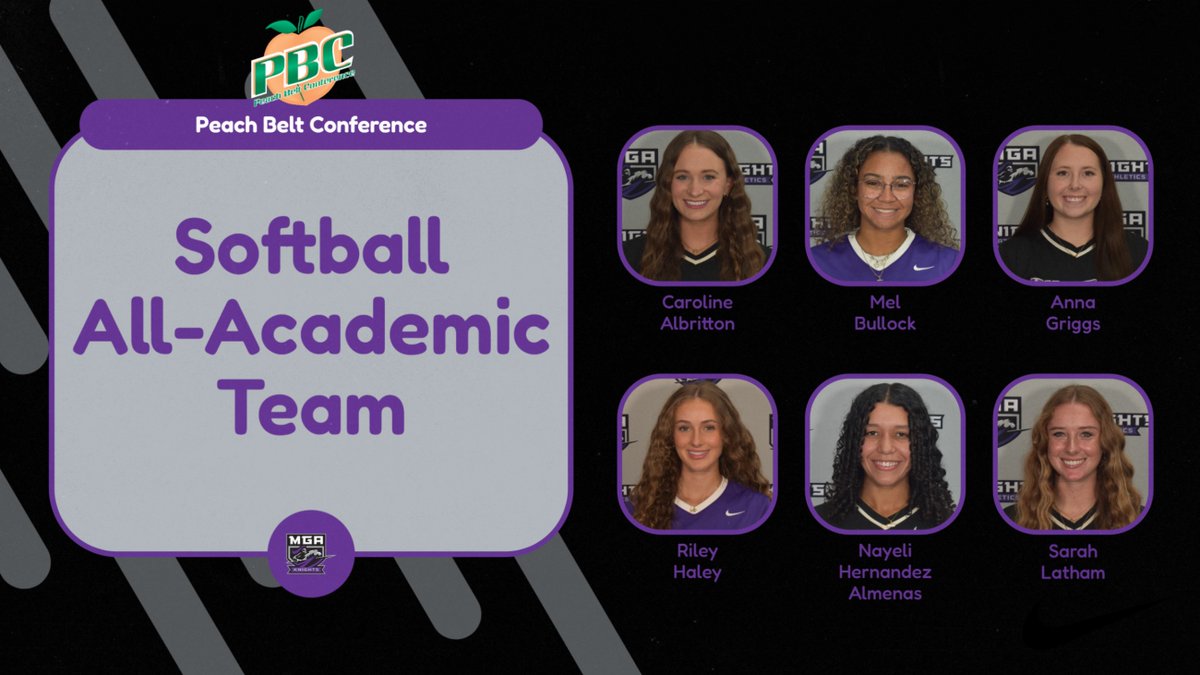
🛣️ Hardeeville, SC road trip complete! USCB 🦈🥎 hosts MGA ⚔️🥎. The venue was Richard Gray Sports Complex. Now closing the book on the end of the 4th ⚔️🥎 road tripping season.
The #RoadToOmaha charges on ⚾️
16 teams. 8 Super Regionals. 1 destination: Omaha, Neb.
June 5-8, catch every pitch of the '26 @NCAABaseball Super Regionals across ESPN networks
Details: https://t.co/m6C21h5giq
Today, let's discuss why agents and people like this guy are so against any rules whatsoever being enforced.
They care ZERO about the well-being of young people or the health of the game. They do, however, care A LOT about having as many money making opportunities for themselves, and when transfers are limited it limits the number of times they can use their "clients" to increase their own profit.
Even when the system they are profiting from so much actually creates negative outcomes for many, many players. Not all, but many.
Let's run it back this weekend!
Athens Super Regional vs. Mississippi State
Game 1: Saturday - 11am
Game 2: Sunday - Noon
Game 3 (If Necessary) Monday: TBD
#GoDawgs
Path to Supers Difficulty
This takes who each team faced in the regional round and adds up the total TSR faced by that team.
Oklahoma facing Georgia Tech three times is the hardest path out of anyone. Even though Auburn lost game one, they still had one of the easier paths.
There are more than 1,000 active NCAA schools and over 550,000 NCAA athletes. Yet more than 90% of the industry's revenue comes from college football and men's basketball. There are approximately 8,000 Power Four football and basketball athletes—roughly 1.5% of all NCAA athletes—driving about 90% of the revenue, or approximately $12 billion annually.
The Protect College Sports Act of 2026 is a solid start, and those involved should be applauded for getting the legislation to this point. We can debate all day about what it does and does not do to protect athletes, schools, conferences, or the broader institution of college athletics.
My fundamental issue is that I don't believe Congress is the ultimate solution to the long-term health of college sports.
The NCAA is systemically broken. More importantly, it is no longer built for what college athletics has become over the past several decades. We can all reminisce about what college football and college basketball once were. But whether you like it or not, college athletics has become a major business, and that reality is not going to change.
I could spend time listing all the ways the NCAA has mismanaged and failed as a steward of college sports over the years, but that's not really the point. In its current form, the NCAA cannot effectively govern or enforce. It is largely powerless.
No system built around those economics is sustainable in its current form.
The only model that won't continually break under this financial reality is a new association or governing structure that properly categorizes and serves the different levels of college athletics. High-level college football and basketball are neither amateur athletics nor fully professional sports. They exist somewhere in between. But if we're being honest, they are much closer to professional sports than they are to softball, tennis, swimming, or many of the other sports operating under the same NCAA umbrella.
That's why any effort focused primarily on protecting or preserving the NCAA is, in my view, a short-sighted approach to a much larger issue. It's treating the symptoms rather than addressing the disease.
So while many will look at the Protect College Sports Act of 2026 and see meaningful progress—and there is certainly a lot of good in it—I believe it ultimately misses the larger issue. Even if it passes, it does not solve the fundamental structural problem facing college athletics. In many ways, it simply prolongs the inevitable.
What college sports truly needs is a governing body designed for the realities of modern high-level athletics, not one built for a world that no longer exists. A system that recognizes the economic realities of Power Four football and basketball while still supporting and protecting the broader collegiate athletic ecosystem.
Until that conversation happens, we will continue applying temporary fixes to a structural problem.
Just my opinion.