@vivek_naskar If it includes 8 microservices... Doesn't it technically mean 8 deployments? By definition, a microservice should be independently deployable
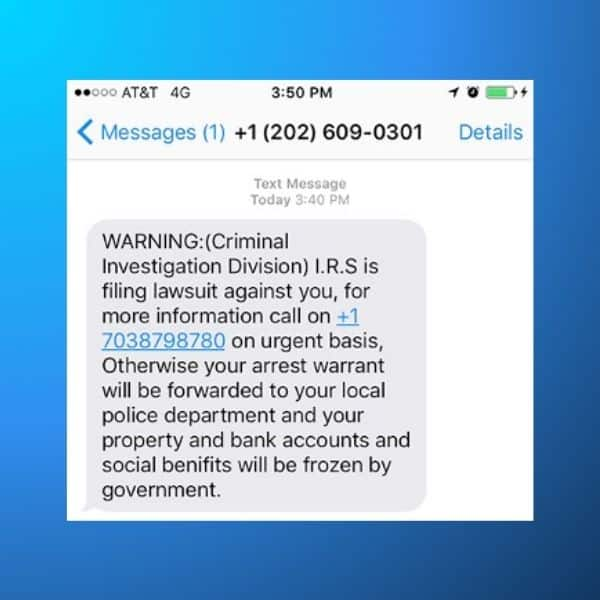
That spelling mistake in a phishing text may not be a mistake.
It may be the scam’s best feature.
A polished phishing message gets replies from everyone:
- potential victims
- skeptical people
- people who will waste the scammer’s time
But those replies are not equally valuable. The costly part starts after someone responds: follow-up, persuasion, and trying to get money.
So some scams use obvious red flags as a filter.
If you notice the broken grammar, you probably leave.
If you do not, you may be more likely to keep engaging.
The scam is not optimized for the most replies.
It is optimized for the fewest false positives.
Microsoft Research analyzed this strategy in advance-fee scams: an implausible message can be more profitable because likely victims self-select.
Important nuance: not every badly written phishing email is deliberate. Some are simply sloppy or poorly translated.
But never assume obvious errors mean the scammer is incompetent.
Never reply, call the number, or use the link. Verify through an official channel you find on your own.
Endpoint security.
Desktop apps turn every employee computer into part of the application. SaaS centralizes code, data, updates, and policy enforcement.
The browser becomes the access layer, not a local copy of the product.
Why did SaaS overtake desktop apps in enterprise?
It wasn’t only subscriptions.
It wasn’t only easier updates.
There is a security reason most people miss.
What is it?