$INVR is live on @ponsdotfamily
CA: 0x9A7C661Be578e50927268fb770146D701b3368e7
Network: Robinhood Chain
This is the only official $INVR contract, posted here and in our Telegram channel.
Telegram: https://t.co/YfP2KUKujN
Claude Code + Obsidian = $100.000 al mes
este tipo te explica en 10 minutos cómo construir agentes de IA autónomos (paso por paso)
🔖 guárdalo y míralo más tarde
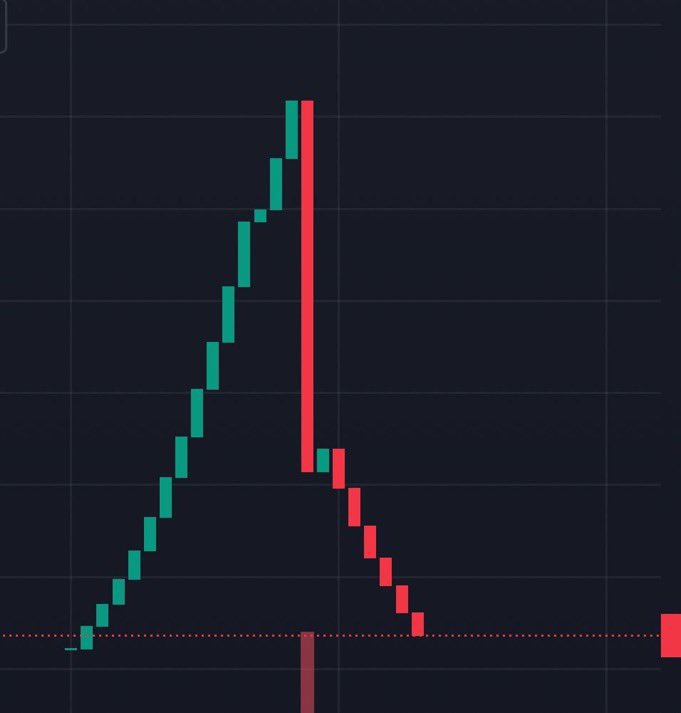
10/10 wasn’t just another liquidation event. It exposed a serious risk in crypto market structure.
Billions of dollars were wiped out, and the industry is still debating what went wrong.
Here’s one explanation worth examining.
1. The 12% APY incentive
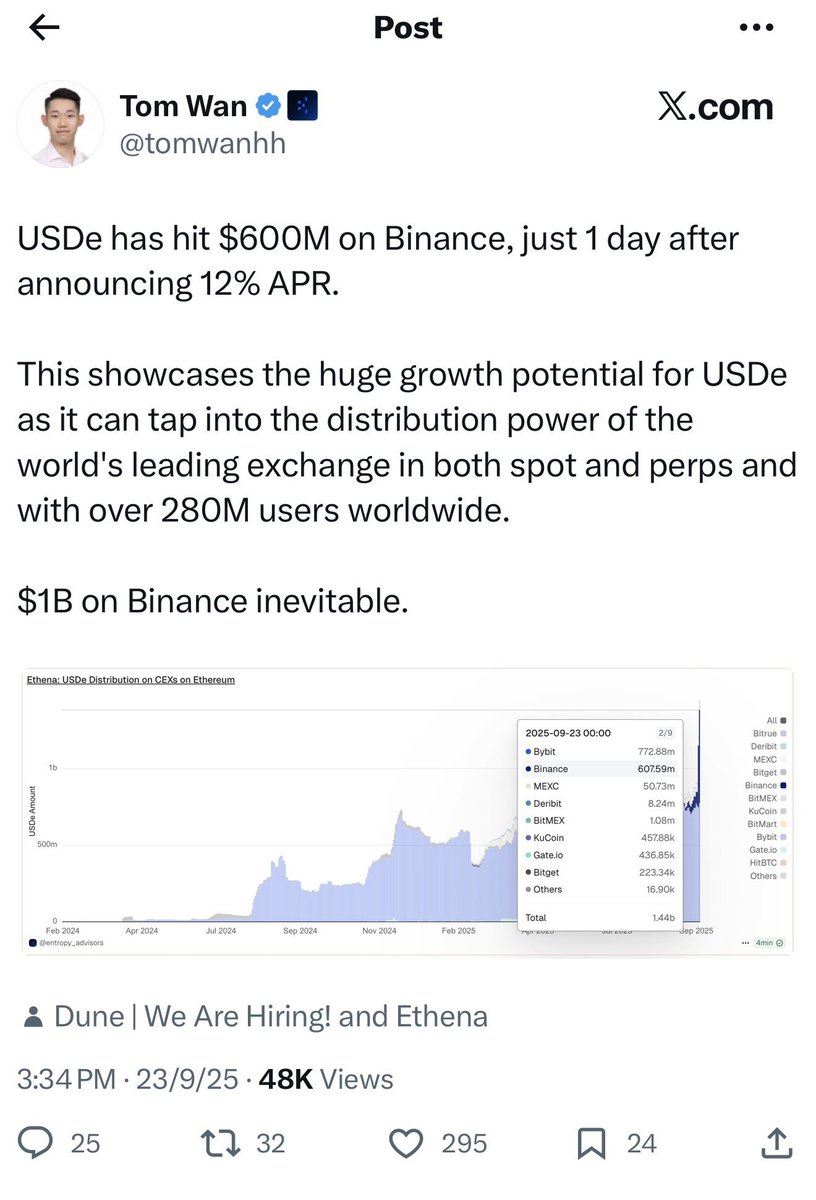
Binance promoted 12% APY on USDe through Binance Earn while allowing USDe to be used as trading collateral. This encouraged users to move capital from USDT and USDC into a product with a different risk profile.
2. Not all stablecoins carry the same risks
USDT and USDC are structurally different from USDe. USDe relies on a delta-neutral strategy involving crypto assets and derivatives. Its risk profile is closer to a complex trading strategy than a traditional cash-backed stablecoin.
3. Leverage amplified the risk
Some users could deposit USDe as collateral, borrow USDT, convert it back into USDe, and repeat the process.
With leverage, attractive yields can turn into much larger exposures. What looks profitable in calm markets can become dangerous when volatility spikes.
4. Then came the cascade
When market conditions deteriorated and USDe came under pressure, liquidations accelerated. Thin liquidity, collateral risks, and forced selling amplified the damage across the market.
The result was a brutal reminder of how quickly interconnected positions can unwind.
The bigger lesson?
High yields aren’t free money. Collateral rules matter. Risk management matters. And a product offered by a major exchange isn’t automatically low-risk.
This isn’t about blindly blaming one company. It’s about questioning the incentives and risk controls that can turn a market shock into a systemic event.
Crypto doesn’t just need innovation. It needs transparency, responsible leverage, and better risk management.
Note: These are allegations and interpretations of the event, not proof that Binance’s campaign alone caused the crash. The precise contribution of each factor remains subject to debate.