Keeping it 100 this Black Friday with Absa! My favourite benefit of the Virtual Absa Visa Card is the dynamic CVV and full control from my app. Hoping for my share of R50 000! ❤️ #WeDoMoreWednesdays#AbsaRewardsBlackFriday
We’re keeping things 100 this Black Friday! Stand a chance to win your share of R50 000 in vouchers! Tell us what your favourite benefit of the Virtual Absa Visa Card is? Reply using WeDoMoreWednesdays❤️
@AbsaSouthAfrica My favourite benefit? I can create up to 3 virtual cards, set limits, and shop online safely — all for R0 monthly fee! #WeDoMoreWednesdays ❤️
Keeping it 100 this Black Friday with Absa! My favourite benefit of the Virtual Absa Visa Card is the dynamic CVV and full control from my app. Hoping for my share of R50 000! ❤️ #AbsaRewardsBlackFriday
We’re keeping things 100 this Black Friday! Stand a chance to win your share of R50 000 in vouchers! Tell us what your favourite benefit of the Virtual Absa Visa Card is? Reply using WeDoMoreWednesdays❤️
We’re keeping things 100 this Black Friday! Stand a chance to win your share of R50 000 in vouchers! Tell us what your favourite benefit of the Virtual Absa Visa Card is? Reply using WeDoMoreWednesdays❤️
From township poverty to becoming one of South Africa’s greatest rugby players. A reflection on his journey, the challenges and the opportunities that changed his life.
Siya Kolisi opens up about the power of prayer, trusting God and finding peace before stepping onto the rugby field. A conversation worth hearing.
African Renaissance Podcast
#AfricanRenaissancePodcast
Tune in 🔗 https://t.co/dViXclLZ36
This goes beyond rugby. Siya Kolisi is addressing real challenges facing our communities. African Renaissance Podcast #AfricanRenaissancePodcast
https://t.co/FFjfpU5qwW
Resilience, teamwork and believing in one another can change everything. Hear Siya Kolisi share valuable lessons from his Springboks journey.
African Renaissance Podcast
#AfricanRenaissancePodcast
Tune in 🔗 https://t.co/ajkbuCwltA
#AfricanRenaissancePodcast
On the people who carry us through life and why success should never mean leaving everyone else behind.
Kolisi: When I was injured and did my knee, we lost a lot of our friends. Three or four of them got shot. I told my friend, ‘You must come and live with me,’ and he did. He didn’t finish matric, but now he’s an agent for Roc Nation. Because I’m like, if I’m going, I’m not going alone. I didn’t make it alone. That’s what I always tell people. Everything I am, I learned through the township. My resilient spirit and many of my values come from there.”
Kolisi speaks about success as something rooted in relationships, loyalty and shared experience. His journey is inseparable from the people who stood by him and the responsibility he feels to bring others along.
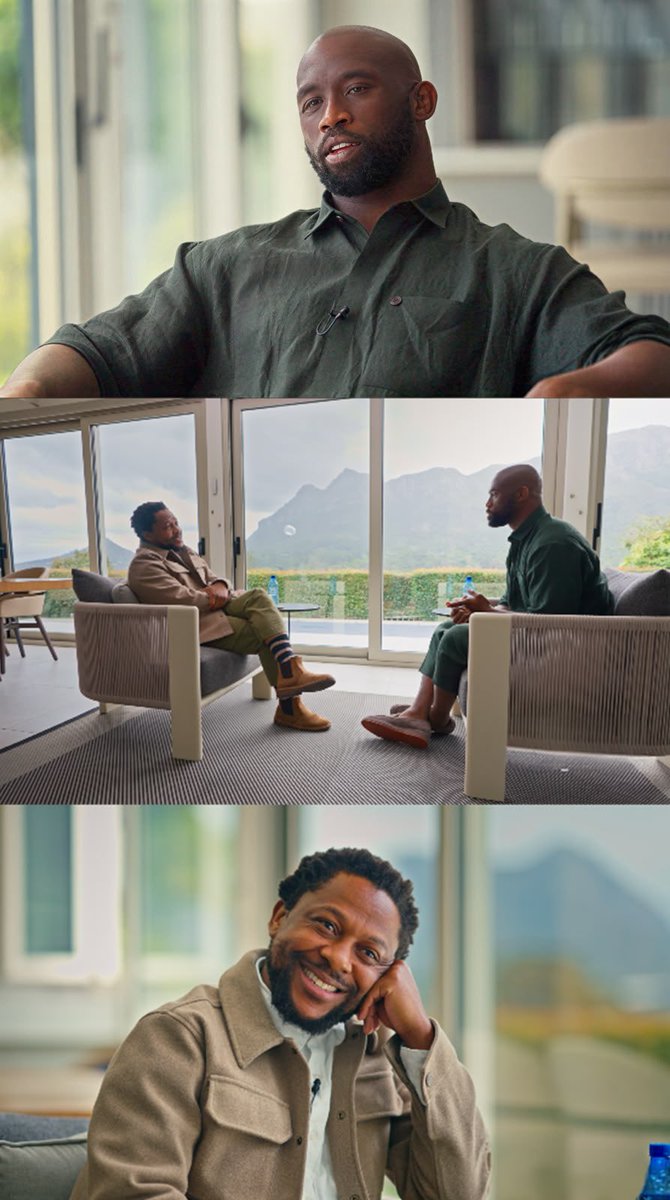
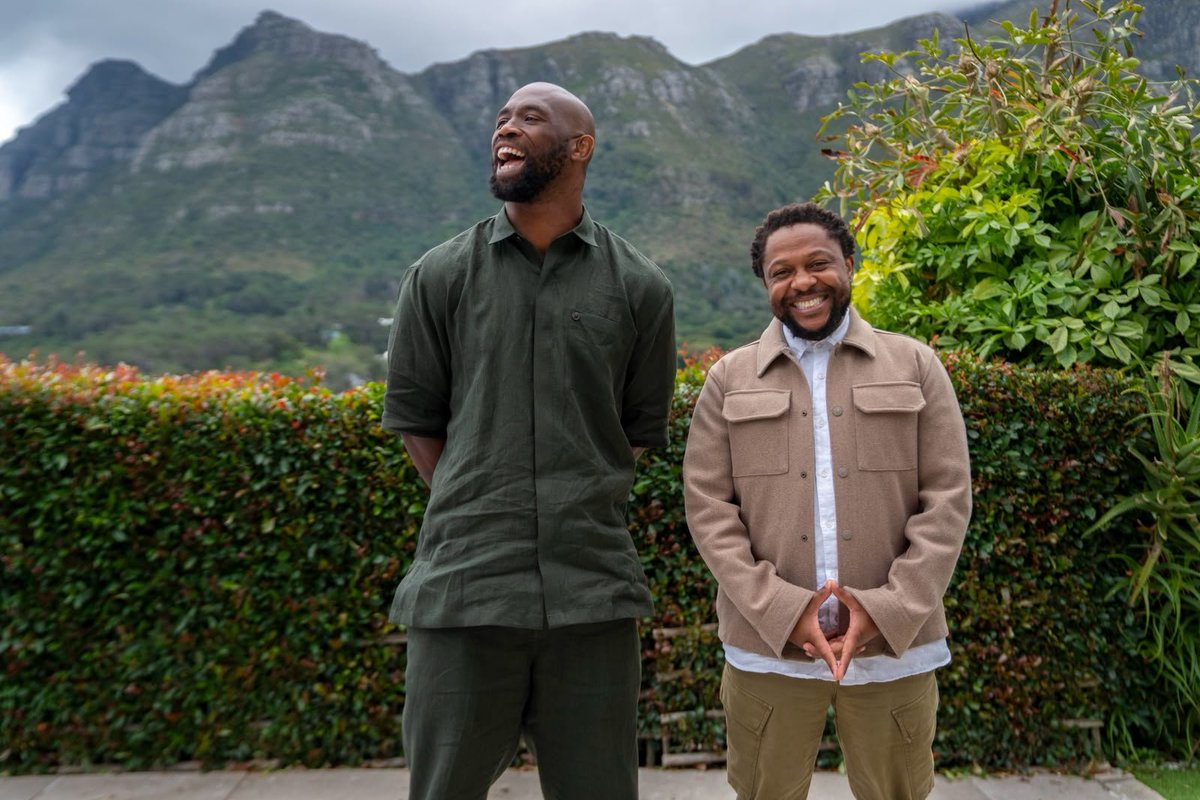
You already know when Siya Kolisi speaks, the whole nation listens. 🗣️ Don't miss his sit-down on the African Renaissance Podcast today at 3 PM!
Siya Kolisi
African Renaissance Podcast
#AfricanRenaissancePodcast
https://t.co/VeXKWyxi9i
Everyone knows the two-time World Cup captain. Almost nobody talks about the weight he carries when the stadium lights turn off.
Siya Kolisi on the African Renaissance Podcast today at 15h00 https://t.co/EIlFisYlk5
#AfricanRenaissancePodcast
#AfricanRenaissancePodcast
On the connection between emotional repression, unresolved pain and violence among men.
SKolisi: It's because we don’t know how to talk. We don’t know how to have conversations. Whenever two men argue, I always knew somebody was going to get beaten. We keep too much inside. I’ve been like that because that’s what I learned. Nobody spoke to me. When things are hard and you can’t meet certain needs, you keep it inside and isolate yourself. Then, the moment you let it out, it explodes.
Kolisi reflects on a culture in which men often struggle to express vulnerability or deal with difficult emotions. The silence does not make the pain disappear. It can allow it to build until it finds another, sometimes destructive, outlet.
#AfricanRenaissancePodcast
On the conversations men avoid having and the responsibility to model healthier ways of dealing with emotions.
Kolisi: We talk about what we want to do, but we don’t actually sit down and check on each other. We don’t ask, ‘Are you, bro? Are you really fine?’ That’s something I’ve had to learn. I’m not only responsible for myself; I’m responsible for my children too. If I don’t express how I feel to Nick, how is he going to know how to talk to our child and teach him how to deal with emotions?
The conversation about masculinity cannot end with telling men to speak up. It must also confront how men learn to communicate, how they support one another and what their children absorb from watching them.