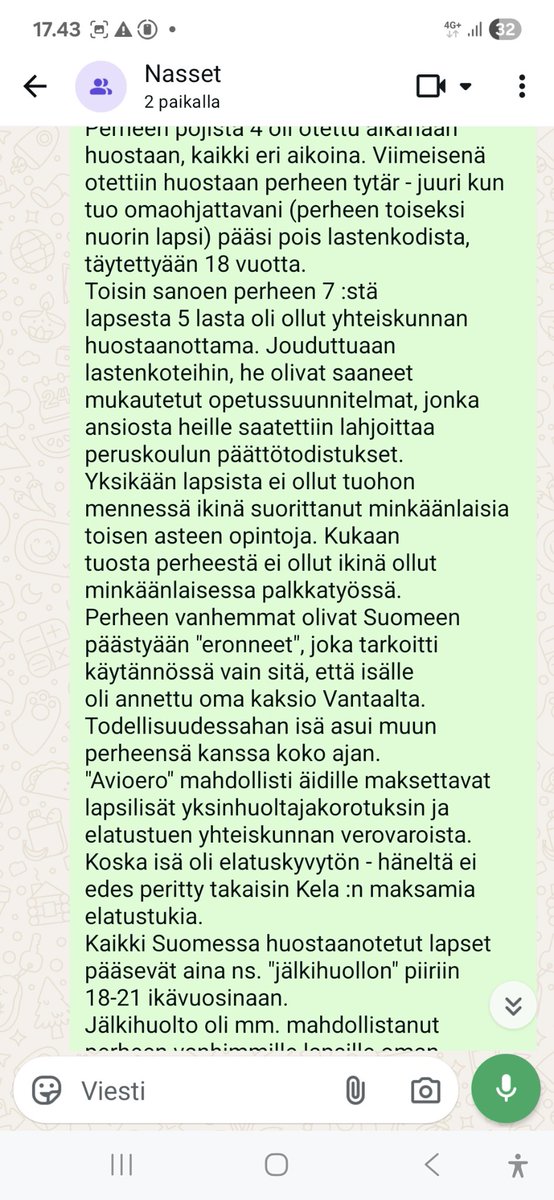
A Before and After comparison of a residential building renovation at Achenbachstrasse 43 in Düsseldorf, Germany
In 2021, the original modernist clinic building was demolished and replaced with a new, traditional brick style apartment.
Proof that it can be done.
Ohjelmassa seuraa pitkä tositarina yrittäjäkansasta.
Lue loppuun asti. Tarina muuttuu yhä jännittävämmäksi. Ja hinta Suomen veronmaksajille kohoaa taivaisiin.
Jos sinulta v*tutuksen takia menee yöunet, älä syytä minua. Mitäs luit!
1/2
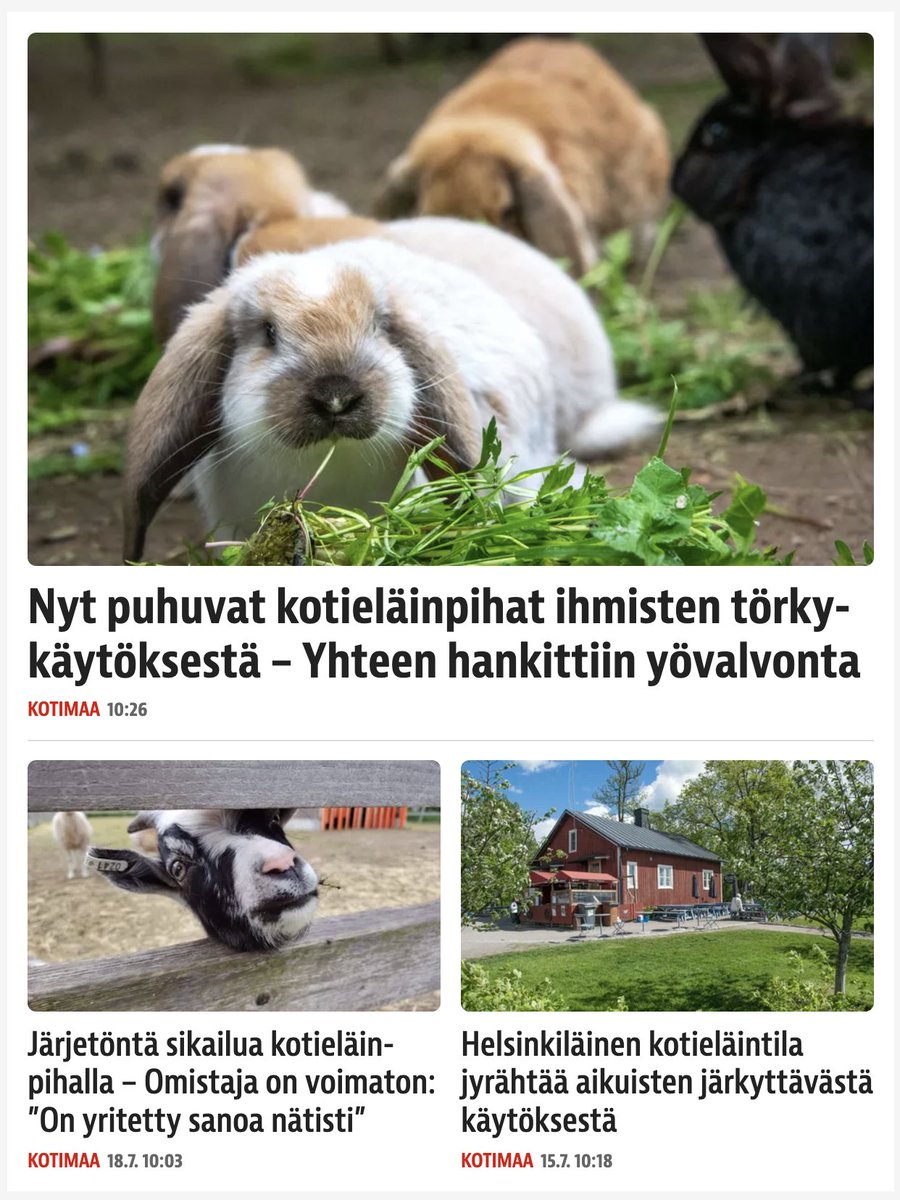
Korkean luottamuksen yhteiskunnan periaatteilla toimiva kotieläintila matalan luottamuksen yhteiskunnista tulleiden muslimien alueella.
Mitä voisikaan tapahtua?
Melkoisia sattumia käynyt:
- Garden Helsingin 35M päärakennuttaja on SRV, jonka suurin omistaja on Ilpo Kokkila.
- Valtio pelasti Valmet Automotiven 120M rahoituksella. Autotehtaan suurin omistaja tuolloin oli Ilpo Kokkila.
- Kokoomussäätiön hallituksessa istuu Ilpo Kokkila...
Uusi Kotitila testissä ja huhhuh mitkä mestat! 😍👇
Jos sä oot yhtään kiinnostunut siitä, mitä suuhusi laitat, tämä paikka on pakko ottaa haltuun. Kotitila ei nimittäin oo mikään ihan tavallinen kauppa, vaan puhtaan ja vastuullisen ruoan sydänpaikka. Heidän koko toiminta perustuu kestävään ja läpinäkyvään ruokaketjuun, jossa suomalaisia pientuottajia todella arvostetaan.
Ja yks juttu mitä arvostan suuresti on, että he tekevät myös jotain sellaista, mitä näkee aivan liian harvoin: todellista Zero Waste -toimintaa. Nurmiruokitun naudan ruhoista käytetään aivan kaikki. Rasva kirkastetaan myyntiin ja luonnonkosmetiikkaan, luista keitetään ravitsevaa luulientä ja jopa elimet hyödynnetään. Ja hävikkiä ei näy!
Mä ainakin tykkään tästä sijainnista vielä enemmän kuin edellisestä! JA tällä viikolla la 18. heinäkuuta Kotitilan uudella terassilla onkin luvassa megabileet tansseineen ja iltadiskoineen! 💃🕺
@Kotitila_fi
Uusi osoite: Haapaniemenkatu 9, 00530 Helsinki 📍
Kun Suomeen muuttanut henkilö haluaa vaalia omaa kulttuuriperintöään ja kieltään, se on hyvää ja oikein.
Kun suomalainen haluaa vaalia omaa kulttuuriperintöään ja kieltään, se on rạsismia, fạsismia, ahdasmielisyyttä ja syrjintää.
Näissä artikkeleissa on aina joukko ylempään keskiluokkaan kuuluvia asiantuntijoita ihmettelemässä sitä, miksi nuoria valkoisia miehiä ei kiinnosta monirotuinen homokommunismi. Asiat vain tapahtuvat, ilman että ne olisivat reaktioita mihinkään.
https://t.co/VNmb7ild4h
Muslimimaahanmuuttaja puhuttelee naispoliisia Montrealissa: ”Likainen vitun lutka, sulje suusi, iljettävä koirakasvoinen huora. Ostan sinut ja teen sinusta orjani.” Näitä virtaa kaiken aikaa Eurooppaankin. Jos et tykkää siitä, olet rasisti.
There's a legitimate argument to be made that the Finns and the Lithuanians are the only European pagan groups still left and still thriving.
There are two ways of understanding religion:
1. Orthodoxy (the right way of believing)
2. Orthopraxy (the right way of doing things)
While 70% of Finnish population is nominally Christian, most of them don't believe or practice according to Christian dogma. They practice like their ancestors did.
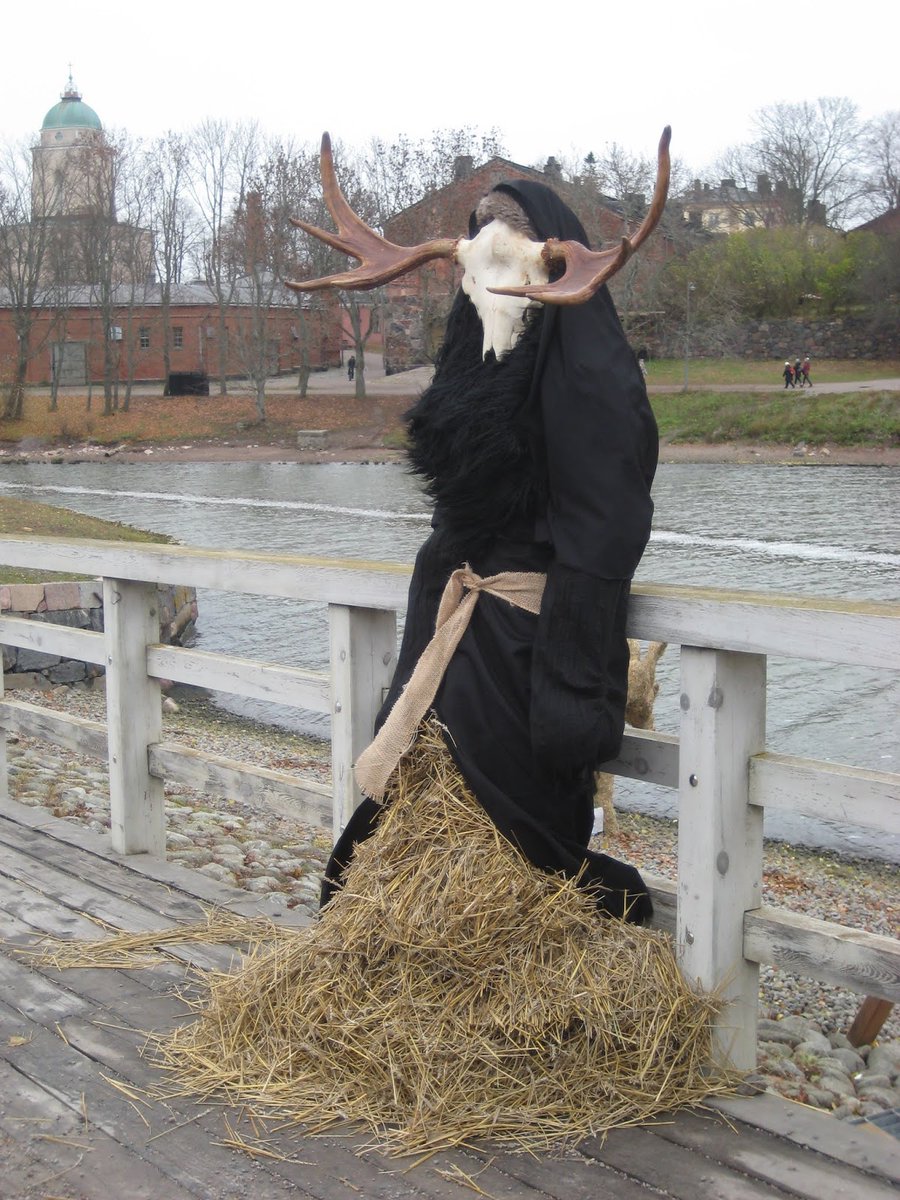
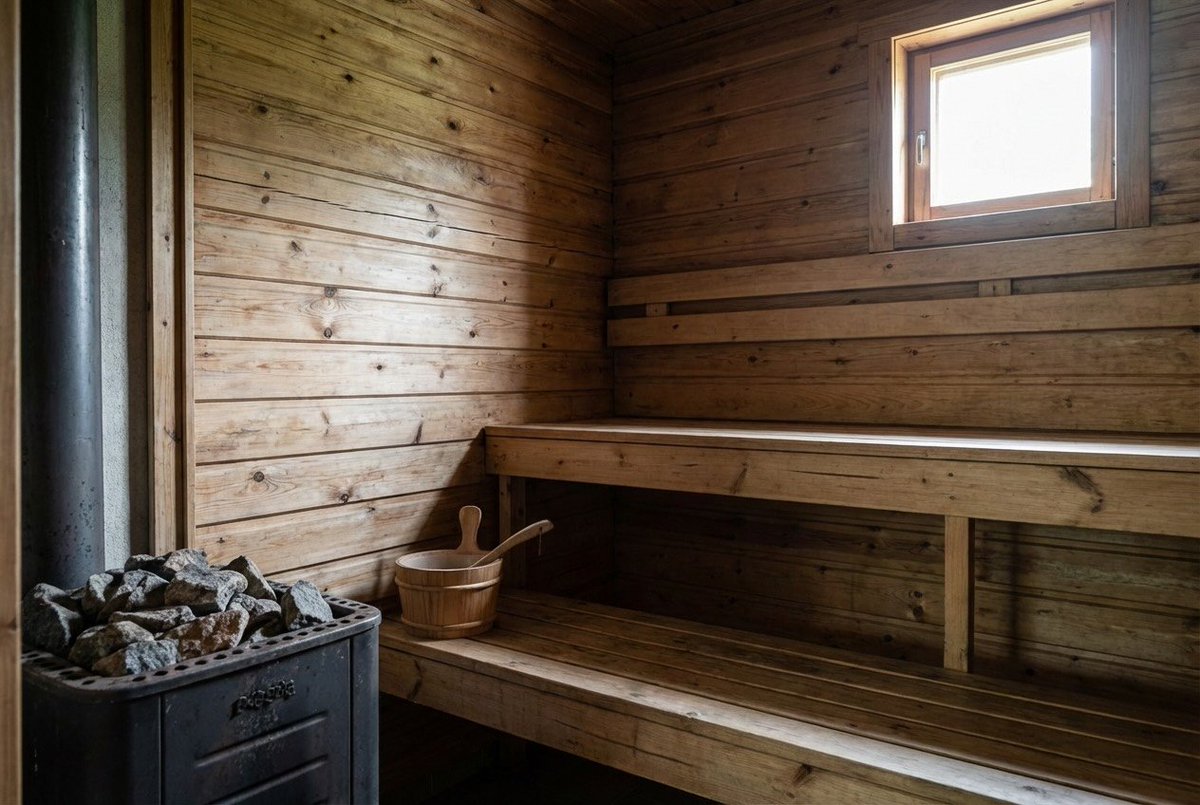
The sauna is and always has been the holiest spot in the Finnish home. The Finns continue to observe Kekri and celebrate solstice by lighting Juhannuskokkos every summer, getting wasted and making a terrible ruckus just as their ancestors did to ward off evil spirits.
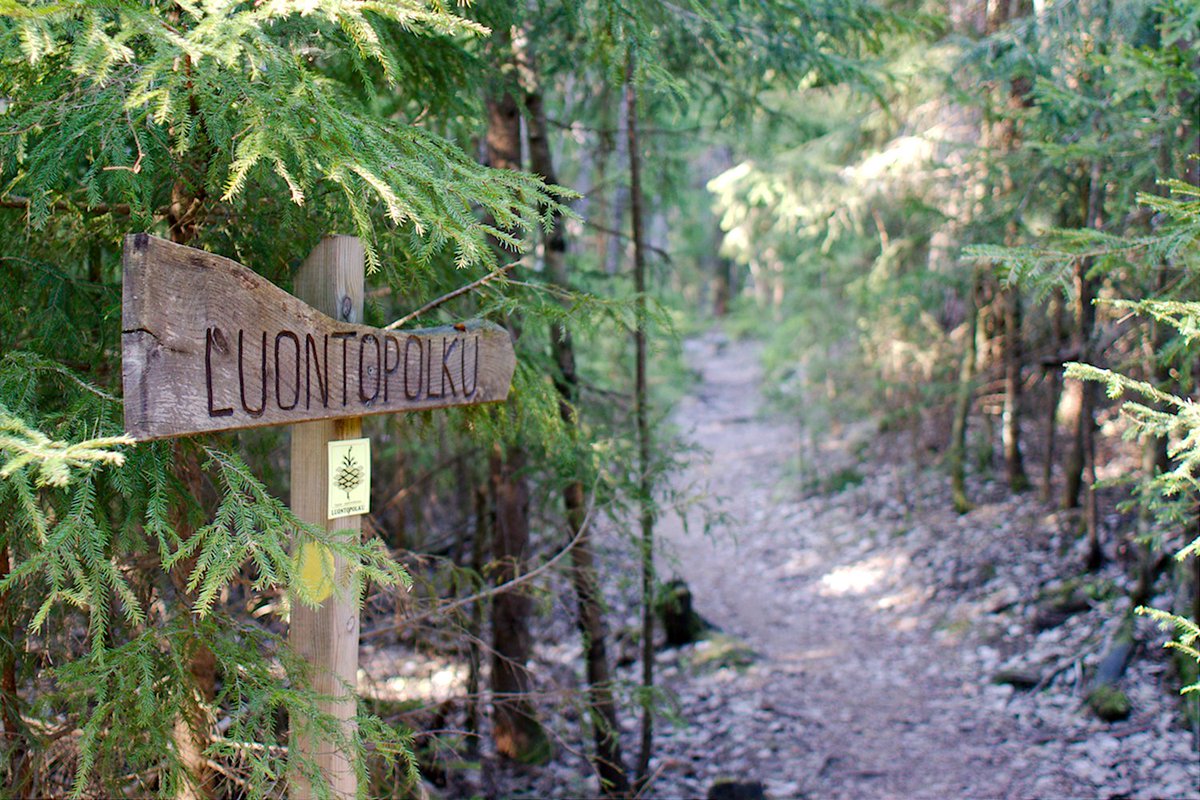
Every Finn also has a Metsäsuhde — a relationship to the forests of the land that goes far beyond extractive and becomes spiritual in practice. The forest isn't something to conquer, or to escape to. It's not a theme park where you go to relax. It's an active part of everyday life that can be found everywhere, from countryside to metropolitan Helsinki — an ecological continuation of one's home environment no different from one's kitchen, or, indeed, the Sauna.
Parents also likewise continue to pass ancient myth and musical tradition down to their children by singing traditional lullabies in the Kalevala meter and teaching them about our national epic.
This "ancestrality" is largely unconscious. Because it is not performative. It isn't done to "prove" one is a pagan or a traditionalist. It is shielded from the critiques and changes that affect self-conscious religious movements.
If it were a dogmatic religion, it would be subject to arguments about its validity or "truth." Because it is simply the way one lives, it is incredibly difficult to uproot. It has become encoded in the "default settings" of the culture. The way they live is closer to Shintoism than anything else. Japanese people have noted a deep sense of kinship with the Finns, even.
As Christianity continues to decline into the future, Finnish people will persist with their ancestral ways of life which will outlive the imposition of the outsider faith.
By framing it as orthopraxy, one can move the conversation away from "what people claim to believe" (which is easily surveyed and categorized) toward "what people actually do," which often reveals a much deeper, more ancient, and arguably more persistent layer of human tradition.
So, did Baltic Finnic Paganism ever really die? I guess it depends on how you define what religion actually is.
While the average Finn would doubtless never self-identify as a pagan, and the entire concept of "pagans," is a foreign, oppressive import that doesn't describe anything that's actually Finnic, the way Finns live represents a practical and ritualistic continuation of a lifeway that started in the stone age and survived through 800 years of colonialism and oppression under the Swedes and the Russians.
Maahanmuuttömyönteiset: Suomeen pitää saada lisää maahanmuuttajia
Maahanmuuttomyönteiset myös: en varmasti muuta asumaan maahanmuuttajaghettoihin, mikä on valkoisin alue, me muutamme sinne.