@sporadica@PalmerLuckey China isn't a monolithic entity - frontier labs such as DeepSeek and Moonshoot have a short-term monetary incentive to deliver; the government has a long-term national security incentive to be self-sufficient.
Ref: https://t.co/VCQym1MKam
the jensen debacle is still in the midst of unfolding; but, the timing is far too coincidental.
much can be understood from simply following structural incentives. who gains? who loses?
applies to much of life.
@mytypefyi this largely reflects demographic composition rather than intrinsic differences in cities.
sf which is 35% East Asian will naturally select EA faces at higher rates due to in-group bias.
the cleaner design is to stratify by rater ethnicity, e.g. white americans in sf vs okc.
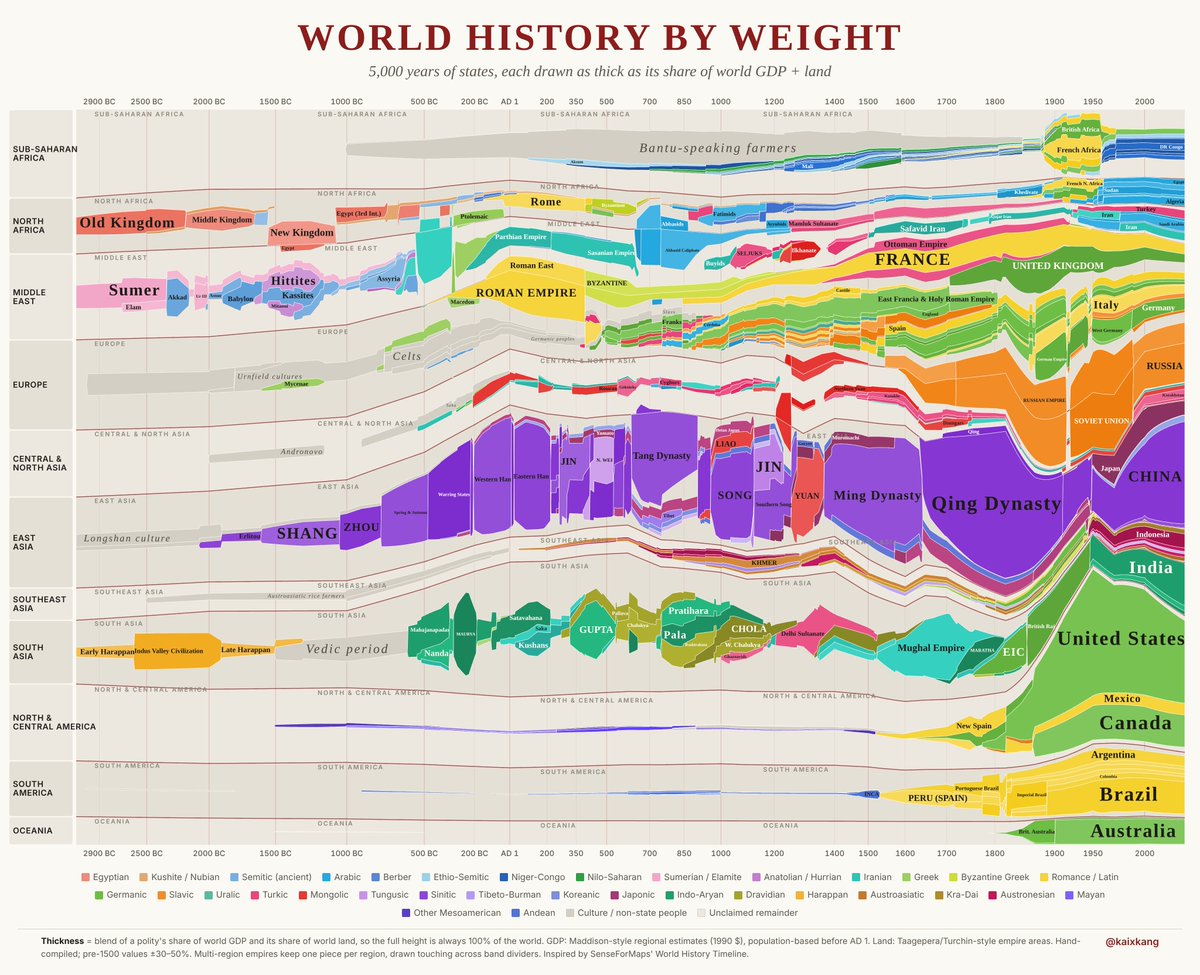
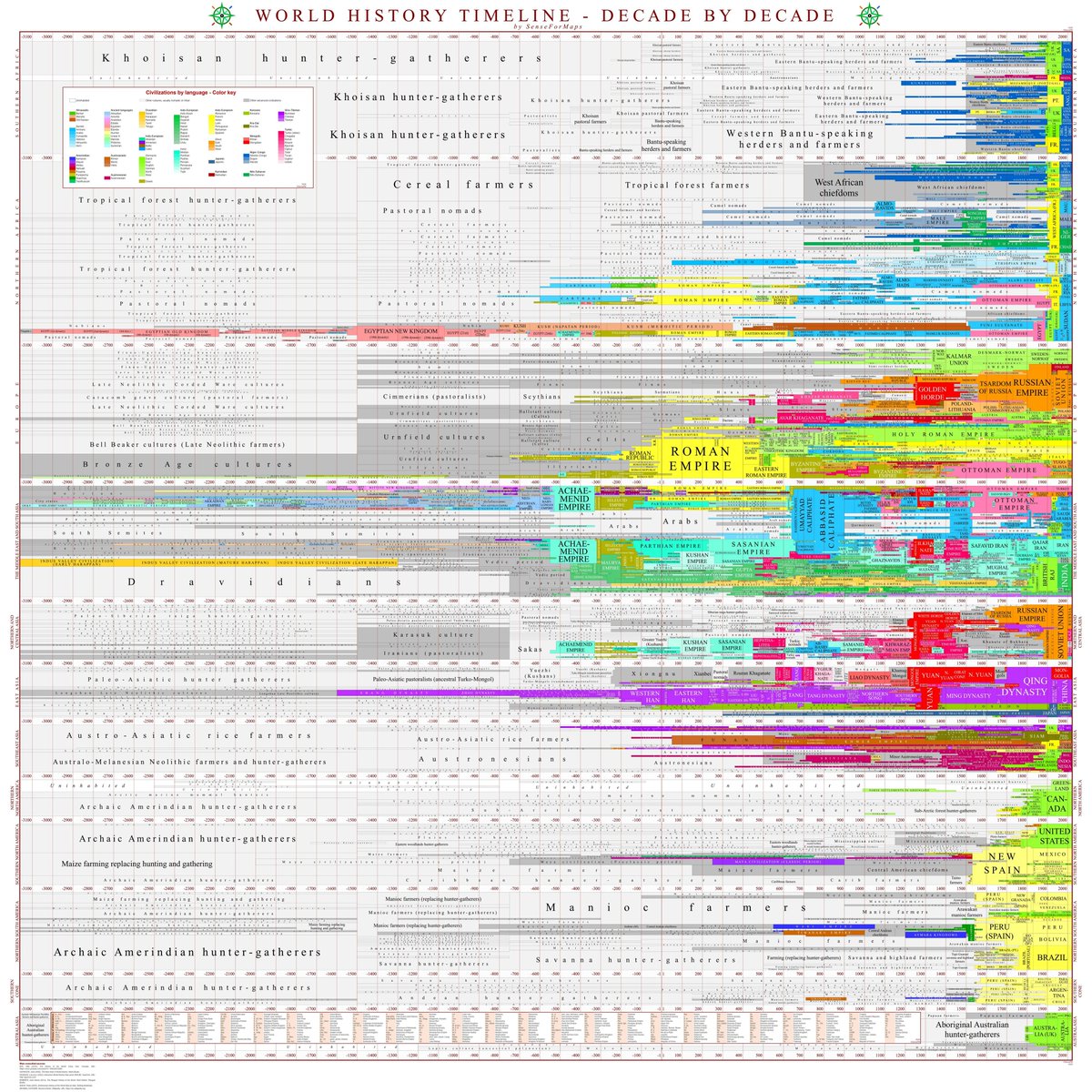
@JoshuaBarzon love this chart; made a version where each polity's width corresponds instead to its relative share of world GDP + land. think it more accurately captures power projection & influence of any given state.
graphs in the QT below have always irked me for a couple of reasons:
1. severely over-indexes on landmass and under-indexes on GDP as the fundamental mechanism behind power projection.
2. tend to be Eurocentric, in a Westphalian sense. assuming that distinct nation-states are equivalent actors (e.g., Iceland deserves the same width as, say, the USSR).
so, i tinkered around and rebuilt, assigning each polity's weight 50:50 by its share of world GDP × land. imo, it's significantly more representative of the geopolitical landscape at any given time in the world.
(p.s. built with Opus 5.5 in ~5 mins, as the marginal friction of doing increasingly n --> 0)
@signulll 2/ there's an underlying phenomenological paradox - the tension between autonomy and control. one demands liberation from administrative toil, but, in doing so, induces a form of alienation. i argue that the friction with capital, one's own treasure, is actually a form of joy.
@signulll think there a couple of things to note:
1/ there's bound to be a first-mover disadvantage, especially considering the radical asymmetric downside of hallucination risk. nobody wants to be the first company servicing the agent when it transfers 10k to the wrong recipient.
@feelsdesperate pundits are calling these midterms a categorical repudiation of trump; i'd actually argue that, in a sense, trumpism has metastasized, taking root within the democratic party. been that way since 2016