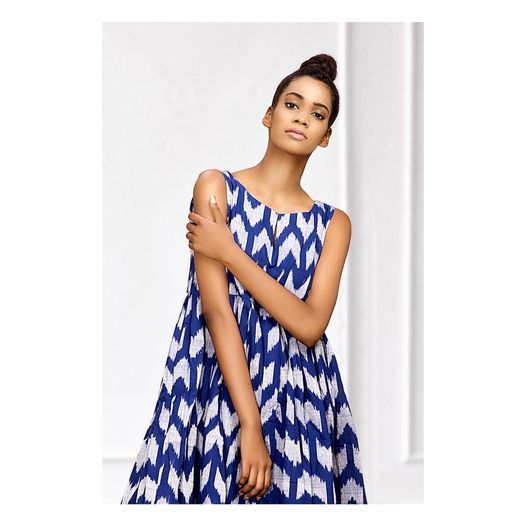
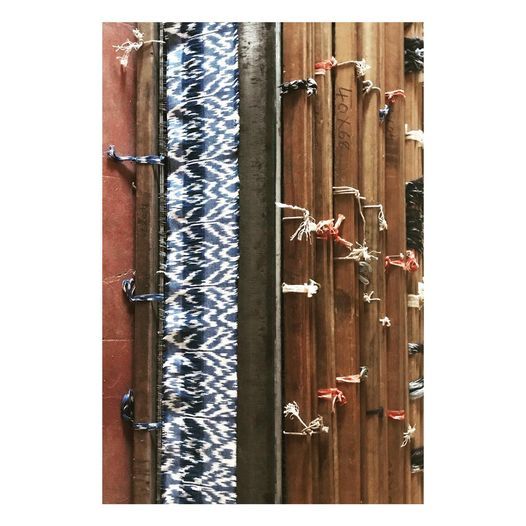
We are almost at the end of the year. Still trying to move ahead with the new normal and face covid with a sense of resilience. What we are working on as a team - our ikat artisans are colour testing new dyes for SS2. Stay tuned !
What fair trade means to us - respect for people and the planet. Along with paying a fair living wage to everyone that we work with we also ensure we pay on time and on many instances well in advance. We advocate zero waste and upcycle every last bit of production waste.
Textiles are all about provenance. Every indigenous community of artisans have their own distinct techniques, motifs, symbols etc that are centuries old. A lot of luxury designers on the other side of the world are accused of cultural appropriation of textile designs.
Loin loom textiles are the cultural identity of the indigenous tribes of North East India. We reinterpret these textiles with an endeavour to create market access and help sustain livelihoods in our small way.
One load of synthetic clothing in your washing machine release around 700,000 microplastics ! On the other hand clothes made from natural fibres do not pollute our environment and water ways.
Time tested classic styles crafted from handwoven textiles that have been around for ages in India ! Shop now and avail 20% off on our web store. #linkinbio
During these times when we and all other small businesses are struggling to keep our heads above water it’s also very important that we reflect and acknowledge some of our processes that can be improved.
95% of the worlds handlooms are produced in rural India using traditional techniques that are energy efficient and do not hurt our planet. The entire family is involved in various processes. They either work from home or at weaver cooperatives in their community.
kat - 1 craft 5 villages and over 200 women artisans ! Each day at Kalamargam - Path for Art is dedicated towards honouring all the makers who silently work behind the scenes.
Our zero waste all season jackets come with upcycled necklaces made by women from marginalized communities in Mumbai. This gorgeous one is reversible. Shop now and avail 20% off on our web store https://t.co/cg8iIHep01
We do our bit in our own way to minimise our carbon foot print. All production waste is sorted colour and size wise. While the larger bits are repurposed into packaging bags and jewellery the smaller ones that we cannot work with are donated to local small traders.
Reduce Reuse Recycle Repurpose - everyone across the globe has been talking of the big R’s off late . It’s always been a way of life for us in India. Our grandmothers & mothers have practiced it all along & it is an integral part of our everyday life.
Convertible clothing is functional saves space and at the same time gives you so many different looks. Our handwoven ikat reversible jackets are a personal favourite and at 20% off on webstore.
. #reversiblejacket#convertibleclothing#reversibleclothing
— in Mumbai, Maharashtra.
The value of a traditional handmade product is in the making. Did you know carving a teak wood block for stamping takes around 12 days. Working with organic dyes isn’t easy either. Depending on the weather/season it reacts differently on fabrics.
— in Mumbai, Maharashtra.
78% of India’s craftspeople are women. Practicing traditional techniques augments their family income and also helps in preserving our rich textile and craft heritage.
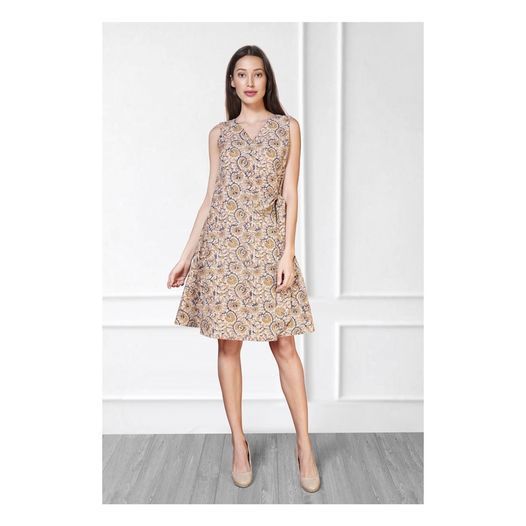
Our kalamkari wrap dresses are hand stamped using plant based organic dyes. It’s a laborious 22 step process right from carving teak wood blocks, extracting & preparing dyes from natural resources, washing and bleaching the fabric etc.
Fashion industry is one of the largest polluting industries in the world. Incase you haven’t heard this before big fast fashion brands burn tonnes of their unsold stock every year. They are always under constant pressure to put new merchandise on their racks every season.