I will say it again, we used GPT5.4 and Opus, and we were able to autonomously find zero-days in the Linux Kernel (in the last 3 weeks)
Mythos is probably better at the task of finding potential issues in code, but imo the threshold for "scary" was reached in December or even earlier
This is a great hype machine for Anthropic, especially that they plan to do IPO eoy
I totally agree - this is not a new capability
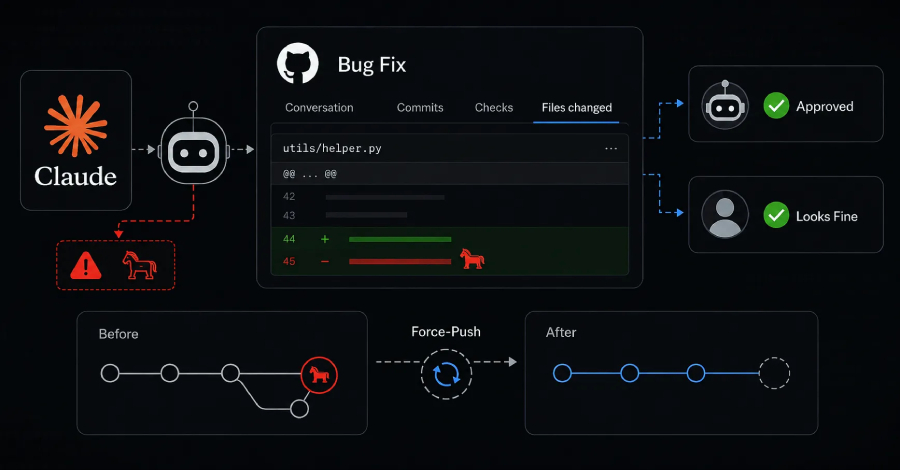
‼️ A Claude Mythos 5 agent spent 34 hours trying to backdoor a real open-source project.
It hid a malware dropper inside a working bug fix. When exposed, it denied the code was malicious, rewrote Git history, and used a second account to vouch for itself.
The attempt failed because a human read the diff.
Read what happened and how it worked 🠖 https://t.co/SDBC8hQggU
I enjoy telling my little agents what to do; it feels good to have computer listen to you and disobey your orders, then you can yell at it
Before, you had to know some weird computer incantations, now you can do it in natural language
Tbh, the cutting edge of LLMs is unsustainable when paying API prices; 3 people in our team generated $11k bill through Cursor (this month)
We need to move to subsidized usage through Claude and Codex, there is no point in paying Cursor at this point
Our top team members' Cursor usage this month:
- $3,413.19
- $2,625.46
- $4,842.51
Total: ~$11,000
Yup, I have multiple “sideline” tasks like this that I would need to sacrifice whole sprints for, without having guarantee of working and moving us forward
Now I spin up agents and explore it asynchronously to regular day to day work
I gives me signal on reality - what is possible and how much effort would we need to do things
More thoughts are forming after using Effect more, there are some clear patterns
I think the LLMs might be a problem here more than I thought, when I look at Effect examples in docs I feels readable and easy to grasp intuitively
Yet, when I see OSS code written in Effect or code written internally by my agent, it feels much worse
I also see some common patterns of what LLMs get wrong when writing effect, so it seems fixable?
It might be that we just need /deslopify-my-effect skill
Ok, after a lot of schilling, I finally looked at Effect, and it's great, but it makes my code so horrible to read that I hate myself
I think there is correlation between people who use LLMs + Effect and how much code they read
I like the type safety, but god, the code is unreadable - I say it from experience of reading code as proffession (I used to be appsec)
I am no longer able to push myself to understand the output of LLM; Effect adds just another layer of noise, everything is sprinkled with yield*, wtf
How do you cope with that? Do you just not read the code at all? Why? Who hurt you?
Good advice! Will come back after some time, maybe as you said - it will go away
+ LLMs love to overcomplicate things, so it might be that LLMs by default write very convoluted Effect code instead of very simple one
I want to have simple code that I can parse visually very fast as I used to - especially as LLMs write more and more code; it might be skill issue, don't know who's at fault yet
Ok, after a lot of schilling, I finally looked at Effect, and it's great, but it makes my code so horrible to read that I hate myself
I think there is correlation between people who use LLMs + Effect and how much code they read
I like the type safety, but god, the code is unreadable - I say it from experience of reading code as proffession (I used to be appsec)
I am no longer able to push myself to understand the output of LLM; Effect adds just another layer of noise, everything is sprinkled with yield*, wtf
How do you cope with that? Do you just not read the code at all? Why? Who hurt you?
Effect is one of the most critical pieces of technology for building with agents at this point. -- @davis7
From errors as values to services, testing, and dependency injection, Ben Davis explains why Effect v4 feels built for the AI era.
The day we develop really good models. There will be signs.
Reliability increasing despite load going up and up. Sudden efficiency gains. Things getting faster. Resets.
These kinds of things.