You were told mathematics began with the Greeks or the Arabs. 🤔
Three carved chalk drums from a Yorkshire grave might prove otherwise. 🥁🇬🇧
In 1889 they were found buried with a five year old child. For 130 years nobody knew what they were for. ⏳
Then in 2018 researchers measured them. The proportions appear to encode a standard unit of length. 📏
Wind a cord ten times around the smallest drum and you get the “long foot”, about 32cm. The same unit researchers believe was used to lay out Stonehenge. 🪨
A fourth drum later turned up over 200 miles south in Sussex. Same measurements. The chalk ones were likely replicas of working tools carved in wood. 🪵
Not in a king’s grave. Not in a treasury. Buried with a small child, so the knowledge would be remembered. 🕯️
British people were measuring the world before England had a name. 🇬🇧
Long before we had a name, this island was measuring the world.
Help us make sure that our history is never forgotten again. 👇🙏
👉 https://t.co/rih7iKwnvf 👈
Be part of us. ☝️🇬🇧
Be Proud Of Us. 🙏🇬🇧
An ibex is carved into a Derbyshire cave wall. 🇬🇧
But there are no ibex in Britain...
There never have been. Nobody knew THIS until 2003.
Church Hole Cave at Cresswell Crags, on the Derbyshire-Nottinghamshire border. A British limestone gorge that had been excavated by archaeologists for over a century.
In April 2003, Paul Pettitt and Sergio Ripoll walked into the cave with grazing torches. They tilted the light at an angle no Victorian had thought to try.
And the wall revealed itself.
🦌 Stags. Bison. Long-necked birds. An ibex. Cut into the limestone roughly 13,000 years ago. Britain's oldest known art.
The carving is a paradox. There are no ibex in Britain, and there never have been. So why is one here?
The Ice Age had pinned modern humans into the southern refuges of Europe. The caves of southern France. The valleys of Spain. The Alpine foothills. The same culture that painted Lascaux and Altamira.
When the glaciers retreated, they walked north. Back into these islands. And they brought their world with them. Including the mountain animal they had grown up watching.
🇬🇧 Cave art was made all over the world. Africa. Indonesia. France. Spain. And Britain. Most British schools were never told.
━━━━━━━━━━━━━━
Most British schools don't teach Cresswell Crags.
We do.
Your support pays for the research, the production, and the time it takes to get it right.
Keep us at it. 👇🙏
👉 https://t.co/rih7iKwnvf 👈
Be part of us. ☝️🇬🇧
Be Proud Of Us. 🙏🇬🇧
🇬🇧 A British Bronze Age family sat down to dinner.
Their house caught fire and fell into the marsh.
Three thousand years on, their porridge is still in its bowl.
Cambridgeshire. The Fenland. Around 1,000 BC, a British family had built a village on wooden stilts above the marsh. Nine round houses linked by a timber walkway. One evening they sat down to eat.
🔥 The thatch caught. The fire moved fast. They grabbed what they could and ran. Their footprints sank into the mud below the platform.
The houses collapsed into the marsh. And the marsh held everything where it fell.
Three thousand years later, Cambridge archaeologists drained the silt. The village rose back up.
The bowl of porridge was still on the table, the wooden spoon still in it. The bread was still in the oven. The wheels were still in the shed. The dog was still by the fire.
🛞 Wheels of solid oak. Glass beads worked by hand. Finely woven cloth. Bronze axes and spears and sickles. Tools any modern carpenter would recognise.
Britain's Bronze Age Pompeii. Excavated by the Cambridge Archaeological Unit in 2015 and 2016.
A British family lived here. They were not primitive. They were us.
━━━━━━━━━━━━━━
British history is what we have all achieved on these islands.
We tell the parts that get left out.
We are funded by people who think it matters.
Will you help us on our journey? 👇🙏
👉 https://t.co/rih7iKwnvf 👈
Be part of us. ☝️🇬🇧
Be Proud Of Us. 🙏🇬🇧
Ralph is still available, can you share to help him on his way?
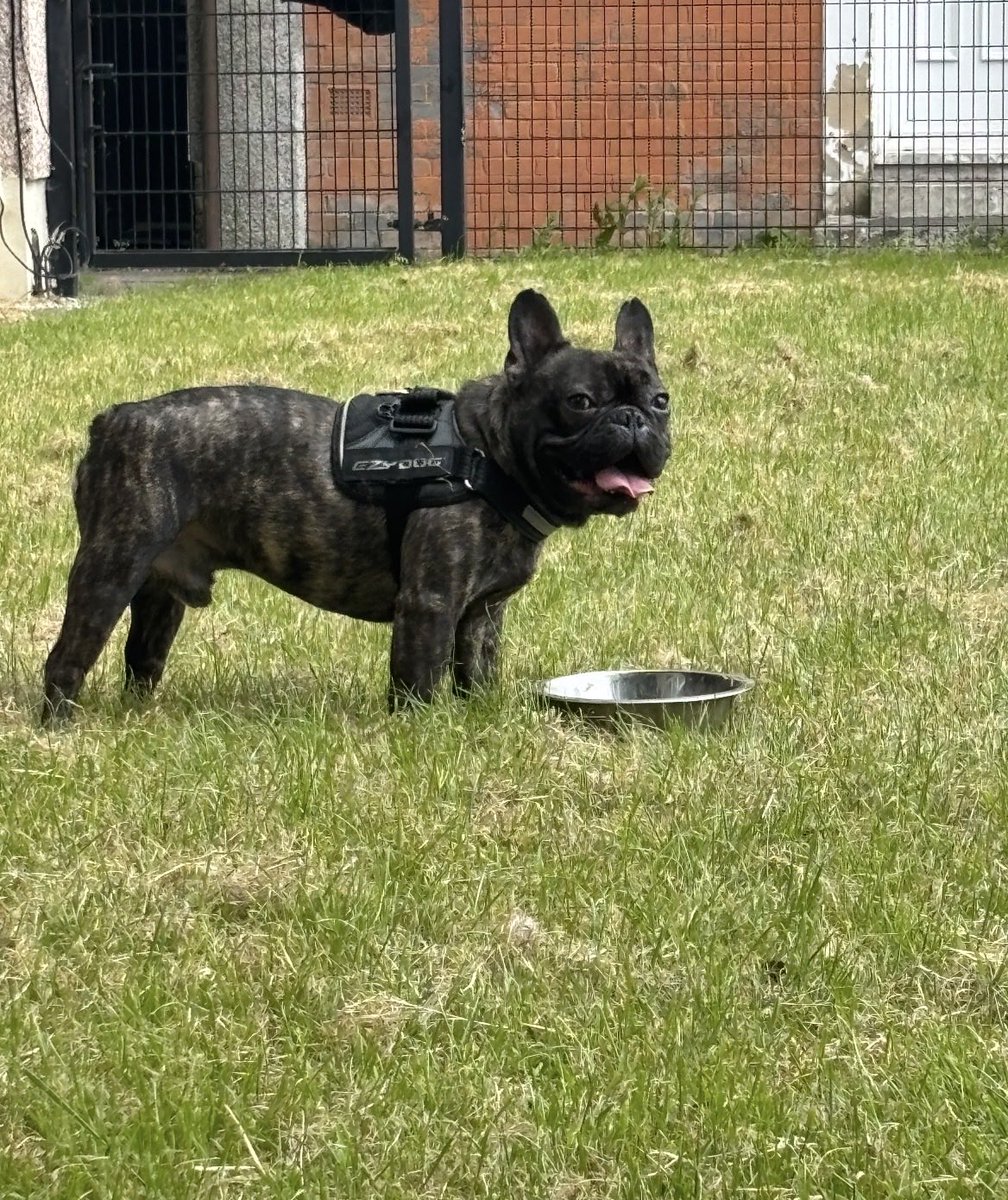
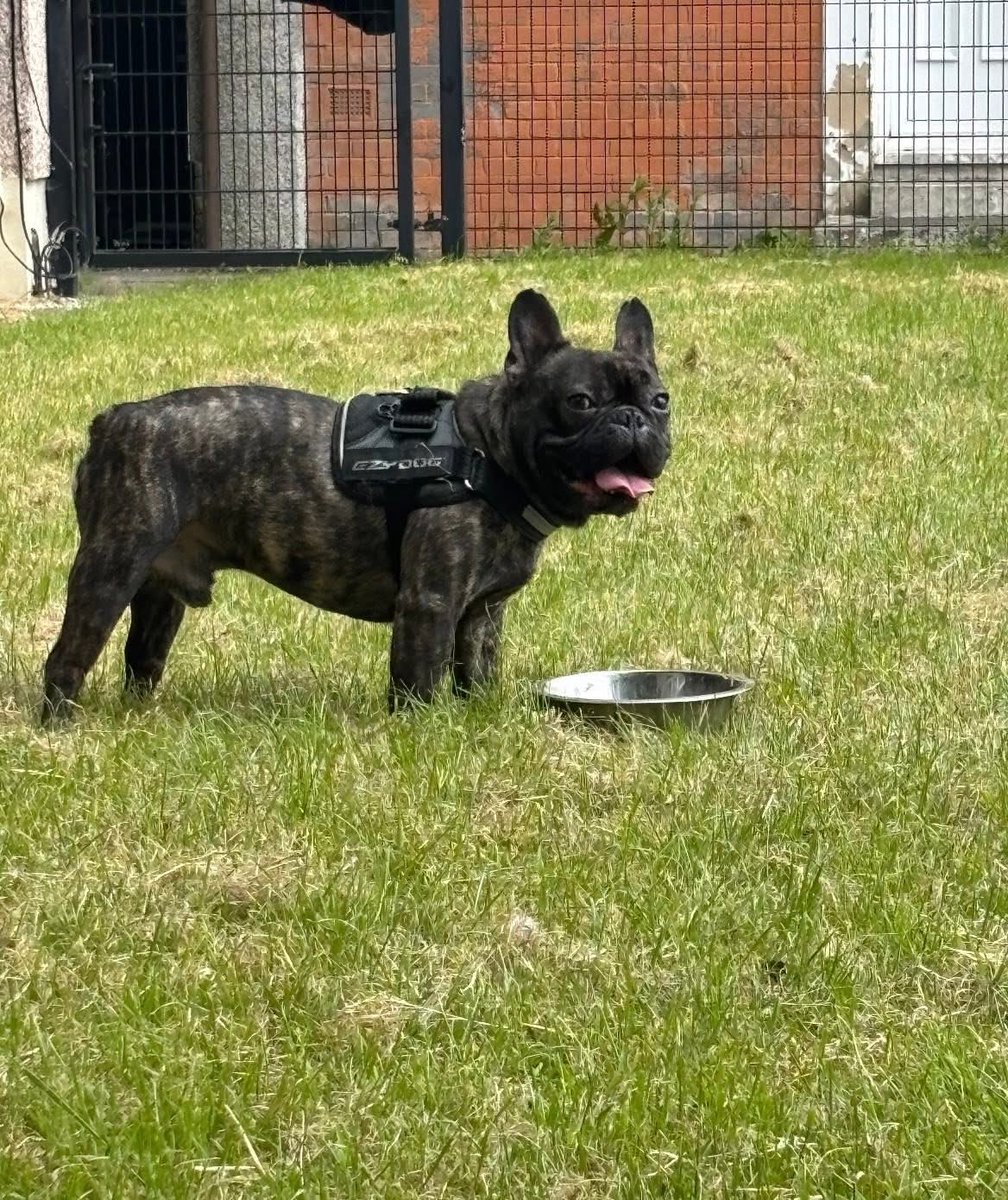
Ralph is a 3 year old male French Bulldog. He is available and looking for a new home.
Ralph is fine with kids. He would be best with older kids over 7 years old.
He eats anything from dry to wet food. He isn't keen on chicken food as this makes him sick.
Ralph will sleep in his dog bed in any room that it is in.
He loves people and treats.
Ralph would be best as the only pet in the home as this is what he is use too.
He will occasionally have an accident in the house so will need further guidance with toilet training but does seem to be doing well.
For more information or to offer Ralph a new home please email [email protected]
Sorry we are unable to accept comments or messages to the page! Please email for any enquiries.
🇬🇧 A Greek sailor named Pytheas wrote down our name in 325 BC. 🇬🇧
It is older than Rome. 🇮🇹
And it is still in your mouth.
In 325 BC, a Greek sailed north. His name was Pytheas. He came from Massalia, on the south coast of what is now France. A Greek colony of merchants and navigators.
And Pytheas was the most curious man in it.
He sailed past Cádiz, around Iberia, and headed north. Past the limit of the known world.
And he found a sophisticated people working tin. They lived in roundhouses set into the hills. They traded tin into the wider world.
And they had a name for themselves.
They called themselves the Pretannoi. Which meant the painted people.
Their land was called Pretannikē. The Pretannic Isles.
And Pytheas wrote it down.
📜 He returned to Massalia and wrote a book about it. He called it *On the Ocean*. The book itself was lost. But other writers quoted from it for the next 500 years.
And the name he wrote down for Britain survived.
The Romans wrote it as Britannia. The English wrote it as Britain. And you write it the same way today.
The name has not changed in 2,350 years.
🏛️ Pytheas did not find a backwater. He found a sophisticated people. Working metal at scale. Trading across the sea. And living on land they had named before Rome could write.
The Pretannoi became Britons. Their descendants became the British. And the British are still here. Still answering to the name that Pytheas carved into wax 2,350 years ago.
Britain is older than Rome. Older than English. Older than the language you speak.
━━━━━━━━━━━━━━
Britain is older than English itself.
Most Britons don't know.
Our work is made in Britain, for Britain.
Tell your kids. 🙏
👉 https://t.co/rih7iKwnvf 👈
Be part of us. ☝️🇬🇧
Be Proud Of Us. 🙏🇬🇧
🇬🇧 In 51 AD, the biggest kingdom in Britain was ruled by a queen named Cartimandua. 🇬🇧
When a fugitive British king came to her hall asking for sanctuary, she put him in chains and gave him to Rome. 🇮🇹
Her name was Cartimandua. Queen of the Brigantes. The largest tribal kingdom in pre-Roman Britain.
Her land stretched from the Humber to the Tyne. Sea to sea across northern England.
Her capital sat at Stanwick. The largest Iron Age earthwork in northern Britain.
And at its centre stood a queen.
🏛️ When Rome invaded Britain in 43 AD, most of the tribes fought. Cartimandua did not. She made a treaty. She would be a client queen. Her kingdom would keep itself. Rome would not invade her land.
In return, she would deliver Rome what Rome asked for.
In 51 AD, the fugitive Caratacus came to her hall. The Catuvellaunian king who had fought Rome for 9 years. He asked for sanctuary.
She had a treaty with Rome. And a kingdom to protect.
She put him in chains and gave him to Rome.
Her own warriors did not forgive her. Her husband Venutius did not forgive her. He led a rebellion against her. She divorced him and took his armour-bearer as her new partner.
The kingdom split. The civil war began.
⚔️ Rome saved her. In 69 AD, she lost her throne. Venutius took the kingdom. And in 71 AD, Rome took the kingdom from him. The largest kingdom in Britain became a Roman province.
But the people did not vanish. They became Britons. Their descendants became the British. And Yorkshire still calls itself God's own country.
Britain has been politically complex for 2,000 years. Queens have ruled here. Choices have been made here. The land remembers.
━━━━━━━━━━━━━━
Our mission is to put our history back in our books.
Most Britons have never heard her name.
Our work is made in Britain, for Britain.
Teach your kids her name. 🙏
👉 https://t.co/rih7iKwnvf 👈
Be part of us. ☝️🇬🇧
Be Proud Of Us. 🙏🇬🇧
🇬🇧 On a Berkshire hillside there is a chalk horse 3,000 years old.
100 generations of British people have refused to let it fade.
Its name is the Uffington White Horse. It sits on the chalk of the Berkshire Downs. And it was cut around 1,000 BC by Britons of the Late Bronze Age.
They cut a trench into the turf. And filled it with crushed chalk. They cut a horse 110 metres long. Visible from miles.
Chalk hillside art does not last. Grass grows. Silt fills. Without care, a chalk figure disappears within a generation.
🏔️ The Uffington White Horse should have vanished by the Iron Age. It did not.
Because every generation that has lived near it has scoured it. Cleared the grass. Refilled the chalk. Kept the design alive.
The Iron Age tended it. Rome tended it. The Anglo-Saxons named the hill after it. A Welsh poem of 600 AD mentioned it as already ancient. Medieval villagers held a festival to scour it. Victorian villagers wrote songs about it. And every year, modern volunteers continue.
3,000 years of British people. Bronze Age carvers. Iron Age tribes. Roman Britons. Anglo-Saxon farmers. Medieval villagers. Victorian families. And the British still here today.
The carvers who cut the horse became Britons. Their descendants became the British. 100 generations have tended the same horse. 100 generations have refused to let it fade. The horse is alive because the people have stayed.
This is what continuity looks like. Not a memory. Not a museum. A horse kept alive by hand.
🇬🇧 If you want to know whether the British are still here, look up.
━━━━━━━━━━━━━━
The chalk has been re-cut by hand for 3,000 years.
Most British kids have never been up the hill.
Our work is made in Britain, for Britain.
Take your kids up the hill. 🙏
👉 https://t.co/rih7iKwnvf 👈
Be part of us. ☝️🇬🇧
Be Proud Of Us. 🙏🇬🇧
🇬🇧 Every British river. 🌊🇬🇧
Has a name older than English. Older than Rome. You still say it.
The Thames. The Romans wrote it as Tamesis. But the name they wrote was already old when they arrived.
A pre-Celtic name passed to the Celts, passed to Rome, passed to us. The name has changed only in the shape of the sound.
The Severn. The Welsh called her Sabrina. A river goddess in the Brittonic tongue. And the Severn still carries her name today.
🏞️ The Trent. The Celts called it Trisanton. A name meaning the trespasser. The river that bursts its banks. And it still bursts its banks.
The Avon. The word means river. The Britons called every river the Avon. The English kept the name.
The Tyne. A Brittonic name meaning the flowing one. The Dee. A name meaning the goddess, the holy one. The Britons named her sacred and the English left her sacred.
The Anglo-Saxons came. They renamed villages. They renamed hills. They renamed almost everything they could. But they did not rename the rivers.
The rivers were too holy. The names were too rooted.
And so the Brittonic words stayed in English mouths.
The Britons did not vanish. Their words did not vanish. Their descendants became the British. And the British still name the river the same way. Every time.
🇬🇧 British people speak a language older than English. Every day. Without noticing. The Britons named the water. The British still call it the same.
━━━━━━━━━━━━━━
The river names are not relics.
The villages changed names. The rivers kept theirs.
Help us pass our history downstream. 👇🙏
👉 https://t.co/rih7iKwnvf 👈
Be part of us. ☝️🇬🇧
Be Proud Of Us. 🙏🇬🇧
We’ve seen a surge in rescued owlets recently, including these four now in our expert care.
Young tawny owls often leave the nest before they can properly fly, with their parents still nearby caring for them. If you find a young owl on the ground, please contact us for advice🧡🦉
Coco is still looking for a home, all of her other appeals have resulted in no offers. Can you please share to give her a chance to find a home?
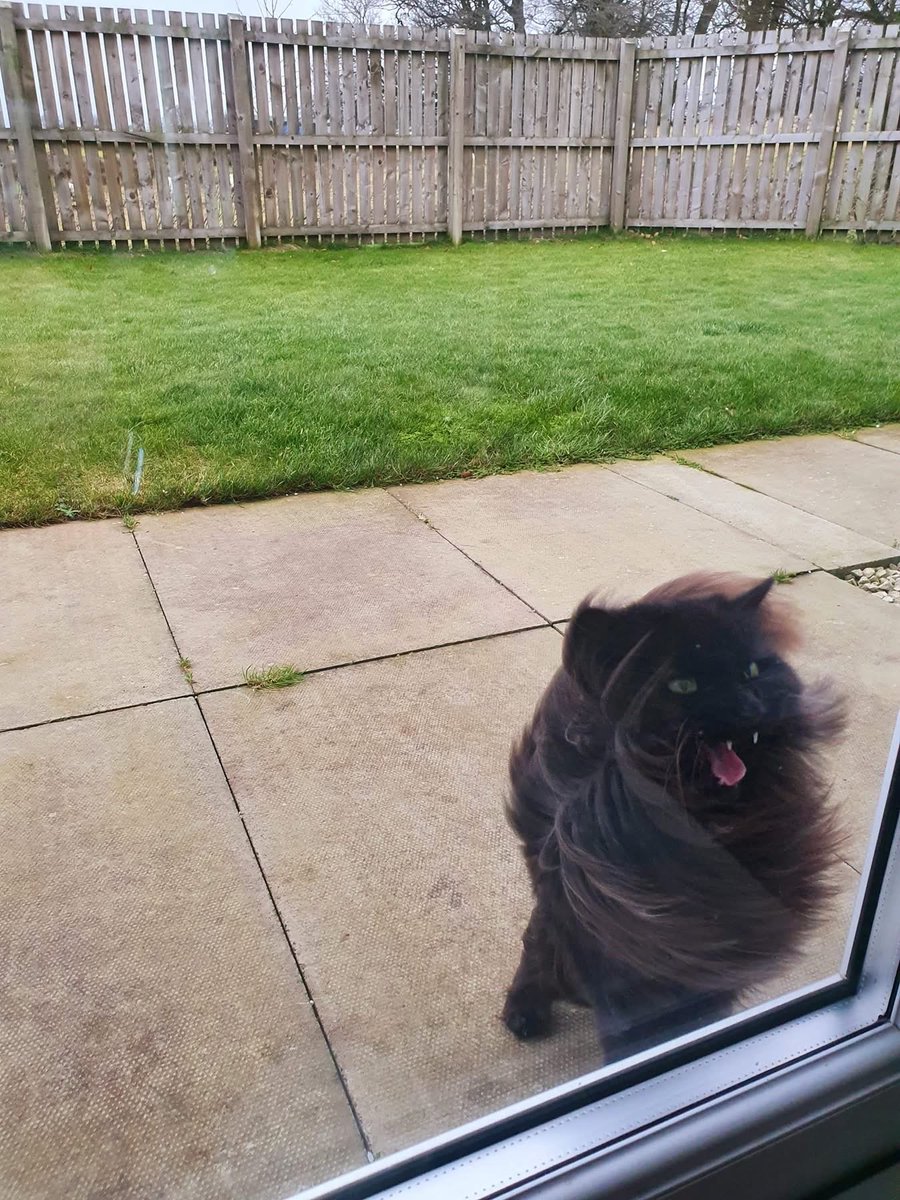
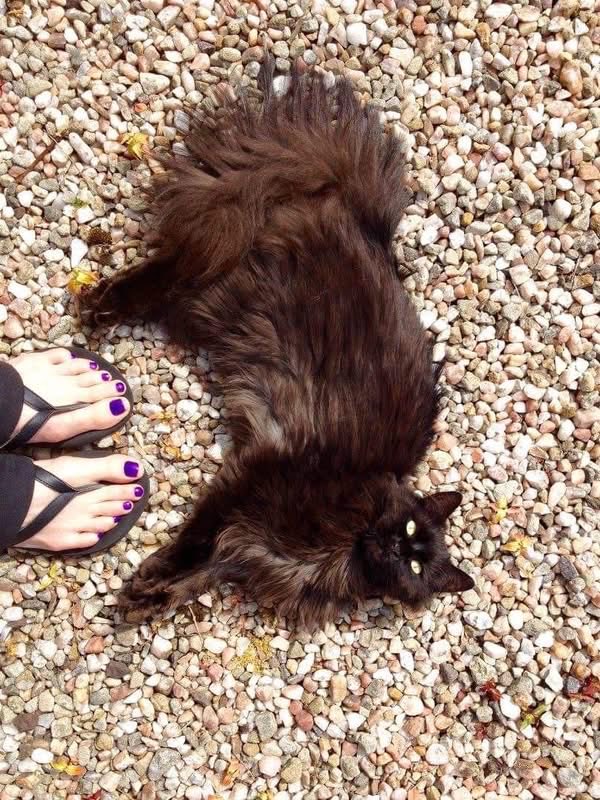
Coco is a beautiful 12 year old female cat looking for a new home through no fault of her own.
You will notice in her photos that she had a lion hair cut as she got matted previously, however she doesn’t get this hair cut in the winter months.
Coco is looking for a peaceful quiet home with no other animals or young kids. Somewhere she can get out would benefit her.
She is active and likes to explore.
Coco is registered at the vets and enjoys treats.
She is spayed and healthy with no issues.
For more information or to offer Coco a home please email [email protected]
Ralph is still available, can you share to help him on his way?
Ralph is a 3 year old male French Bulldog. He is available and looking for a new home.
Ralph is fine with kids. He would be best with older kids over 7 years old.
He eats anything from dry to wet food. He isn't keen on chicken food as this makes him sick.
Ralph will sleep in his dog bed in any room that it is in.
He loves people and treats.
Ralph would be best as the only pet in the home as this is what he is use too.
He will occasionally have an accident in the house so will need further guidance with toilet training but does seem to be doing well.
For more information or to offer Ralph a new home please email [email protected]
This post is mainly to help other rescues, but I know a lot of you will be interested as well.
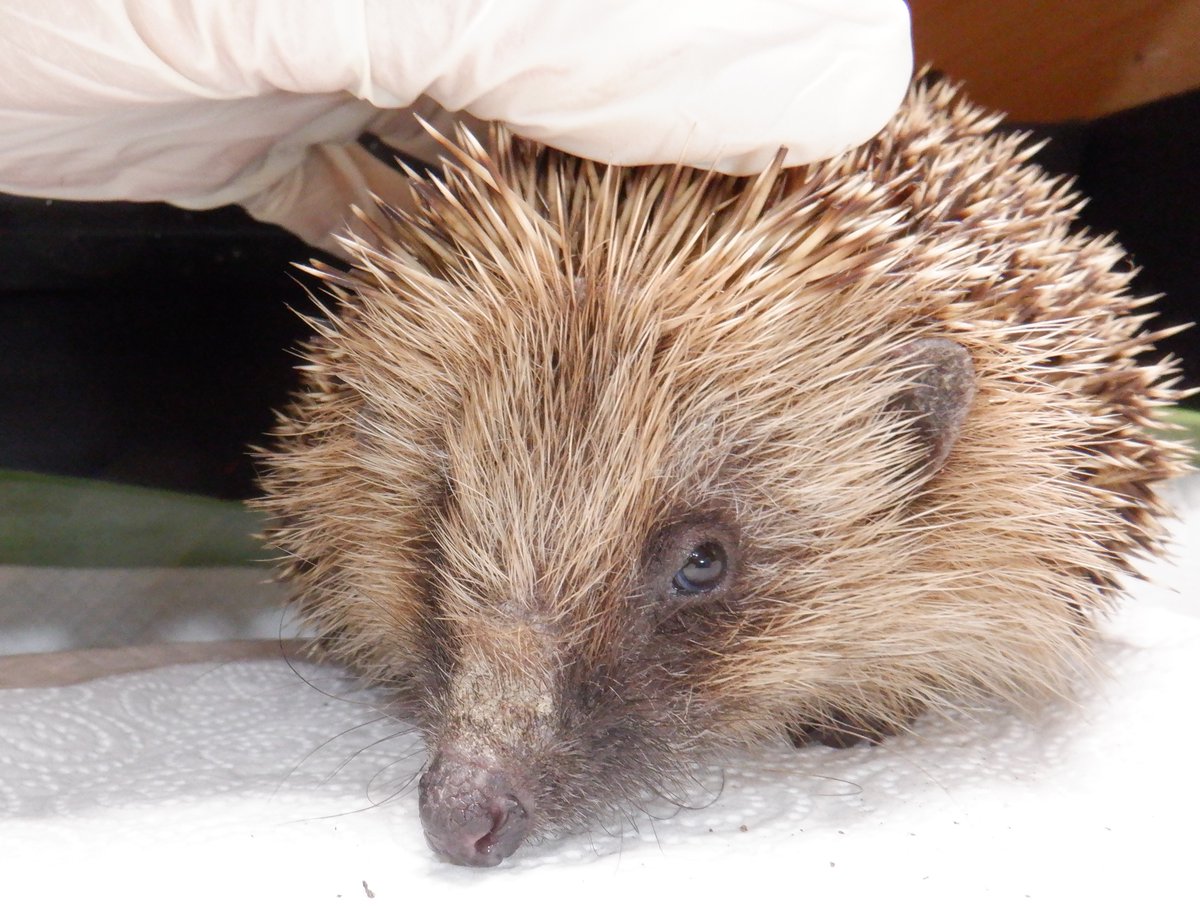
This sweet boy is Merlin.
Merlin self admitted, but aside from his scabby nose from a bit of ringworm, he appeared fine.
But I knew by his behaviour that he was sick.
Healthy hedgehogs don't self admit to a hospital pen. Especially boys at this time of year - they are out chasing girls.🥰
I tested his poo in the lodge, where he booked himself into an open pen, and it was clear.
I admitted him into hospital where he stayed overnight and left me 6 lovely poo samples.
Every single one was clear.
And yet his behaviour, his aggitation, the way he dug the corners of the pen, even his smell, told me through years of experience that he was sick.
So I started treatment anyway.
And as his condition improved, as he became hydrated and nourished, and the first antiparasitic administered, just like magic the confirmation appeared!
A diagnosis needs to be made on observed behaviour and history (either your own or of the finders); the poo sample is *confirmation of the diagnosis*.
So a hedgehog making unhealthy breathing sounds but producing clear poo samples is still unhealthy.
You can't always rely on a sick hedgehog to produce parasite larvae or eggs in their poo sample, for several reasons, but the main reason is:
Parasites, like all living organisms, have to preserve energy in order to stay alive and thrive.
So when they find themselves in a hostile environment - a host who has become starving and dehydrated - they reduce their energy expenditure by temporarily shutting down systems that are not neccessary for life, like reproduction.
They stop laying eggs and go into a sort of stasis, until conditions become welcoming again.
Also of course, parasites don't constantly churn out eggs. They have a reproduction cycle. So not every sample will contain eggs.
It's so frustrating when people contact me saying they have been sent home with a hedgehog who is clearly in audible respiratory distress, because the poo sample the rescue took was clear.
As for sweet Merlin - at first it was a trickle; his poo showed just a few parasites, so microscope samples had to be very carefully scrutinised.
But very quickly it became apparent that this poor boy was in fact full of deadly fluke, lungworm, and roundworm.
He's only on day 3 of his treatment, so is still very sick, but clever Merlin got himself the help he needed just in time.
In 600 AD, an English king wrote the first law in our language.
He priced your thumb at 20 shillings and your finger at just 9. 🤯
He gave women the right to own property. 🇬🇧
He bound himself, the king, by the very first judgement.
Six hundred years before Magna Carta.
Three hundred years before England was a nation.
His name was Aethelberht. King of Kent.
He wrote it in English. Not Latin. Not the language of the Church.
Around 90 judgements. From the hair on the head to the nail on the toe — every injury had a price.
Knocking off a man's hat cost 6 shillings. Twice the price of a punch on the nose. 🎩
And then it did something extraordinary. ✨
A widow could keep half her husband's estate.
She could leave with her children.
She could choose.
In the year 600.
The original was lost. ⚖️
But one English monk at Rochester saved it in 1120.
UNESCO calls it the birth of English as a language of the page.
The English have been writing their own laws ever since. 🙏
If you want to preserve the past and help write the next chapter 👇
👉 https://t.co/rih7iKwnvf 👈
Be part of us. ☝️🇬🇧
Be Proud Of Us. 🙏🇬🇧
🇬🇧 Every car on the road today rolls on what a Belfast vet invented for his 9 year old son.
In 1887, John Boyd Dunlop watched his son Johnnie come home from cycling with bruised wrists.
Belfast was cobblestones. The solid rubber wheels on Johnnie's tricycle jarred every bone in the boy's body.
His father refused to accept it.
Dunlop was 47. A Scottish veterinary surgeon who'd built his life in Belfast. He had never designed a wheel.
But he knew rubber. From horse harnesses. From surgical tubing.
He cut a strip of rubber sheet. Sealed it into a tube. Filled it with air.
Then he tested it.
He rolled two wooden discs down the garden path. One fitted with solid rubber. One with his new air-filled tube.
The solid rubber stopped first. The pneumatic kept rolling.
He fitted them to Johnnie's tricycle. The boy rode the cobbles without pain.
On 7 December 1888, Dunlop filed UK Patent 10607. The pneumatic tyre.
Then came the twist.
His patent did not hold. A Scottish engineer named Robert William Thomson had filed a pneumatic tyre patent in 1845. Over 40 years earlier.
But Thomson had never built one. Never sold one. Never proved it could work.
Dunlop's was the one the world used.
By 1889 a factory had opened in Dublin. Cyclists rode further. Then the motorcar came.
Every car. Every lorry. Every bus. Every bicycle on every road.
All rolling on what a Belfast vet invented for his son.
Dunlop sold the rights in 1896 for a modest sum. He never became rich from his name.
He had not made the wheel for himself. He had made it for a child.
He died on 23 October 1921. Aged 81.
He was Scottish. He lived in Belfast. He was British.
And he is one of many.
We built the modern world. Wheel by wheel. Engine by engine. From a father watching his son.
━━━━━━━━━━━━━━
Help us teach our children who created the modern world.🇬🇧 👇🙏
👉 https://t.co/rih7iKwnvf 👈
Be part of us. ☝️🇬🇧
Be Proud Of Us. 🙏🇬🇧
🐾 Final week to apply: Hedgehog Care Graduate Intern (5-month contract) 🦔
Gain hands-on wildlife rehab experience at one of the Southwest’s busiest hedgehog hospitals near Newquay 🌿
More info and apply: https://t.co/PigH8h2U5u 💚
🚨 BABY ALPACA VANISHES FROM SOMERSET PADDOCK WITHOUT TRACE
Fears are growing for the welfare of a young alpaca who vanished from a secluded Somerset paddock almost a week ago, with his devastated owner now fearing he may have been stolen.
Alpaca Banff, a ten-month-old black alpaca belonging to Tam Harrisson of Chapel Ground Alpacas, disappeared overnight from a private field near Goblin Combe close to the village of Cleeve.
The young alpaca was last seen at around 9pm on Sunday, May 10, alongside three other alpacas in a paddock near Tam’s home. By the following morning, he had vanished completely.
Despite extensive searches involving friends, neighbours and animal lovers combing woodland and steep-sided valleys around Goblin Combe, there has been no sign of Banff.
“The gates were still shut, and there was no sign of him anywhere nearby,” Tam told Somerset Live.
“If they get out and can’t get back in, they usually don’t go far at all.”
As the days have passed without sightings, concern has shifted from the possibility of escape to fears the friendly young alpaca may have been taken.
“What worries me most is that someone has come here and stolen him,” she said.
Tam explained Banff is still small enough to be lifted into the back of a vehicle and warned that anybody keeping him without proper knowledge could place him at serious risk.
“He’s due a shear now. In winter, he’ll need medication. He will be very, very distressed at being away from home and being away from his three friends,” she said.
Alpacas are highly social herd animals and typically remain close to companions even if they escape enclosed fields. Tam said the complete absence of sightings, fleece caught on branches or even droppings has made the disappearance deeply unusual.
Search teams have taken Banff’s fellow alpacas into surrounding woodland in the hope he might respond to their scent or calls, while feed buckets have been rattled across the combe in an effort to draw him out.
“There’s been nothing,” Tam said.
“He’s friendly, he’s used to meeting people, he’s curious and so lovely, so he will come over to someone if they say hello.”
Chapel Ground Alpacas is well known locally for alpaca experiences and appearances at agricultural shows across the region.
Tam has now appealed for anyone spotting an unfamiliar alpaca in fields around North Somerset, or anyone with information about Banff’s disappearance, to come forward.
“I just fear the worst, that someone has taken him,” she said. “We really want him back.”