Karst scientists improving the fundamental understanding of karst water systems for professionals and the public. tweets by @Doc_Bosch and @carmichaelsk
Excellent new report by US Geological Survey characterizing the hydrologic framework of the Little Colorado River alluvial aquifer near Leupp, Arizona. Illustrated 52-p report by Mason and 3 others (2023) at https://t.co/uceZgXs3Ax . @USGSAZ
A #Porifera sponge has been discovered in La Cueva de Los Sabinos - a #karstic cave hosting a population of blind Astyanax cavefish. This is a first record of a subterranean #freshwatersponge for Mexico and North America: https://t.co/rtQEZpXFAE
@UnivParisSaclay@Marist@UNAM_MX
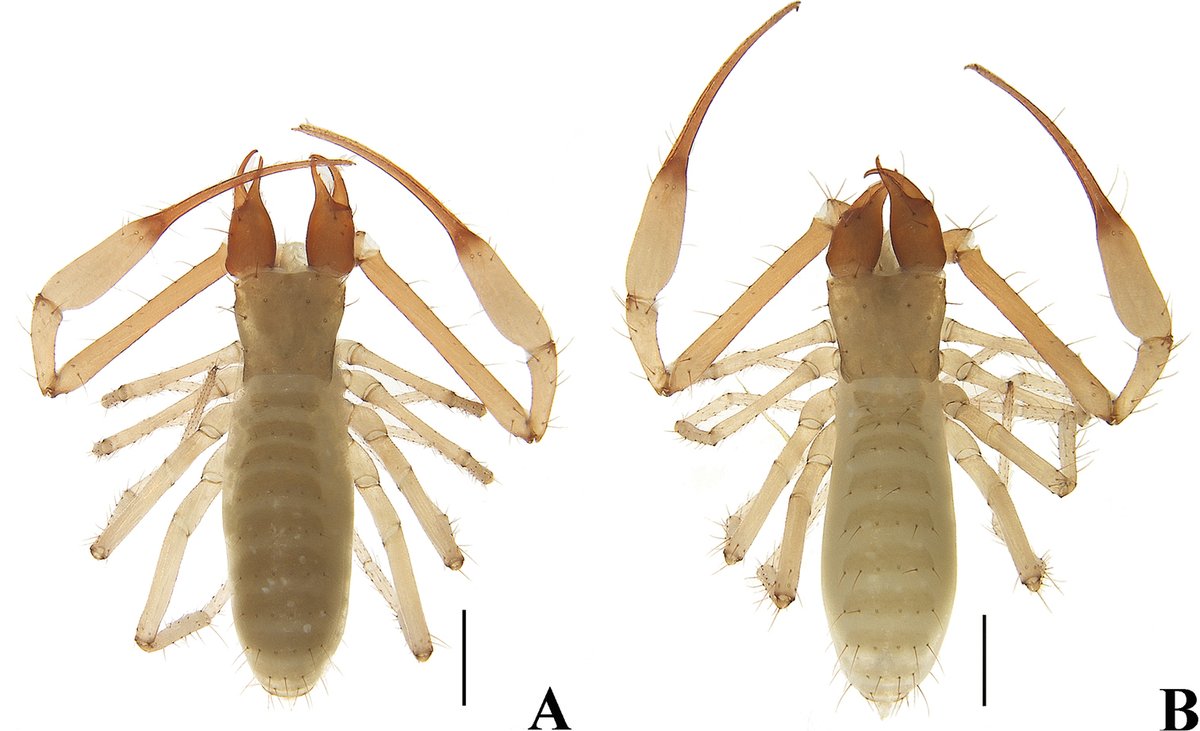
Four #NewSpecies of troglomorphic pseudotyrannochthoniid pseudoscorpions collected from karst caves in Guizhou Province🇨�� are described with detailed diagnoses and illustrations.
📜Read more: https://t.co/e3hJJ1o9v8
#Pseudoscorpiones
A Special Issue related to the Thematic Session 'Karst Geomorphology' of the ICG2022 is being prepared! It is entitled 'Surface-Subsurface Connectivity in Karst Geomorphology' - consider submitting an article here: https://t.co/9dOMhL0Io7.
The Karst Waters Institute, an AGI Member Society, works to improve the fundamental understanding of #karst#water systems for professionals and the public: https://t.co/TkMb27mQav
The United States Global Change Research Program is undertaking the first National Nature Assessment. Help inform its framing, development, and eventual use by submitting your comments about caves and karst by March 31. https://t.co/8CgcK155hR #caves#nature
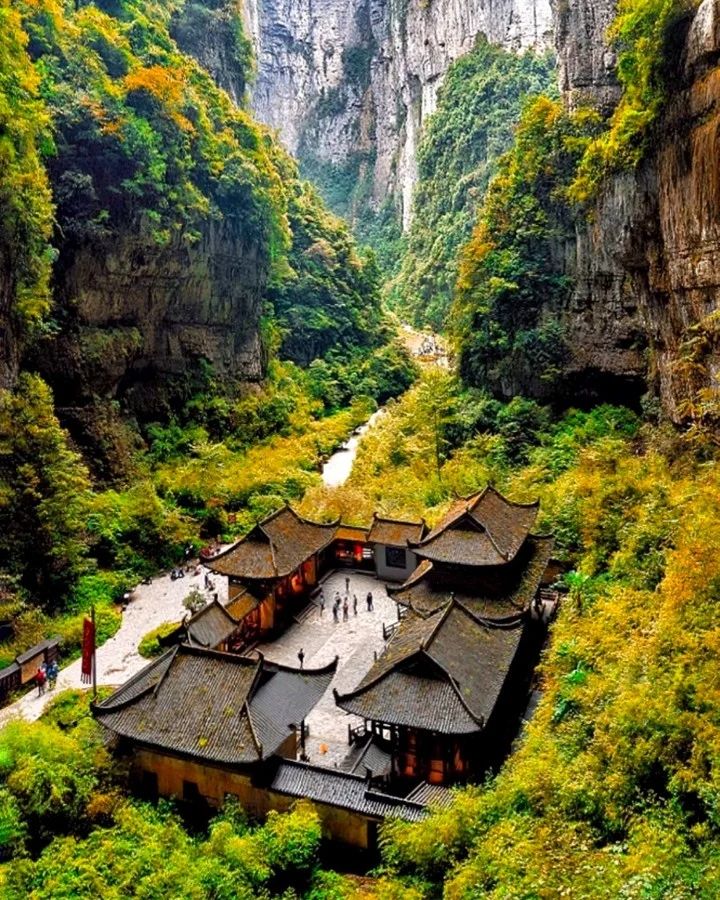
Wulong Tiankeng Seam in city of Chongqing, is a typical Karst landform. Three natural stone Bridges and two sinkholes are listed as World Natural Heritage sites.
The William L. Wilson and Diane C. Wilson Scholarship in Karst Science. Info for the scholarship can be found at (https://t.co/64dJBuEUTJ). Deadline is February 15th, 2023!
Unearthing the Sources of Cave-Forming Sulfuric Acid
Contributed by GSA #SciComm Fellow @labtalk_laura
https://t.co/K3EnLS9w3U
New science from #GEOLOGY https://t.co/HFqU97t6PZ
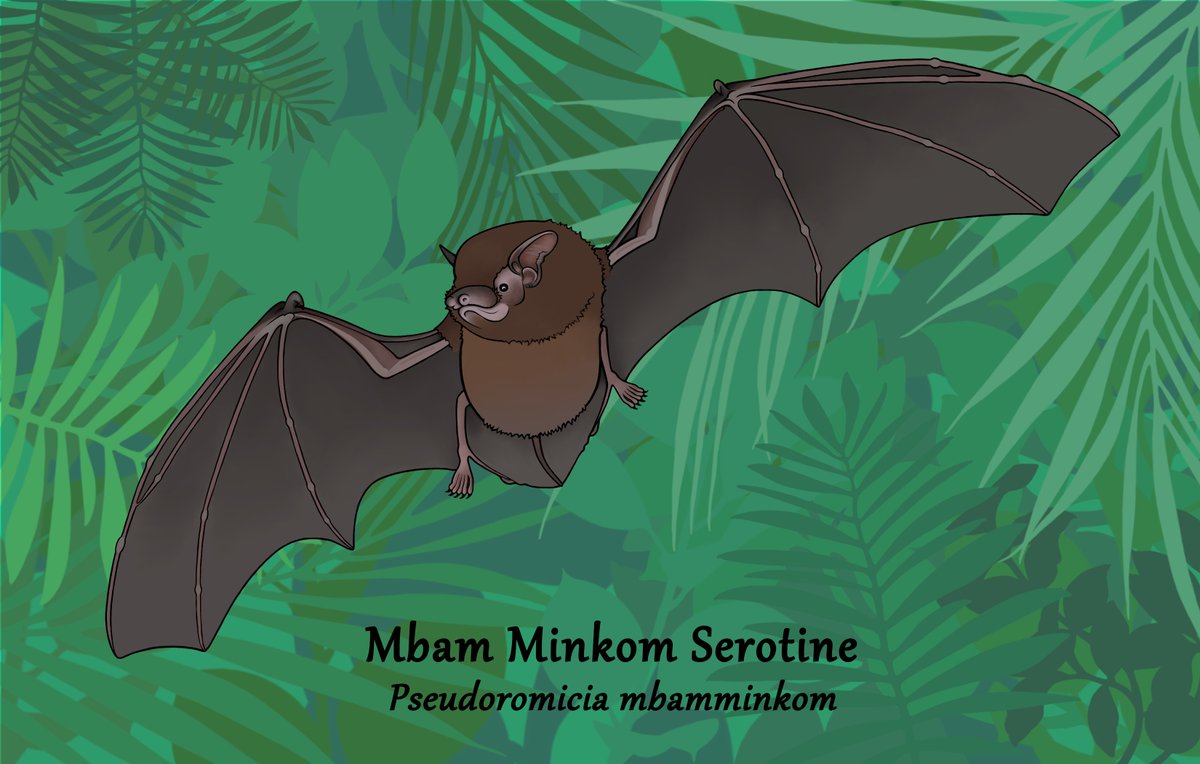
🦇🚨NEW BAT SPECIES🚨🦇
🧵 (1/3) Amanda Grunwald, PhD student at Portland State University, and her collaborators have described a new bat species- 𝘗𝘴𝘦𝘶𝘥𝘰𝘳𝘰𝘮𝘪𝘤𝘪𝘢 𝘮𝘣𝘢𝘮𝘮𝘪𝘯𝘬𝘰𝘮, or commonly “Mbam Minkom Serotine.”
Cave and Karst Educational Resources
Week 7: Lesson Plans from Virginia Cave Week
Looking for some fun educational activities to do with the kids? Take a look at the link below from Virginia Cave Week 🦇
https://t.co/dc2WbF9Cru
Cave and Karst Educational Resources.
Week 5: Cave Speleothems
Have you ever wondered about cave speleothems? They not only provide scenery to cave environments but some are excellent climate change recorders.
https://t.co/DTJvKhqxF1
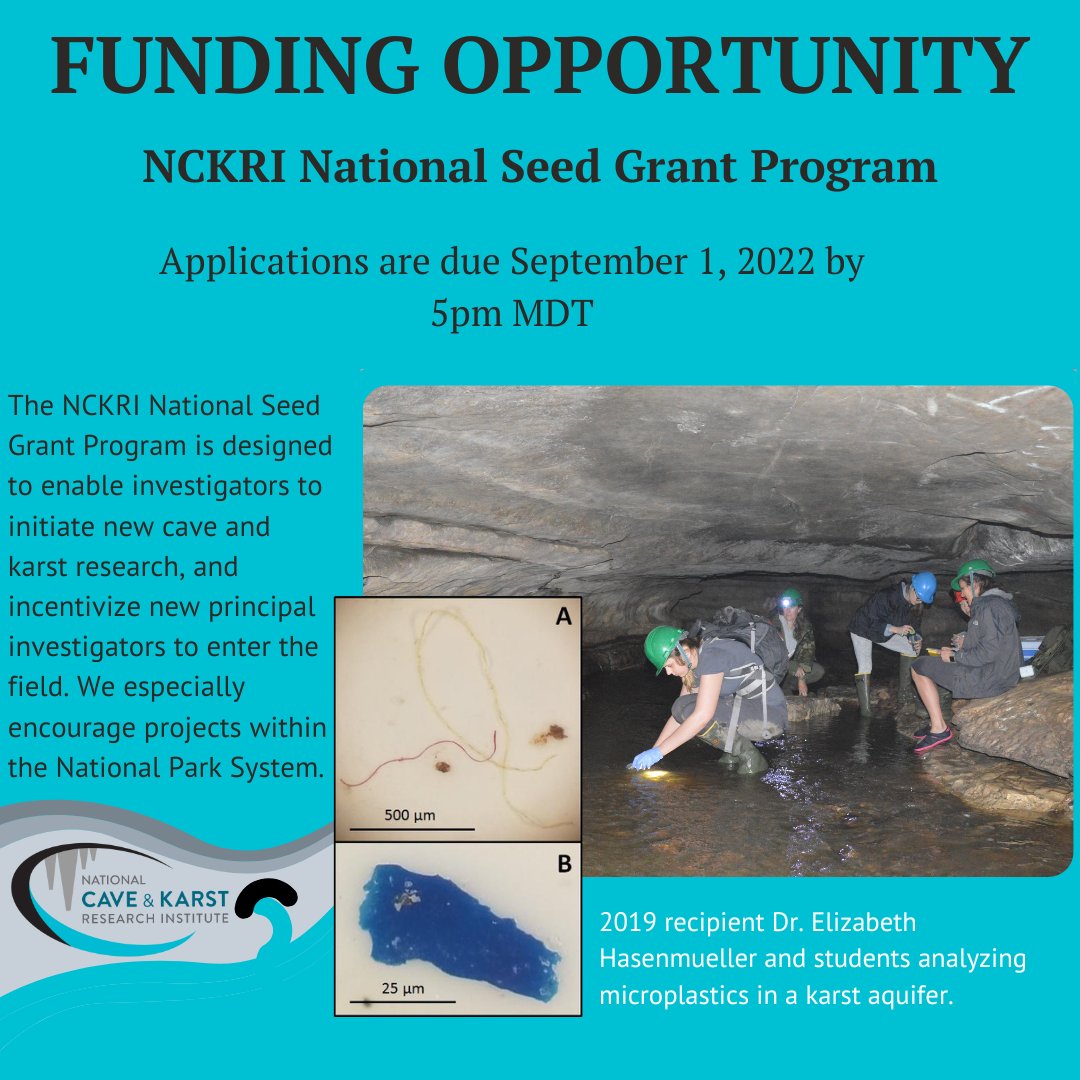
#fundingopportunity The NCKRI National Seed Grant Program supports investigators initiating innovative #cave and #karst#research and encourages new principal investigators.
Deadline: 9/1/2022
Questions contact: @geomicrobe@NMT_EES
https://t.co/KQf7X2S65K
3/3: Sinkhole collapse or flooding are problems that can be predicted and avoided.
The KWI is providing basic data, referral services, and direct consultation for agencies with responsibility for land-use decisions in karst areas.
2/3: Sinkholes can collapse catastrophically with dramatic damage to property. Sinkholes can also develop slowly and yet unalterably change land-use options. The unique characteristics of karst areas do not mean that land use must be restricted or that problems are inevitable.