OA journal for all aspects of subterranean ecosystems. Focusing on biology, ecology,evolution &conservation. Published by @Pensoft on behalf of @SubterraneanBio
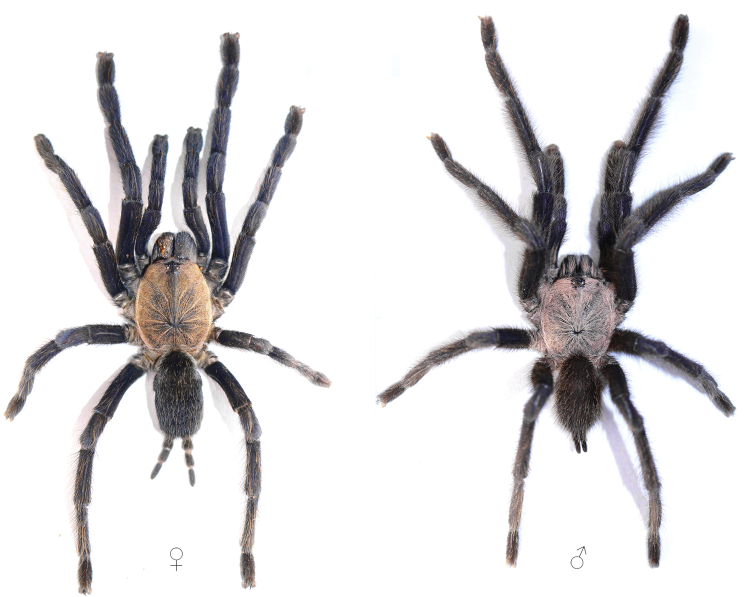
🕷 Two new tarantula species are described from the forest grounds of the Libmanan Caves Natural Park in the Philippines. Find out more about them here: https://t.co/TQk0OLTtxZ
#caves#spiders#tarantulas
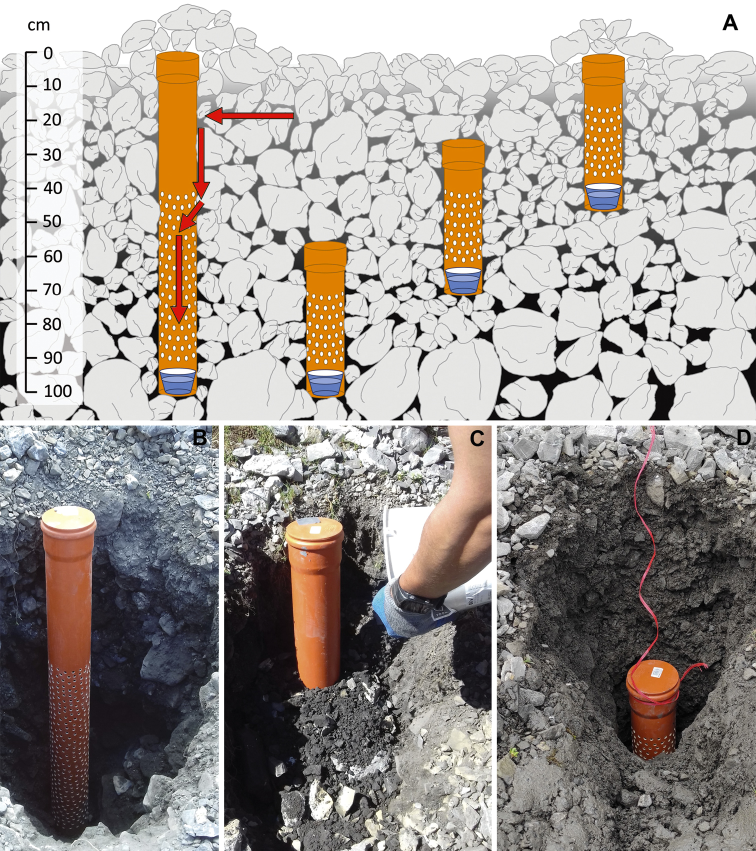
"Our study showed that standard subterranean sampling devices do indeed capture individuals of invertebrate species present in the depth range of 40 to 90 cm in the scree layer."
🔓 Study: https://t.co/0Hk4XWVuzG
Mixtacandona thessalica is a new non-marine ostracod species collected in a sulfidic cave in central Greece. Learn all about it in this research article: https://t.co/CMKLhx3YiV
#subterranean#ostracods#taxonomy@ilamaz@unipr@cnr_igag
For the first time, the centipede Lithobius peregrinus is confirmed to occur in Romania. Find out more here: https://t.co/NPmt5YMbp2
#biodiversity#centipedes#subterranean
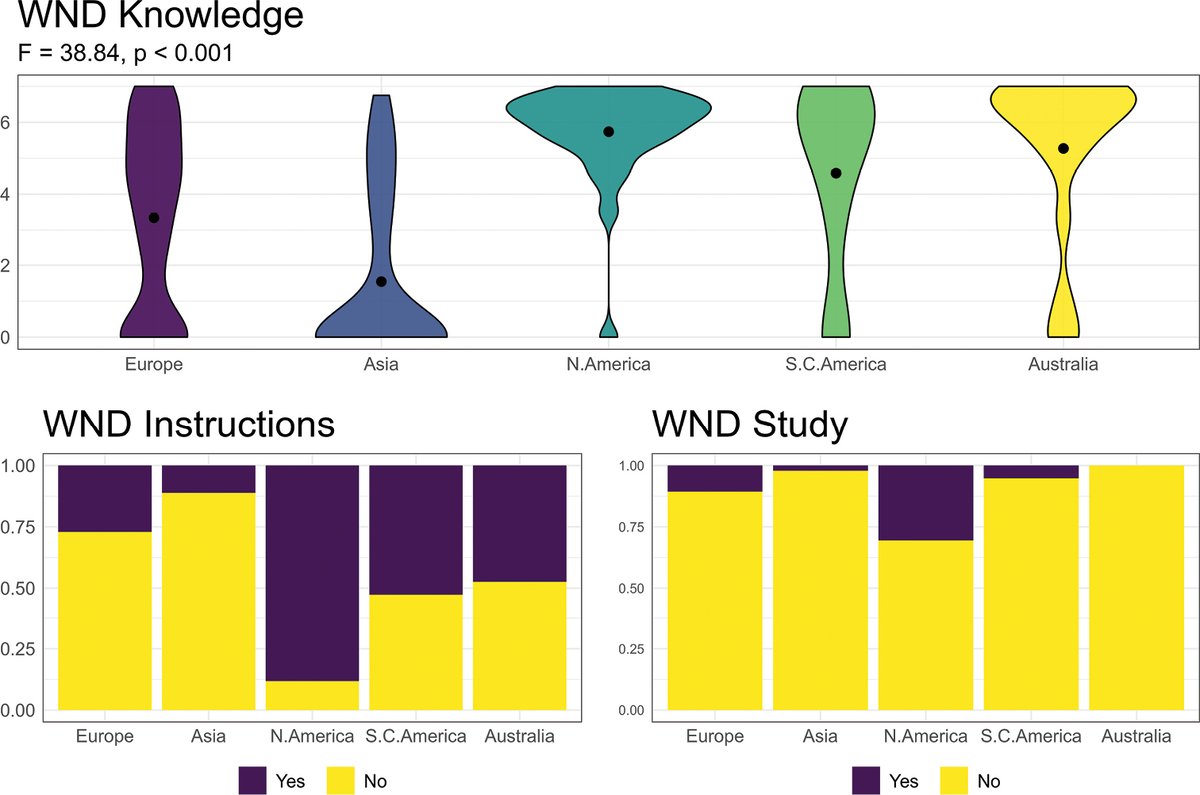
Further awareness of white-nose disease is needed in Europe and Asia, where specific guidelines for limiting the spread of the fungus Pseudogymnoascus destructans are still to be developed, this study found: https://t.co/ulNNoArDQk
#bats#conservation#pathogens
The first complete data collection on Apulian subterranean fauna organised according to modern standards of data sharing: https://t.co/qvXZjYYbbH
#biodiversity#subterranean#fauna
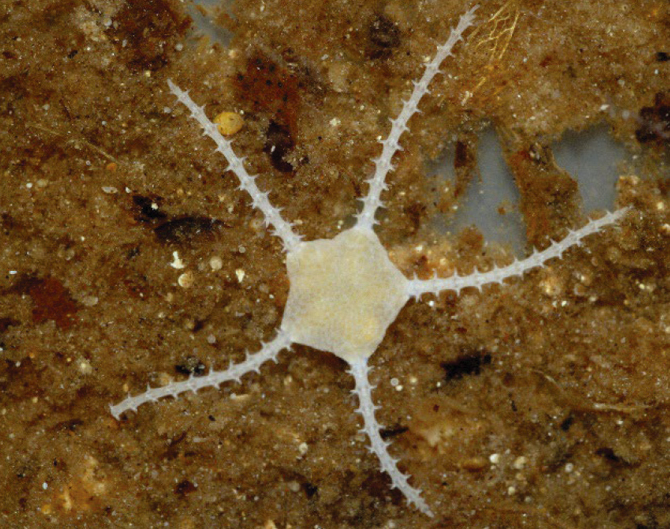
Amphicutis stygobita is a small microphagous deposit-feeding brittle star that survived and grew in captivity by consuming detritus rich in microorganisms and a sticky biofilm containing extracellular polymeric substances. More about this species at https://t.co/dtwVXntlLK
Bernier Cave in The Bahamas contains a rare and possibly unique niche that has allowed for the evolution and survival of the endemic brittle star Amphicutis stygobita, @nkuedu researchers found: https://t.co/LnKNbbWOCS
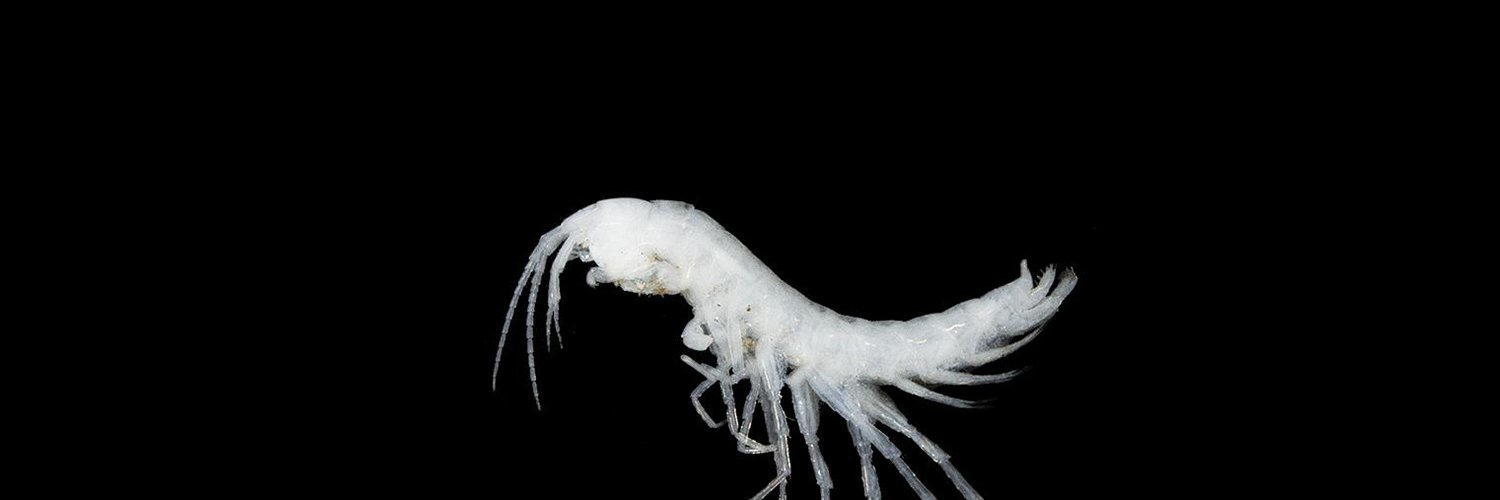
Found in an underground gallery created some 2,000 years ago, this is Baeticoniscus carmonaensis, a new isopod species. Find out all about it here: https://t.co/L95lCQjBhQ
#crustaceans#isopods#taxonomy@UAM_Madrid@UEuropea
Lifting barriers to knowledge, our content is now available on @BioDivLibrary, the world’s largest open-access digital library for biodiversity literature and archives.
https://t.co/D86HF9XSgT
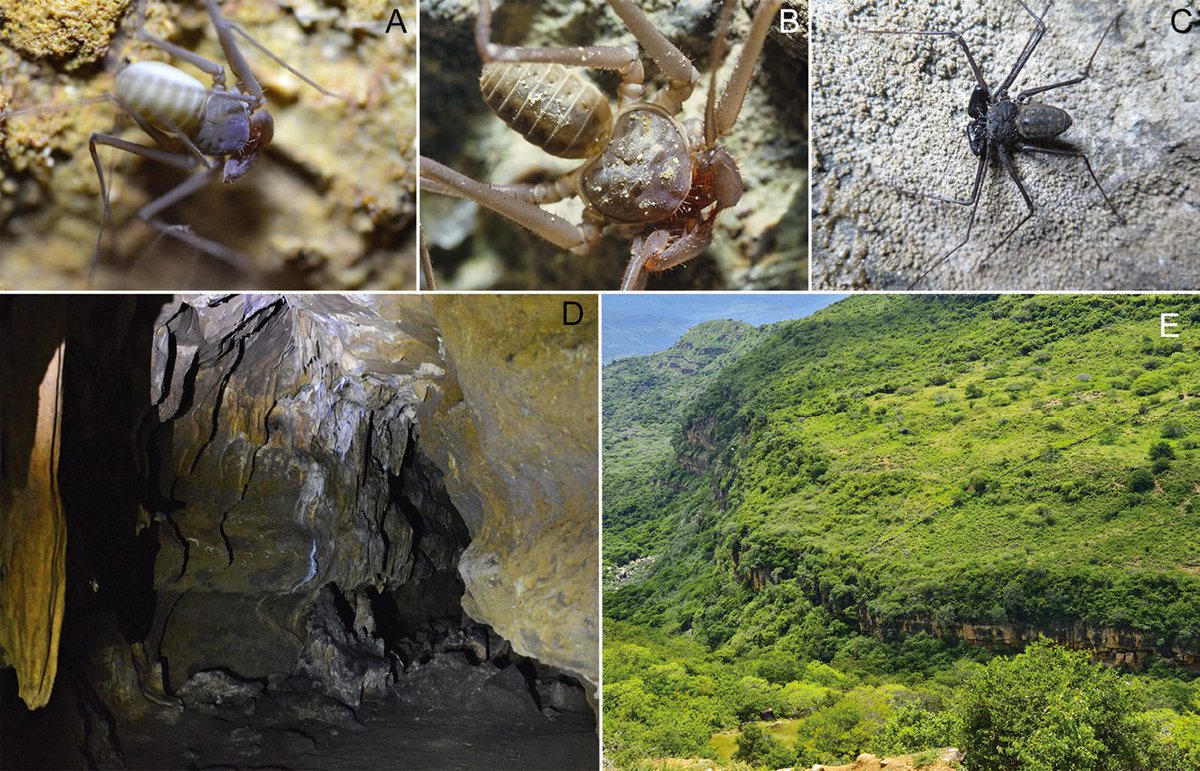
https://t.co/ui79Sg0LmU. Revisión de las arañas 🕷 látigo cavernícolas de Colombia o amblipigios, desde la isla de Providencia a Chiribiquete: 3 familias y 11 especies, incluida una nueva dedicada al dpto Santander. @inst_humboldt . Pronto libro @U_ElBosque
Researchers define the Odorrana lipuensis group of karst-dwelling frogs and describe a new species, Odorrana calciphila, from Guangdong, China, based on molecular and morphological analyses.
🔗 https://t.co/VdfpUt16J6
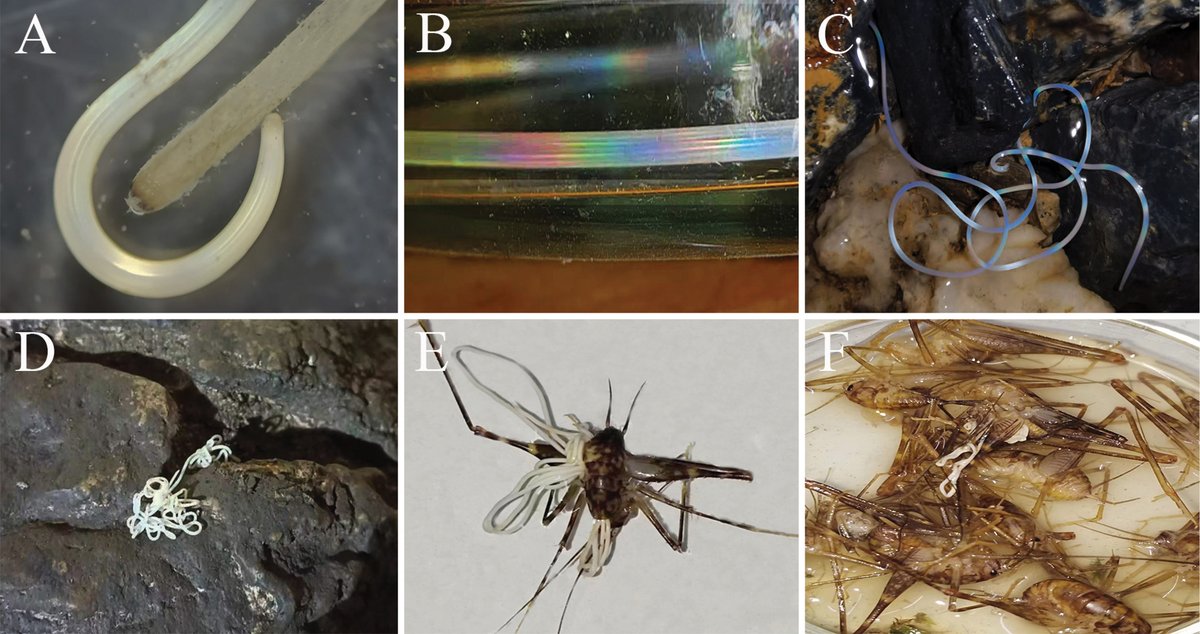
A new species of horsehair worm, which parasitises Tachycines species, has been discovered from the karstic caves in the Wuling Mountains, China.
🔗 https://t.co/7IeHIztjON
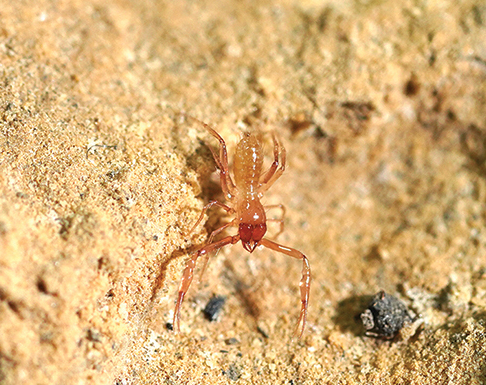
Three new pseudoscorpions are described in the genus Tyrannochthonius. Find out more about them here: https://t.co/r3XLfBsijJ
#taxonomy#biodiversity#newspecies
Hades, god of the dead and king of the underworld, now has another title to add to his resume: deep-sea isopod.
Read about five new #isopod species named after Greek mythological figures on the @Pensoft blog!
🔗 https://t.co/vrIeNHRa4K