本日6月7日(日)は開館日です。
5日ほど前に梅雨入りをした四国地方ですが、
今朝はまさに「梅雨の日」という感じの雨が
降っています。
ちょっと肌寒いですが、
梅雨の音が心地よく聞こえてきます。
本日は展覧会最終日です。
「花の静けさが彼女のものとなる
ーThe Story of Flowers」は、
本日16:30が入館締め切りです。
ぜひお見逃しなく!
さて次回の展覧会のお知らせです。
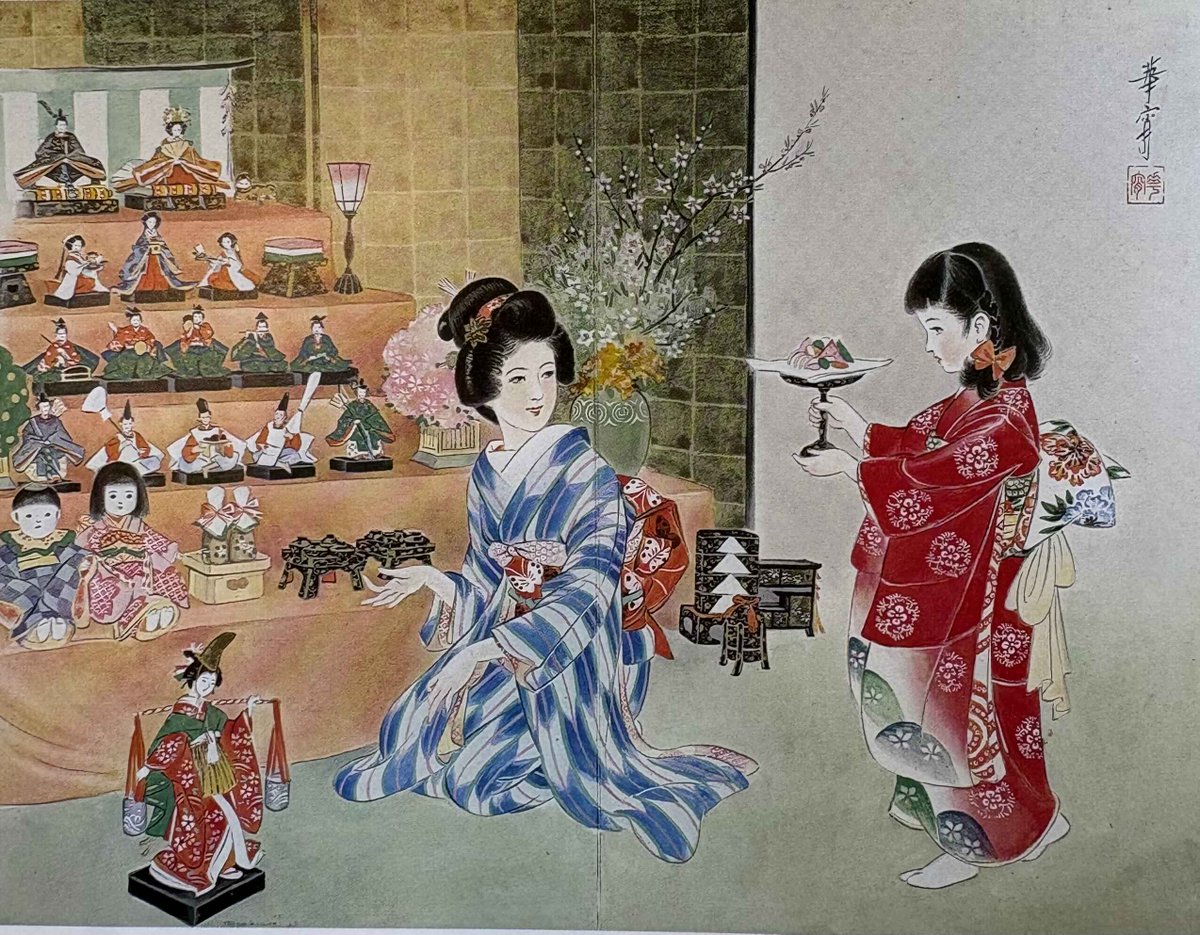
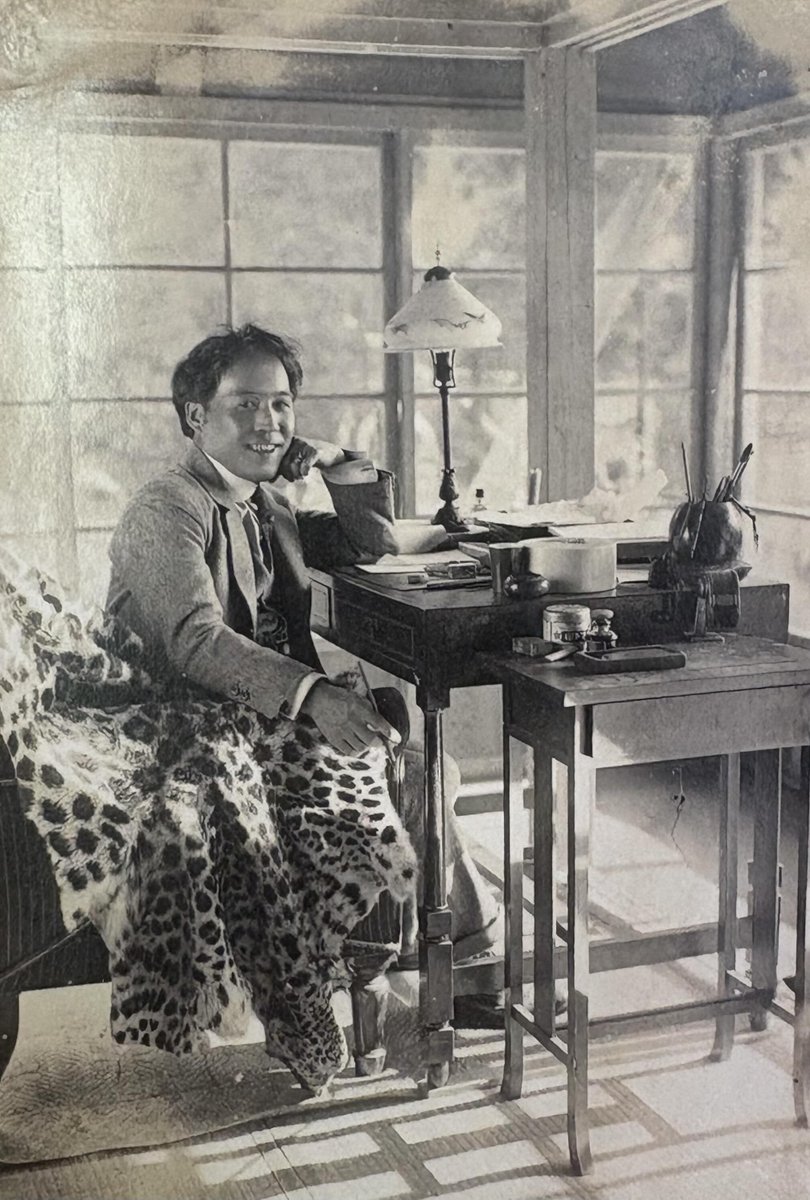
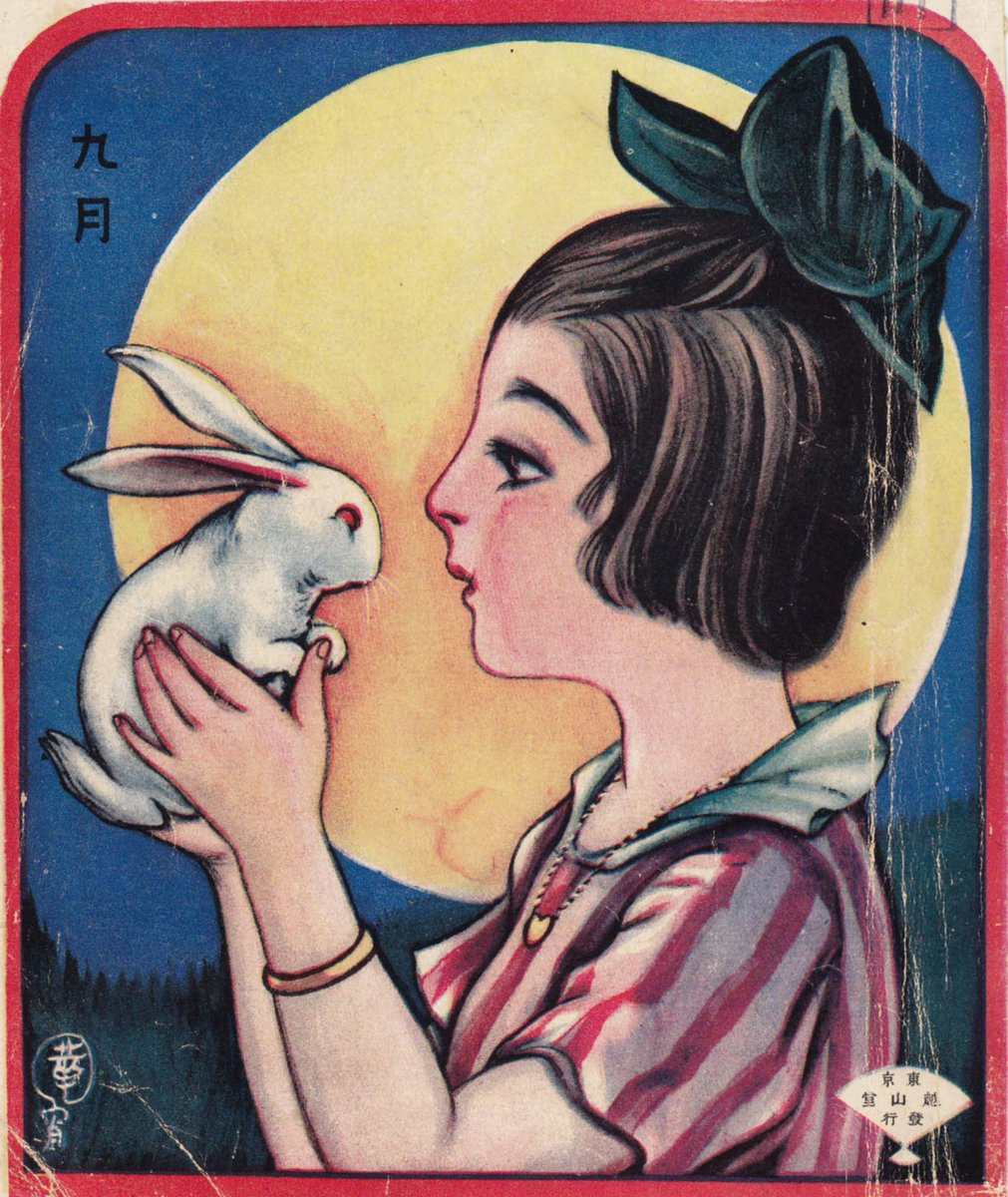
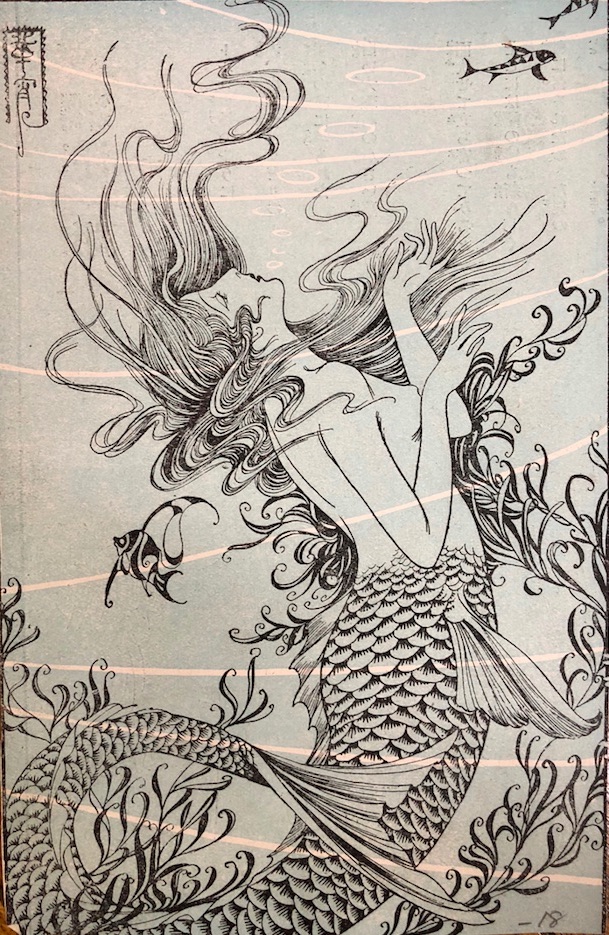
「華宵のまなざしをたどる展
ー一人の画家の内なる風景ーー」
(2026年6月27日〜9月23日)
今年は華宵没後60年にあたります。
この展覧会では、華宵の人生改めて見直すものです。
幼少期の宇和島の暮らし、
画学生となった少年期、
生活苦を味わった青年期、
大正時代を中心とした挿絵全盛期、
戦前戦後の生活や画風の変化、
晩年の困難と救済、
華宵の人生は常に絵と共にありましたが、
今回の展覧会では、各時代の作品紹介に加えて、
華宵の手紙やインタビューなどから
華宵の内面に迫っていきます。
明日から6月26日までは、展示替えのため
休館いたします。ご了承ください。
次の開館日は6月27日、28日です。
みなさまのご来館をお待ち申し上げます。
Today, Sunday, June 7, we are open to visitors.
The rainy season began in Shikoku about five days ago, and this morning we are greeted by the kind of gentle rain that truly feels like a day in the rainy season. Although the air is a little cool, the sound of the rain is calm and comforting.
Today is the final day of our exhibition:
The Stillness of Flowers Becomes Her Own — The Story of Flowers
Last admission is at 4:30 p.m. We hope you will not miss this opportunity to visit before the exhibition closes.
We would also like to announce our next exhibition:
Tracing Kasho's Gaze: The Inner Landscape of an Artist
June 27 – September 23, 2026
This year marks the 60th anniversary of Kasho's passing. This exhibition offers a fresh look at his life and artistic journey.
From his childhood in Uwajima, to his formative years as an aspiring art student; from the hardships of his youth, to the height of his success as an illustrator during the Taisho era; from the changes in his life and artistic style before and after the war, to the struggles and redemption of his later years—Kasho's life was always intertwined with his art.
In addition to presenting works from each stage of his career, this exhibition explores Kasho's inner world through his letters, interviews, and other personal materials.
Please note that the museum will be closed from June 8 through June 26 for exhibition installation.
Our next opening days will be June 27 and 28.
We look forward to welcoming you to the museum.
本日6月6日(土)は開館日です。
「花の静けさが彼女のものとなる
The Story of Flowersー」展は、
明日までとなりました。
今回は会期が2ヶ月と、
通常のコレクション・テーマ展よりは
やや短めの展覧会で、名残惜しい気がします。
終了間近ということでか、先週はいつもより
多くの来館者で館内は賑わっていました。
今回の展示では、吉屋信子の『花物語』の
各エピソードから
華宵が描いた花のモチーフと合致する物語を選び、
そのあらすじと本文の抜粋を紹介しています。
大正少女文化独特の設定や言葉遣いは
なかなか現代の私たちには馴染みがないものとなって
しまいましたが、それでも来館者の皆さんは熱心に
それらを読んでくださっています。
また大正乙女花言葉も、
文字数多めの紹介となっていて、
それらをガッツリ読むには、かなりの気合いが必要です(笑)。
全体的に来館者の滞在時間が長めに感じられることが、
とても嬉しく思っています。
今日の16:00からは哲学カフェ@カフェ・カショーです。
テーマは「涙」です。
どんな話が展開されるのか、とても楽しみです。
当日の飛び入り参加も受け付けます。
明日はいよいよ展覧会最終日。
みなさまのご来館をお待ち申し上げます。
Today, Saturday, June 6, the museum is open.
Our special exhibition, “The Story of Flowers — When the Stillness of Flowers Became Hers”, will run only until tomorrow.
With a two-month duration, this exhibition has been somewhat shorter than our usual collection-based thematic exhibitions, which makes its closing feel all the more bittersweet. Perhaps because the final days are approaching, we welcomed more visitors than usual last week, and the museum was filled with lively activity.
For this exhibition, we selected stories from various episodes of Nobuko Yoshiya’s Hana Monogatari (Flower Tales) that correspond to floral motifs depicted in Kasho’s works. Alongside the artworks, we introduced story summaries and selected excerpts from the original text.
The unique settings and language of Taishō-era girls’ culture are no longer entirely familiar to modern readers. Even so, many visitors have taken the time to read these materials with great interest and care.
The exhibition also features entries from Taishō Maiden Flower Language, many of which are rather substantial in length. Reading them all thoroughly requires a fair amount of dedication—and perhaps a little determination as well!
One of the things that has pleased us most is seeing visitors spend longer periods of time in the galleries, engaging deeply with the exhibition.
This afternoon at 4:00 p.m., we will host another Philosophy Café at Café Kasho. The theme is “Tears.” We are very much looking forward to seeing where the conversation will lead. Walk-in participation will also be welcome.
Tomorrow marks the final day of the exhibition.
We warmly look forward to welcoming you to the museum.
本日5月31日(日)は開館日です。
もう今日で5月も終わりですね。
明日からは6月。暑い夏の始まりでしょうか。
大正ロマン館の前庭や喫茶の横では、
満開のピンク色のサツキが咲いています。
また建物の隣の池(ロマン池と命名)の周辺には、
紫陽花が咲き始めました。
季節が移り変わっていくのを感じます。
大正乙女花言葉の中には、サツキの項目がありません。
ツツジの花言葉は掲載されています。
不思議です。
今朝の通勤中、大正ロマン館へと続く道の山ぎわに、
ニホンザルの親子を見かけました。
奥の山にはサルの群れが隠れているのでしょうか?
大正ロマン館の周辺には、イノシシ、シカ、タヌキ、
ウサギ、イタチ、キツネなどなど、
色んな動物がいます。
自然が豊かな環境にあることを、改めて思いました。
次の開館日は6月6日(土)、7日(日)です。
「花の静けさが彼女のものとなる
The Story of Flowersー」展は、
いよいよ来週が最後です。
6月6日16:00〜は哲学カフェ@カフェ・カショーを
開催します。
テーマは「涙」。ぜひご参加くださいませ。
みなさまのご来館をお待ち申し上げます。
Today, Sunday, May 31, the museum is open.
It is hard to believe that May has already come to an end. Tomorrow marks the beginning of June—perhaps the start of another long, hot summer.
In the front garden of the Kasho Museum and beside the café, pink satsuki azaleas are now in full bloom. Around the pond next to the building—affectionately named the Roman Pond—hydrangeas have also begun to flower. These seasonal blossoms remind us that the year is steadily moving forward.
Curiously, among the flower meanings featured in our Taisho Maiden Flower Language, there is no entry for satsuki azaleas, although one can find a flower meaning for azaleas (tsutsuji). It is a rather intriguing omission.
On my way to work this morning, I spotted a mother Japanese macaque and her young near the mountainside along the road leading to the museum. I wonder if a larger troop was hidden somewhere deeper in the hills. The area surrounding the Taisho Roman Museum is home to a surprising variety of wildlife, including wild boars, deer, raccoon dogs, rabbits, weasels, foxes, and many others. It reminded me once again how fortunate we are to be surrounded by such rich natural beauty.
Our next opening days will be June 6 (Saturday) and June 7 (Sunday).
The collection exhibition, When the Quietness of Flowers Becomes Hers — The Story of Flowers, will close next week, making this your final opportunity to see it.
We will also be holding our Philosophy Café at Café Kasho on June 6 at 4:00 p.m. The theme will be “Tears.” We warmly invite you to join us.
We look forward to welcoming you to the museum.
本日5月30日(土)は開館日です。
台風が近づいてきているようですが、
五月晴れの清々しい週末です。
大正時代の着物には、
多様な花文様が盛んに用いられました。
近代化の進展とともに都市生活が広がる中、
女性たちは装いを通して新しい美意識を表現するようになります。
この時代の特徴は、江戸時代から明治期にかけて
一般的であった細かな小紋ではなく、
布面いっぱいに広がる大胆で装飾的な柄行が
好まれた点にあります。
また銘仙の普及により、
鮮やかな色彩や大きな反復模様が可能となり、
花柄は従来の控えめな文様に比べて、
より強い存在感をもって表されるようになりました。
さらに、バラやチューリップなどの洋花の導入に加え、
曲線的な意匠や流れるような構成には、ヨーロッパの
アール・ヌーヴォーの影響も認められます。
少女雑誌の挿絵画家たちが描いた華やかな着物姿は
読者の憧れを集め、
そうした図像が流行感覚を後押しすることで、
実際の着物意匠にも影響を与えていきました。
大正着物の花文様はこの時代特有の
華やかで自由な感性を映し出しています。
「花の静けさが彼女のものとなる
The Story of Flowersー」展は、
残り4日間となりました。
みなさまのご来館をお待ち申し上げます。
Today, Saturday, May 30, we are open to visitors.
Although a typhoon appears to be approaching, it is still a refreshing late-May weekend blessed with clear skies.
Floral motifs were widely used in kimono designs during the Taishō period (1912–1926). As modernization advanced and urban lifestyles became increasingly common, women began to express new aesthetic sensibilities through fashion.
One of the defining characteristics of this era was a shift away from the small, repetitive patterns that had been popular from the Edo through Meiji periods. Instead, bold and decorative designs spreading across the entire surface of the fabric came into favor.
The growing popularity of meisen silk further encouraged the use of vivid colors and large repeating patterns. Floral motifs, once relatively restrained, began to be presented with a much stronger visual presence.
The introduction of Western flowers such as roses and tulips, together with flowing compositions and curvilinear designs, also reflects the influence of European Art Nouveau.
The elegant kimono styles depicted by illustrators in girls’ magazines captured the imagination of readers. As these images helped shape contemporary tastes and fashions, they in turn influenced actual kimono designs.
The floral patterns of Taishō-period kimono vividly reflect the era’s distinctive sense of elegance, creativity, and freedom.
The Story of Flowers exhibition, When the Quietness of Flowers Becomes Hers, has just four days remaining.
We look forward to welcoming you to the museum.
本日5月24日(日)は開館日です。
先日ご案内をしました6月6日(土)に開催予定の
「哲学カフェ@カフェ・カショー」の参加申し込みURLの仕様が間違っておりました。
「参加申し込みできません〜」というお声を頂き、
確認しましたところ、こちらの設定ミスでした。
申し訳ございません。
改めて設定し直しましたので、「参加申込」をクリックすれば、
お申し込みいただけます。
https://t.co/oJjji4ydO7
今回の哲学カフェのテーマは「涙」です。
ということで、華宵が描いた「涙」をご覧ください。
中には「涙」自体は描かれていないものもありますが、
涙を流している心情が伝わってきます。
彼ら・彼女たちはどうして涙を流しているのでしょうか?
「花の静けさが彼女のものとなる
ーThe Story of Flowersー」展は好評開催中です。
みなさん、クイズに真剣に取り組んでくださっています。
展覧会の残りの開館日は5日間となりました。
次の開館日は5月30日(土)31日(日)です。
5月ももう終わりますね。
Today, Sunday, May 24, the museum is open.
We recently announced the upcoming “Philosophy Café @ Café Kasho,” to be held on Saturday, June 6. However, we discovered that there was an error in the registration URL we provided.
After receiving messages from several people saying, “We can’t register,” we checked the settings and found that the mistake was on our side.
We sincerely apologize for the inconvenience.
The settings have now been corrected, and you should be able to register successfully by clicking “Registration.”
https://t.co/oJjji4ydO7
The theme of this month’s Philosophy Café is “Tears.”
With that in mind, we would like to share with you several images of tears depicted by Kasho.
In some of the works, tears themselves are not directly shown, yet the emotions of the figures seem to quietly convey a sense of sorrow and longing.
Why are they shedding tears?
“The Story of Flowers — When the Quietness of Flowers Becomes Hers —” is continuing to receive a wonderful response from visitors.
Many guests have been enthusiastically taking part in the exhibition quiz.
Only five exhibition days now remain.
The museum will next be open on Saturday, May 30, and Sunday, May 31.
May is already drawing to a close.
本日5月23日(土)は開館日です。
ちょっと薄曇りの週末です。
今日は展示中の華宵の書簡をご紹介しましょう。
姪(華宵の兄亀太郎の娘)の倭文(しず)へ
宛てた手紙です。
大正10年頃のものです。
まずは冒頭の無沙汰を詫びる書き出し。
*****
御手紙を拝見しました。大ぶんよく書けますね。
感心しましたよ。あんたはお幾つニなったっけね。
叔父さんは明けても暮れても
自分の事ばかり考へて居るから、
あんたがもう其んなニ大きくなった事ニも
気が付かなんだ。
悪い叔父さんですね。
*****
そして自分の現在の様子を伝えます。
*****
其して此の頃は、夜は夜ドーシおきて居て、
人の起きて働く昼間をヅーと眠ります。
づい分変な叔父さんだらう。
其れは体ニ大変悪い事だけれど、
叔父さんは此うしないといけない様ニ
なってしまったの。
おかしいね。
*****
倭文から絵葉書を送ってほしいと頼まれたことについて、模写用にするのであれば、人の真似はよくないと言います。
*****
大人のかいた絵を真似して描くのは、
あんまり好くない事だから。
しずさんが自分の目で見て描くのが一等よい。
あんたが見た通り一生懸命で写生するなり、
考へた工風(ママ)画にするなりした方が、
御手本を見てかくよりどの位い、
いいのか知れないから。
*****
しかしそうではなく、
珍しい柄の絵葉書が欲しいのであれば、
自分が持っているのは子ども向けではないので、
神田で買ってきて送ると伝えます。
*****
叔父さんの所にある珍しい絵ハガキと云ふのは、
小供が見るより大人が見て大変珍しいものなのだから、
文化展覧会とやらへ学校の小供の出品としては
向きが違う様ニ思ひます。
だからコウしましょう。
叔父さんが神田の方へ出かけていって、
好さそうなのを色々買って送って上よう。
叔父さんは前ニ書いた様に、づい分出ぶしようだが、
しづさんの御頼みは始めてだから、
キット買ひニ行きます。
*****
華宵さん、とても優しい叔父さんですね。
この時倭文さんは小学校の高学年ぐらいですが、
後年、華宵から着物の柄や色の合わせ方など、
細かく教えてもらったと語っていました。
展示室でぜひ全文を読んでみてくださいね。
「花の静けさが彼女のものとなる
The Story of Flowersー」展は好評開催中です。
明日も開館いたします。
Today, Saturday, May 23, the museum is open.
It’s a softly overcast weekend day.
Today, I would like to introduce one of Kasho’s letters currently on display.
It was written to his niece Shizu (the daughter of Kasho’s older brother, Kametaro), and dates from around 1921.
The letter begins with an apology for not having written for so long.
*****
I received your letter. Your writing has become very good indeed.
I was quite impressed. How old are you now, I wonder?
Your uncle spends all his days thinking only about himself,
so I failed to notice how much you have grown.
What a terrible uncle I am.
*****
He then describes his current way of life.
*****
Lately, I stay awake all through the night,
and sleep through the daytime when other people are up working.
A rather strange uncle, wouldn’t you say?
I know it is very bad for one’s health,
but somehow I have become unable to live any other way.
Strange, isn’t it?
*****
Shizu had apparently asked him to send her picture postcards.
Kasho gently tells her that if she intends to copy the pictures,
imitating other people’s drawings is not the best approach.
*****
Copying drawings made by grown-ups
is not really such a good thing.
The very best thing is for you to draw what you see with your own eyes.
Whether you sketch carefully from life,
or make up pictures using your own ideas and inventions,
it will be far more worthwhile
than simply copying from a model.
*****
However, if what she wants are unusual postcards themselves,
he explains that the ones he owns are not really suitable for children,
and promises to go to Kanda and buy some for her.
*****
The unusual postcards your uncle owns
are the sort of things that adults would find interesting rather than children.
So I do not think they would be quite suitable
for a school exhibition.
So let us do this instead.
I shall go out to Kanda
and buy all sorts of lovely ones to send you.
As I wrote before, your uncle is terribly lazy about going out,
but since this is the first favor you have ever asked of me,
I shall most certainly go and buy them.
*****
Kasho truly seems to have been a very kind uncle.
At the time, Shizu was probably in the upper grades of elementary school.
In later years, she recalled how Kasho carefully taught her
about kimono patterns, colors, and how to coordinate them beautifully.
Please take the opportunity to read the full letter in the exhibition gallery.
“When the Quietness of Flowers Becomes Hers
—The Story of Flowers—”
is now on view to great acclaim.
We will be open again tomorrow as well.
本日5月17日(日)は開館日です。
今日は昨日に比べ、さらに気温が上がりそうです。
大正ロマン館の隣の街・砥部町では、
植樹祭が行われます。
さて来月の哲学カフェ@カフェ・カショーの
テーマが決まりました。
「涙」です。
華宵の作品(特に挿絵)には、
「泣き」の描写が多いです。
以前に「大正人の涙」展という展覧会も開催しました。
『花物語』の登場人物たちも、たくさん涙を流します。
今回の哲学カフェでは、「人はなぜ涙を流すのか」
「どんな時に涙が出るのか」「涙とは・・・?」
などについて考えてみたいと思います。
大正ロマン館のWEBサイトの
「イベントのご案内」をご覧いただき、
お申し込みください。
https://t.co/dAzqPyryY5
「花の静けさが彼女のものとなる
The Story of Flowers」展は好評開催中です。
次の開館日は5月23日(土)、24日(日)です。
Today, Sunday, May 17, the museum is open.
It looks as though the temperature will rise even higher than yesterday.
In the neighboring town of Tobe, next to The Kasho Museum, a tree-planting festival will be held today.
We have also decided on the theme for next month’s Philosophy Café at Café Kasho:
“Tears.”
Many of Kasho’s works — especially his illustrations — depict people in tears.
In the past, we also held an exhibition titled Tears in the Taisho Era.
The characters in The Story of Flowers shed many tears as well.
At this Philosophy Café, we hope to reflect together on questions such as:
Why do people cry?
When do tears appear?
What are tears, really?
Please visit the “Events” section of The Kasho Museum website for details and registration.
The exhibition
When the Quietness of Flowers Becomes Hers — The Story of Flowers
continues to receive a wonderful response from visitors.
The museum will next be open on Saturday, May 23, and Sunday, May 24.
https://t.co/dAzqPyryY5
本日5月16日(土)は開館日です。
今日からしばらくは夏日が続くそうですね。
愛媛県の5月の平均気温は19.5度だそうですが、
早くも長い夏の予感がしています。
「花の静けさが彼女のものとなる
ーThe Story of Flowersー」は好評開催中です。
会期は6月7日まで。開館日は残り8日間です。
第2展示室には、
大正時代の少女雑誌に掲載されていた、
大正少女の花言葉とそれらに呼応する華宵の作品を
展示しています。
今日はその中から、いくつか紹介しましょう。
*****
【チューリップ】
愛の宣言を現します。赤は名誉や深い友情、
白は可憐や同情、斑は美しい目、
黄はのぞみなき愛などを意味します。
【ゆり(百合)】
日本では草花の王だとされています。
白は純潔、温和、快活を、
赤は友情、信実などを現します。
そして黄は虚偽、華美、虚栄などを意味します。
【すずらん(鈴蘭)】
希望、幸福は帰り来るという意味を持っています。
交際の絶えていた友達などに贈って
「もう一度昔の友情に立ち返って下さい」と訴えます。
谷間の白百合とも呼ばれて、北海道に多い花です。
【けし(罌粟)】
幸運、平和の意味に使われます。
赤は慰め、愛撫を、深紅は夢幻の豪奢を、
白は「眠れ、わたしの毒物」を現します。
*****
明日も開館いたします。
Today, Saturday, May 16, the museum is open.
It looks like summer-like weather will continue for a while from today.
The average temperature in Ehime in May is said to be 19.5°C, but it already feels as though a long summer is on its way.
“Our Quietness of Flowers Becomes Hers
—The Story of Flowers—” is now being warmly received.
The exhibition runs through June 7, with only eight opening days remaining.
In Gallery 2, we are displaying the language of flowers featured in Taisho-era girls’ magazines alongside Kasho’s works that resonate with them.
Today, we would like to introduce a few of them.
*****
【Tulip】
A symbol of love and devotion.
Red represents honor and deep friendship,
white innocence and sympathy,
variegated petals beautiful eyes,
and yellow hopeless love.
【Lily】
In Japan, lilies are considered the queen of flowers.
White symbolizes purity, gentleness, and cheerfulness,
red friendship and sincerity,
while yellow represents falsehood, vanity, and extravagance.
【Lily of the Valley】
A flower symbolizing hope and the return of happiness.
It was sometimes given to old friends as a wish to renew a once-lost friendship.
Also known as the “white lily of the valley,” it is commonly found in Hokkaido.
【Poppy】
Associated with good fortune and peace.
Red symbolizes comfort and affection,
deep crimson dreamy splendor,
and white carries the meaning: “Sleep, my poison.”
*****
We will also be open tomorrow.
本日5月10日(日)は開館日です。
朝から快晴の日曜日、お出かけ日和です。
昨日の「リーディングカフェ@カフェ・カショー」には
たくさんの方にご参加いただきました。
遠くは広島からわざわざお越しいただき、
「リーディングカフェに参加してリフレッシュできました」とおっしゃってくださいました。
とても嬉しかったです。
「春」(芥川龍之介/『女性』大正14年4月号)
「赤いろうそくと人魚」(小川未明/「東京朝日新聞」大正10年)
「相似」(菊池寛/『女性』大正14年4月号)
この3本を読みました。
一行またはひとセリフづつ声に出して読み回します。
意外と集中力が途切れず、いつの間にか物語の
世界に入って行っている感じがします。
来月6月6日(土)は、哲学カフェを開催します。
テーマは「涙」です。
詳細は後日お知らせします。
さて今日は「母の日」ですね。
今でこそ「母の日」=カーネーションと結びつき、
優しいお花のイメージがありますが、
大正時代の少女花言葉では、
「赤いカーネーションは悲しみを訴える場合に、
縞は拒絶する時に用います。
黄色は軽蔑を意味します。」
と書かれています。
また吉屋信子の『花物語』の中にも
カーネーションの項目はありません。
華宵もカーネーションは描いていない気がします。
ちょっと不思議ですね。
次の開館日は、5月16日(土)、17日(日)です。
Today, Sunday, May 10, the museum is open.
It’s been a beautifully clear morning — perfect weather for going out.
Yesterday, many people joined us for the “Reading Café @ Café Kasho.”
Some even traveled all the way from Hiroshima, and one participant kindly told us,
“Joining the Reading Café really refreshed me.”
That made us very happy.
Yesterday’s readings were:
“Spring” by Ryūnosuke Akutagawa
(originally published in Josei, April 1925)
“The Red Candle and the Mermaid” by Mimei Ogawa
(originally published in the Tokyo Asahi Shimbun, 1921)
“Resemblance” by Kan Kikuchi
(originally published in Josei, April 1925)
We read the texts aloud together, one line or one piece of dialogue at a time, passing the reading around the room.
As we took turns reading aloud, one line at a time, we found ourselves gradually drawn into the world of the stories, more deeply than we had expected.
Next month, on Saturday, June 6, we will hold another Philosophy Café.
The theme will be “Tears.”
More details will be announced later.
By the way, today is Mother’s Day.
Nowadays, Mother’s Day is strongly associated with carnations, and they are generally seen as gentle, affectionate flowers.
However, in the flower language featured in girls’ magazines of the Taishō era, carnations carried rather different meanings:
“Red carnations are used to express sorrow.
Striped carnations signify rejection.
Yellow carnations mean contempt.”
Interestingly, carnations do not appear in Nobuko Yoshiya’s The Story of Flowers, either.
And I have a feeling that Kasho himself rarely, if ever, painted carnations.
It’s intriguing how differently carnations were understood in those days.
The museum will next be open on Saturday, May 16, and Sunday, May 17.
本日5月9日(土)は開館日です。
今日は14:00から
「リーディングカフェ@カフェ・カショー」を
開催します。
おかげさまで満席となりました。
どんな場になるのか、楽しみです。
近隣の田んぼでは、トラクターで田んぼの土を
細かく砕いたり、
水を張った後に代かき(地面を平にする作業)をしたり、
早いところでは田植えをしたりなど、
5月に入ってから、
山里の風景が随分と活気に溢れてきた気がします。
大変な工程をいくつも経ながら、
こうして美味しいお米が作られていくことを思うと、
改めて農家の皆さんのご尽力に頭が下がります。
そしてお米はやはり日本の心であり故郷なのだなと
感じるのです。
華宵はそれほど数は多くありませんが、
体を使って働く人々(主に少年)の様子を
挿絵などに描いています。
華宵自身も若い頃、肉体労働に従事し、
その大変さを味わった経験があります。
それゆえ華宵は肉体労働の大変さと尊さを感じたのでしょう。
華宵が描く働く少年たちからは、
華宵がそこに魂のひたむきさと美しさを
描きこんでいるように見えるのです。
明日も開館いたします。
Today, Saturday, May 9, the museum is open.
This afternoon at 4:00 p.m., we will hold our “Reading Café at Café Kasho.”
We are pleased to announce that the event is now fully booked, thanks to the generous interest it has inspired.
We are very much looking forward to sharing this special time together.
In the rice fields around the area, May has brought a renewed sense of energy to the countryside.
Farmers are busy breaking up the soil with tractors, flooding the fields and carefully leveling the ground in preparation for planting, while in some places the rice planting has already begun.
Watching these many demanding stages of work unfold reminds us once again of the tremendous dedication behind every bowl of rice we eat.
It deepens our respect for the farmers whose labor sustains daily life.
Rice truly feels like the heart of Japan — and a symbol of home itself.
Although not numerous in number, Kasho also created illustrations depicting people at work, especially young boys engaged in physical labor.
In his own youth, Kasho experienced the hardship of manual labor firsthand.
Perhaps because of this, he understood both the difficulty and the dignity of such work.
The working boys in Kasho’s art seem to embody a quiet sincerity of spirit — a kind of inner beauty shaped through honest labor.
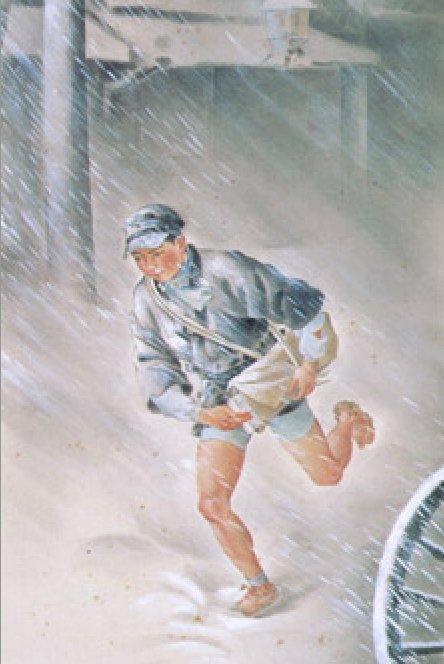
The museum will also be open tomorrow.
本日5月6日(水・振替休日)は開館日です。
ゴールデンウィークは今日までという方も
多いのでしょうか。
明日からの日常に備えて、
美術館で心身ともに整えるのも良いかもしれません。
大正ロマン館では、華宵の代表作《移り行く姿》の
複製を、常時展示しています。
これは明治・大正・昭和初期の女性の風俗の
移り変わりを、春夏秋冬の四季の変化を背景に
描いた六曲一双の屏風で、
60名の女性が描かれています。
この《移り行く姿》の中にも花は描かれています。
主に女性の着物の柄として花が描かれていますが、
大正着物の艶やかさと渋さが際立ちます。
まず明治期では、
鮮やかな赤い振袖の裾や袖に水仙です。
ハーフアップの髪型に大きなリボンの少女姿は、
水仙のシュッとした感じと少女の若々しさが呼応して、
とても印象的です。
昭和初期のカフェの前を歩く二人の少女。
赤地の振袖に牡丹菊模様の着物を着ているのは、
お稽古帰りの舞妓さんでしょうか。
桃割れの日本髪が初々しいです。
彼女の先を歩くの踊りのお師匠さんと思しき女性は、
アザミ模様の粋な帯を締めています。
彼女たちの左がわでショールを持って歩く少女は、
エメラルドグリーンに鮮やかな薔薇模様の振袖を
着ています。キリッとした洋髪とのバランスが
とてもモダンです。
さらにその少し左側に、
白い孔雀の大胆な柄の羽織を着て、
狐の襟巻きをしている女性の着物には、
全体的に雛菊が散りばめられていますが、
グレーの生地色が上品な渋さを出していますね。
このように《移り行く姿》の中に描かれた花模様を
探しながら見るのも面白いかもしれません。
見れば見るほど発見があって、
本当に見飽きない作品です。
「花の静けさが彼女のものとなる
ーThe Story of Flowersー」展は、好評開催中です。
次の開館日は5月9日(土)、10日(日)です。
9日は「リーディングカフェ@カフェ・カショー」です。
まだ若干お席がありますので、ぜひご参加ください。
みなさまのお越しをお待ち申し上げます。
Today, Wednesday, May 6 (Substitute Holiday), the museum is open.
For many people, today marks the final day of Golden Week.
Perhaps there is no better way to prepare for the return to everyday life tomorrow than by restoring both mind and spirit in the quiet atmosphere of a museum.
At The Kasho Museum, a reproduction of Kasho’s celebrated masterpiece Changing Figures is on permanent display.
This magnificent pair of six-panel folding screens portrays the changing fashions and lifestyles of women from the Meiji, Taisho, and early Showa periods, set against the shifting beauty of the four seasons. No fewer than sixty women appear throughout the work.
Flowers, too, are woven into Changing Figures.
Most appear as motifs on the women’s kimono, where the vivid elegance and refined restraint of Taisho-era fashion are beautifully brought to life.
In the Meiji-period scenes, narcissus blossoms decorate the sleeves and hem of a brilliant red furisode.
The young girl, with her half-up hairstyle and oversized ribbon, seems to echo the graceful sharpness of the flowers themselves — youthful, fresh, and unforgettable.
Elsewhere, two young women walk past a café in the early Showa era.
One, perhaps a maiko returning from dance lessons, wears a crimson furisode adorned with peony and chrysanthemum patterns. Her traditional momoware hairstyle gives her an air of touching innocence.
Ahead of her walks a woman who appears to be her dance instructor, wearing a chic obi patterned with thistles.
To their left, another young woman carries a shawl over her arm.
Her emerald-green furisode, boldly decorated with roses, pairs strikingly with her sleek Western hairstyle, creating a wonderfully modern impression.
A little farther left stands a woman draped in a haori featuring an audacious white peacock design and a fox-fur stole.
Her kimono is scattered with daisy motifs, while the subdued gray fabric lends the entire ensemble a quiet sophistication.
One of the joys of viewing Changing Figures is searching for these floral designs hidden throughout the work.
The more closely one looks, the more discoveries emerge — it is truly a piece that never ceases to fascinate.
Our special exhibition,
When the Quietness of Flowers Becomes Hers — The Story of Flowers —,
continues to receive a wonderful response from visitors.
The museum will next be open on Saturday, May 9 and Sunday, May 10.
On May 9, we will host our “Reading Café at Café Kasho.”
A few seats are still available, and we would be delighted if you joined us.
We look forward to welcoming you.
本日5月5日(火・祝)は開館日です。
気持ちの良い五月晴れの空が広がっています。
今日はこどもの日、端午の節句ですね。
最近は鯉のぼりを掲げている家も、
随分と少なくなった気がします。
兜飾りを飾る風習は鎌倉から室町時代の頃の
武家で始まったとされ、
安全で健やかに成長することを祈ったそうです。
一方、鯉のぼりは江戸中期の町人文化から
広まったと言われていて、
子どもの立身出世を願って
鯉のぼりを掲げたとされています。
いつ時代でも、子どもの成長と明るい未来を
祈る気持ちは変わらないですね。
長く受け継いでいきたいものです。
ところで華宵の実家に面白いものが残っていました。
長さ8メートル程度の幟です。
明治の頃のものと思われます。
上部の高畠家の家紋の下には、
「楠公父子櫻井の別れ」などの
絵柄が描かれています。
端午の節句の時期に家の前に掲げたのでしょうか?
華宵少年もちまきを食べながら
この幟を見あげていたのでしょうか。
あまりの大きさにちょっとびっくりしましたが、
和紙に描かれた数本の幟が門前にたなびくさまを
想像すると、華宵でなくてもワクワクしますね。
「花の静けさが彼女のものとなる
ーThe Story of Flowers」展は好評開催中です。
ゴールデンウィーク中、
いつもより過ごし賑やかな展示室で、
華宵さんも張り切っているようです。
明日も開館いたします。
The museum is open today, Tuesday, May 5 (national holiday).
A clear and refreshing May sky stretches overhead.
Today is Children’s Day, also known as Tango no Sekku.
In recent years, it seems that fewer households display carp streamers.
The custom of displaying samurai helmets is said to have originated among the warrior class from the Kamakura to the Muromachi period, as a prayer for children’s safety and healthy growth.
Carp streamers, on the other hand, are believed to have spread from townspeople culture in the mid-Edo period, symbolizing hopes for a child’s future success and advancement.
Across all ages, the wish for children’s growth and a bright future remains unchanged—
a sentiment we would like to see carried on for generations to come.
Incidentally, an intriguing object has been preserved at Kasho’s family home:
a banner measuring approximately eight meters in length, thought to date from the Meiji period.
Beneath the Takabatake family crest at the top are painted scenes such as “The Parting at Sakurai of Kusunoki Masashige and his son.”
Was it displayed in front of the house during the Tango festival?
One wonders if the young Kasho, eating rice cakes, once gazed up at this very banner.
Its sheer size is striking, yet imagining several such banners—painted on washi paper—fluttering before the gate stirs a sense of excitement, even for those beyond Kasho himself.
The exhibition "The Quietness of Flowers Becomes Hers — The Story of Flowers” is now being held to great acclaim.
The galleries are livelier than usual during Golden Week—perhaps Kasho himself would have found it rather delightful.
The museum will be open again tomorrow.
本日5月4日(月・祝)は開館日です。
風が少し強めですが、五月晴れの清々しい朝です。
日本には四季があります。
日本人は古来より春、夏、秋、冬と
美しく移り変わる季節を、生活様式や習慣の中で
「年中行事」という形にして取り入れて来ました。
一口に年中行事と言っても、時代や地域、
生活基盤や文化などの違いによってその在り方も
さまざまですが、その一つ一つが人々の生活や
自然感覚に密着したものであり、
日本の文化そのものであります。
こうした年中行事の中で、
「花」は重要な役割を担っています。
例えば雛祭りは「桃の節句」、
端午の節句は別名「菖蒲(あやめ)の節句」と呼ばれ、
9月9日の重陽の節句は「菊の節句」と言われていました。
花は季節の移り変わりと密接な関係にあり、
四季折々の情緒や雰囲気を醸し出しています。
季節の節目として行われる年中行事では、
その季節を代表する花が貴ばれ、
祭りや催事を彩ったのでした。
梅、桃、桜、藤、菖蒲、紫陽花、朝顔、芙蓉、菊など
季節を感じさせる花は、人々の心を癒し、
同時に活力を与えたことでしょう。
高畠華宵は昭和13年に《風俗美人十二ヶ月画帖》を
描きました。
そこに描かれているのは、
季節ごとの行事や人々の生活の様子です。
そこには折々の花が古き良き時代の風景の一部として
描きこまれています。
明日も開館いたします。
「花の静けさが彼女のものとなる
The Story of Flowersー」展は好評開催中です。
みなさまのお越しをお待ち申し上げます。
Today, Monday, May 4 (National Holiday), the museum is open.
Though the wind is a little strong, it is a refreshing morning beneath a clear May sky.
Japan is a country blessed with four distinct seasons. Since ancient times, the Japanese people have embraced the beautiful transitions of spring, summer, autumn, and winter through seasonal customs and annual observances woven into everyday life.
These annual traditions have taken many different forms depending on the era, region, way of life, and local culture. Yet each of them has remained closely connected to people’s daily lives and their sensitivity toward nature, becoming an essential part of Japanese culture itself.
Among these seasonal observances, flowers have always played an especially important role.
For example, the Doll Festival is also known as the “Peach Festival,” while the Boys’ Festival is traditionally called the “Festival of Iris.” The Chrysanthemum Festival, celebrated on September 9, was likewise cherished as one of the seasonal rites of the year.
Flowers are deeply intertwined with the changing of the seasons, quietly evoking the moods and atmosphere unique to each time of year. In these annual celebrations marking the turning points of the seasons, flowers symbolic of their respective seasons were treasured, adding beauty and grace to festivals and gatherings.
Plum blossoms, peach blossoms, cherry blossoms, wisteria, iris, hydrangea, morning glories, hibiscus, chrysanthemums—flowers that speak of the seasons have long soothed people’s hearts while also bringing them renewed vitality.
In 1938, Takabatake Kasho created Fūzoku Bijin Jūnikagetsu Gachō (Album of Beauties and Seasonal Customs Through the Twelve Months). Depicted within are seasonal events and scenes from everyday life throughout the year. Flowers of each season appear throughout the work, gently woven into landscapes that evoke the charm of a bygone era.
The museum will also be open tomorrow.
The Quietness of Flowers Becomes Hers — The Story of Flowers — is now on view to great acclaim.
We warmly look forward to welcoming you.
本日5月3日(日)は開館日です。
雨の日曜日です。外に出るとウグイスやメジロなど、
いろいろな小鳥の鳴き声が響き渡っています。
昨日は県外からの来館者が多かったように感じました。
「昨年の今頃にも来ました!」と
東京からわざわざご来館くださった青年は、
じっくりと展示をご覧くださり、
カフェでゆったりとした時間を過ごされていました。
本当に嬉しかったです。ありがとうございました。
さて、昨日は『花物語』の「藤」のお話を
ご紹介しましたが、
今日は「白梅紅梅」です。動画にしてみました。
ご覧ください。
明日も開館いたします。
5月9日(土)の
「リーディングカフェ@カフェ・カショー」も
引き続き参加者募集中です。
皆さまのご来館をお待ちしております。
Today, Sunday, May 3, the museum is open.
It is a rainy Sunday, and outside one can hear the voices of many small birds, including bush warblers and Japanese white-eyes, echoing softly through the air.
Yesterday, we felt that many visitors had come from outside the prefecture.
One young gentleman, who kindly traveled all the way from Tokyo, told us, “I visited around this time last year as well.”
He spent a long time carefully viewing the exhibition and later enjoyed a quiet, relaxing moment at the café.
It truly made us very happy.
Thank you sincerely for your visit.
Yesterday, we introduced the story “Wisteria” from The Story of Flowers, and today we would like to share “White Plum, Red Plum.”
We have made it into a short video for you to enjoy.
The museum will also be open tomorrow.
We are still welcoming participants for the “Reading Café at Café Kasho,” to be held on Saturday, May 9.
We look forward to welcoming you to the museum.
本日5月2日(土)は開館日です。
明日明後日はお天気は崩れるようですが、
今日は気持ちのよい五月晴れです。
ちょうど今の季節は、いろいろなお花が咲いて、
なんとなく心がワクワクします。
今日は『花物語』から、
「藤」の物語をご紹介しましょう。
堅苦しい伯爵家に育った聖羅は、
父母が海外にいることもあり、厳格な家長(祖父)に
外部との接触を極力制限された環境で
育ちました。
学校にも通わせてもらえず、
家庭教師をつけられる
という状況の中、それでも聖羅は
明るく素直な少女に育っていました。
ある時、家の人の目を盗んで、近所の子どもたちと
遊んでいるところを見つかったため、
祖父の怒りに触れ、田舎の別荘へ送られてしまいます。
そこで聖羅は曲馬団から逃げ出した
不思議な女の子に出会います。
二人は白馬にまたがり、藤の房を手に、
彼方へと駆け出したのでした。
(「藤」より抜粋)
「怖い小父さんが追って来るの」と女の児は震える。
「もう大丈夫よ、聖羅が助けてあげるんだもの」と
凛々しく言うて抱き上げたまま、
ひらりと馬上に乗るや白馬は勇ましく嘶く。
「私、手綱がとれるの」と女の児は可愛く言って、
紅葉のような手に巧みに手綱を操る。
姫は手綱は女の児に任せて、傍の大木に絡んで咲く
山藤の匂う紫ほのゆらぐ花房に手をかけて手折るや、
尺余に余る花の鞭、颯と振るや白馬の背にーー。
翼をもつ天馬の地を行く如く、
可憐の子は手綱を幼き手に、
美しき姫は藤の花房を鞭に代えて、
風を切る白馬の蹄に紫の雲の湧くがごとく。
華宵が描く藤の花は、
和装美人と一緒に描かれることが多いですが、
『花物語』では
可愛らしい洋風な少女のイメージですね。
「花の静けさが彼女のものとなる
The Story of Flowers」展は好評開催中です。
明日も開館いたします。
Today, Saturday, May 2, the museum is open.
Although the weather is expected to turn unsettled over the next couple of days, today brings a gentle and refreshing gogatsu-bare — a clear sky of early May.
At this time of year, flowers seem to bloom one after another, filling the heart with a quiet sense of excitement.
Today, we would like to introduce “Wisteria” from Flower Tales.
Seira, raised within the rigid traditions of a noble count’s household, grew up in near isolation while her parents remained abroad. Under the strict authority of her grandfather, the family patriarch, her contact with the outside world was severely restricted.
She was not even permitted to attend school, instead being educated by private tutors within the estate. Yet despite such circumstances, she grew into a bright and gentle-hearted girl.
One day, after secretly slipping away to play with neighborhood children, she was discovered and incurred her grandfather’s anger. As punishment, she was sent away to a secluded country villa.
There, Seira encountered a mysterious girl who had fled from a traveling circus troupe. Together, mounted upon a white horse, wisteria blossoms in hand, the two rode off toward the distant horizon.
From “Wisteria”
“A frightening old man is chasing me,” the little girl trembled.
“You needn’t fear anymore. Seira will protect you,”
the princess replied with quiet courage, lifting her gently into her arms.
In a single graceful motion she mounted the white horse,
and the steed gave a proud, resounding neigh.
“I can hold the reins,” the girl said sweetly,
skillfully guiding them with hands delicate as crimson maple leaves.
Leaving the reins to the child, the princess reached toward the mountain wisteria entwined around a great tree nearby.
She broke off a swaying cluster of fragrant violet blossoms, longer than a yard in length, and with a swift motion let it fall like a whip across the white horse’s back.
As though a winged heavenly horse were galloping across the earth,
the lovely child held the reins in her tiny hands,
while the beautiful princess wielded the trailing wisteria blooms in place of a whip.
Beneath the white horse cutting through the wind,
clouds of violet seemed to rise from the pounding of its hooves.
The wisteria blossoms depicted by Kasho Takabatake are often portrayed alongside elegant women in kimono.
In Flower Tales, however, they appear instead within the charming world of young girls dressed in a more Western style.
“The Story of Flowers —
When the Quietness of Flowers Became Hers” exhibition is now being warmly received.
we will also be open tomorrow.
本日4月29日(水・祝)は開館日です。
ゴールデンウィークが始まりましたね。
もうご予定はお決まりでしょうか?
ぜひお近くの、またはお出かけ先にある
ミュージアムを訪ねてみてください。
新しい発見があるかも知れません。
もちろん大正ロマン館へもお越しくださいね。
「花の静けさが彼女のものとなる
ーThe Story of Flowersー」展は好評開催中です。
来館者アンケートでは、
「落ち着く空間」「非日常の時間」という
褒め言葉をいただいています。
嬉しいです。
さて、先日も告知をしましたが、
ゴールデンウィークの終盤、5月9日(土)16:00〜
リーディングカフェ@カフェ・カショーを開催します。
大正時代の文学作品や戯曲を、
参加者が順番に音読していき、
その後感想を語り合うものです。
取り上げる作品の一つとして、
「赤い蝋燭と人魚」(小川未明/大正10年)
を朗読することを予定しています。
これは有名な童話ですから、
ご存知の方もいらっしゃると思います。
ストーリーは知っていても、今、この時代に、
改めて音読をすると、
とても新鮮に感じるかも知れません。
また幼い頃の感想とは違った思いが
湧き上がるかも知れません。
読書は、心の栄養、
音読は、心身のリフレッシュ、
語り合いは、頭と心のエクセサイズ
ぜひご参加ください。
次の開館日は5月2日(土)〜6日(水・振替休日)です。
みなさまのご来館をお待ちしております。
本日4月29日(水・祝)は開館日です。
ゴールデンウィークが始まりましたね。
もうご予定はお決まりでしょうか?
ぜひお近くの、またはお出かけ先にあるミュージアムへ行ってみてください。新しい発見があるかも知れません。
もちろん大正ロマン館へもお越しください。
「花の静けさが彼女のものとなる
ーThe Story of Flowersー」展は好評開催中です。
来館者アンケートでは、「落ち着く空間」「非日常の時間」という
褒め言葉をいただいています。
嬉しいです。
さて、先日も告知をしましたが、
ゴールデンウィークの終盤、5月9日(土)16:00〜
リーディングカフェ@カフェ・カショーを開催します。
大正時代の文学作品や戯曲を、参加者が順番に音読していき、
その後感想を語り合うものです。
取り上げる作品の一つとして、
「赤い蝋燭と人魚」(小川未明/大正10年)
を朗読することを予定しています。
これは有名な童話ですから、
ご存知の方もいらっしゃると思います。
ストーリーは知っていても、今、この時代に、
改めて音読をすると、とても新鮮に感じるかも知れません。
また幼い頃の感想とは違った思いが湧き上がるかも知れません。
読書は、心の栄養、
音読は、心身のリフレッシュ、
語り合いは、頭と心のエクセサイズ
ぜひご参加ください。
お申し込みはこちら↓からどうぞ。
https://t.co/ajuCuG4DIl
次の開館日は5月2日(土)〜6日(水・振替休日)です。
みなさまのご来館をお待ちしております。
Today, Wednesday, April 29 (National Holiday), the museum is open.
Golden Week has begun at last!
Have you made your holiday plans yet?
We hope you’ll take the opportunity to visit a museum near you — or perhaps one at your travel destination.
You may discover something entirely new.
And of course, we would be delighted to welcome you to The Kasho Museum as well.
Our special exhibition,
“The Stillness of Flowers Becomes Hers — The Story of Flowers —”
continues to receive wonderful feedback from visitors.
In our visitor questionnaires, we have been especially happy to hear comments such as
“a space filled with quiet serenity” and “a moment suspended away from the ordinary.”
We are truly grateful.
As we mentioned recently, toward the end of Golden Week, on Saturday, May 9 at 4:00 PM,
we will hold a Reading Café at Café Kasho.
Participants will take turns reading aloud works of Taisho-era literature and plays,
followed by an open conversation about the pieces and our impressions.
One of the works we plan to read is
The Red Candle and the Mermaid
by Mimei Ogawa (1921).
It is a famous fairy tale, so some of you may already know it well.
But even if you know the story, reading it aloud again in the present day may feel surprisingly fresh.
You may even discover emotions very different from those you had as a child.
Reading nourishes the heart.
Reading aloud refreshes both mind and body.
Reflecting together brings new life to both thought and feeling.
We warmly invite you to join us.
Please apply from the link below ↓
https://t.co/ajuCuG4DIl
The museum will next be open from Saturday, May 2 through Wednesday, May 6 (Substitute Holiday).
本日4月26日(日)は開館日です。
午後からは雨だそうで、
今にも泣きそうな空模様です。
今回の展覧会では、「花と少女」がテーマということで、
華宵作品のほかに、少女古写真を展示しています。
19世紀半ば、西欧で写真館が普及すると、
少女の肖像写真が広く撮影されるようになりました。
とくにカルト・ド・ヴィジット(名刺サイズの写真カード)は手軽に配れる形式として人気を集めます。
1890年代後半になると、
郵便制度の整備と印刷技術の発達により
写真絵葉書が急速に広まり、
少女の姿は花束や籠、庭園風の背景とともに
定型的なイメージとして数多く作られました。
花は純潔や感情を象徴するものとして用いられ、
祝い事や挨拶のやりとりに
ふさわしい表現とされました。
これらの絵葉書は主にドイツなどから日本に輸入され、
日露戦争期の通信需要をきっかけに
国内でも広く普及します。
その後、日本人の少女や和装を取り入れた図像へと
変化し、収集の対象ともなりながら、
大正期の少女雑誌や抒情画の表現にも
影響を与えていきました。
洋の東西を問わず、「花と少女」というのは
相性が良いとされていたようですね。
次の開館日は4月29日(水・祝)、
5月2日(土)〜6日(水)です。
いよいよゴールデンウィークですね。
みなさまのご来館をお待ち申し上げます。
Today, Sunday, April 26, we are open to the public.
Rain is expected later in the afternoon, and the sky looks as if it might start crying at any moment.
In this exhibition, themed around “Flowers and Girls,” we are also displaying vintage photographs of girls alongside works by Kasho.
From the mid-19th century, as photographic studios spread across Europe, portrait photography of girls became widely popular.
In particular, carte de visite (small, calling-card-sized photographs) gained popularity as an easy format to share.
By the late 1890s, with the development of postal systems and advances in printing technology, photographic postcards spread rapidly.
Images of girls were produced in large numbers in standardized compositions—often with bouquets, baskets, or garden-like backdrops.
Flowers were used as symbols of purity and emotion, and these images were considered well-suited for greetings and celebratory exchanges.
These postcards were mainly imported into Japan from countries such as Germany, and, spurred by increased communication needs during the Russo-Japanese War, they quickly became widespread domestically.
Over time, the imagery evolved to include Japanese girls and traditional attire.
They also became objects of collection, while influencing the visual language of girls’ magazines and lyrical illustration in the Taishō period.
It seems that, across both East and West, “flowers and girls” have always made a natural and harmonious pairing.
Our next open days are Wednesday, April 29 (public holiday), and from Saturday, May 2 through Wednesday, May 6.—Golden Week is just around the corner.
We look forward to welcoming you.
本日4月25日(土)は開館日です。
爽やかな週末です。
(明日からはお天気は崩れるようですが、、、、)
「花の静けさが彼女のものとなる
ーThe Story of Flowersー」展は好評開催中です。
来館者の皆さんは、『花物語』や「大正少女花言葉」を
じっくり読んでくださっています。
いつにも増して、文字数多めの展示室です。
展示とは別に、来館者の方には
いろいろな楽しみをご用意しています。
まずは受付で
「華宵おみくじ」をひいていただいています。
「光」「願い」「追憶」「希望」「旅」など20種類の
キーワードが書かれたおみくじです。
みなさんワクワクしながらおみくじを読んでいて、
喜んでくださっているようです。
(意外と当たってるのかも、、、)
またホールには
「華宵キャラクター診断」コーナーがあります。
8つのキーワードから、
あなたが心惹かれる言葉を選んで、
「夢見る少女型」
「追憶の詩人型」
「孤高の美少年型」
「大正モダン型」
のいずれに当てはまるか試してみましょう。
受付で各キャラクターについての
「診断カード」をお渡しします。
そして恒例の展示クイズも開催中です。
全問正解の方には、プレゼントを差し上げています。
今回も、ちょっと引っ掛け問題があったりしますが、
「じっくり展示を見る手助けになる」と好評です。
明日も開館いたします。
皆様のご来館をお待ち申し上げます。
We are open today, Saturday, April 25.
It’s a fresh and pleasant weekend (though the weather looks like it may turn tomorrow…).
Our exhibition,
“The Quietness of Flowers Becomes Hers — The Story of Flowers —” is continuing to receive a wonderful response.
Many visitors are taking their time reading Hana Monogatari and the “Taishō Girls’ Language of Flowers.”
The galleries are, more than ever, filled with text to enjoy.
In addition to the exhibition itself, we’ve prepared a variety of small experiences for our visitors.
First, at the reception desk, you can draw a “Kashō Omikuji” (fortune slip).
Each one features one of 20 keywords such as “Light,” “Wish,” “Reminiscence,” “Hope,” or “Journey.”
People seem to enjoy reading their fortunes with a sense of anticipation—
and perhaps they’re surprisingly accurate…
In the hall, you’ll also find a “Kashō Character Diagnosis” corner.
Choose the words that resonate most with you from eight keywords, and discover whether you are
a “Dreaming Girl Type,”
a “Poet of Reminiscence Type,”
a “Solitary Beautiful Boy Type,”
or a “Taishō Modern Type.”
You will receive a diagnosis card for your character at the reception.
And, as always, our exhibition quiz is also underway.
Visitors who answer all the questions correctly will receive a small gift.
There are a few tricky questions this time as well,
but it’s been well received as a way to help you look more closely at the exhibition.
We will be open again tomorrow.
We look forward to welcoming you.