We have a Visa problem in America- here is a comprehensive list of all major categories and types of U.S. visas that allow people to enter the United States, grouped by broad purpose. This covers virtually every visa people actually use to “come into” the country (as of 2025).
### Immigrant Visas (Permanent residence / “Green Card” visas)
These lead to permanent residency from day one.
- Family-sponsored
- IR-1/CR-1: Spouse of U.S. citizen
- IR-2: Unmarried child under 21 of U.S. citizen
- IR-3/IR-4: Orphan adopted abroad/by U.S. citizen
- IR-5: Parent of U.S. citizen
- F1: Unmarried son/daughter (21+) of U.S. citizen
- F2A: Spouse/minor child of permanent resident
- F2B: Unmarried son/daughter (21+) of permanent resident
- F3: Married son/daughter of U.S. citizen
- F4: Brother/sister of U.S. citizen
- Employment-based (EB-1 through EB-5)
- EB-1: Priority workers (extraordinary ability, outstanding professors/researchers, multinational executives)
- EB-2: Advanced degree or exceptional ability (includes National Interest Waiver)
- EB-3: Skilled workers, professionals, and “other” workers
- EB-4: Special immigrants (religious workers, certain U.S. government employees abroad, etc.)
- EB-5: Immigrant investors ($800k–$1.05M investment)
- Diversity Visa (DV): Diversity “lottery” immigrant visa
### Nonimmigrant Visas (Temporary entry)
Alphabetical by visa symbol:
Visitors & Tourism
- B-1: Business visitors
- B-2: Tourists / medical treatment
- B-1/B-2: Combined business & tourism (most common visitor visa)
- Visa Waiver Program (VWP / ESTA): Not technically a “visa” but allows 90-day entry for citizens of 42 countries
Work-related
- CW-1: CNMI-only transitional worker (Northern Mariana Islands)
- E-1: Treaty traders
- E-2: Treaty investors
- E-3: Australian professionals in specialty occupations
- H-1B: Specialty occupations (the famous “tech” visa)
- H-1C: Registered nurses (rare, expiring program)
- H-2A: Temporary agricultural workers
- H-2B: Temporary non-agricultural workers
- H-3: Trainees (non-medical)
- I: Representatives of foreign media
- L-1A/L-1B: Intracompany transferees (executives/managers or specialized knowledge)
- O-1A: Extraordinary ability in sciences, education, business, athletics
- O-1B: Extraordinary ability in arts or motion picture/TV
- P-1A: Internationally recognized athletes
- P-1B: Members of internationally recognized entertainment groups
- P-2: Reciprocal exchange artists/entertainers
- P-3: Culturally unique artists/entertainers
- Q-1: International cultural exchange visitors
- R-1: Religious workers
Students & Exchange
- F-1: Academic students
- M-1: Vocational students
- J-1: Exchange visitors (au pair, camp counselor, physician, professor, research scholar, short-term scholar, student (college/university), summer work-travel, teacher, trainee, intern, etc.)
Diplomats & International Organizations
- A-1: Ambassadors, ministers, career diplomats
- A-2: Other foreign government officials/employees
- A-3: Attendants/servants of A-1/A-2
- G-1 to G-4: Representatives/employees of international organizations (UN, World Bank, IMF, etc.)
- G-5: Attendants/servants of G visa holders
- NATO-1 through NATO-7: NATO officials and representatives
Other
- C-1: Transit through the U.S.
- C-1/D: Combined transit & crew (airline/seamen)
- D: Crew members (air/sea)
- K-1: Fiancé(e) of U.S. citizen (leads to green card after marriage)
- K-2: Child of K-1
- K-3/K-4: Spouse/child of U.S. citizen awaiting immigrant visa (rarely used now)
- T-1: Victims of severe human trafficking
- U-1: Victims of certain crimes (with law-enforcement cooperation)
- S-1/S-2: Criminal informants
- TN: NAFTA/USMCA professionals (Canadians & Mexicans only)
### Rare / Special Cases
- N-8/N-9
This list covers every visa classification that actually allows physical entry into the United States. Some (like T, U, S) are very rare in practice, while others (B-1/B-2, F-1, H-1B, J-1) are numerous.
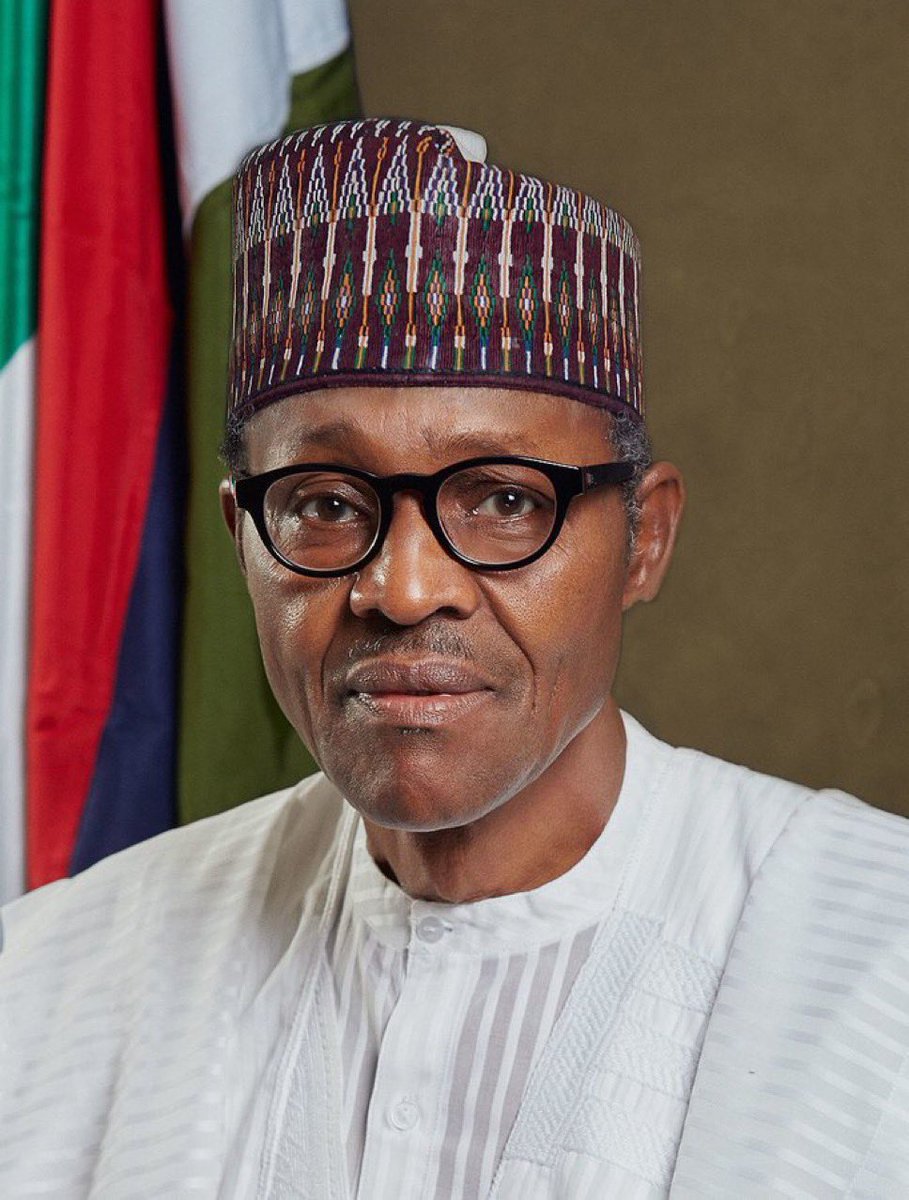
I held back from commenting the moment I heard President Muhammadu Buhari had passed. I chose silence. Because every time a leader dies, we are reminded of a truth we often ignore, our time too will come. No position, no wealth, no security detail, no popularity can delay the final call. Death, in its certainty, should not just humble us, it should teach us. And for those of us still alive, it should guide how we live.
But what have we learned? All around us, there is a disturbing arrogance of power, people acting as if tomorrow is guaranteed. You see it in the convoys, in the grandstanding, in the looting of public funds, in the silencing of dissent. Yet all it takes is one breath withheld, and it is over. And when that final breath comes, the only thing that matters is what we did with the ones before it.
I want to speak directly to those in power, those seeking power, and those managing privilege of any kind.
Think of Queen Elizabeth II. She reigned for over 70 years, but when her time came, she did not leave with a crown. She left with a flag draped over her coffin, and a simple note that said “Love and Devotion.” That was what mattered most. Not her palaces. Not her titles. But her service.
Think of Pope John Paul II. One of the most powerful spiritual voices of our time. In his final days, he allowed the world to see his frailty. Not because he lacked strength, but because he wanted to show us that dignity is not in hiding weakness, but in facing it with grace. Or even Steve Jobs, the titan of technology. In his final letter before passing, he confessed that all the wealth and recognition meant nothing in the face of death. His message? “Don’t let ambition rob you of what truly matters, relationships, love, purpose.”
And here at home, we have had heroes too. Dora Akunyili died not in luxury, but in the warm memory of a nation she tried to cleanse. Chinua Achebe died not with fanfare, but with the quiet dignity of a man who never sold his conscience. Gani Fawehinmi, until his last breath, used his pain to remind us of justice. These were not perfect people. But they died empty, having poured out what they carried.
So again, I ask, what do you want to be remembered for?
Not how many buildings you erected. Not how many aides you employed. But did you serve well? Did you treat people fairly? Did you use the time you had to advance the lives of others?
Because here’s the truth: most people don’t get to die in the comfort of foreign hospitals. Most Nigerians face death the same way they face life, without electricity, without medicine, without care.
We must do better. We must build a nation where people do not need to run abroad to live, or to die.
Nelson Mandela like Mwalimu Julius Nyerere of Tanzania chose to step down while they were still adored. They built a country where people could live and die with basic dignity. And when they fell ill, their people didn’t remember the roads. They remembered the way the walked among them. Surrounded by their people. That is dignity. That is legacy. That is home.
Development is not just flyovers and fuel stations. It is also hospices. It is maternity wards that work. It is clean water in the villages. It is a healthcare system that says: “We see you, even in your weakest hour.”
Let’s also remember, death isn’t just for the old. We’ve lost youths to bad roads, poor hospitals, police brutality, drug abuse, cultism, and despair. Every life cut short by preventable failure is a national shame.
So, as we mourn those who have passed, let us interrogate the systems that failed the living. Let us build a country where dying doesn’t feel like an escape from suffering.
The real question is not “Will I die?” but “How am I living now?”
Are we building legacies, or just reputations?
Are we serving people or enslaving
Let’s live and lead so that when we are gone, those who remain won’t just say “He died.” They will say, “He lived for something.”
-DrMo
@channelstv Evil politicians! Look at them all in a foreign hospital because they couldn't fix ordinary hospital that could take care of their health. Shameless lots
@Morris_Monye What is really sad is another election will come for people to chose the right leader that will listen to their plight and help them, they will forget so so easily the agonies they had passed through and tribalism and religion will take center stage!! Sir, Nigerians are nt ready