The I–We–You model works because it matches how the brain actually learns.
I → reduces cognitive load with clear modelling
We → builds strong mental models through guided practice
You → only then do students work independently with confidence
It’s not hand-holding. It’s cognitive science: novices need clarity before autonomy.
When we get the sequence right, students don’t just “get it” - they own it.
The intensity of working in education at the minute is another level. The idea that we can keep cutting back as the level of need continues to increase is pretty unnerving.
Inclusion is everyone’s responsibility.
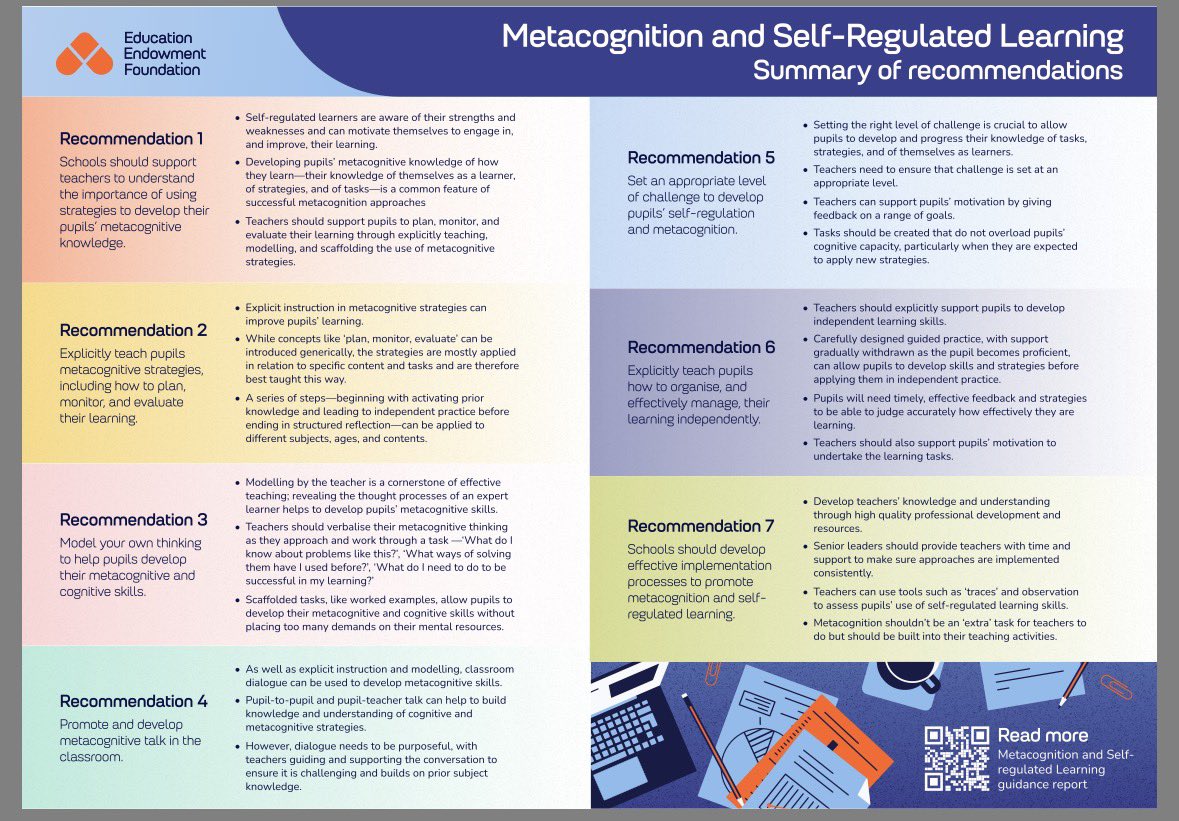
The EEF’s ‘5-a-day’ principles for supporting students with SEND aren’t just good for some — they’re good for all students.
All I hear when I listen to @bphillipsonMP’s speeches is that ultimately schools need to do more with less. There’s no real plan or funding just words that sound good when stood behind a lectern.
The single most important word in the science of learning:
"automaticity" - the ability to carry out basic skills effortlessly without conscious thought.
Without automaticity, you have to consciously think about every low-level action, which overloads your working memory and leaves no room for higher-level reasoning.
The longer I've worked in education, the more apparent it's become: simple, consistent routines, applied with love, regular recognition & praise for getting it right &, when necessary, predictable consequences for not following the rules, has the greatest positive impact overall.
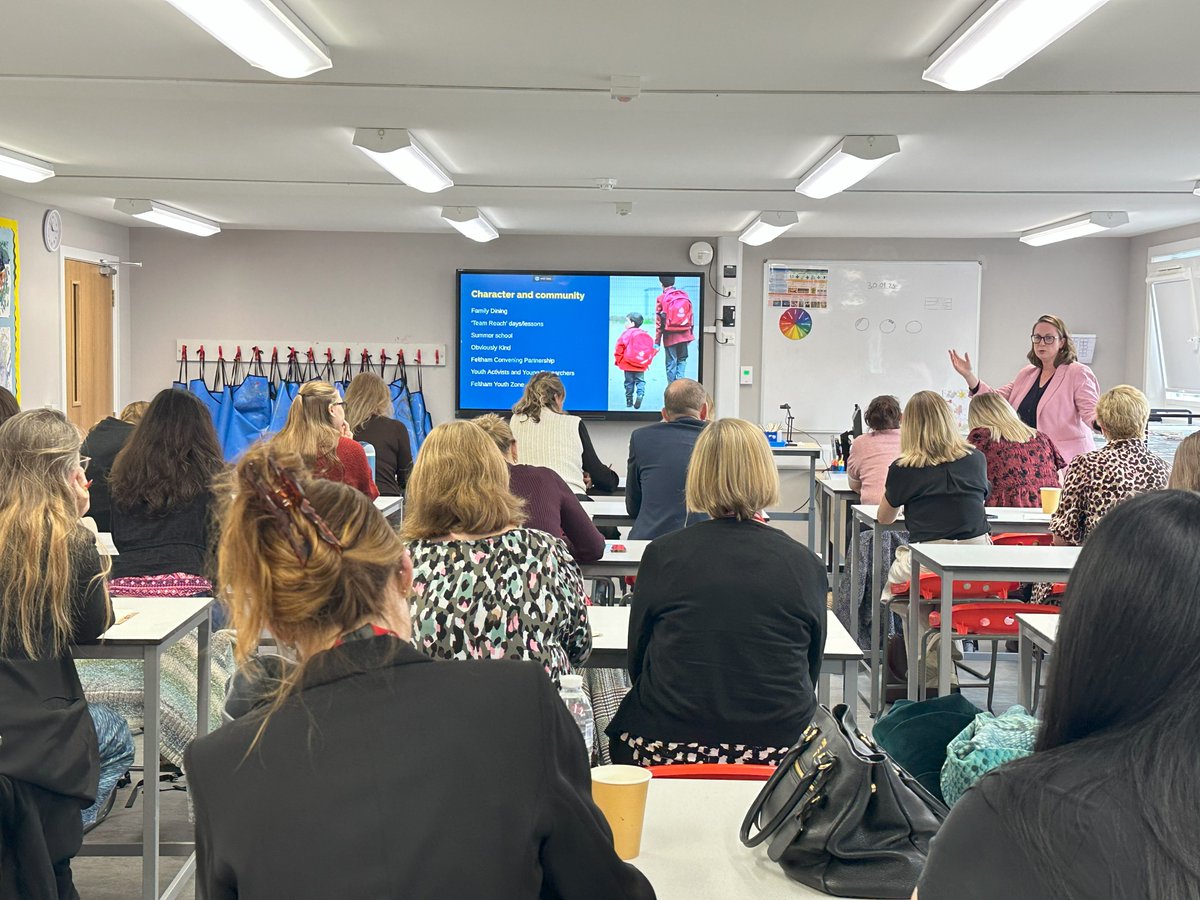
It's been fantastic to welcome educators from around the country to our Reach Out School visit day today. It's great to collaborate and share best practice. Find out more about what we do in this recent blog by Co-headteacher of Reach Academy Hanworth Park Louis Everett. https://t.co/5lSAgyoRBZ And you can join our 9th January visits by signing up here: https://t.co/4x1hEvCNJJ
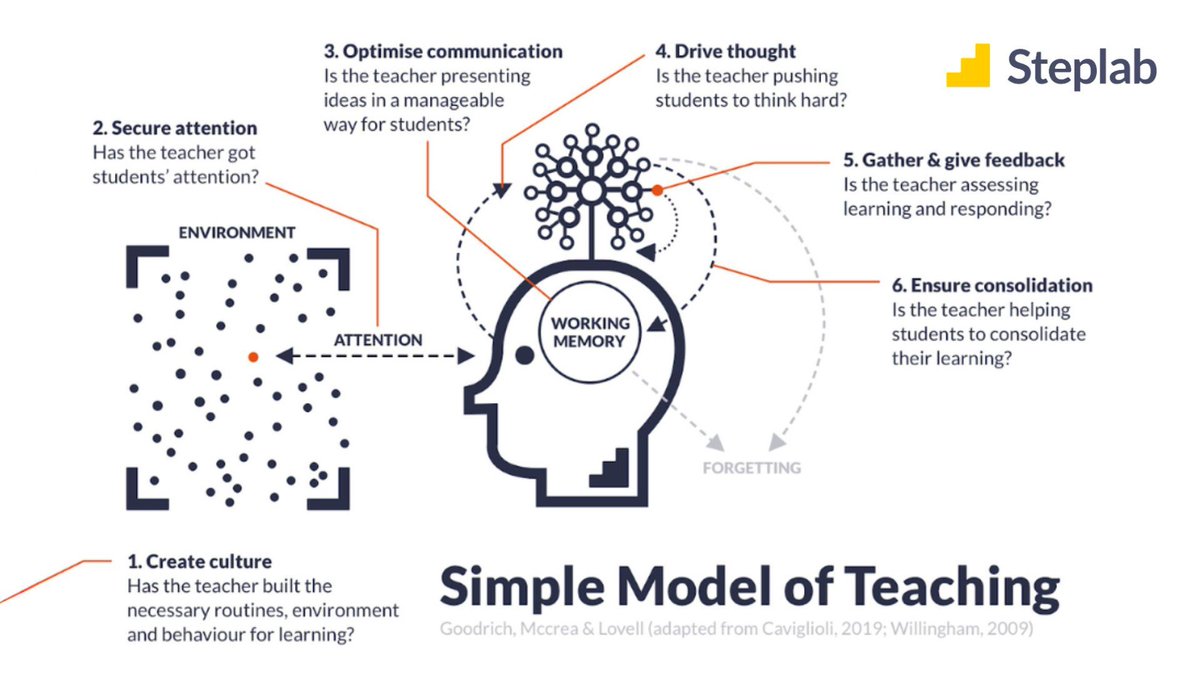
What really makes the difference in teaching?
Recent research has highlighted six universal challenges at the heart of great teaching — and how effective PD helps teachers and leaders address them.
📩 Read our latest newsletter, for practical insights: https://t.co/E7FdfmZert
New study: Retrieval practice doesn’t just boost memory, it helps learners notice when knowledge matters, making transfer more likely. Key takeaway:
➡️ Instead of only testing “What is X?”, also ask “Which situation best illustrates X?” or “Where would this apply?”
➡️ Teachers should think of retrieval as “application rehearsal,” not just checking memory.
https://t.co/Cb7IAl5rQm
Between 2022 and 2025, I have the privilege of visiting 2 to 3 schools each week, observing over 100 lessons a month.
I have written up everything I learned in 16 books.
Yes, yes, a million times yes.
You can teach brilliant lessons day after day, but without a formal and sustained programme of retrieval practice, your students will forget everything you say.
The #2 rule of teaching: all children benefit from being taught in ways that disproportionately benefit those with special needs
https://t.co/5CEjYQ8ysq
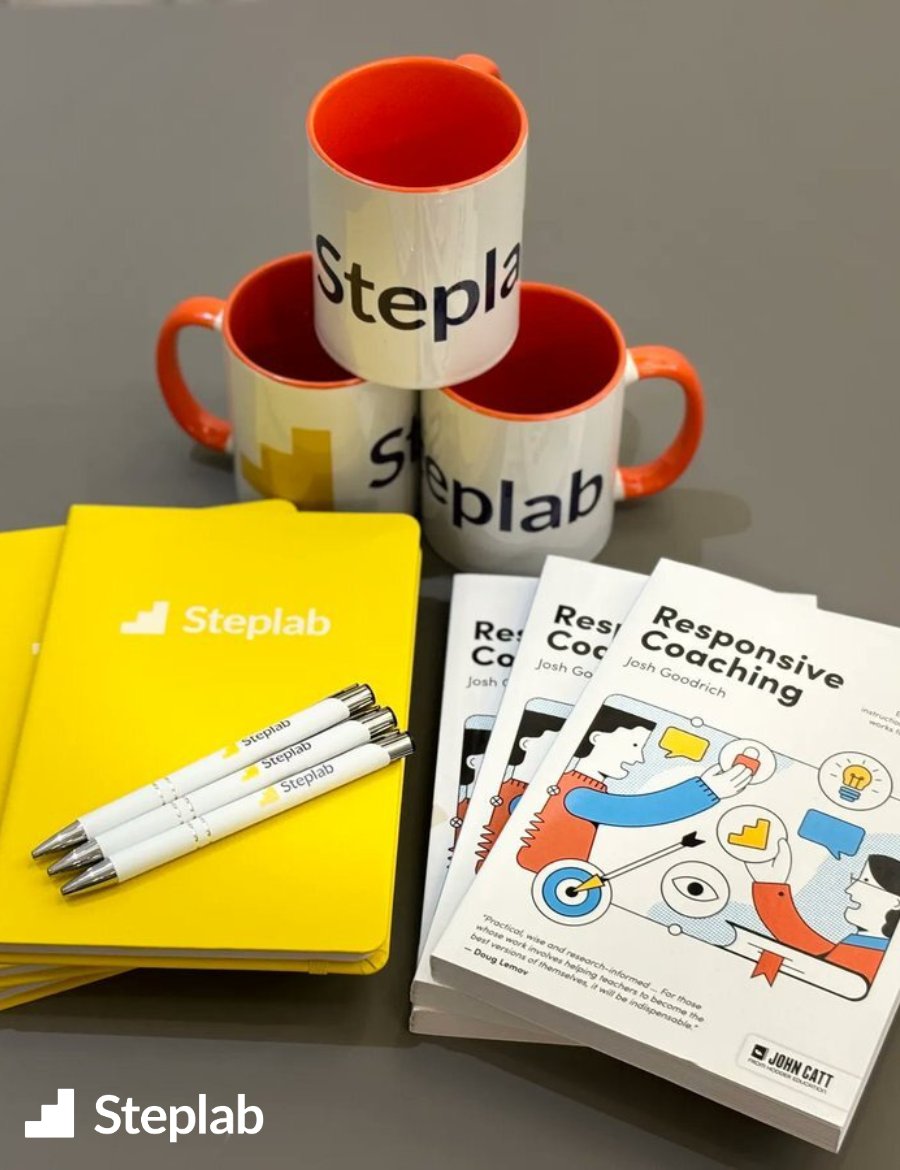
🎉 Steplab Summer Reads – Book #1
Win Responsive Coaching by Josh Goodrich - plus a Steplab bundle (mug, pen & notepad)!
Josh is Steplab CEO & former teacher/leader with deep coaching expertise.
To enter:
1️⃣ Follow
2️⃣ Like
3️⃣ Share
📘 Winner announced on Friday!
This is so fascinating! Important longitudinal study on Key Stage 2 results and earnings.
A MUST READ
- Higher KS2 attainment is associated with higher lifetime earnings
- Higher scores in Maths impact earnings more than English
- Benefits from doing better in KS2 English remain more stable over time for earnings
Download here 👉 https://t.co/TJwoTK8dfA
Far too often educators are told to motivate students through games, flashy lessons & flashy group projects. However, IMO careful sequencing of lessons & providing scaffolds so that all students can succeed are the most crucial things you can do for student motivation.