Food security still depends on fossil fuels. Millions of farmers rely on diesel irrigation, and fertilizer production depends on natural gas. Clean energy investments can help build more resilient agrifood systems.
https://t.co/G6KyrauqCA
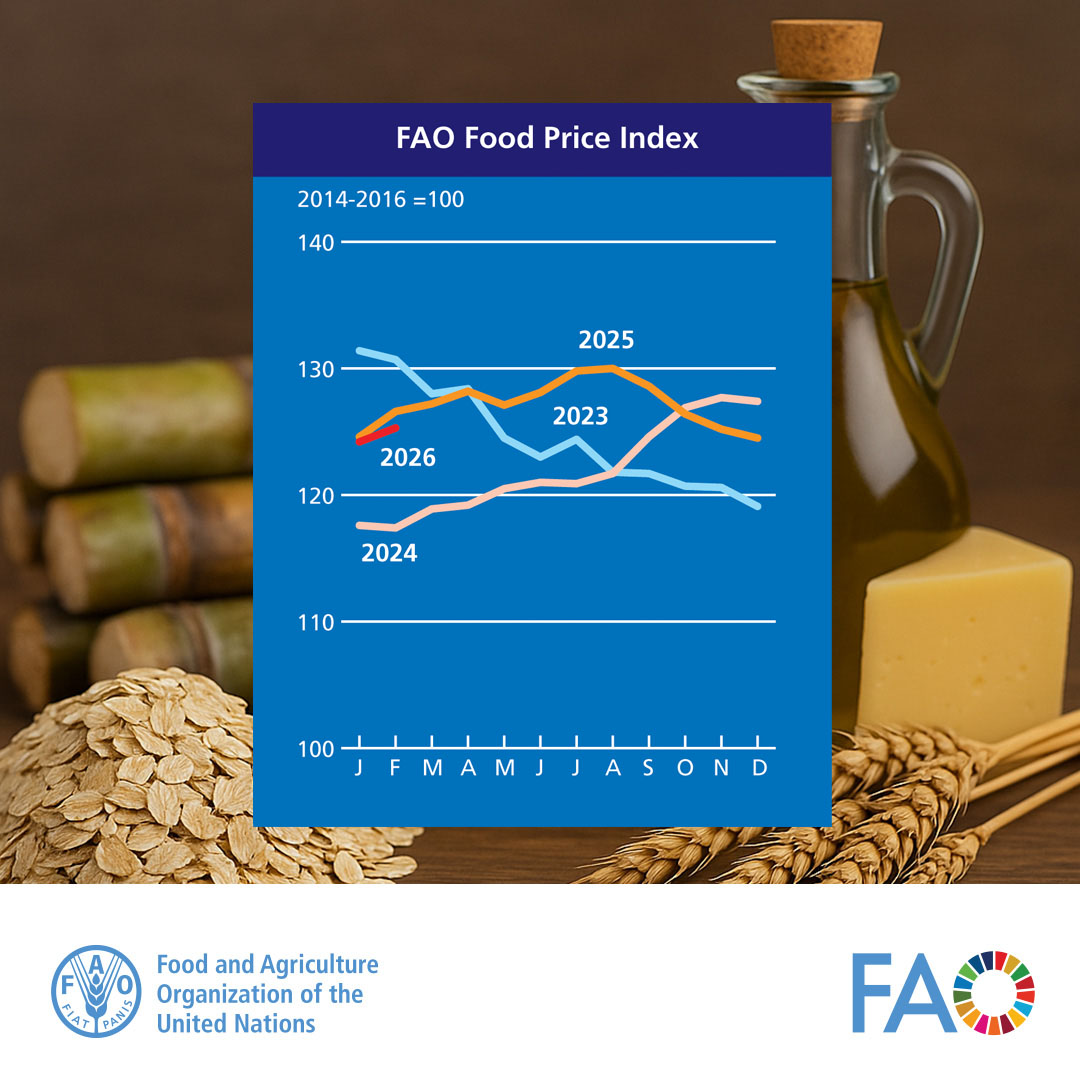
Disruptions in #StraitOfHormuz are pushing up oil and fertilizer prices, raising farming costs and risks to food security. Diplomacy to reopen the strait is key to stabilizing markets.
Read our report: https://t.co/X7CHDxe1p9
Watch full interview: https://t.co/grGiD6Ynqh
Changing a law to achieve #GenderEquality is a powerful first step.
And change happens in the field — informing women of their rights and turning policy into access to land, resources & opportunity.
🎙️ @FAO’s Lauren Phillips explains: https://t.co/2R7ZXPSQhE
#IWD2026#IYWF2026
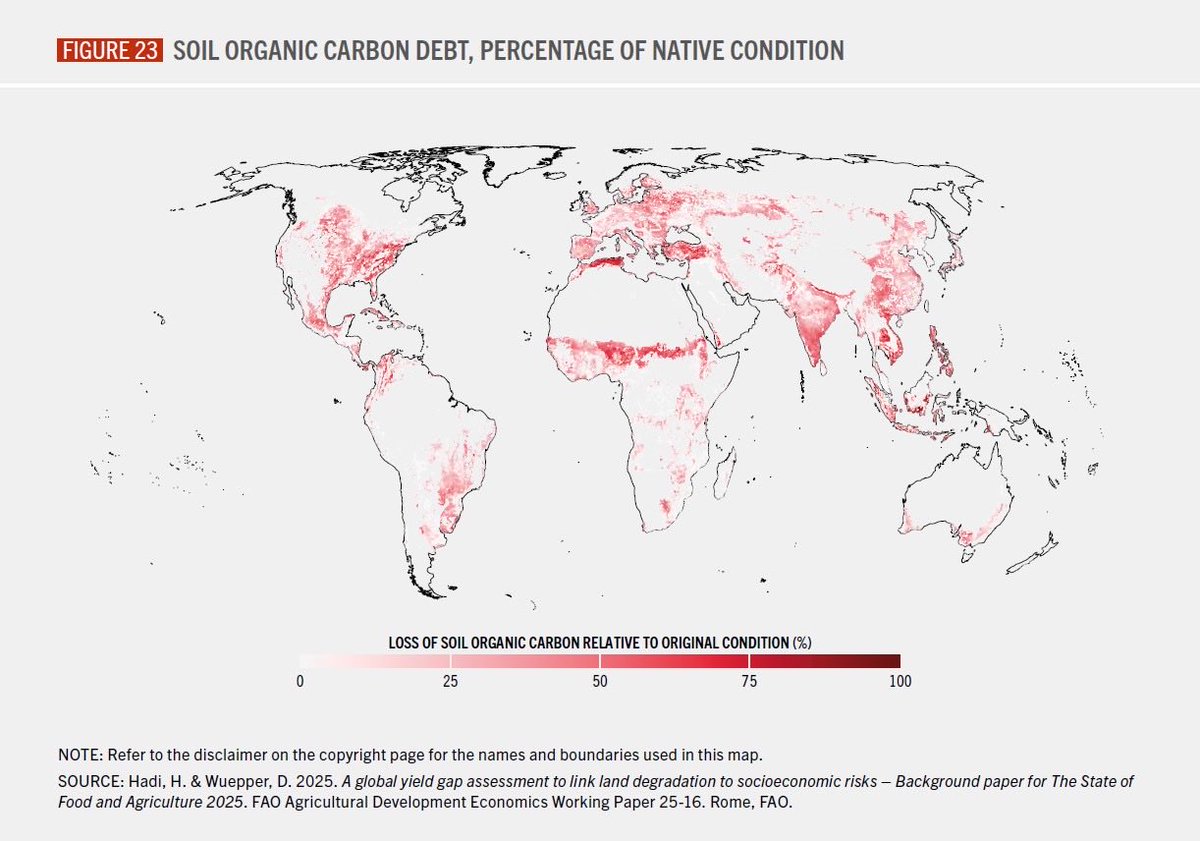
Secure land rights shape how farmers treat the land. Without them, short-term extraction wins over long-term regeneration and degradation follows. 1.7B people live on land with declining productivity. Reform is possible. Laws must be enforced and rights protected. #ICARRD20
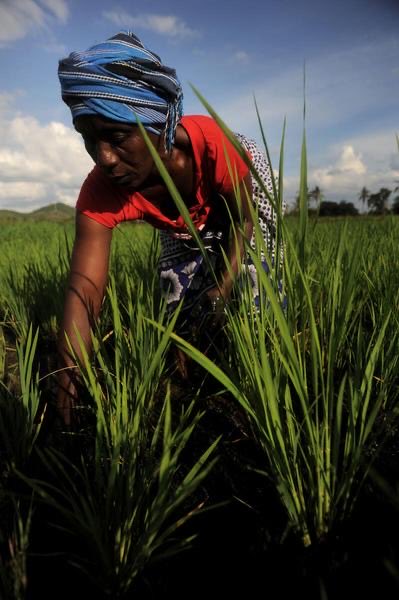
41% of agrifood systems workforce are women. In some regions, they are the majority. Yet barriers to land, finance & technology persist. The International #YearOfTheWomanFarmer is a moment to turn awareness into investment.
Full episode 🎥 https://t.co/3JqH1Wnzzm
#IYWF2026
The future of African agriculture isn’t about how much finance flows but if it’s aligned with national priorities. That was #CAADP’s insight in 2003. The Post-Malabo Agenda is operationalizing it through data-based, bankable projects mobilizing private capital.📷 FAO/Hayduk
Gambia, Liberia, Rwanda, Sierra Leone, Togo, Uganda, Tanzania & Zimbabwe all reduced hunger, even as food prices soared and hunger rose across the continent. Now’s the time to scale up what works. #AfricaFoodSystemsForum2025#SOFI2025 https://t.co/Xo3bHyMf4X
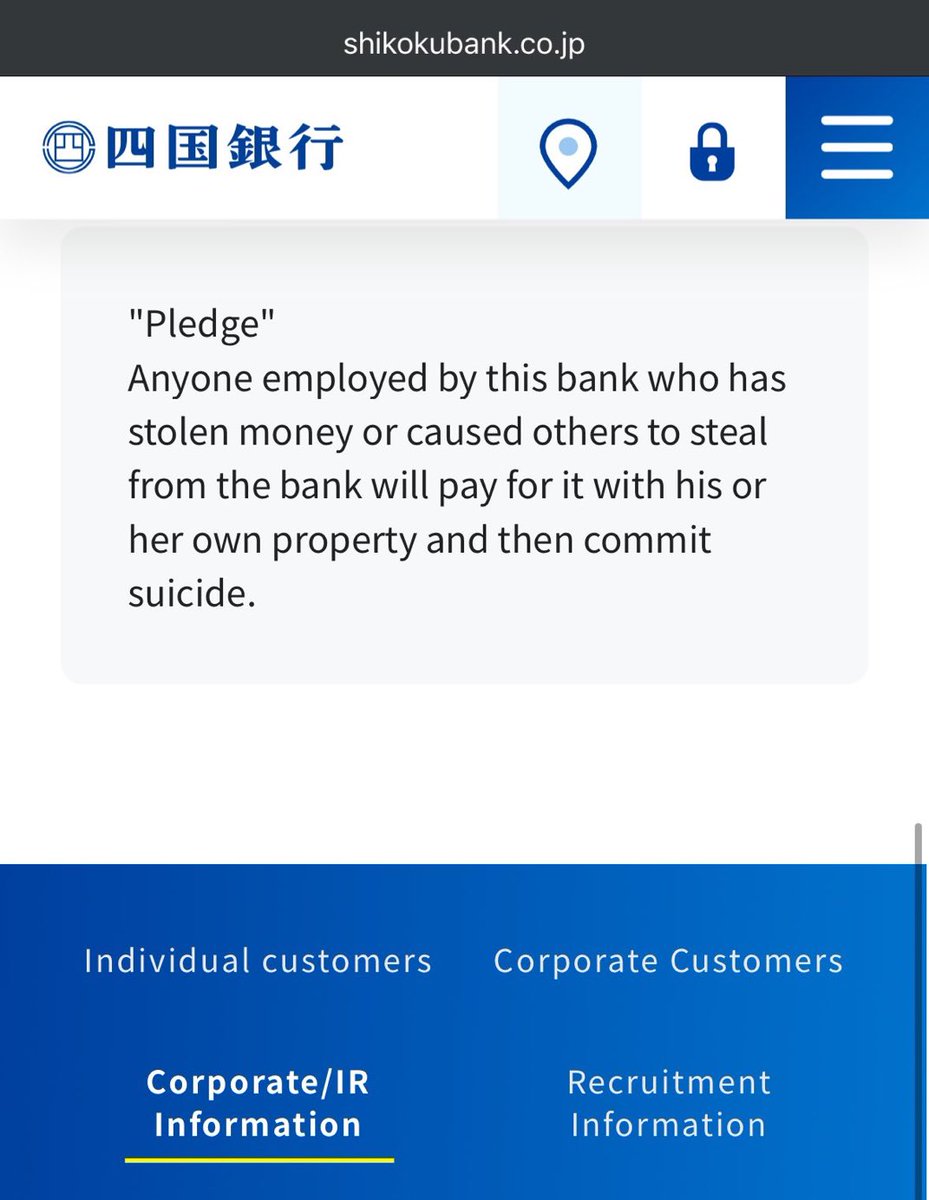
Pay the taxes of life gladly. Not just from the government. Annoying people are a tax on being outside your house. Delays are a tax on travel. Haters are a tax on having a YouTube channel. There’s a tax on everything in life. You can whine. Or you can pay them gladly.
Higher food prices are affecting whether and what people can afford to eat. #SOFI2025 shows 28% of the global population, or 2.2B people, struggled to access food last year. Among women, a 10% rise in food prices was linked to a 4% rise in hunger.
Ten years after pledging to #EndHunger by 2030, we're falling far short. Food inflation priced out already struggling families, especially in poorer countries. #SOFI2025 projects 512M people will still be undernourished by 2030. The data demands we change course.
In honor of Pope Francis, we remember his fearless voice for the poor and hungry. He called us to uphold dignity, build peace, and ensure no one is left behind. Let’s honor his legacy not just with words, but with action to end hunger and division. #PopeFrancis#Peace#Hunger
Fintech can make remittances cheaper and effective for migrants. Digital tools help track money and boost savings. But adoption is uneven—policymakers must invest in infrastructure, regulation, financial literacy to unlock fintech’s potential. Our study: https://t.co/NTEJi1WshQ
Degradation of agrifood systems—worsened by climate change and policy failures—drives economic collapse and conflict. Instead of pouring resources into military spending, we must invest in our agrifood systems for lasting peace and stability. My latest: https://t.co/Tncgo6Qrfl
Uncovering true cost of food is the first step to transformation. That’s why #SOFA2024 builds on last year’s findings to highlight how dietary risks, environmental & social costs vary across 6 agrifood system types. Tailored policies & inclusive consultations can drive change.
Data shows hunger is notably declining in Latin America, thanks to strong social protection schemes, better post-pandemic economic recovery & effective fiscal institutions. Also it has mostly avoided conflict, ending a civil war in Colombia and an insurrection in Peru. #SOFI2024