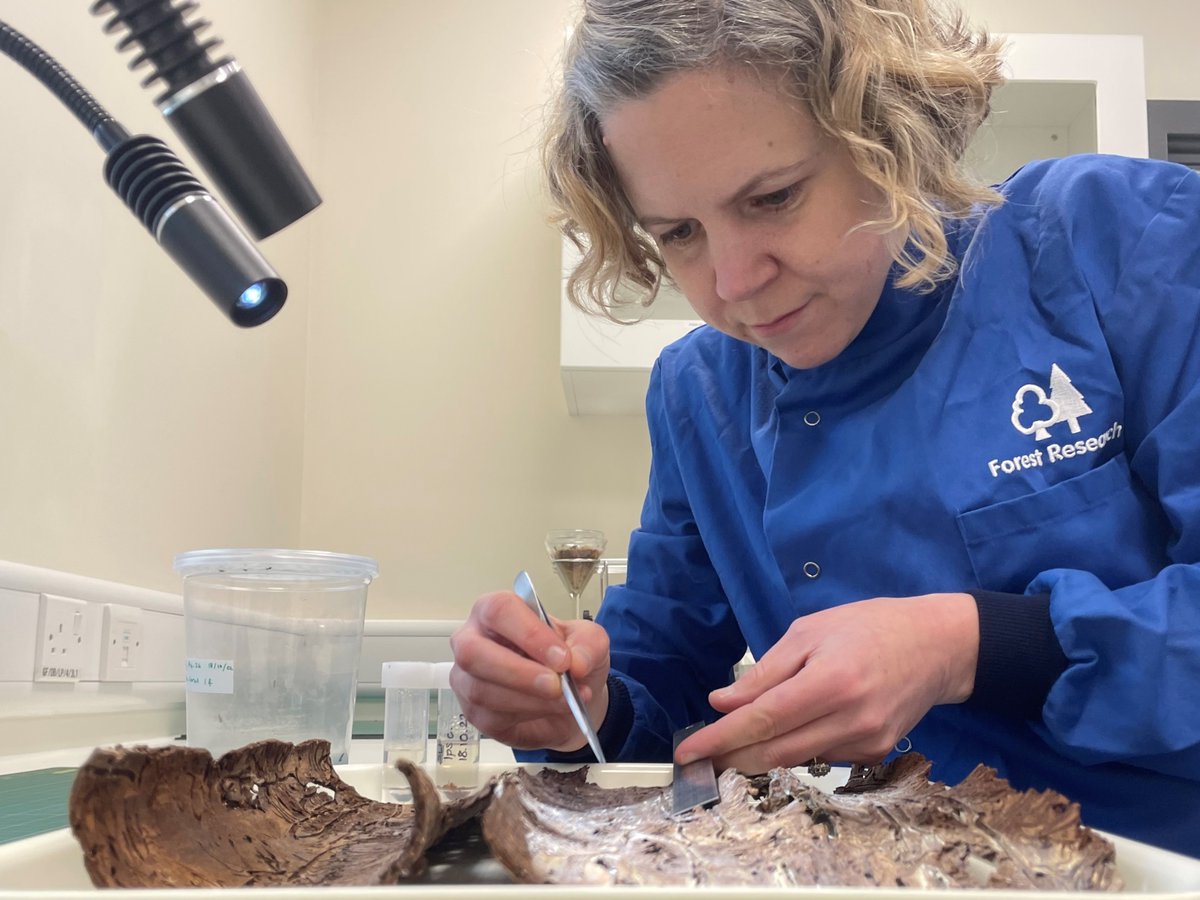
Come work within a small team @Forest_Research investigating the susceptibility of Sitka spruce to the invasive tree-killing bark beetle, Ips typographus! 2 year post, based at Alice Holt, with field and lab work.
https://t.co/Axm58U4Yas
I have a post based at FR_NRS on the outskirts of Edinburgh for 9 months available working in our DenrdoLab team – mixture of lab and workshop based sample processing and extensive UK fieldwork
Candidate to be based in / around Edinburgh _ as much of the work is based at FR NRS
Interested in biological control and forestry? #PhD opportunity developing U.K. management options for emerald ash borer. Based @Forest_Research with @UniofNewcastle and @NHM_London.
https://t.co/htVGty20LT
It's #InsectWeek23! Did you know Ants will often consume the honeydew produced by variegated oak aphids (Lachnus roboris) and actively defend them against predators. Can you can spot any ants amongst the aphids in these pictures?
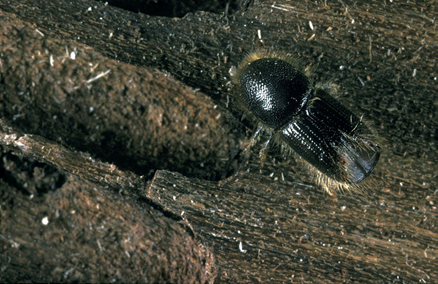
Ips typographus have a ‘elytral declivity’ at the bottom of their wing cases. They use their elytral declivity to push frass (beetle poo) out of their galleries under tree bark https://t.co/uQJ6Eswti4
#InsectWeek23
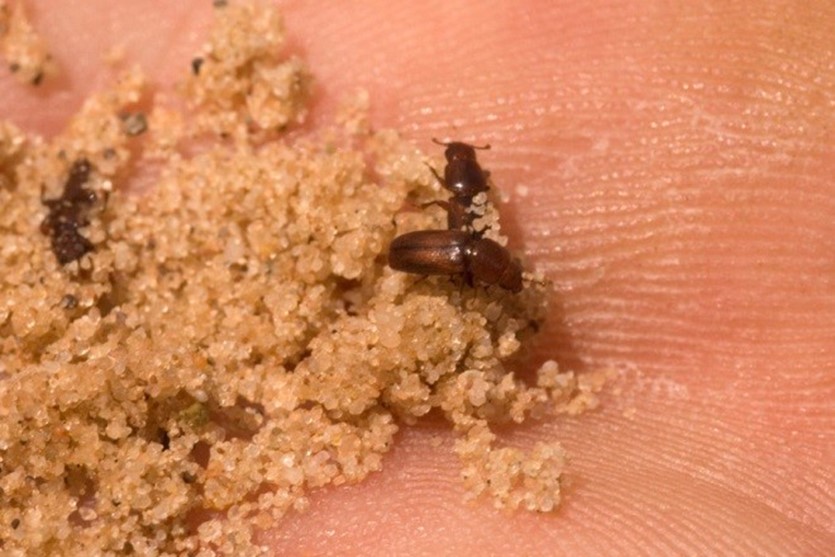
Rhizophagus grandis, the biocontrol of the pest great spruce bark beetle (Dendroctonus micans), may travel several kilometres in order to find their prey – an impressive feat for a beetle less than 5.5mm long! https://t.co/QIP7mJmqFN
#InsectWeek23
Did you know that female aphids reproduce asexually during summer and are born already carrying their granddaughters? Green spruce aphids are the main defoliator of spruce in the UK #InsectWeek23 https://t.co/AK78tywDyB
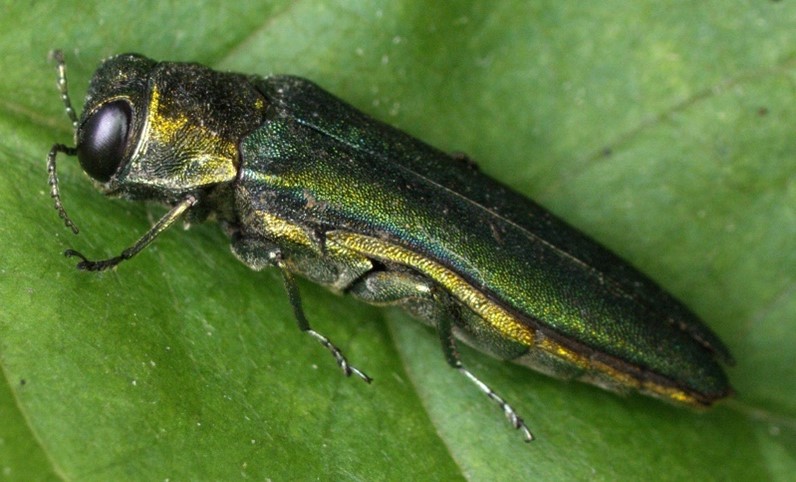
Did you know that one of the most destructive forest pests globally, emerald ash borer, is a member of the jewel beetle family, whose iridescent wing cases have long been used in jewellery and embroidery? #InsectWeek23
https://t.co/n45XQSwRbd #InsectWeek23
Interested in biological control and forestry? #PhD opportunity developing U.K. management options for emerald ash borer. Based @Forest_Research with @UniofNewcastle and @NHM_London.
https://t.co/htVGty20LT
An Expert Working Group is meeting in Paris this week to assess the risk posed by Agrilus mali to the EPPO Region.
This wood boring insect is native to Asia and can damage apple trees.
#planthealth
▶️https://t.co/WDlDb9tADo
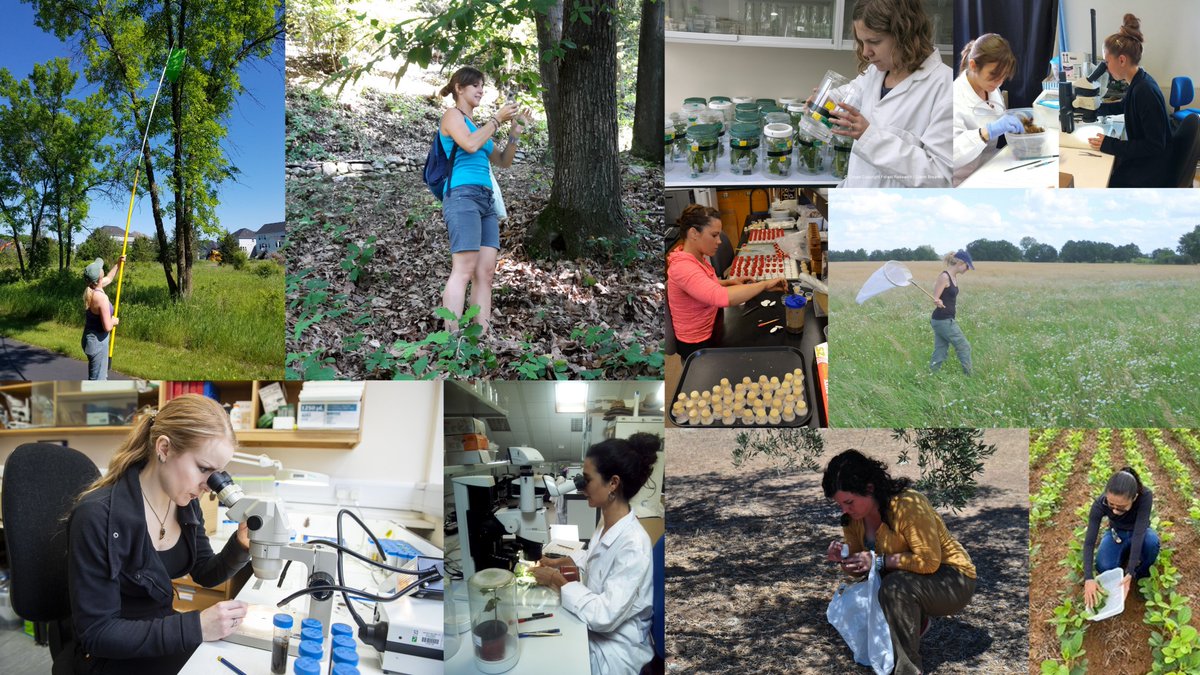
Celebrate #WomenInForestry with us!
@PeoplesPicture have been commissioned to create a photo mosaic, which will form part of an upcoming exhibition.
If you’re a woman working in forest science or the wider forestry sector, please submit your images!👇
https://t.co/MQBW1OL3iQ
Considering a career change? Meet Katy, entomologist, who left the world of fine arts to pursue a new career in science to combat climate change and protect biodiversity
https://t.co/ORjeqIM6PL #womenandgirlsinscience#careerchange
Would you like the opportunity to contribute to major Uk research projects and help protect our trees? Then check out these exciting short funded internships offered by The Centre for Forest Protection @Forest_Research@kewgardens https://t.co/ChkIUMCOeI
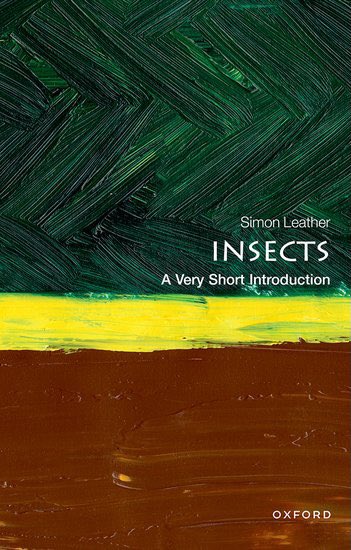
Delighted to see the publication today of Insects, A Very Short Introduction by our greatly missed editorial colleague and long-time friend, Simon Leather aka @EntoProf https://t.co/9FeMLuz6uC
We are looking for a research assistant to work with us on the susceptibility of European ash to the emerald ash borer, and explore interactions with ash dieback! @Forest_Research#treehealth#Entomology
https://t.co/RhwxhKaZsy
@dr_andy_wilcox @EntoProf@HarperAdamsUni This is very sad news. Like so many others, I wouldn’t be working in entomology without Simon’s encouragement and support. He inspired so many of his students to become ecologists and entomologists. Please pass on condolences to his family.
It was great to be part of the inspiring #RSBPlantHealthSummit - fantastic to connect with a new network of plant health professionals, and visual representations like these should become a scientific conference staple!