The Gallo of Eastern Brittany is part of a linguistic continuum within the western Oïl languages with the traditional dialects of Maine, Anjou, and the southern part of Manche (Normandy).
@tomaspueyo 😍QT Maps like these help explain why the Spanish region of Andalusia can be understood as the two mountain ranges and the Guadalquivir River valley between them.
#cartografíavasca
Summary map of the origins, migrations, and admixtures of the ancestors of present-day African cattle breeds, including the possible introgression from African aurochsen males, as inferred from modern cattle genomics, and the hybridization with introduced Indicine domesticates (red/magenta lines).
Abbreviations: North African Taurine (NAFT, orange line) influenced by, but distinct from, the European Taurine (ETAU, yellow line), the West African Taurine (WAFT, blue line), the West African Zebu (WAFZ, dark purple line), the East African Zebu (EAFZ, light purple), the African Sanga (AFSA, green line).
La desigualdad no llegó con los pastores de la estepa, fue creciendo durante la Edad del Bronce hasta que la herencia fue más importante que la gloria https://t.co/r99VftCpJG
@_rojirin_@grok@JuanDelMundo2 QT After the fall of the Western Roman Empire, the West stopped minting coins in favour of Byzantine coins. Trade declined, it faced a coin shortage, leading Latin kingdoms to start melting silver objects and adulterating Byzantine coins
https://t.co/pJu8bYYQkj
After the fall of the Western Roman Empire, the West stopped minting coins and was using whatever Byzantine coins were in circulation. As trade between the East and the West declined, it faced a coin shortage, leading Latin kingdoms to start melting silver objects and adulterating Byzantine coins (with silver) in order to increase the amount of coinage, c. 640s.
In the late 7th century, it restarted silver mining to produce its own coinage. Since silver smelting produces lead emissions, we can see the exact moments when the West moved from Byzantine gold coins to silver coinage in ice core data from the Northern Hemisphere.
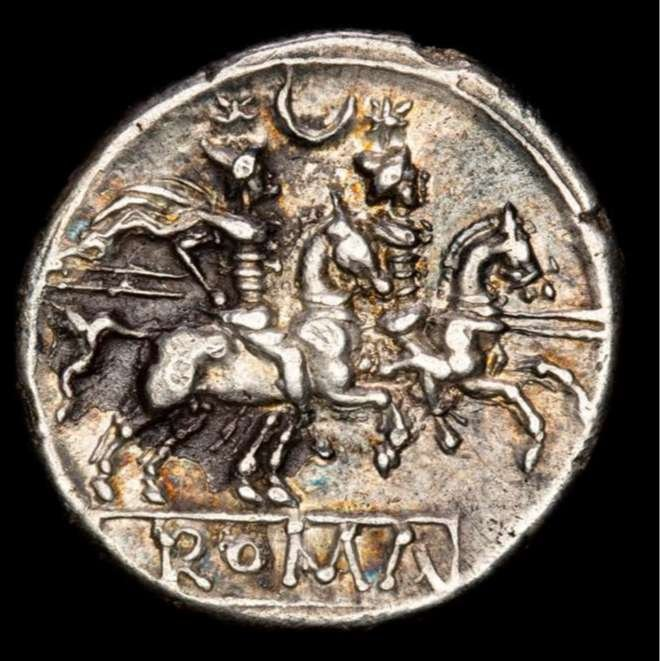
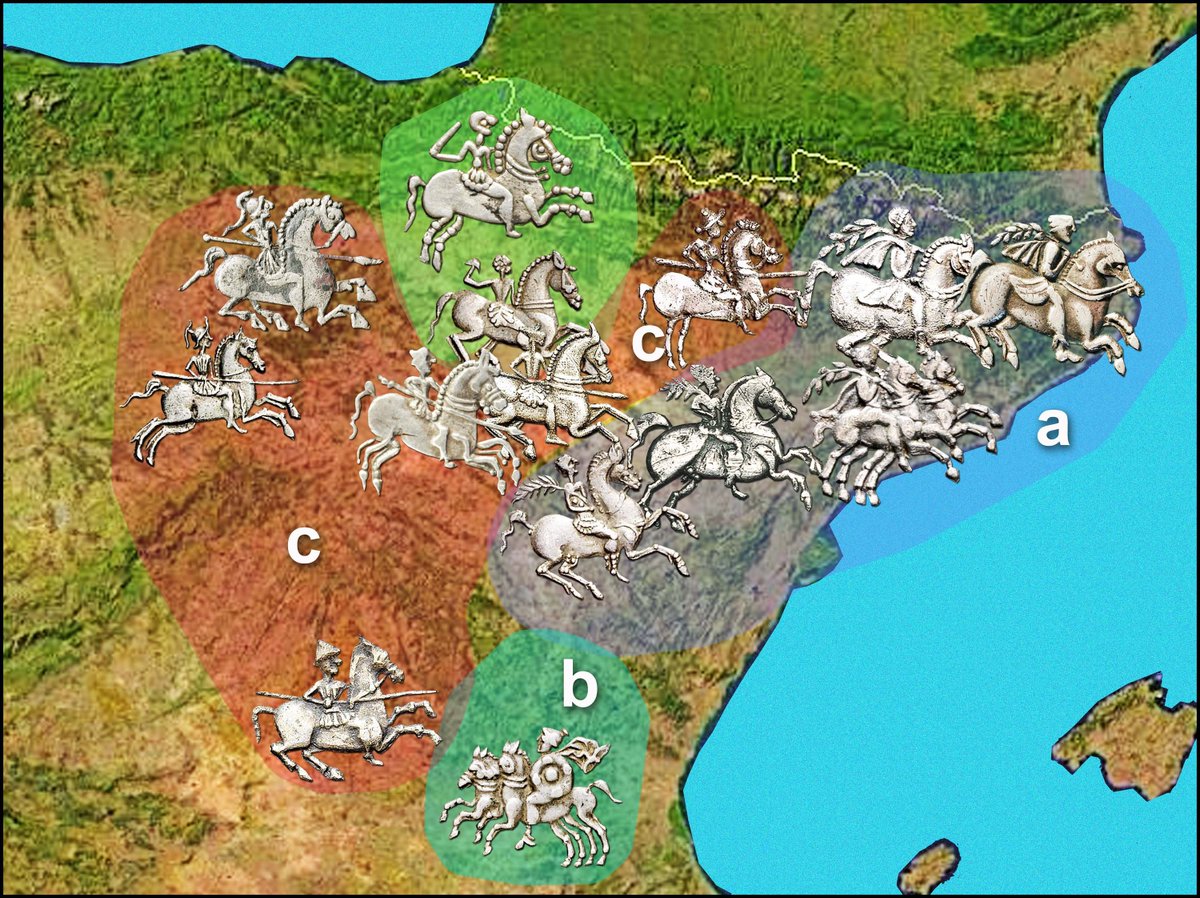
@_rojirin_@grok@JuanDelMundo2 ¿Se puede inferir entonces que las monedas ibéricas tienen muchos rasgos comunes —y solo algunas diferencias de detalle— y que en lo principal aplican modelos de la numismática griega y romana?
https://t.co/ryG0l1z2KY
Continuando con mi monográfico sobre moneda ibérica, os recomiendo leer el siguiente artículo: https://t.co/B4z7lROGXi
Aporta un dato que desconocía sobre el expolio de plata perpetrado por los romanos tras la Segunda Guerra Púnica: más de 170.000 kilos de plata amonedada
Arqueólogos encuentran los primeros recipientes de arcilla cocida creados en Oriente Próximo, 2.000 años anteriores a la difusión de la cerámica https://t.co/wRqlFTKhn4
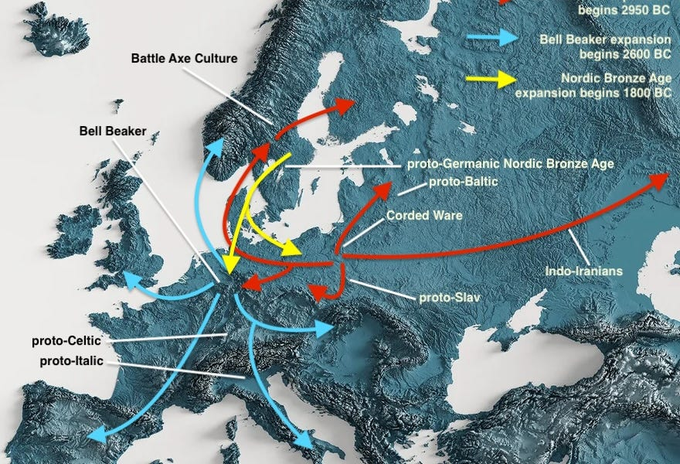
@Celtiberoca QT Se confunde a las tribus "Bell Beaker" con las Celtas.
El haplogrupo R1b llega a la península Ibérica en el milenio III a.C.
La cultura pro/tocelta surge en Centro Europa durante la Edad de Hierro, aprox. 1,5 milenios después
#trifiniumMAP