OFFICIAL ANNOUNCEMENT
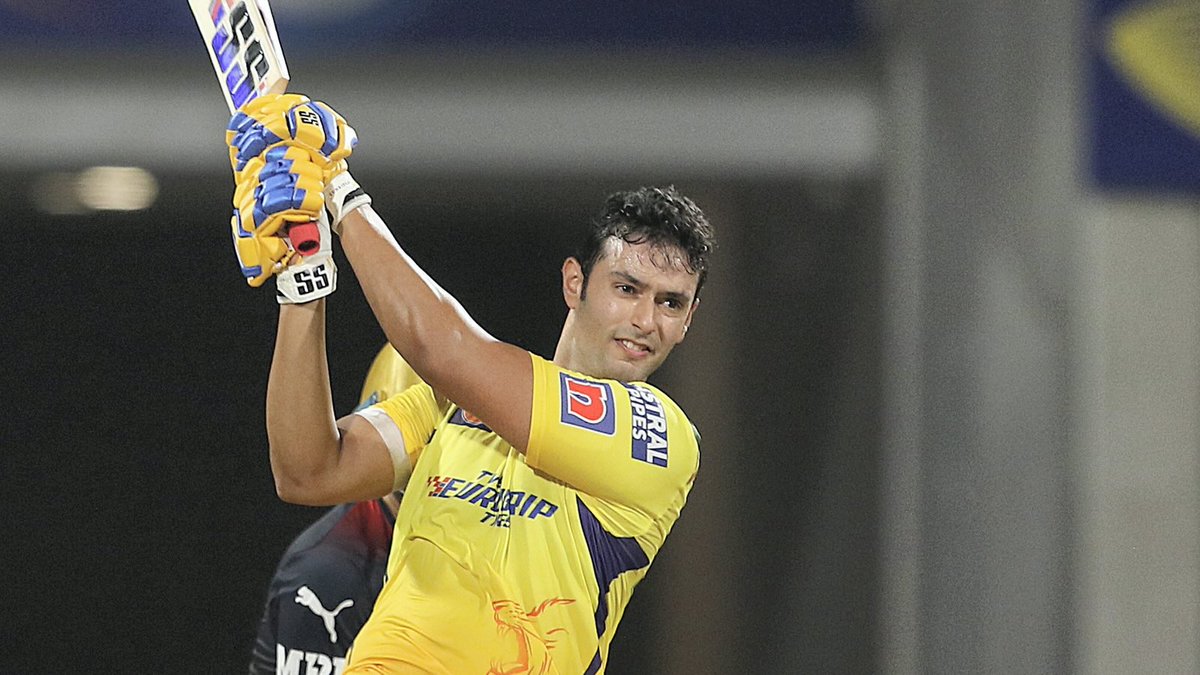
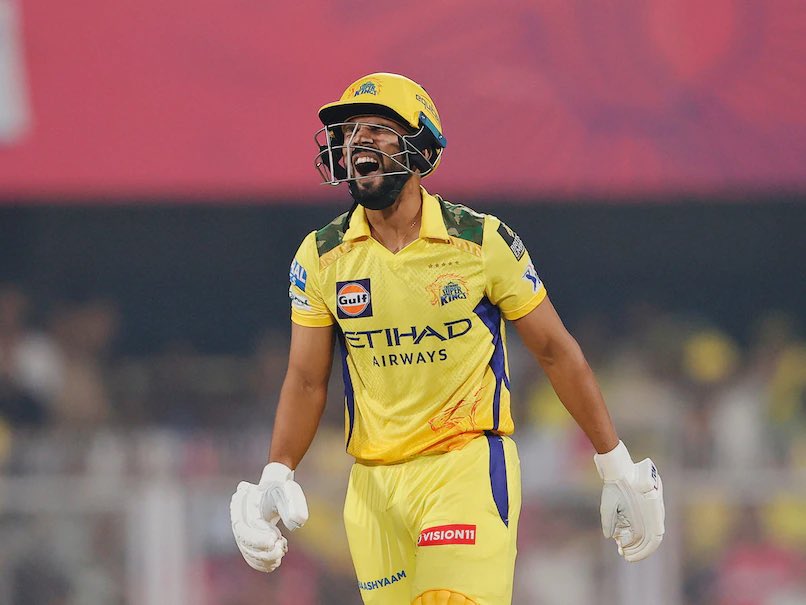
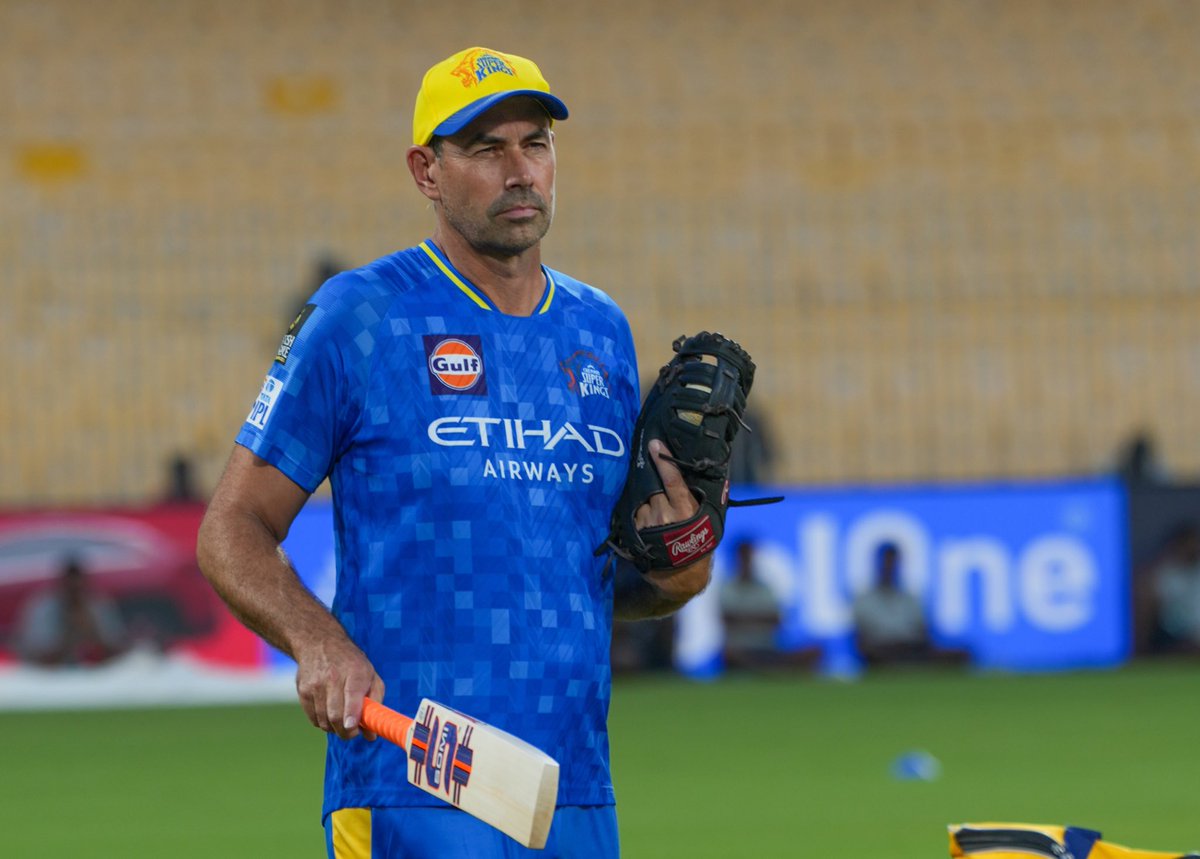
The Super Kings and Head Coach Stephen Fleming have mutually decided to part ways.
Together, we shared one of the most successful and enduring partnerships in IPL history. The legacy you've built will continue to inspire us.
With immense respect and gratitude, Thank you, Stephen. 💛
More details: 🔗 https://t.co/o36a2ozbuy
not to get real on you but if you ever think you can't change anything on your own (in regards to whatever); that one singular fan yelling "remember who you are" to one of the greatest athletes of our time genuinely woke him up from all that self doubt and anxiety 🥲
Yeah we are done and out as a franchise for atleast 5 years. Dont think they are going to change the management, only priority is to use Dhoni’s name and sell tickets and the owners are happy as long as the franchise is on a profit zone.
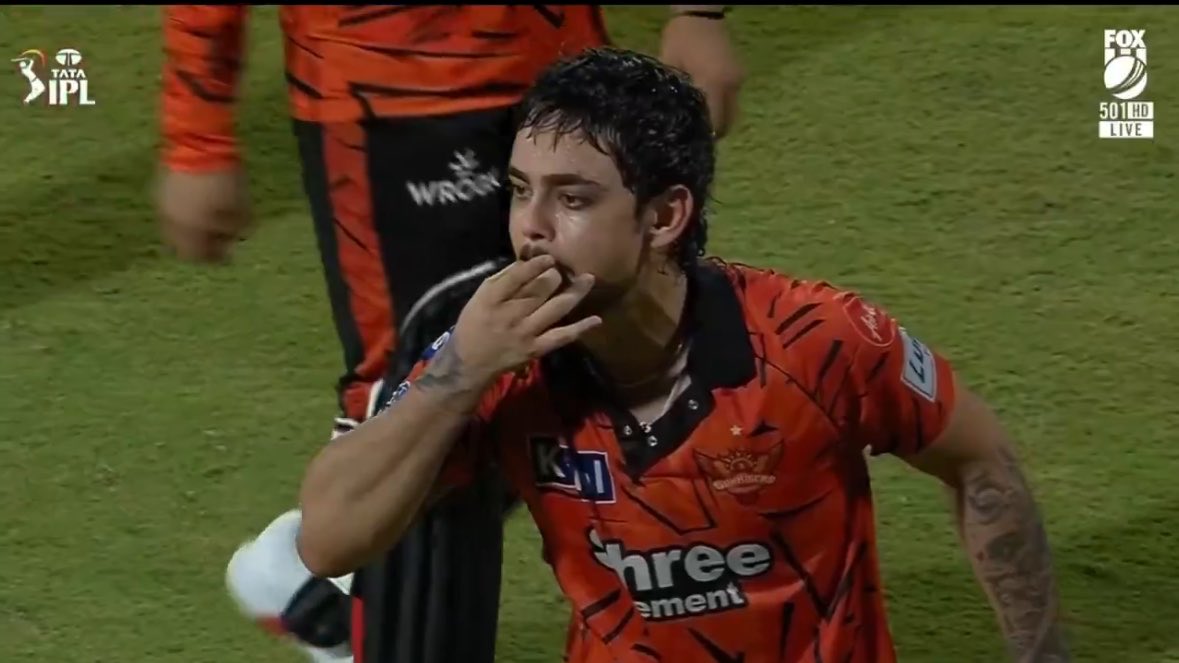
All this for beating an injury crippled CSK B team. Celebrating like they’ve won the IPL and mocking our franchise when nothing warranted these kinds of reactions.
Cricket is a funny game and it always comes full circle. Karma doesn’t forget.
I’ll wait.
Whatever the causes behind the DMK’s defeat in Tamil Nadu, and whatever role the party’s first family may have played in creating public resentment, I still continue to regard M K Stalin as one of the few real statesmen left in Indian politics.
In Indian politics, defeat usually produces denial, arrogance, silence or revenge. Rarely humility. That is why Stalin’s response after the election stood out so sharply.
Kerala Chief Minister Pinarayi Vijayan, after the shocking electoral collapse of the Left in Kerala, has not even cared to release a simple two-line Facebook post consoling emotionally shattered cadres and followers. Thousands of ordinary CPM workers who defended the party for years were left directionless after the verdict. Silence became the political response.
Mamata Banerjee, after suffering humiliation in Bengal in another phase of her political journey, publicly declared she would not resign. Across India, leaders often treat electoral defeat as temporary inconvenience or conspiracy. Very few acknowledge the emotional investment of ordinary workers.
But Stalin chose another path altogether.
The very next day after counting, despite losing even his own constituency Kolathur to an electoral novice from Vijay’s TVK, Stalin went back to the locality. No anger. No drama. No blame game. He walked among the people and thanked them for standing with him for decades. Videos from the locality showed emotionally overwhelmed party workers crying openly. Many held his hands. Some could not control their tears. Stalin attempted to console them instead.
That moment mattered politically because it reflected something increasingly absent in Indian politics. Democratic culture.
Today I saw The Times of India Chennai edition carrying his interaction where Stalin said he would not disturb Vijay for the next six months if the latter forms the government. He said he was not interested in creating instability in Tamil Nadu. He said people should not be dragged into another election. He expressed hope that the new government would continue welfare schemes while implementing TVK’s manifesto promises. Only after six months, he said, would the DMK begin constructive criticism as Opposition.
That is not weakness. That is political maturity.
To AIADMK leaders who mocked the DMK after the defeat, Stalin simply responded that the DMK would sit in the Opposition. Nothing hysterical. Nothing desperate. Just clarity.
One must remember that the DMK is not an ordinary electoral machine. It is one of the most ideologically rooted Dravidian movements in modern India. The party survived dismissals, Emergency-era repression, corruption allegations, splits, the deaths of towering leaders, and repeated electoral destruction. After MGR’s rise many predicted the end of the DMK. After Jayalalithaa’s dominance many wrote its obituary again. Yet the party returned each time because its social foundations remained intact.
Stalin himself spent years under the shadow of Karunanidhi. Critics mocked him as politically weak and lacking charisma. But over time he rebuilt the party structure patiently. He strengthened welfare politics. He sharpened the DMK’s secular positioning at a time when majoritarian nationalism was rising aggressively across India. He defended federalism. He consistently articulated Tamil identity without slipping into separatist rhetoric. During NEET protests, language debates, governor-state confrontations and questions of social justice, Stalin gave ideological direction to the Dravidian discourse.
That political foundation has not disappeared because of one electoral defeat.
What collapsed this time was electoral arithmetic. In a multiparty democracy, perception often defeats ideology. Celebrity appeal overtakes organisational depth. Anger accumulates silently against incumbents. Welfare fatigue sets in. Internal contradictions within ruling families create resentment. Every dominant party eventually faces this cycle.
- Water Issues in Lahuria village, UP for 75 yrs
- New IAS Divya steps in, delivers tap water
- MLA not invited in Jal Ceremony
- MLA complains to CM, Divya transferred.
- Pipeline vandalized by unknown men
- Water stops again.
Well, that's India for you😭