In my experience, people don't resist change because they have "resistant personalities" or because of "human nature". They mostly resist because of the way we go about introducing or implementing the change or imposing it on them. @Digitaltonto suggests five major categories of change resistance, most of which can be less of an issue if we think about them beforehand:
1) Lack Of Trust: by focussing on what's new & different, there's a danger that leaders communicate changing values. Need to focus on shared values & creating a sense of safety around the change conversation.
2) Change Fatigue: the change needs to be seen in the context of all the other initiatives that are happening.
3) Competing Incentives and Commitments: we shouldn't have to "incentivise" people to take part in change. If the change has real value, we should be able to find people who are enthusiastic about it & want to make it work.
4) Switching Costs: what we experience in the here & now always seems more tangible/concrete than the more distant benefits of change, which many will suspect will never come.
5) Identity, Dignity & Sense of Self: people's sense of identity can act as one of the strongest barriers against change. We resist things that challenge our perceptions of ourselves, including loss of status. Helping people navigate the fear of losing their identity & see new possibilities emerge is crucial for successful change outcomes.
https://t.co/9MdXSJwqkR. Graphic adapted from @FLIMPStudios.
Health systems need to adopt a workplace culture centred on human wellbeing to build a healthy workplace culture that is fit for the modern era, writes Professor Sabe Sabesan
https://t.co/hAv88rd3UA
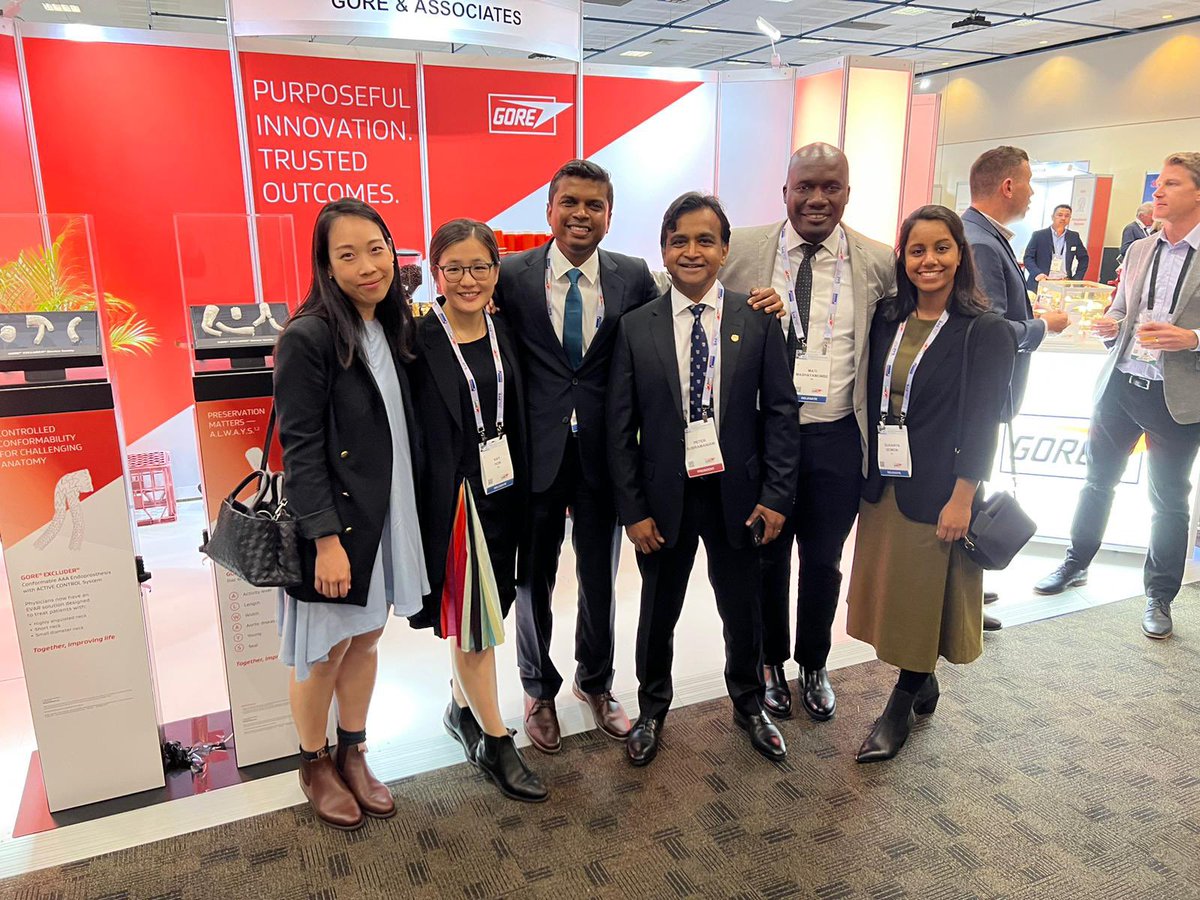
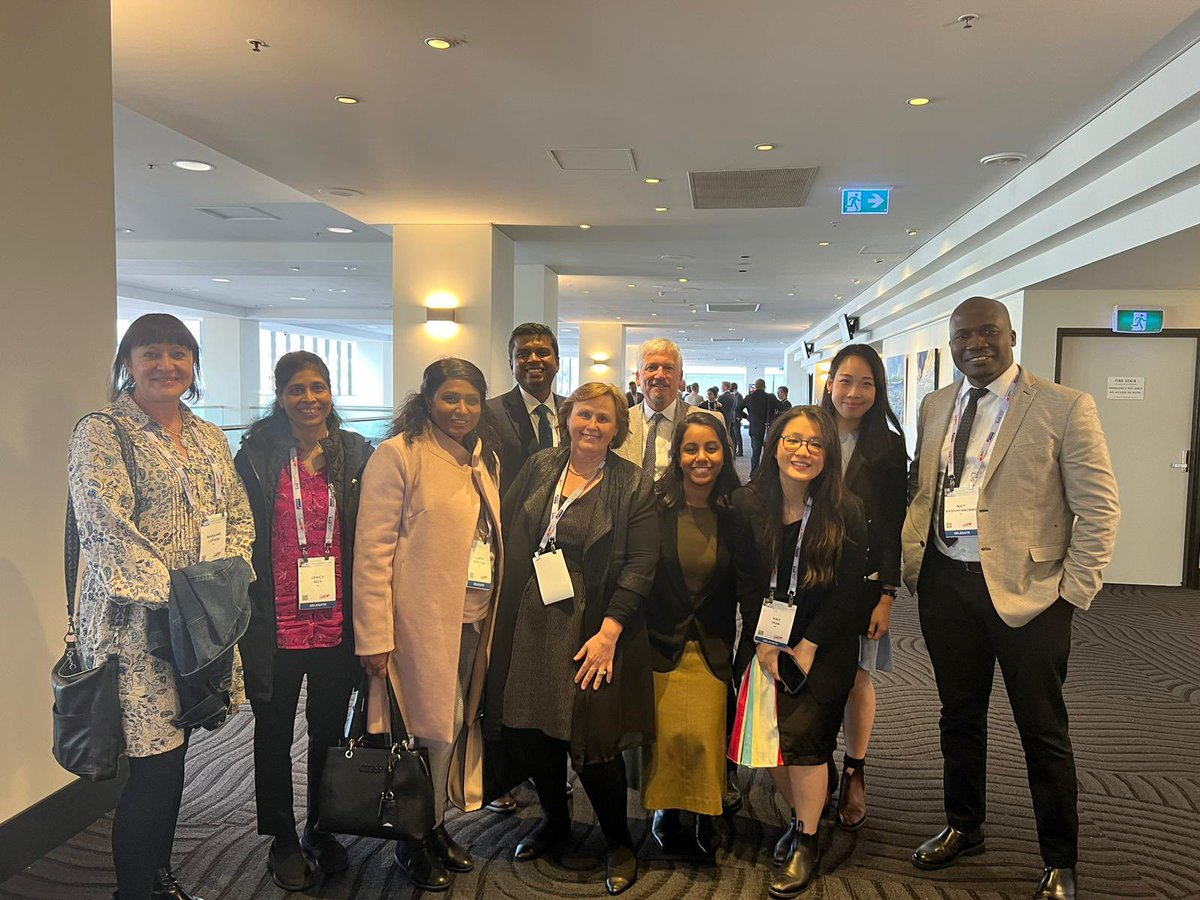
Thank you for a great presentation @ShereneShalhub sharing the US experience regarding Women in Vascular Surgery at our #ANZSVS23 Women in Vascular Surgery Breakfast. Thank you @WLGore for sponsoring the event & to our male colleagues who joined us because #genderequity matters.
Being awake for 24 hours is the equivalent of having a blood alcohol content of 0.10%. This is higher than the legal limit for driving.
If doctors aren’t fit to use their driver's license after 24 hours awake, should they be asked to use their medical license?
I refuse to do any more 'barriers/obstacles/challenges for women in surgery' talks. This constant framing is patriarchal, deters women from wanting to do surgery by likening it to a hurdle race, and is a deficit discourse (=those who don't succeed lack skill/grit/motivation).
1/5
@rebeccamallick I used to address my male bosses as "Mr xx" but female bosses by their first names as that's what they preferred. This year I universally address all my bosses with "Dr xx ". I myself go with first name unless I sense confusion whether i am a Dr or nurse, then its Dr Kay
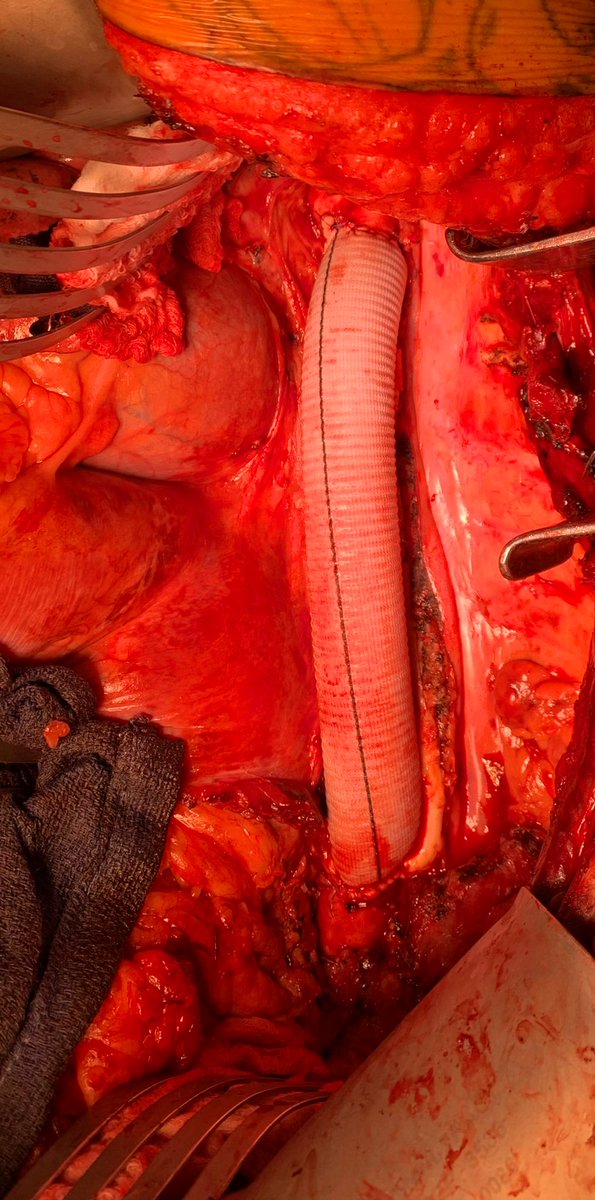
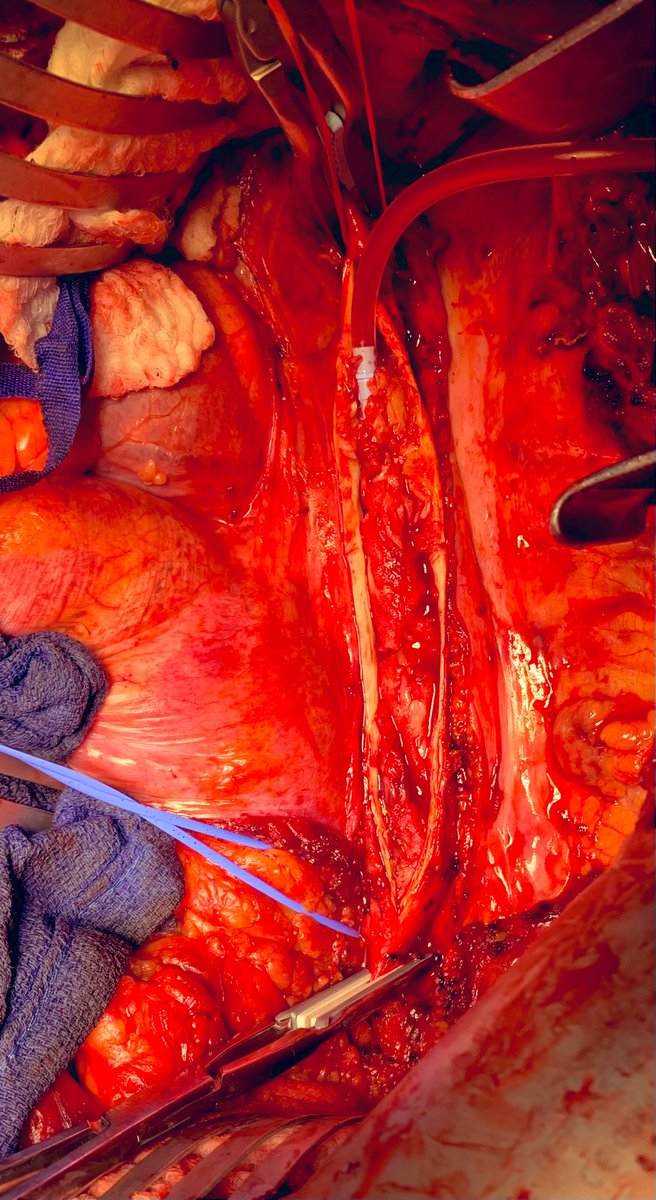
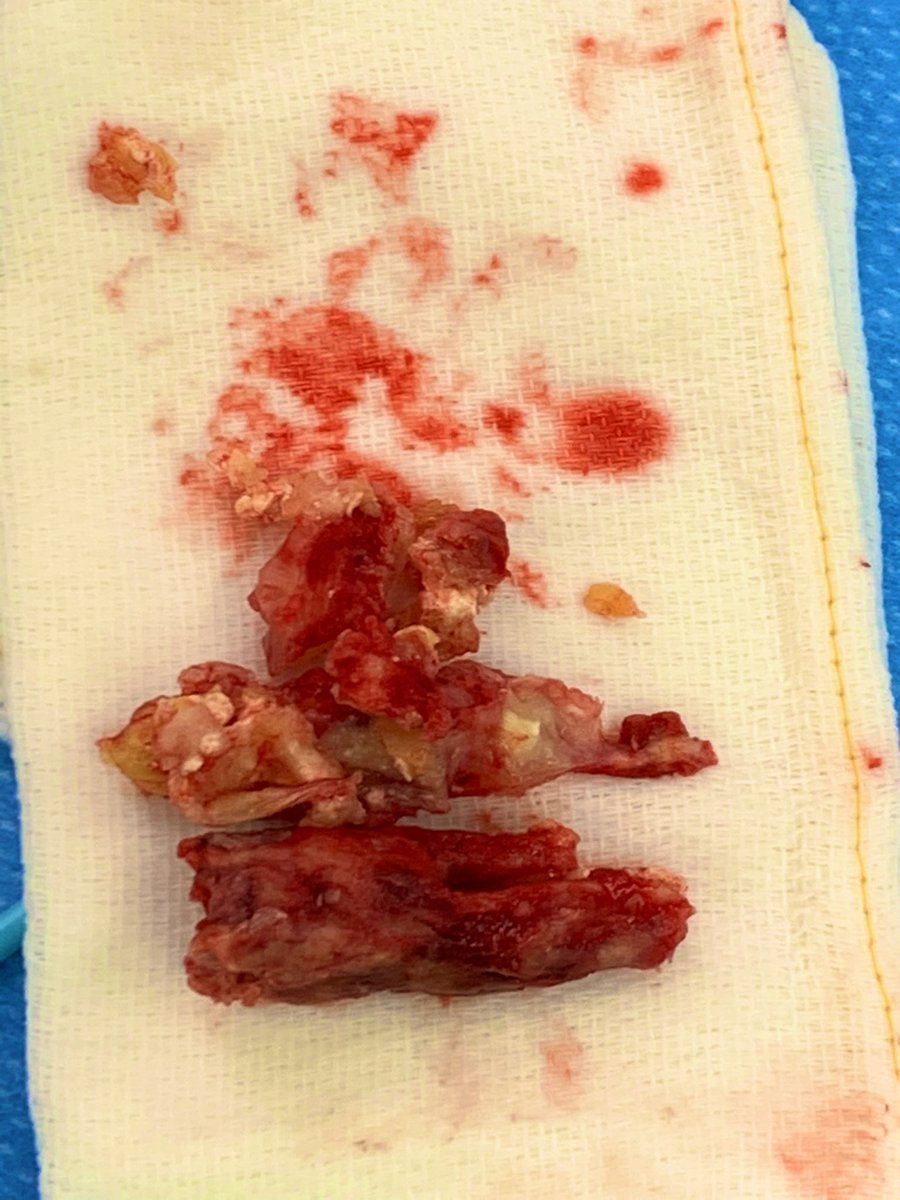
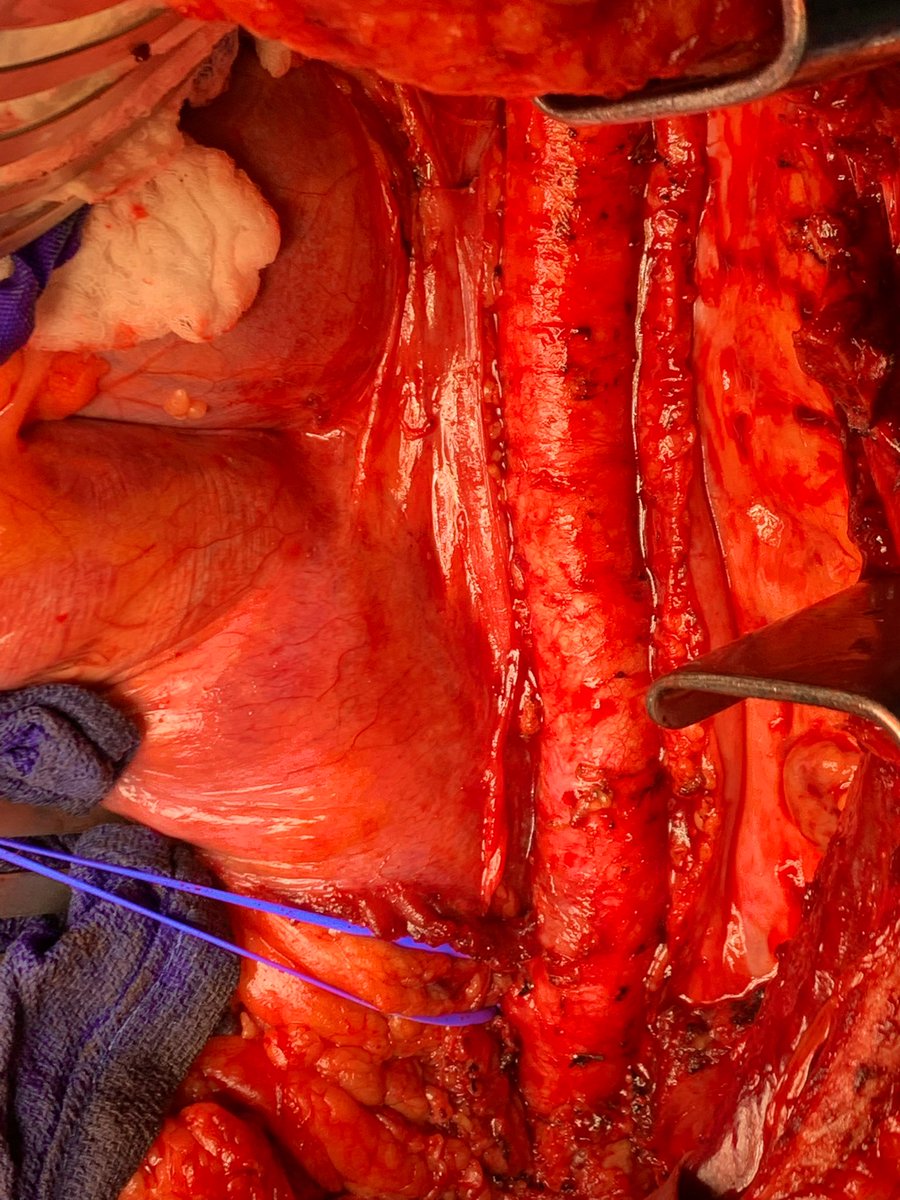
Friday TAA- totally abnormal aorta
39M smoking since age 5 presenting with renovisceral embolism from this shaggy thoracic aorta while on A/C.
Descending aortic replacement on FAFV bypass, celiac thrombectomy (blue loop on celiac)
@KallieRobertsDO@CMC_VascFellows@theSHVI
Had a bad complication recently & it’s been hard to think of anything else… today in clinic 3 patients in a row hugged & thanked me for what I did for them. A good reminder that we do a lot of hard but great things. I have to recall those when times are tough.
#MedTwitter
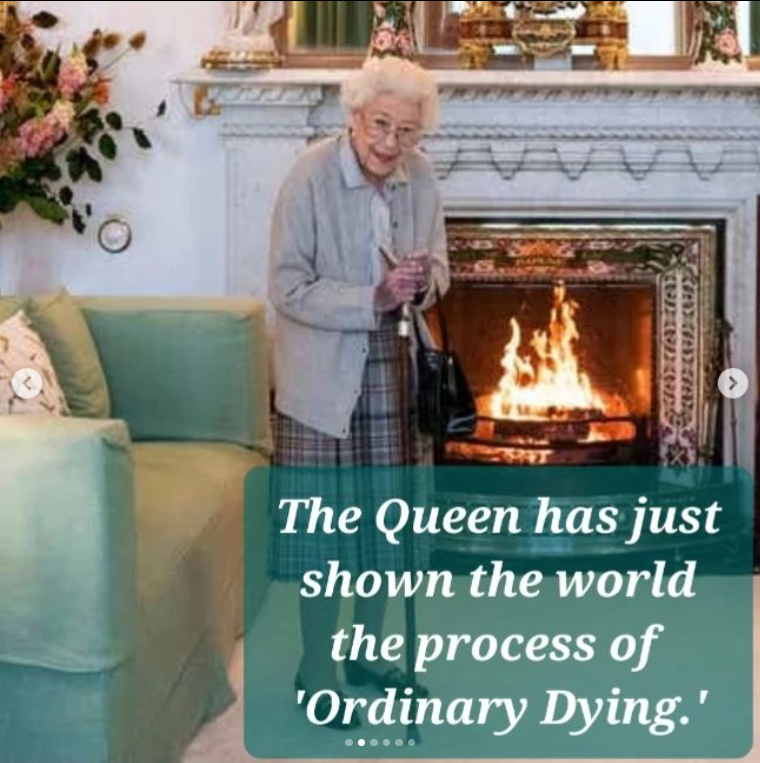
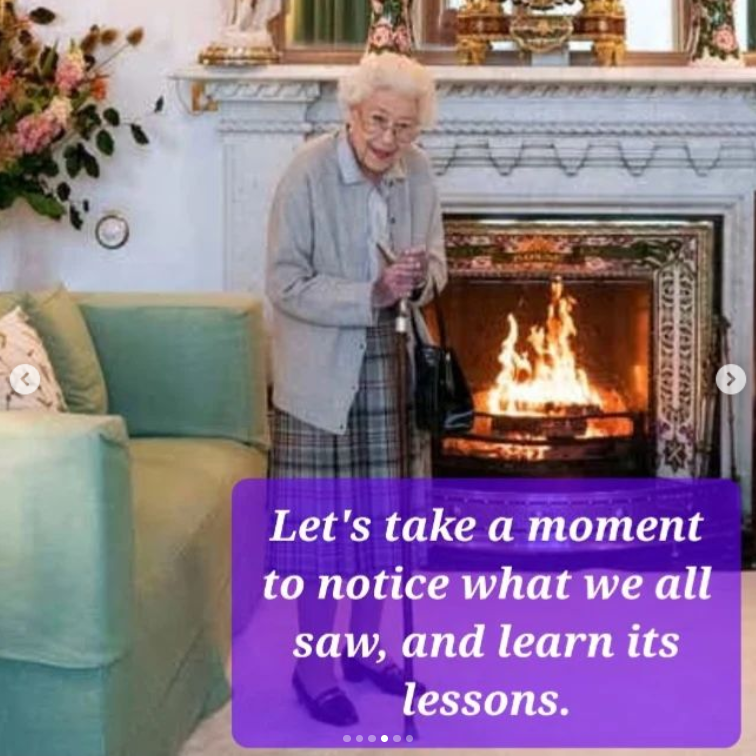
What can we learn from the death of the #Queen?
The world has watched her live through the process of #OrdinaryDying, and yet dying went unspoken, un-named.
Let's notice what nobody mentioned: we all saw the Queen going through the stages of ordinary dying.
A 🧵...
1/
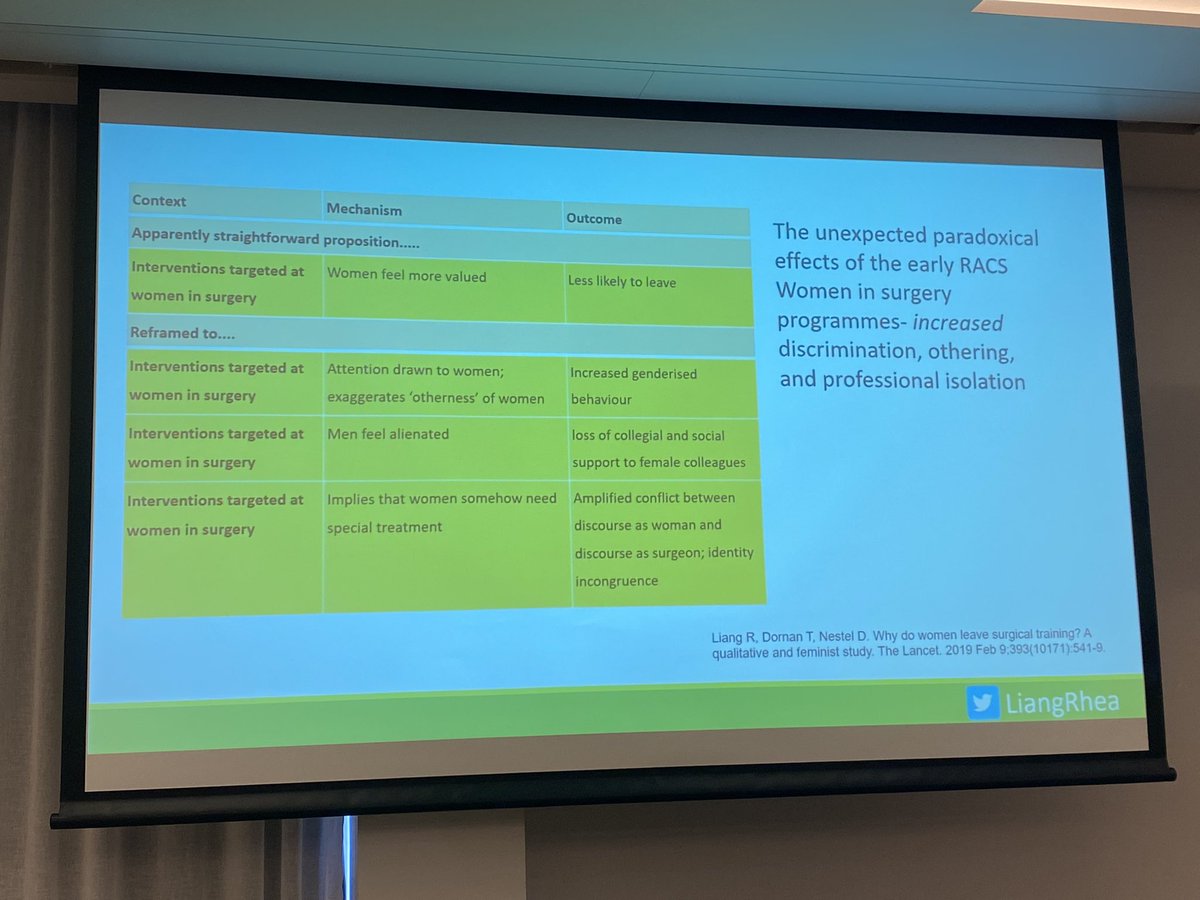
The unexpected paradoxical effects of the early RACS Women in Surgery interventions.
Increased genderised behaviours. Good men felt alienated. Women felt in need of special help.
@LiangRhea#CombiSIG22
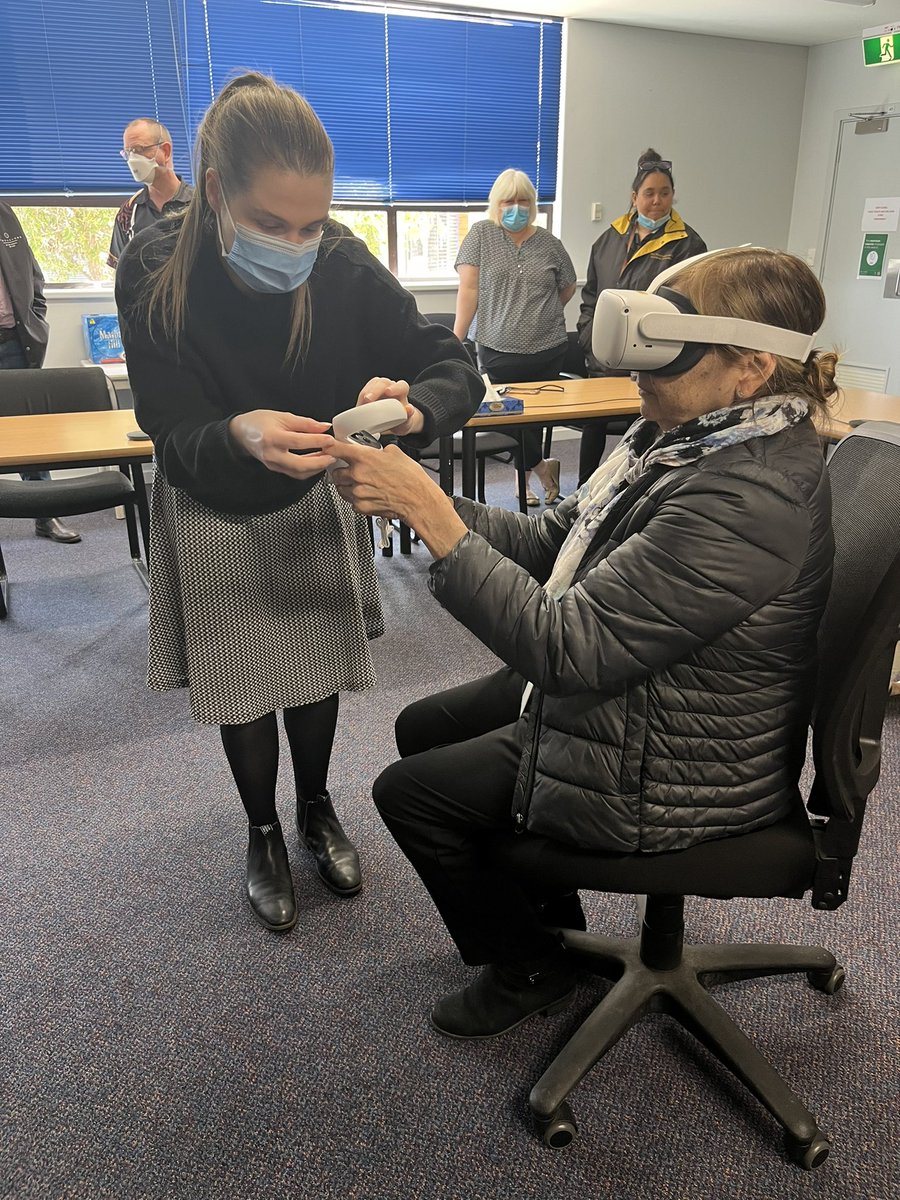
CALHN MDFoot service travelled to Port Augusta today to discuss our telehealth and Aboriginal foot health training using VR with our colleagues at Pika Wiya and Port Augusta Hospital. @CentralAdlLHN@LesleyDwyerCEO
In my training, I’ve seen two types of surgeons in how they respond to a member of the team not being fully trained and up to speed.
And I believe this simple difference makes all the difference in what they are able to accomplish in the long term as a team.
🧵 //