These aren't technical decisions. They're human ones. And they require more than logic or data.
The emphasis here is simple: some decisions need you in the room, fully engaged, without a tool in between.
There are decisions I make without AI. On purpose.
Not because AI can't help. But because some things require a kind of judgment that only comes from experience, values, and context AI doesn't have.
I don't use AI to decide:
- Who to trust or work with
- How to respond in a conflict
- What to prioritize when everything feels urgent
- When to walk away from something that doesn't align
They happen because people aren't thinking about the implications of what they're doing.
In a nutshell: AI doesn't make ethical decisions. You do.
Use it responsibly. Be honest about how you're using it. And don't let convenience override integrity.
Ethics in AI isn't just about the big debates like bias in hiring algorithms or surveillance tech.
It shows up in smaller, everyday decisions too. And most people don't even notice.
Here's where I've seen it come up in my own work:
Now let's look at it from this perspective. Ethics isn't about whether the tool is good or bad. It's about how you use it.
The emphasis here is on awareness. Most ethical lapses in AI use aren't intentional.
The emphasis here is simple: trust, but verify. Especially when the output is going into something important.
In a nutshell: AI can accelerate your work. But when accuracy matters, slow down and check.
Your credibility depends on it.
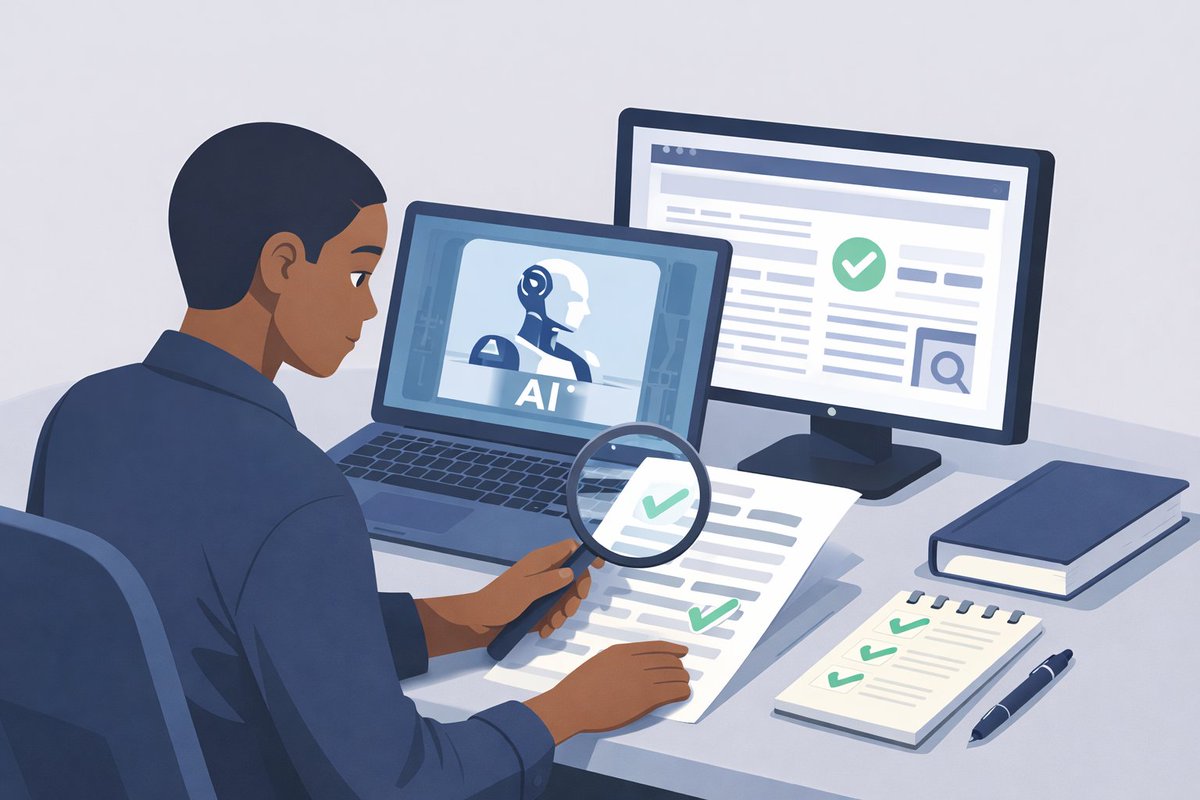
When accuracy matters, I never take AI's first answer as the final one.
Not because AI is always wrong. But because when the stakes are high, "mostly right" isn't good enough.
Now let's look at it from this perspective. AI is a tool for speed, not a substitute for rigor. It can help you get to an answer faster, but verification is still on you.