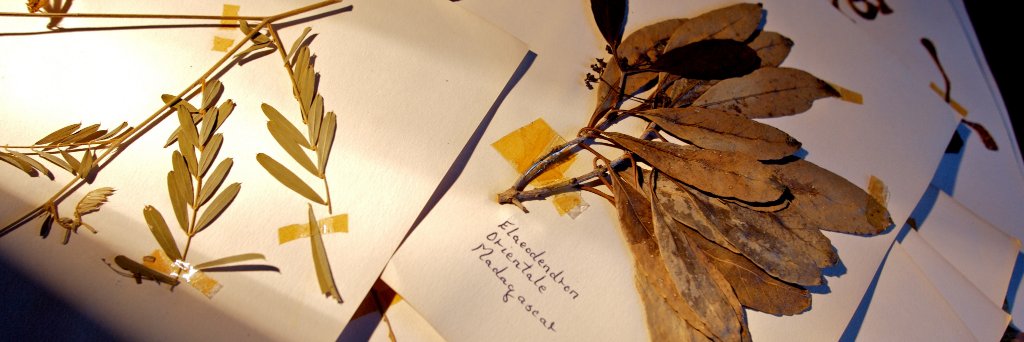
The Museum of Life Sciences is the first natural history #museum of @KingsCollegeLon. We are home to a diverse collection of animal and plant specimens
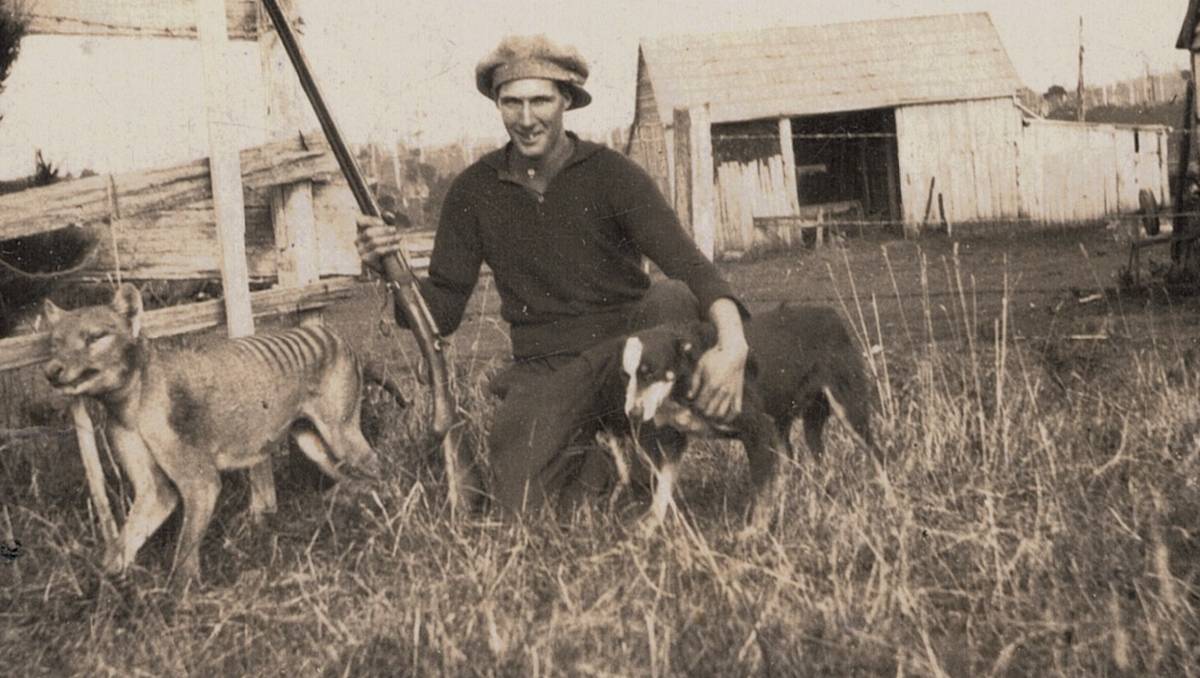
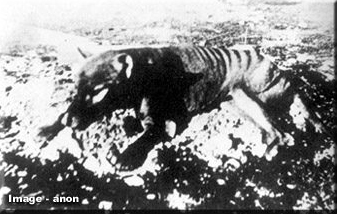
Today is the 90th anniversary of the last known killing of a wild #thylacine, by Wilf Batty. The second photo was taken before it had died from its wounds.
The last known live thylacine was then captured in 1931, and was kept in a Hobart zoo until it died in 1936. #thylacines
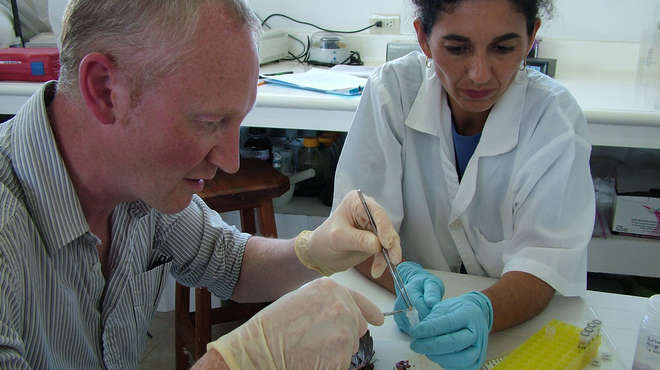
We need to understand what drives #viruses to jump from #wildlife to people, but a lack of funding leaves ZSL's world-leading expertise in #WildlifeHealth and managing zoonotic disease in serious jeopardy. Please read and give what you can: https://t.co/KTiws9dVDb #COVID19
Sphenodon or hatteria often referred to as a living fossil. It is the last survivor of the reptilian order Rhynchocephalia, which evolved in the early Mesozoic era, about 200 million… https://t.co/BFhXu7FWaQ