Enjoy this video from this time last year, where sample collection partners @ZSLScience shared this video from the Fair Isle. 🪿
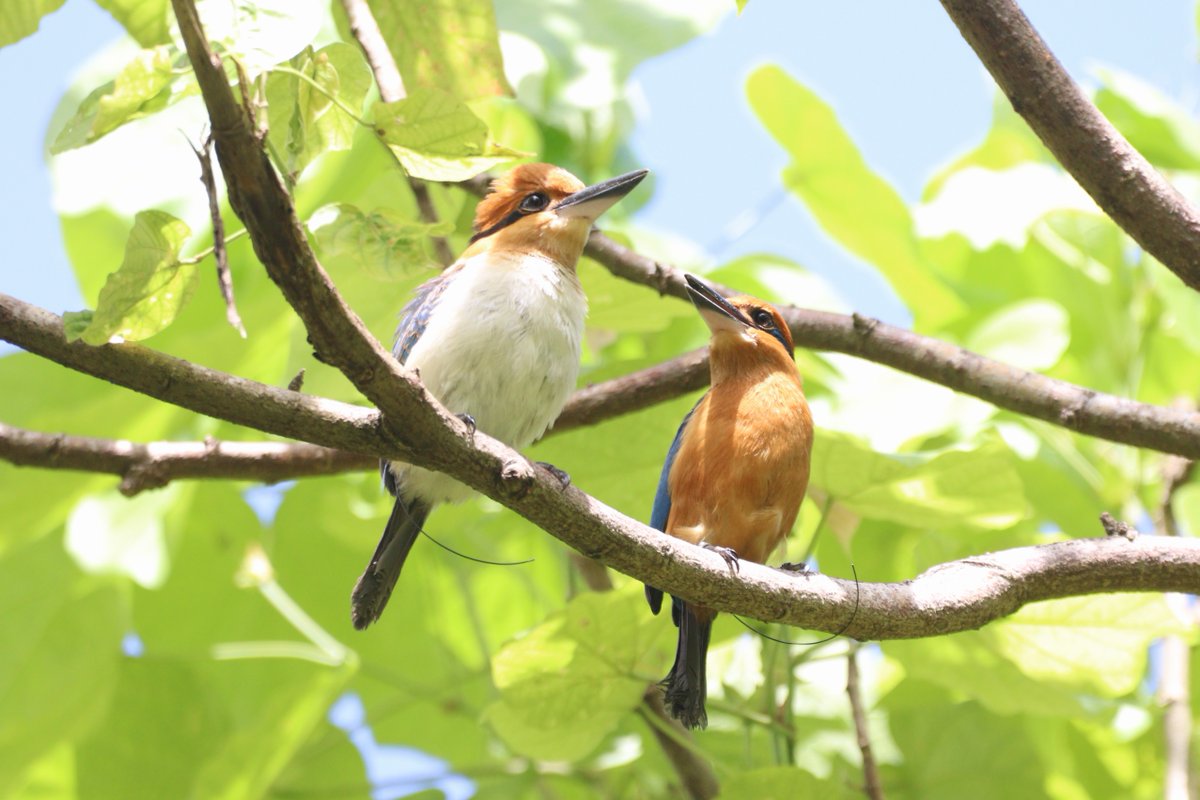
Experts like Ava, whose focus for our project is focused on birds, are crucial for generating reference-grade genomes. 🧬
https://t.co/wzH3UCjnO1
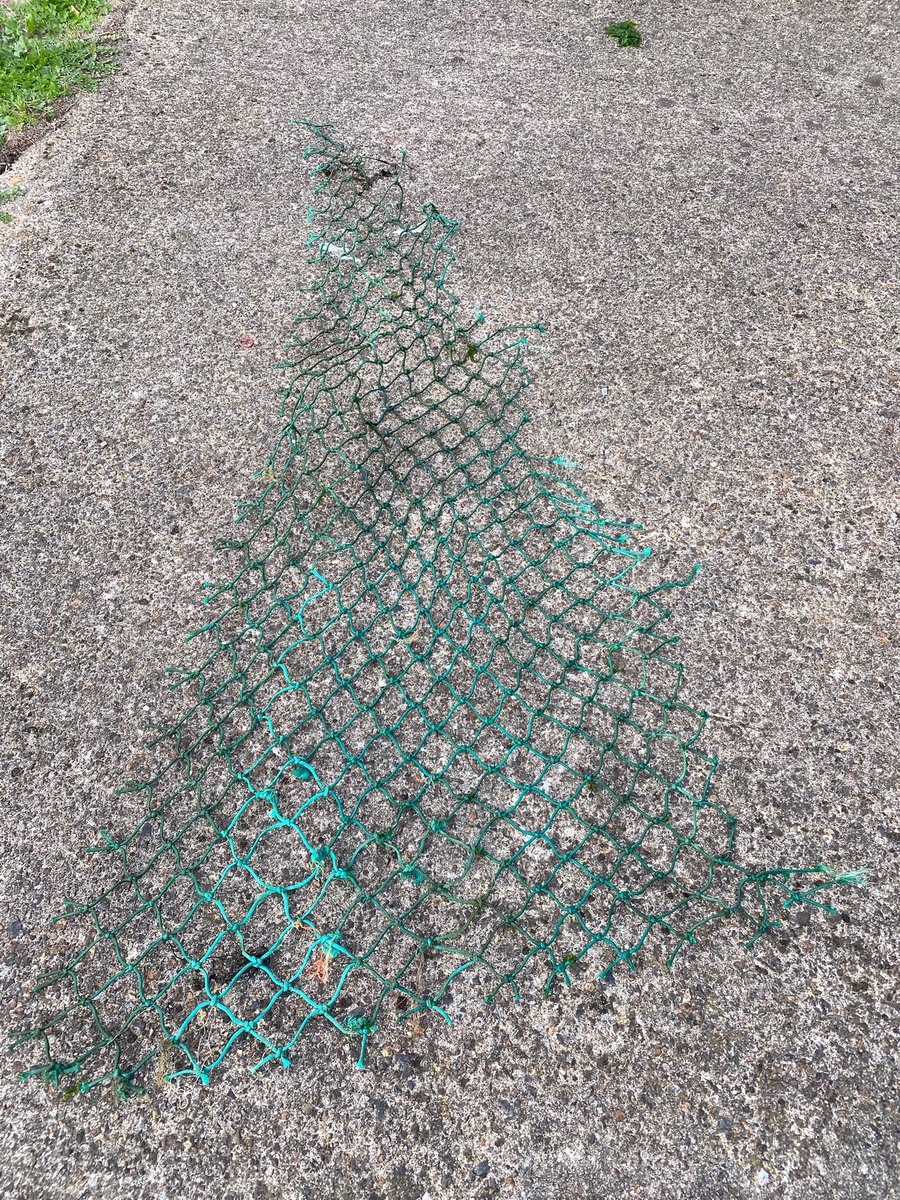
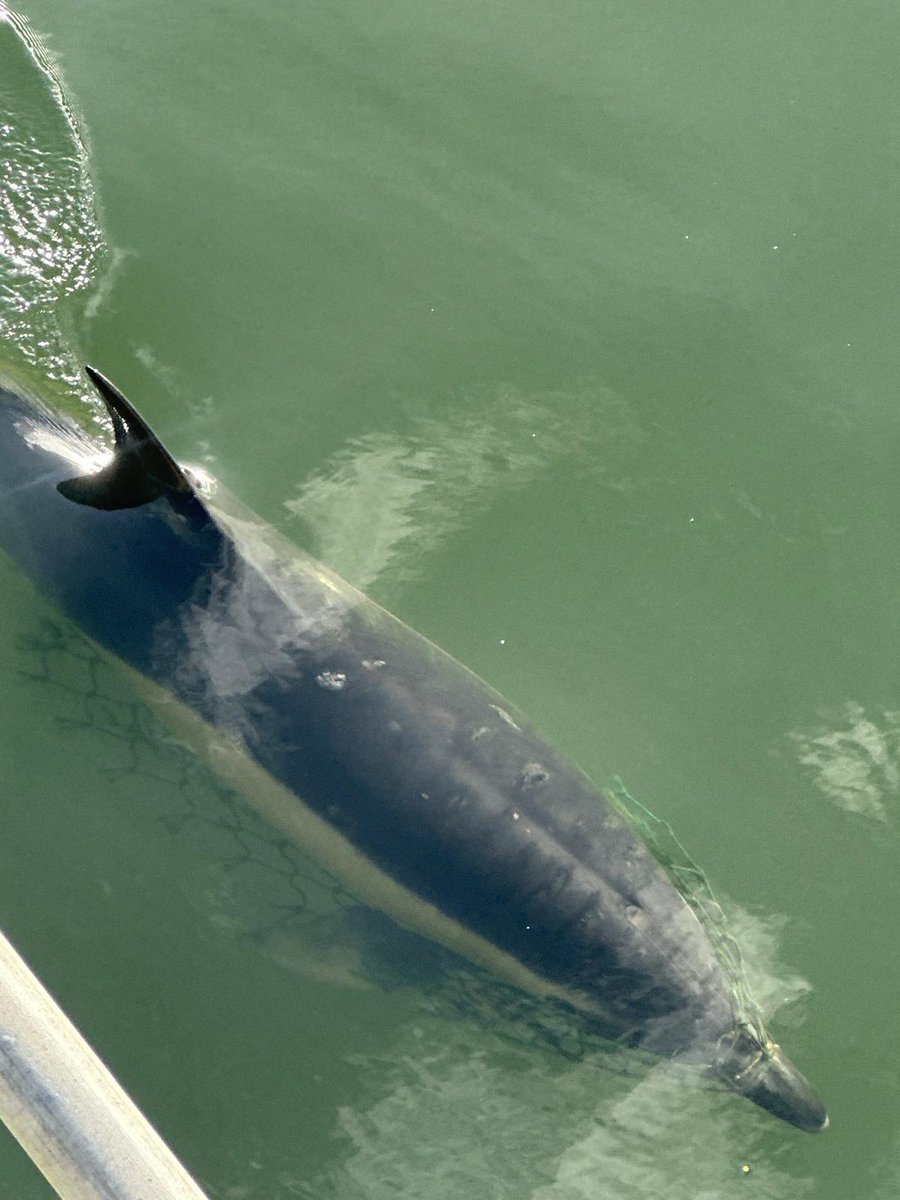
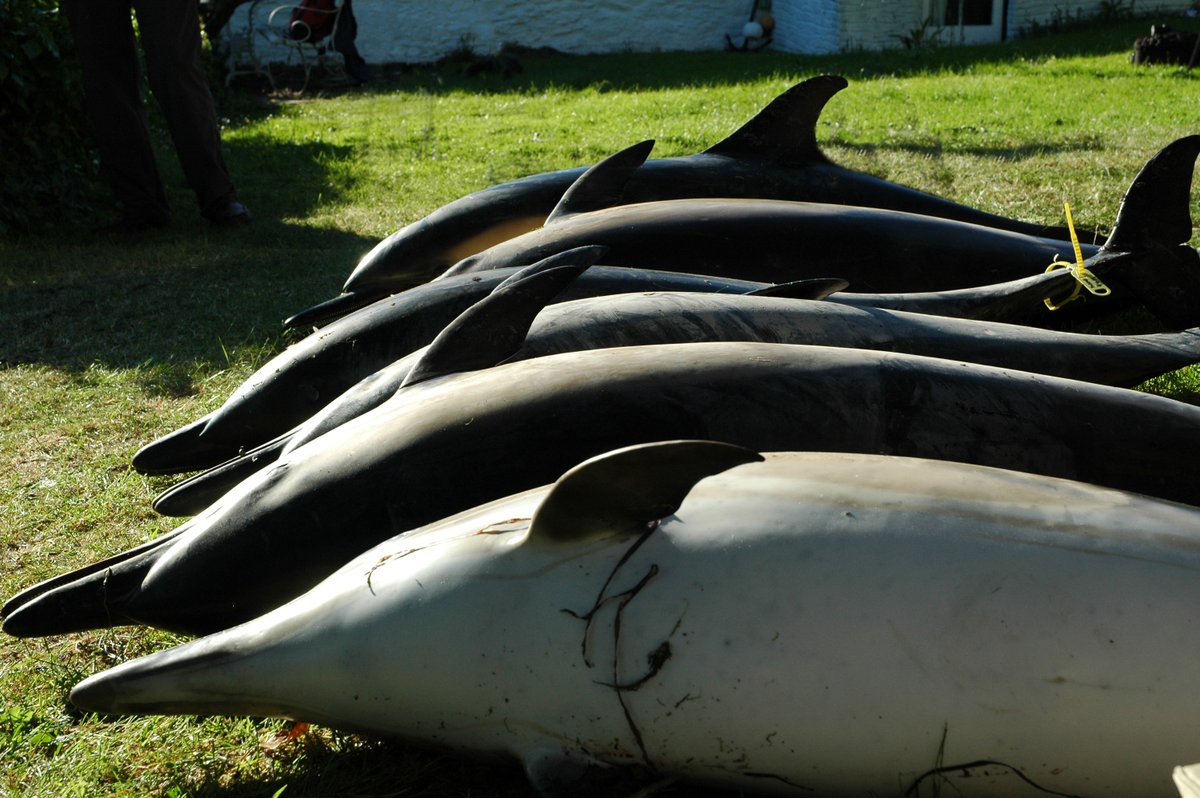
Recovered an adult male common dolphin from Ipswich yesterday- found entangled in a fragment of trawl net, freed by @BDMLR and local fire brigade, but sadly found dead nearby the next day. Phenomenal recovery efforts! #CSIoftheSea exam at @ZSLScience next week, more to follow...
Session 3 of the Turning Points for Wildlife symposium will spotlight experiences from across the Pacific, and the role of indigenous people and local communities involved in species rescue. Find out more and join us in November: https://t.co/OytIhL3wEO
Session 1 of our Turning Points for Wildlife Symposium will explore ecological stories from species on the very edge of extinction. Book your ticket now to join us on 16 and 17 November, and keep an eye out for more speaker announcements: https://t.co/OytIhL3wEO #ZSLat200
What role does social science play in rescuing species on the brink of extinction? Session 2 of the Turning Points for Wildlife symposium will explore how ethics, motivation and behaviour change, can impact species rescue. Book your ticket: https://t.co/OytIhL3wEO
📣 Nature can recover!
We depend on nature, but for too long, it's been undervalued. The latest Living Planet Index – produced by our scientists and published today in WWF’s Living Planet Report – shows us the consequences.
Despite this, there’s reason for hope.
Conservation wins are woven into the Index, and half of monitored wildlife populations are either holding steady or growing 💪
Read more at: https://t.co/cqRAfpU21R
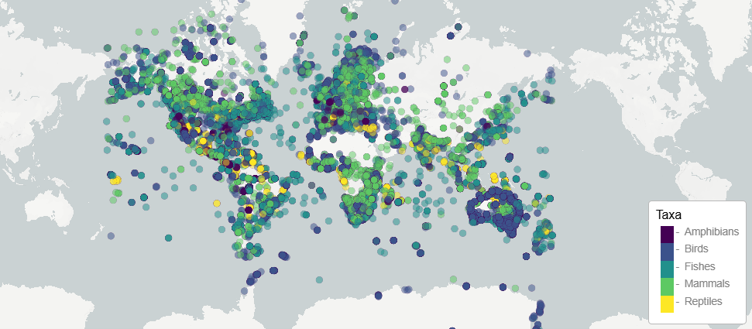
The 2026 Living Planet Database is now live.
It is the largest repository of vertebrate population data, and the latest update contains time-series data for 47,000 populations of vertebrate species from around the world!
🔗 Search and download the data at https://t.co/FBO4JwYQWu
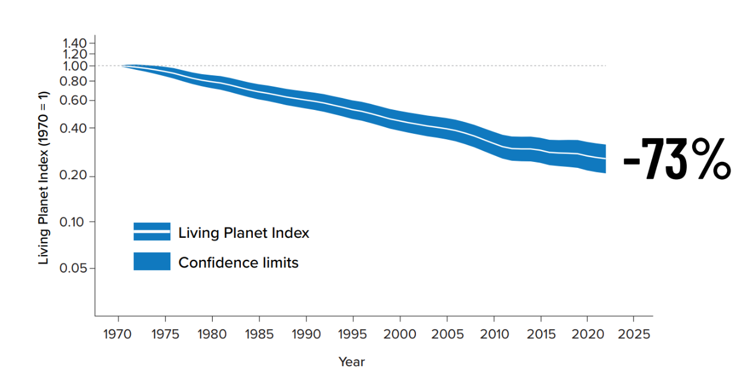
The 2026 Living Planet Index, produced by ZSL, as presented in @WWF Living Planet Report, has been released🌍Global trends show that monitored wildlife populations have declined by an average of 73% in abundance between 1970 and 2022
🔗Read the full report https://t.co/BDVIWDn6UJ
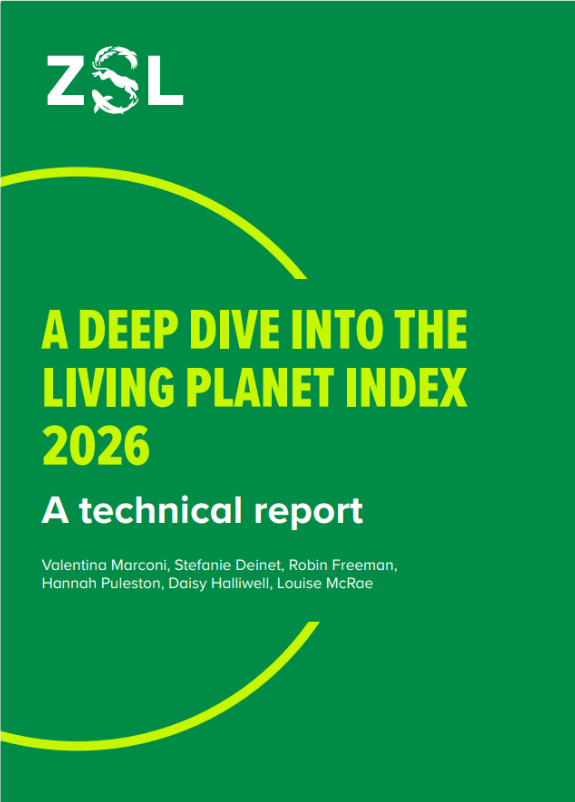
How is the 2026 Living Planet Index produced, and what do its trends mean? 📊
ZSL’s Living Planet index technical report outlines the methodology, underlying data and explains how to interpret the results.
Read the full report: https://t.co/swRtqSV95i
SOLD OUT! In person tickets for our 6th October event are all gone, but you can still attend live online, or join the waitlist for a ticket to attend at our Huxley Lecture Theatre. Find out more 👇
https://t.co/2QYbqIfSJT
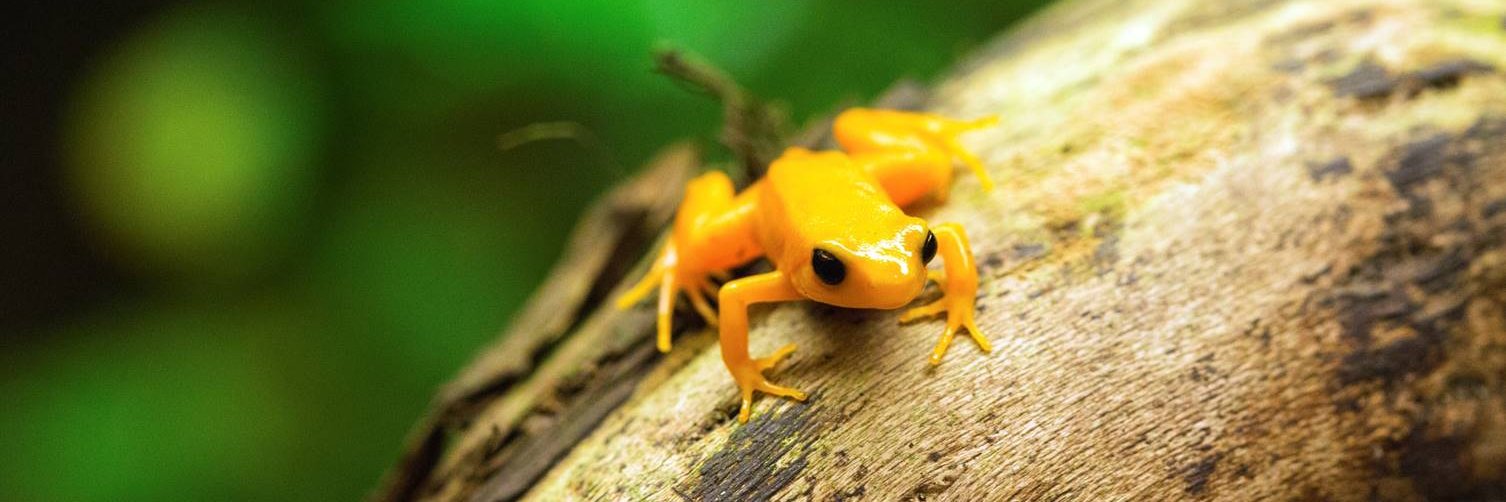
Hear from on-the-ground specialists working to bring the Darwin's frog back from the brink of extinction. Join our free webinar at 6pm on 23rd Sept as we launch the 2nd edition of the Binational Strategy for the Conservation of Darwin's Frogs. Book now: https://t.co/1QpvmisBKQ
Nearly sold out - grab your free ticket before they're gone! Join us on 6th October to hear how ZSL experts use technologies to protect species; from using AI to improve conservation outcomes to democratising deep-sea science. Find out more 👇 https://t.co/2QYbqIfSJT
Join us on 16-17 November for our Turning Points for Wildlife Symposium, as scientists, policymakers and practitioners discuss how to navigate species rescue for populations on the edge of extinction 🌎 Find out more: https://t.co/9GnQJYfBEC #ProtectingSpecies#ZSLat200
How did you celebrate #WorldDolphinDay?
Take a look at the latest blog from @strandings_man as we explore how ZSL's CSIP team respond when a dolphin washes up on UK shores, and the intricate, often complicated, logistics involved 🐬 https://t.co/3S4oytd4bk
You can also learn more about the threat of chytridiomycosis and the work being done to protect and restore Darwin’s frog populations, by listening to the latest episode of the #ZSLWildScience podcast https://t.co/fhEoK6NHVW
Hear from on-the-ground specialists working to bring the Darwin's frog back from the brink of extinction. Join our free webinar at 6pm on 23rd Sept as we launch the 2nd edition of the Binational Strategy for the Conservation of Darwin's Frogs. Book now: https://t.co/1QpvmisBKQ
No single sector can prevent wildlife disease risks on its own. That is why the #OneHealth approach matters 🐾
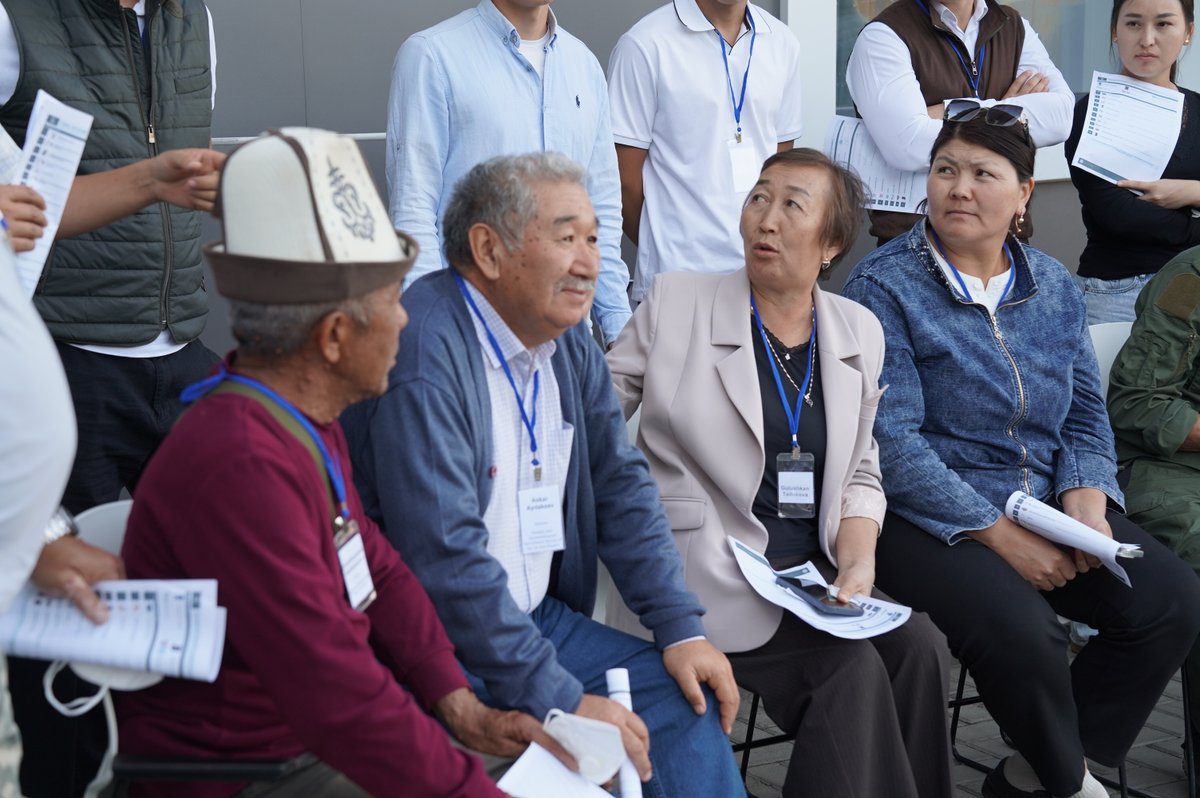
In Karakol, Kyrgyzstan, IUCN, Camp Alatoo and partners are bringing together specialists from conservation, veterinary and public health sectors for practical One Health and biosafety training focused on prevention, early warning and safer responses to wildlife disease risks.
🎯The goal is simple: stronger cooperation, faster information-sharing and better preparedness across the human–animal–environment interface
#1Health4Nature @iki_germany 🙌
🦠 Healthy ecosystems are part of the first line of defence against emerging health risks.
Changes in biodiversity, climate and the way people interact with nature can affect wildlife health and influence the risk of diseases passing between animals and people.
🎯This is where #OneHealth comes in.
Through #1Health4Nature #CentralAsia, experts are strengthening wildlife disease surveillance, laboratory diagnostics and regional cooperation — connecting nature conservation more closely with efforts to understand and prevent zoonotic disease risks.
More 👉 https://t.co/Ti3SBbYZy4
@iki_germany 🙌
We've extended the deadline! There's now two weeks left to give an outstanding young conservationist the opportunity to win this ZSL Award in its inaugural year! Submit a nomination now 👇
📢 Exciting opportunity to celebrate young people making a difference for wildlife through conservation, creativity or campaigning. Submit a nomination for our Young Wildlife Conservationist of the Year Award 🏆 Find out more, deadline 1st Sept:
https://t.co/20oheqndB8