1. It's done and launched!!!!!! 🎊🥳🎉
I took Dr Bull's brain child and created this for him.
We worked for hours on this, with mulitple versions to get the result we have today.
The #hypermobility quick reference guide is now available to share far and wide to all GPs/
If exercise has ever made your symptoms worse, you are not doing it wrong - we just need a different approach with EDS & HSD.
Traditional exercise advice doesn’t apply when your joints are unstable and your nervous system is overactive. Pushing through exercise can make us feel worse. Plus take into account POTs & MCAS reactions.
I’ve found that we need nervous system-friendly, joint-aware movement strategies that build control before intensity.
More isn’t necessarily better. Less is More.
Non Sleep Deep Rest (NSDR) is not meditation, hypnosis or breathwork, nor is it a nap. It’s a distinct brain-body state that can offset sleep loss & restores mental & physical vigor. Links to zero cost NSDR in video &/or audio downloadable format: https://t.co/HSghgKJ8qF
🧠✨ New research led by BSMS' Dr Jessica Eccles reveals a fascinating link between joint #hypermobility and #anxiety!
🔗Read more: https://t.co/1fqNt7sNhC
🎥Hear from @BendyBrain and PhD student @CKampoureli ⤵️
https://t.co/rUWaUwnPzS
Ease in Gentle January with my brand new free hypermobility class that requires zero equipment. I’m ditching the traditional new year narrative for a gentle, accessible approach.
https://t.co/hJu9lIBniq
And that's our last 2024 e-news. Sign-up for tomorrow's 'Ask the OT event', info on the Journal currently in the UK postal system, and details of the Living Well series, back in the new year.
Don't get the e-news? Scroll to the bottom of the website, put your email in the box!
The fatigue that can come with bendiness can be hard to explain to someone who hasn't experienced it! This is part of the explanation in our fatigue guide - print copies are available from https://t.co/GCrUY7V42U while HMSA members can view a digital copy in the members' area.
outside right now, let's have a little think about some good stuff to lift our moods 🧠
What's been good this week?
Big or small, I'd love to hear it if you are willing to share 💜
Kim
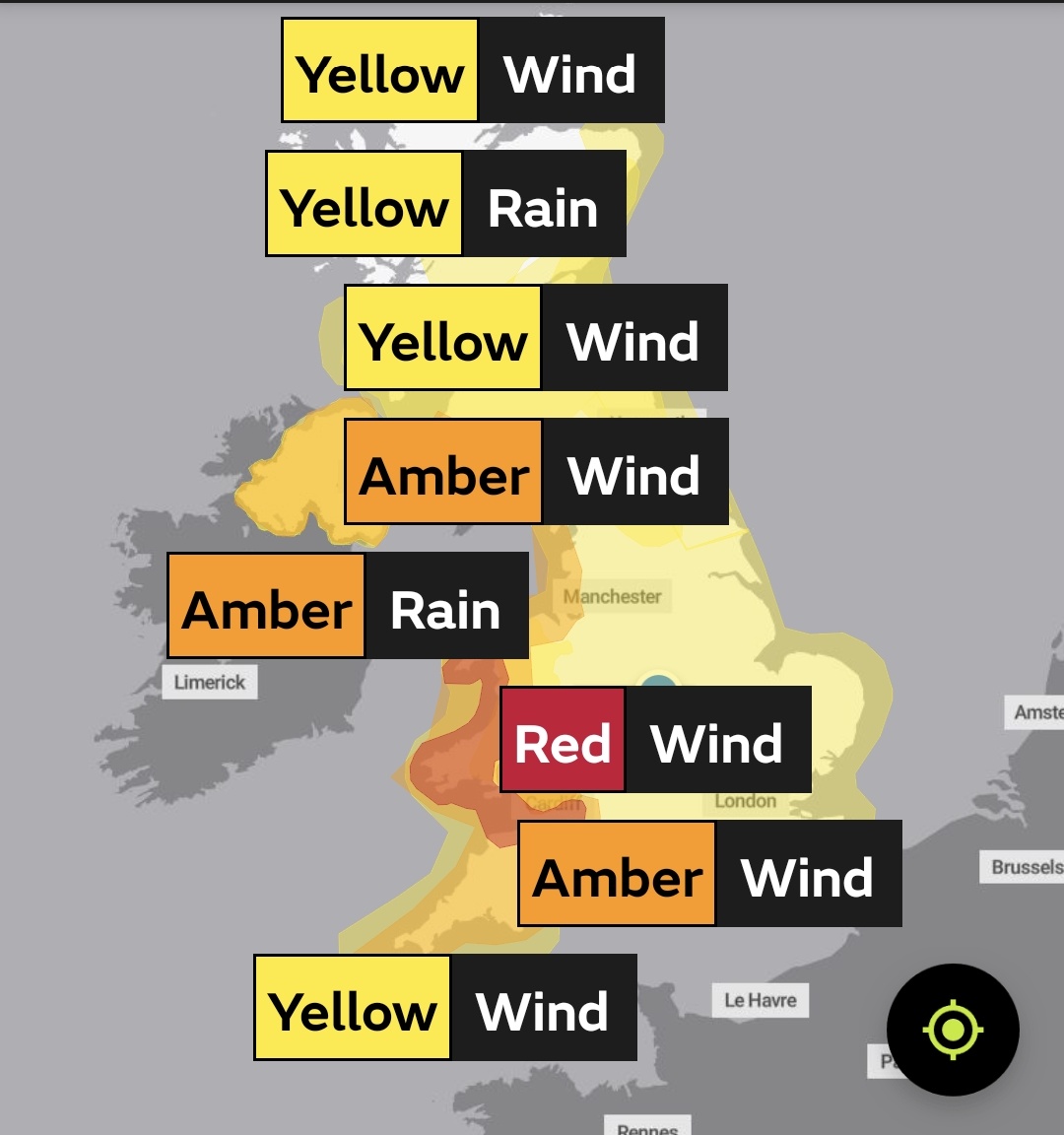
I hope everyone is managing to keep safe and staying indoors 💜
We moved to a safer spot to find some shelter from the wind, but our internet connection is patchy.
We are hunkering down for the duration, and I hope you all do too.
So, with all of the crazy weather going on
Hormones and hypermobility (10-50). Tomorrow, 5/12/24 7pm GMT
This session will be led by Dr Colinette Margerison, an experienced GP with British Menopause Society (BMS) and Faculty of Sexual and Reproductive Healthcare (FSRH) qualifications.
https://t.co/Oy1XbvHEVZ
Shopping online this festive period? 🎄🎁⛄️
Raise free donations for Hypermobility Syndromes Association when you shop 6,000+ stores online using Give as you Live Online! > https://t.co/LzUvjgLpDi
Thank you 🙏💜
.
.
.
#GivingTuesdayCampaign#GivingTuesday
Thank you all for your tremendous support with sharing this guide 🙏💜
Don't forget, you can download your copy to hand out here https://t.co/HblCWYWSUd #MedTwitter#MedX#GP#Clinician
Neuroscience shows us that our brains are constantly changing, even in adulthood.
This means we can actually improve our mental health by adopting new habits! 💪
Things like movement, relaxation, mindfulness, self conpassion, and even gratitude and noting whats been good can
positively impact brain function.
These activities can help reduce stress and anxiety, leading to a greater sense of well-being.
When we have chronic illnesses or disabilities, we focus a lot on managing our physical symptoms.
Don't forget your wonderful brain, too! 🧠💜
Calling all #GPs#MedTwitter#MedX#Clinicians - Here is a quick reference guide to symptomatic #hypermobility.
From signs/symptoms/rare disorders to co-occurring conditions, making a management plan, and extra resources.
This is for you.
https://t.co/3D35MjaNUf
@HMSACharity