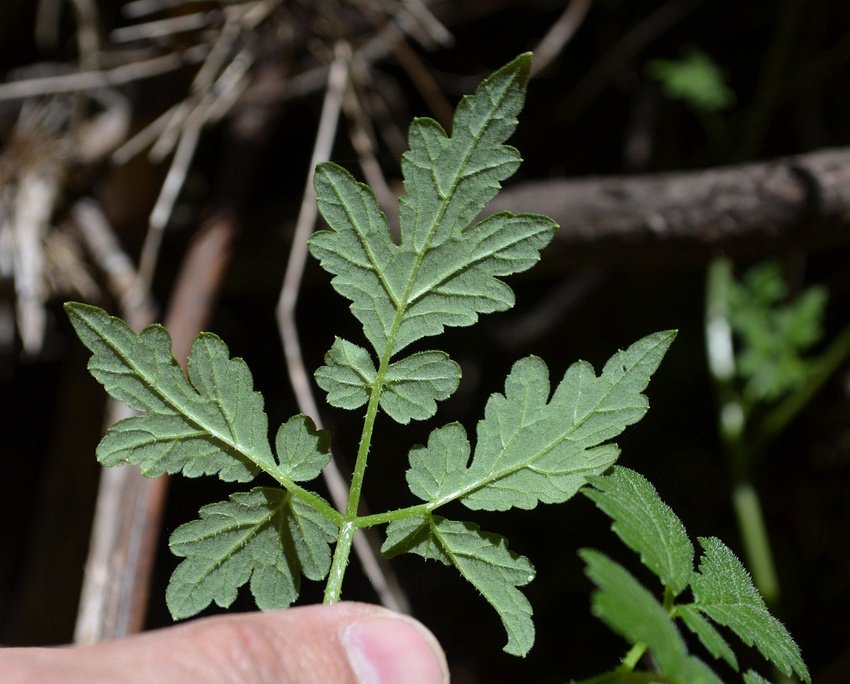
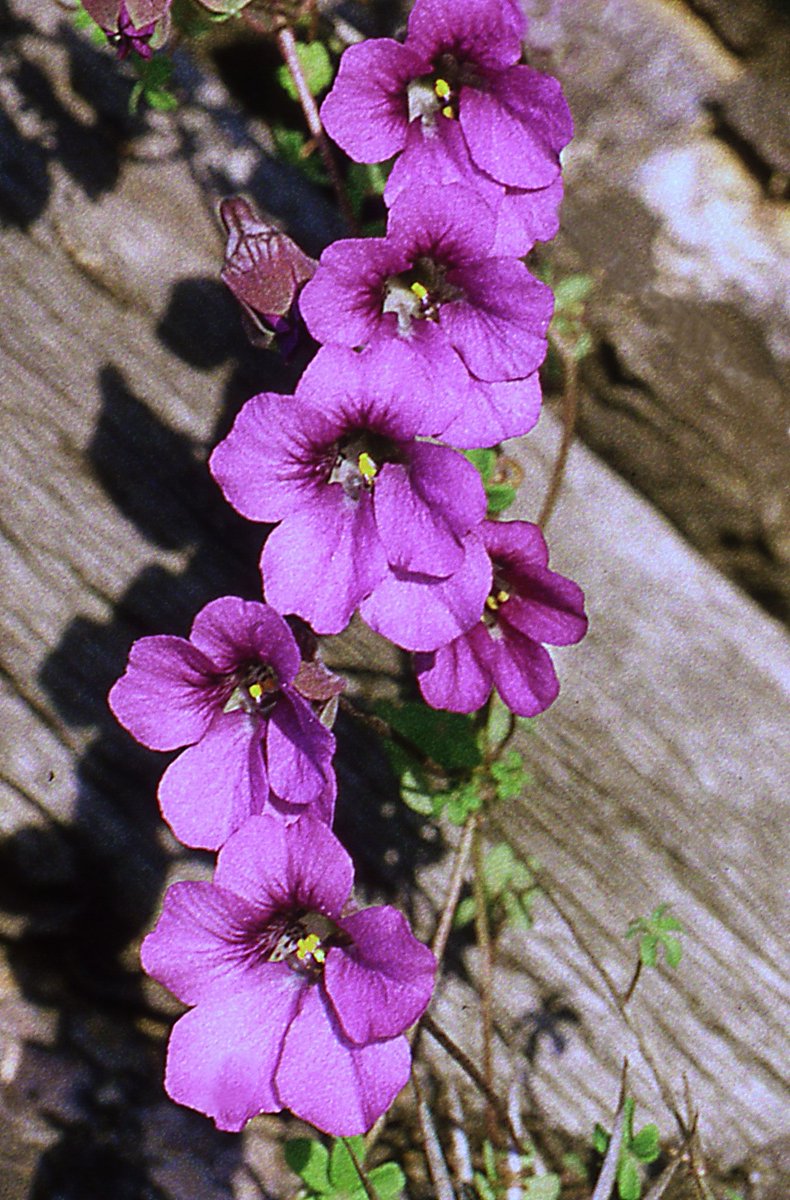
La hierba anual Grausa martinii (=Loasa martinii) es endémica de regiones Araucanía, Los Ríos y Los Lagos. Pese a ser una ortiga no tiene pelos urticantes. Vive en el piso de bosques siempreverdes valdivianos costeros #ConoceTuFlora@MNHNcl@NaturaUdec@IEBChile@conaf_minagri
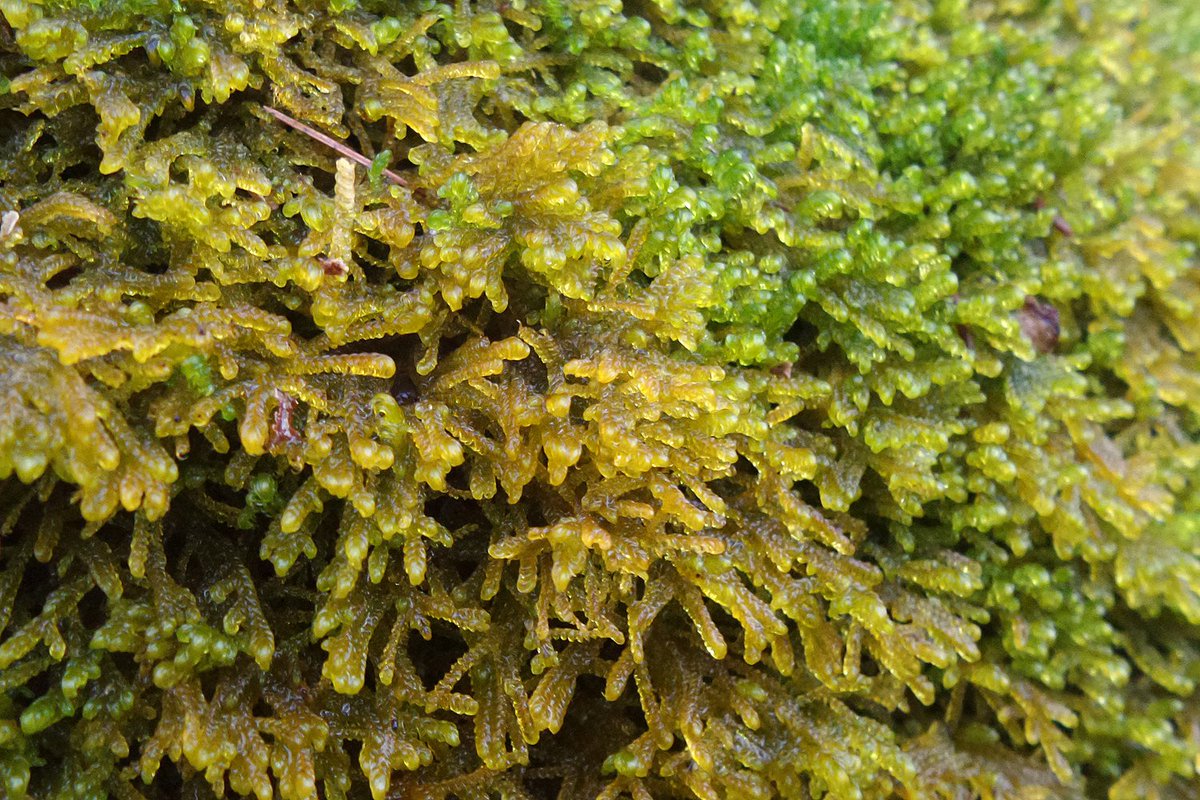
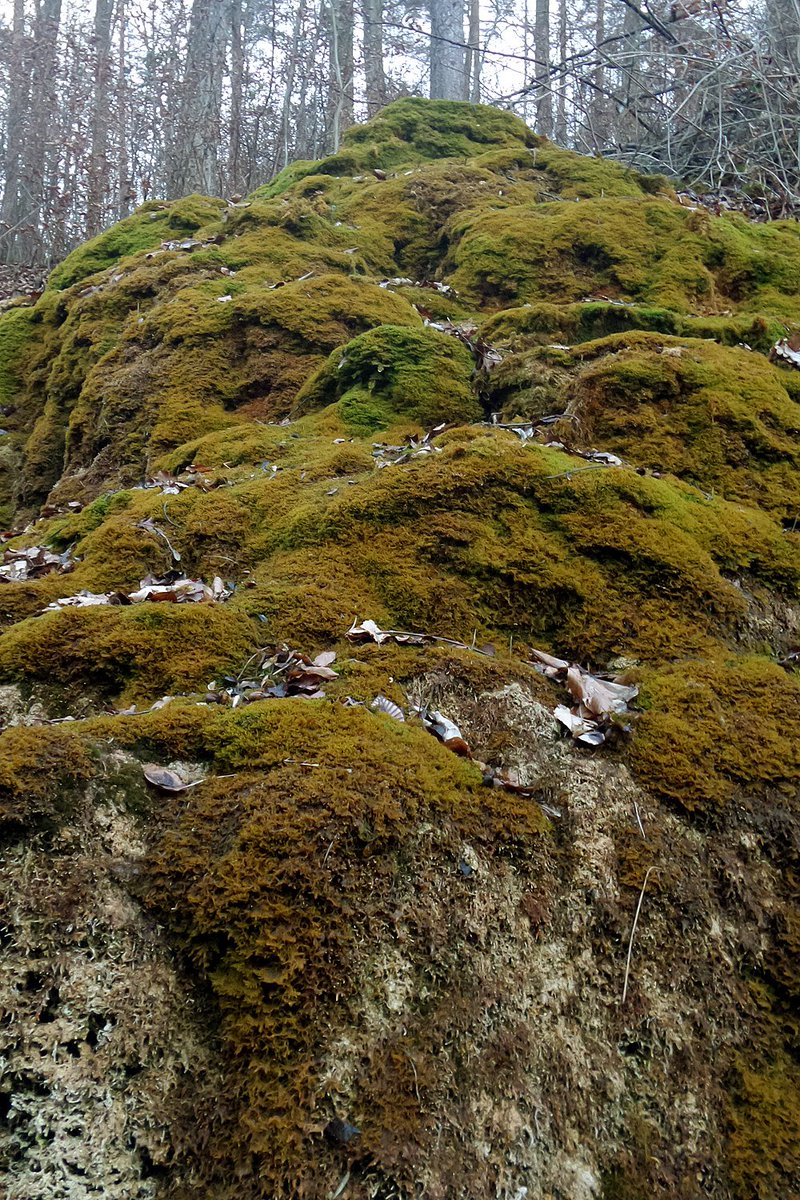
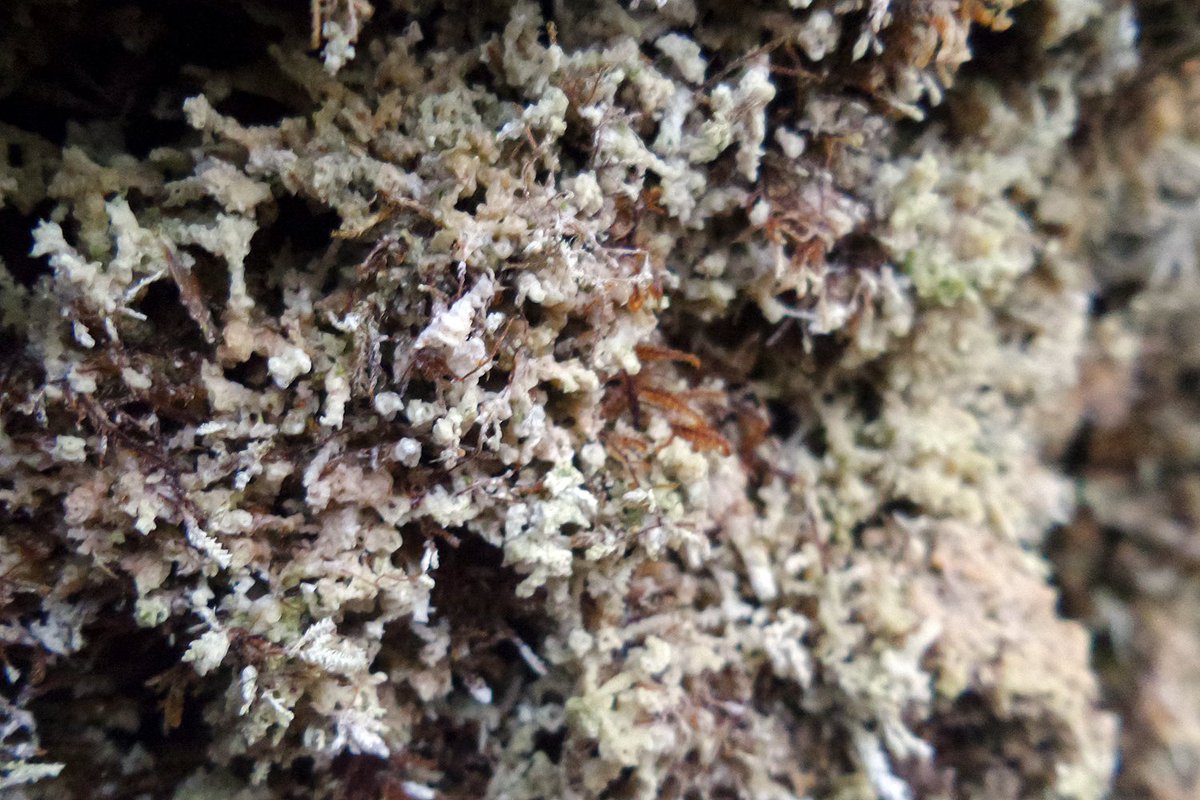
What a magical place! Palustriella commutata in abundance. What a fascinating process moss calcification is. From green to copper to the white of scale.
Basically watching a living being turning into stone. #tufa#bryophytes#moss@dziedava@drmgoeswild@ReskiLab@GarethFarr1
@kewgardens Orchid fan Lionel de Rothschild of @exburygardens gave Kew many species and hybrid orchids he’d grown in his own laboratory and glasshouses. Walter Rothschild of zebra fame was a keen orchidologist too at Tring Park and @WaddesdonManor ‘s were legendary!
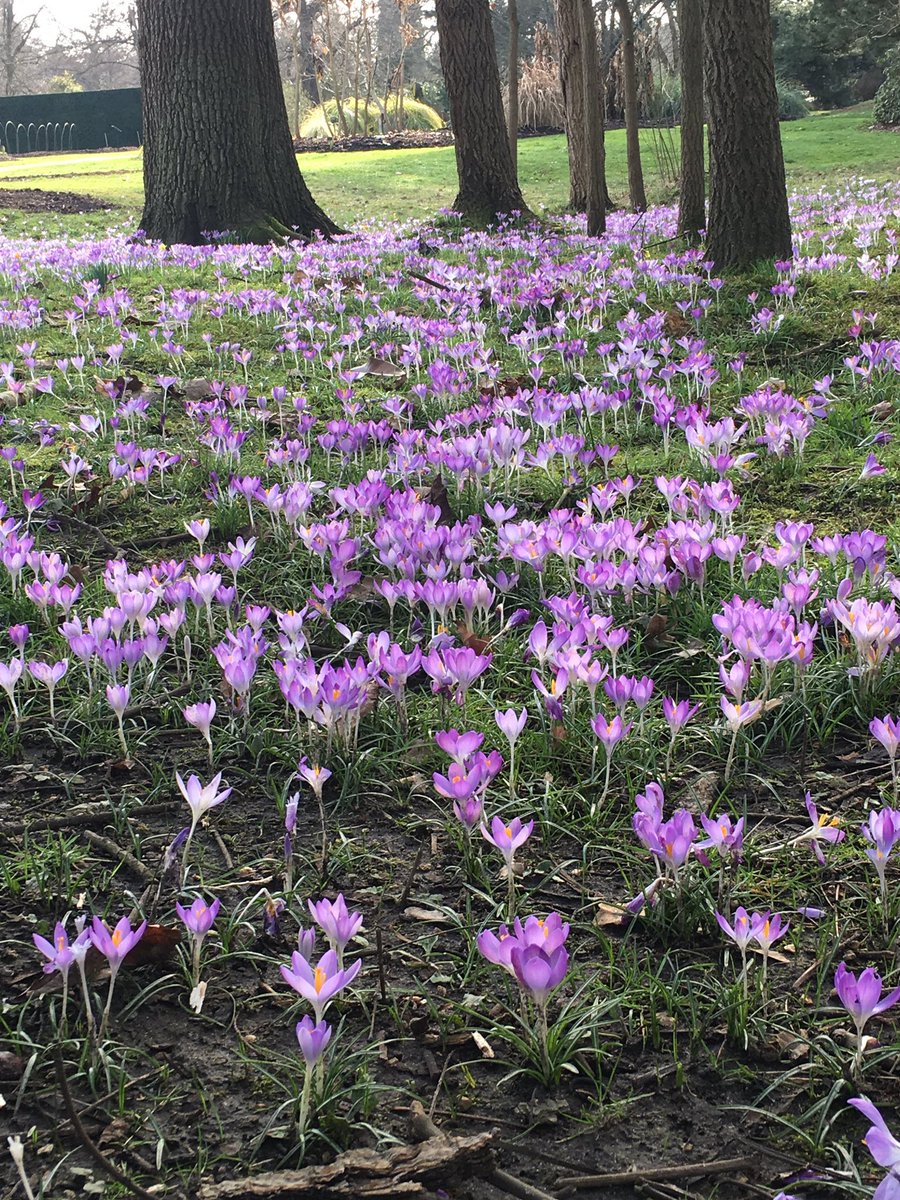
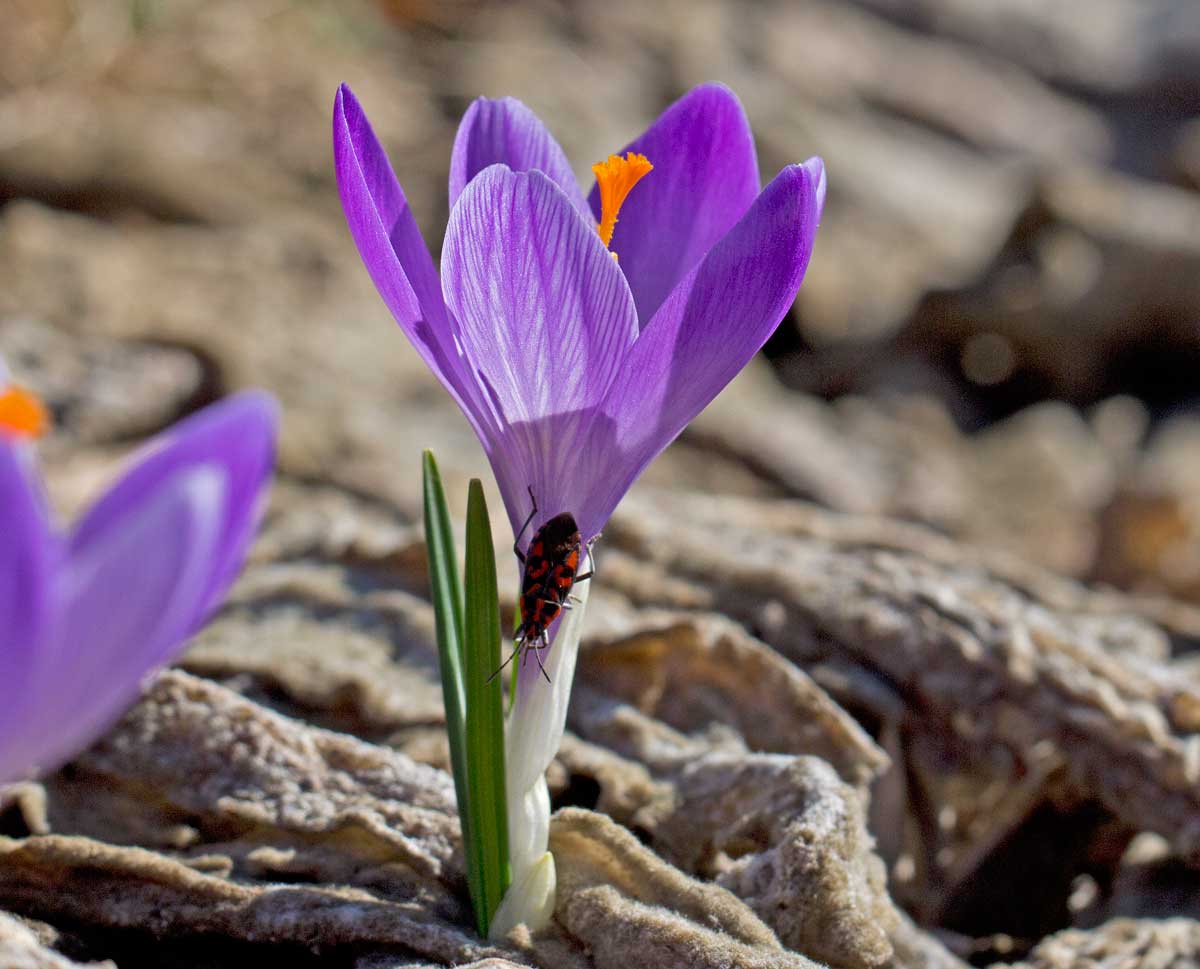
The sturdier, more waxy-looking of the common blue Crocus is C. neapolitanus (formerly C. vernus). This is the one that is naturalised in ancient grasslands, like the famous Inkpen Crocus Field in Berkshire. The leaves are wider (4-8mm) than in Tommy (2-3mm).
John Watson's stunning images of Tropaeolum kingii, T. beuthii, T. azureum, T. austropurpureum and others can now be seen at https://Chilean https://t.co/b2LEIHokUH
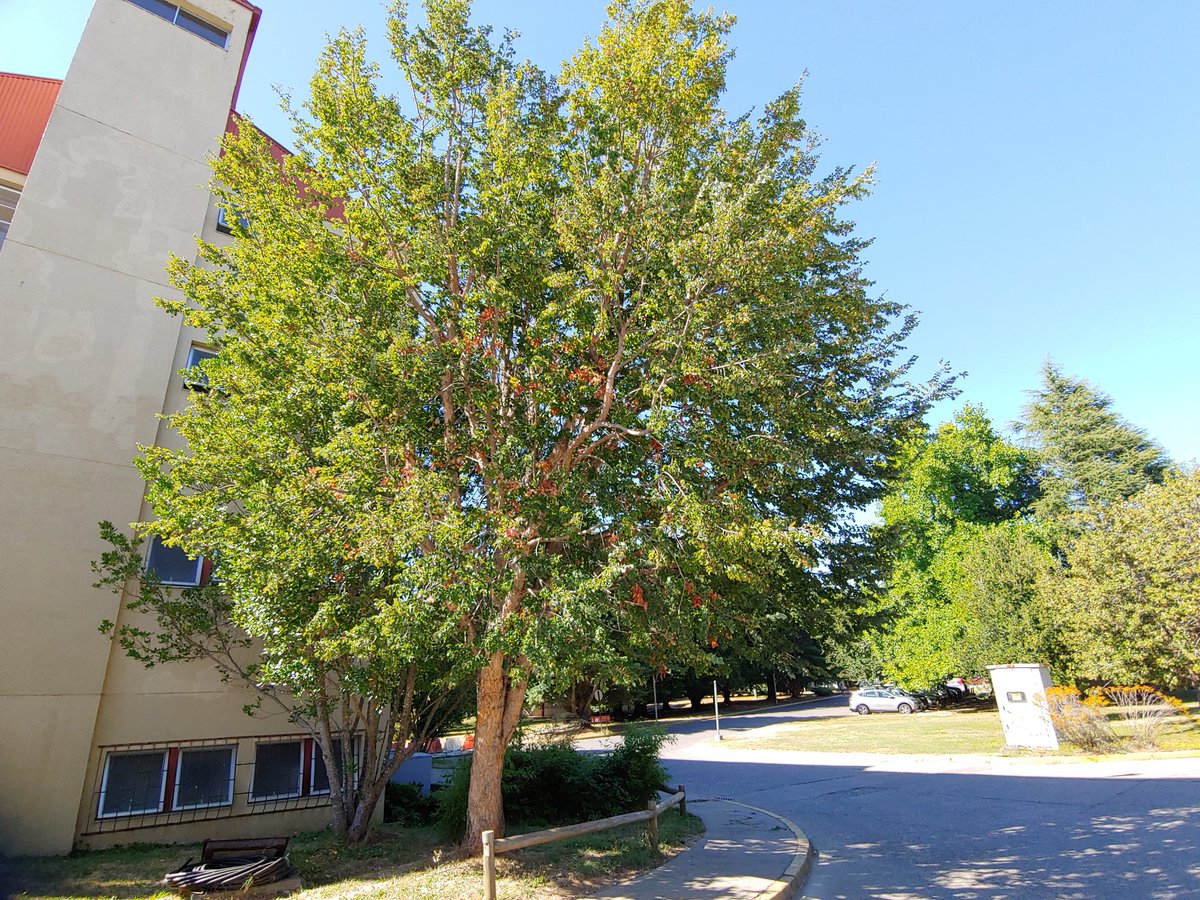
♒#Nothofagus glauca♒
"Hualo, roble maulino" #floradeChile endémica. IUCN VU.
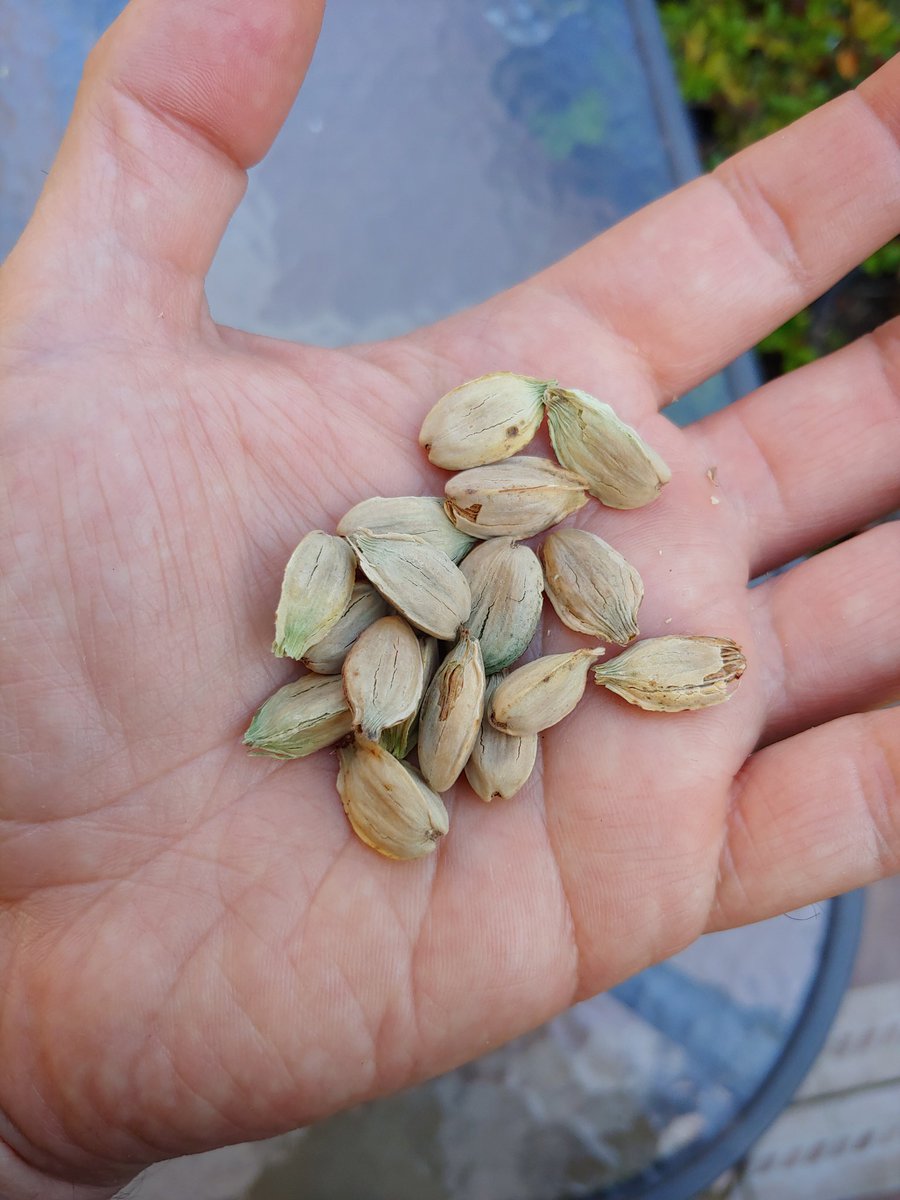
En plena dispersión de semillas (nueces aladas). Ejemplar plantado cerca de la Fac. de Cs. Forestales de la U. Austral de Chile, Valdivia.
#Nothofagaceae#chileanflora
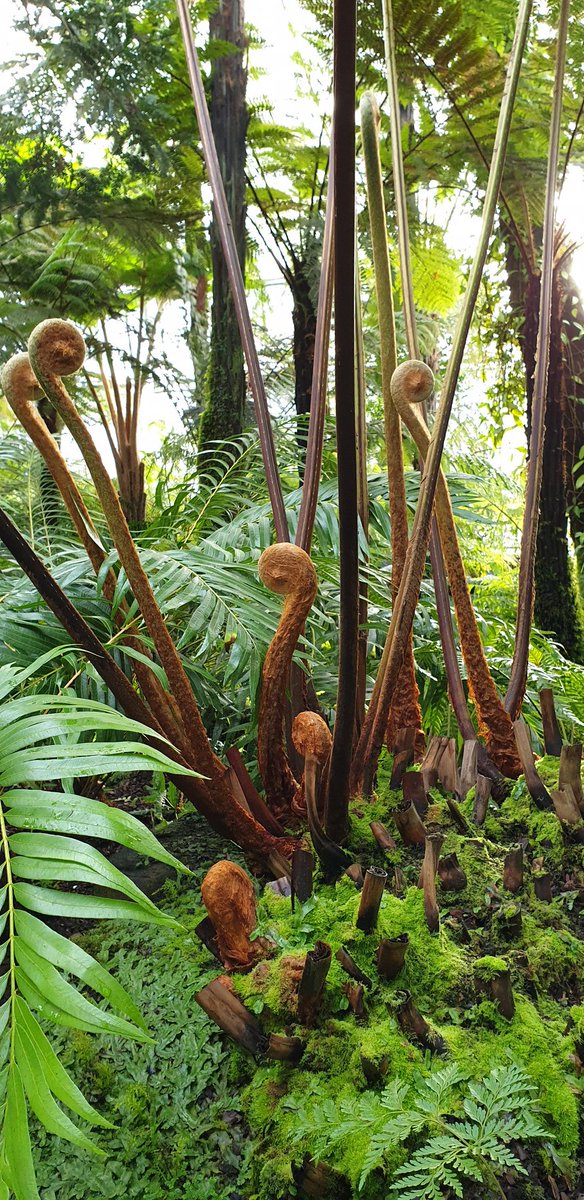
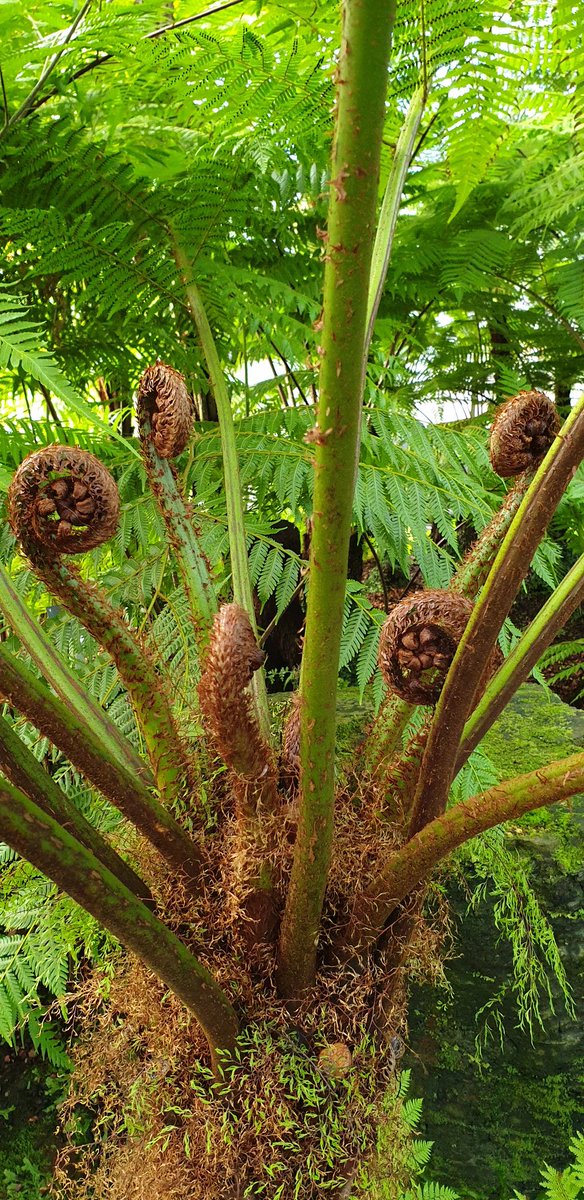
Its starting to feel like spring in the glasshouses @TheBotanics the light levels have increased and the ferns have begun to flush new growth #FernFriday#RBGEhort
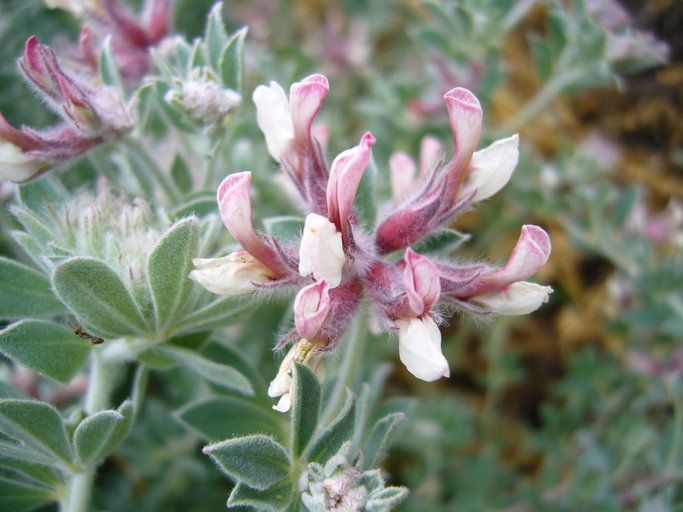
Our species of Dorycnium (all of them aliens, mostly casuals) are now subsumed within Lotus. The commonest of them is the very attractive, silver-sheened Hairy Canary-clover, Dorycnium hirsutum, which has become Lotus hirsutus. I think you’ll agree, it is still very handsome.
Its English name, Water Chickweed, rather gives the game away. It looks like a Stellaria, and now it really is one. Myosoton aquaticum has become Stellaria aquatica. In the past, the fact that the plant has 5 styles rather than 3 was enough to put it in a different genus.