As mailbox providers take additional steps to block unwanted messages from users' inboxes, one of the best things to do is Segment your users to be able to send the right message to the right user.
Here is how Segmentation works @engage_so
https://t.co/fDZD2m5KS9
As you eat and settle into bed tonight, remember the children and abducted victims facing fear and uncertainty. Keep them in your thoughts and prayers.
I have made it a duty to share this every year, until the need to share it no longer exists.
My ancestors' death will never be in vain.
Rest in Peace Heroes! 🙏 💪🏽
#BIAFRARmemorial#BiafraRememberance
You slept on your bed under a duvet because of the cold
Some toddlers slept on bare floor in the rain after a long day of torture
Yet you defend the government that rehabilitate the terrorists when they are caught?
You won’t escape God’s vengeance!
I'm no expert but pretty sure Stripe could automaticlaly prevent a customer from trying out SIX HUNDRED different cards without me having to create a rule for it
I’ve spent the past couple of weeks building Looters: a public archive of Nigerian political corruption since the 1990s.
Governors, ministers, shell companies, Swiss accounts, the Jersey trusts, — one searchable graph.
You too can connect the dots: https://t.co/faIfzWfAIp
🚨 We recently discovered that an unauthorized party obtained a token with access to the Grafana Labs GitHub environment, enabling the threat actor to download our codebase. (1/6)
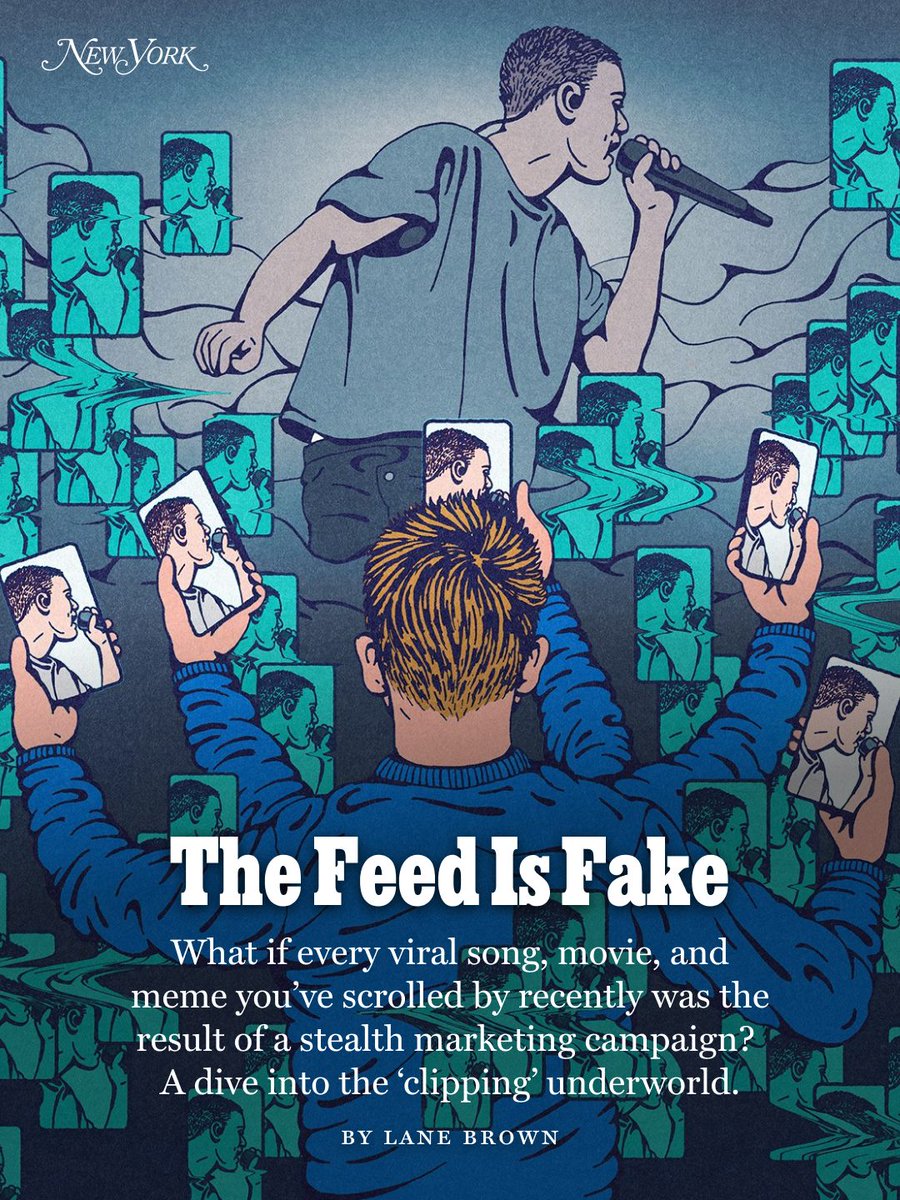
Joe Lim estimates that 90 percent of what you see on the internet is advertising in disguise, and he should know. For three years, Lim ran a company called Floodify, which at its peak operated 65,000 dummy social-media accounts used to drum up attention on behalf of paying clients.
The point of this kind of marketing is that nobody is supposed to notice it. But lately, the machinery has started to show.
In April, Justin Bieber headlined two consecutive weekends at Coachella. Coachella is the biggest stage in pop music save only for the Super Bowl, the kind of event that in theory generates its own attention. And yet on both weekends, a Discord server writer Lane Brown had been monitoring hosted paid campaigns for Bieber’s Coachella performances, offering clippers — people who are hired to turn a song, trailer, interview, stump speech, or whatever into short, social-media-friendly fragments — as much as a dollar per thousand views.
“On social media, popular opinion is being formed, measured, and manipulated all at once, and every signal the platforms produce — a trending song, a backlash, a talking point, the feeling that ‘everybody’ is suddenly talking about the same thing — can now be fabricated by unseen actors with hidden agendas,” writes Brown.
“Everybody is doing this now,” Lim says. “And if you’re not, you’re behind.”
Brown reports on how the same techniques are now being used to fool people on every app they go to in order to find out what other people think, not just in music but across entertainment, politics, consumer products, and celebrity gossip: https://t.co/hlcdfSmzPc
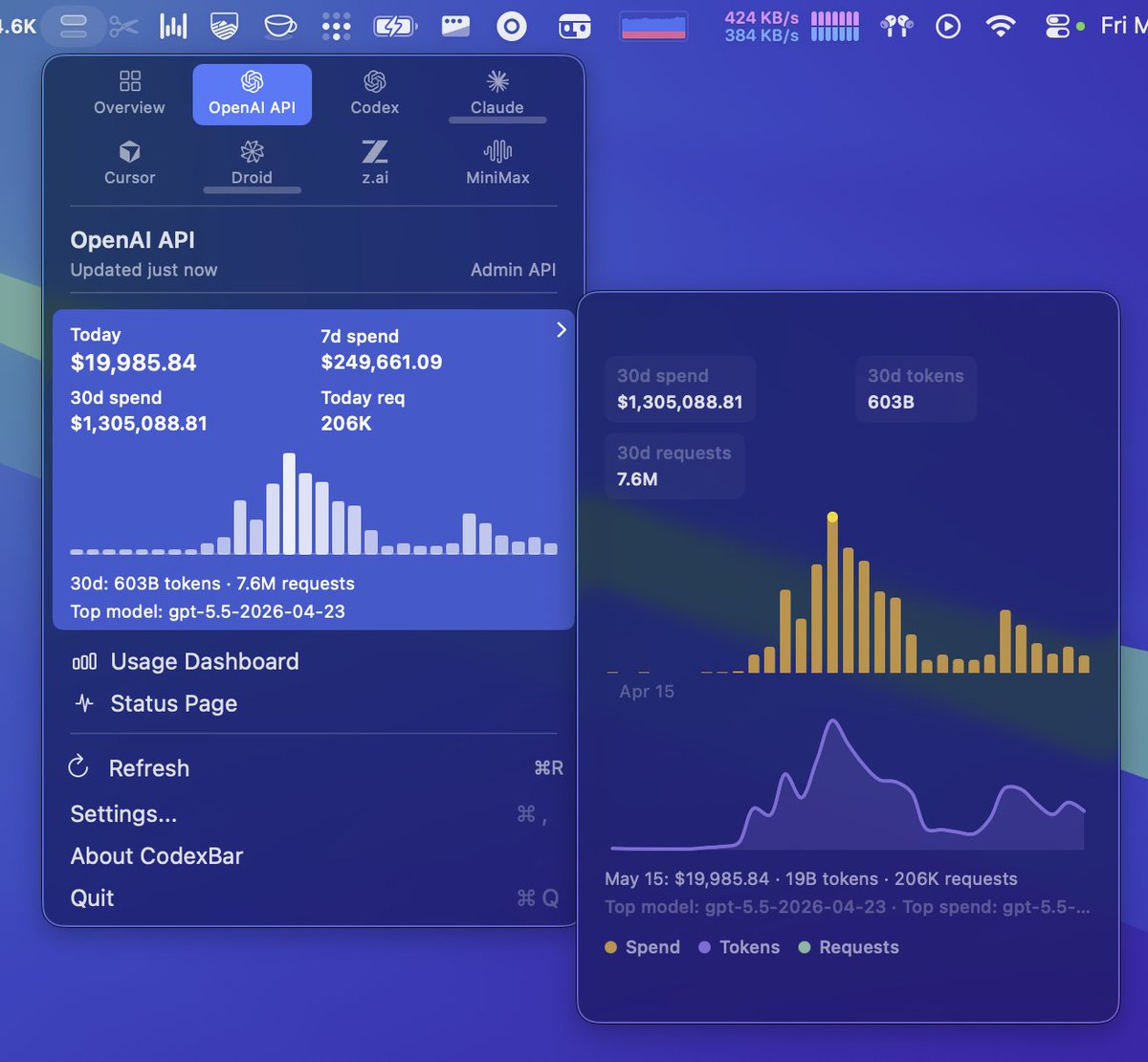
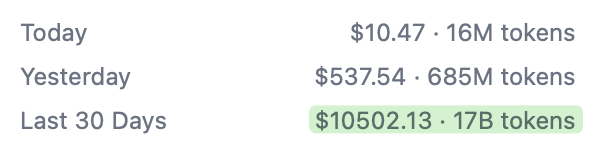
People freaking out over my AI spend. What nobody sees: Part of what excites me so much about working on OpenClaw is that I'm trying to answer the question:
How would we build software in the future if tokens don't matter?
We constant run ~100 codex in the cloud, reviewing every PR, every issue. If a fix on main lands, @clawsweeper will eventually find that 6 month old issue and close it with an exact reference.
We run codex on every commit to review for security issues (as it's far too easy to miss).
We run codex to de-duplicate issues and find clusters and send reports for the most pressing issues.
We have agents that can recreate complex setups, spin up ephemeral https://t.co/Q1NRXLemEy machines, log into e.g. Telegram, make a video and post before/after fix on the PR.
There's codex that watch new issues and - if it fits our documented vision well, automatically create a PR of it. (that then another codex reviews)
We have codex running that scans comments for spam and blocks people.
We have codex instances running that verify performance benchmarks and report regressions into Discord.
We have agents that listen on our meetings and proactively start work, e.g. create PRs when we discuss new features while we discuss them.
We build https://t.co/bmA1XnoB7P to split all our projects into functional units to review and find bugs and regresssions.
We do the same split for security with Vercel's deepsec and Codex Security to find regressions and vulnerabilities.
All that automation allows us to run this project extremely lean.