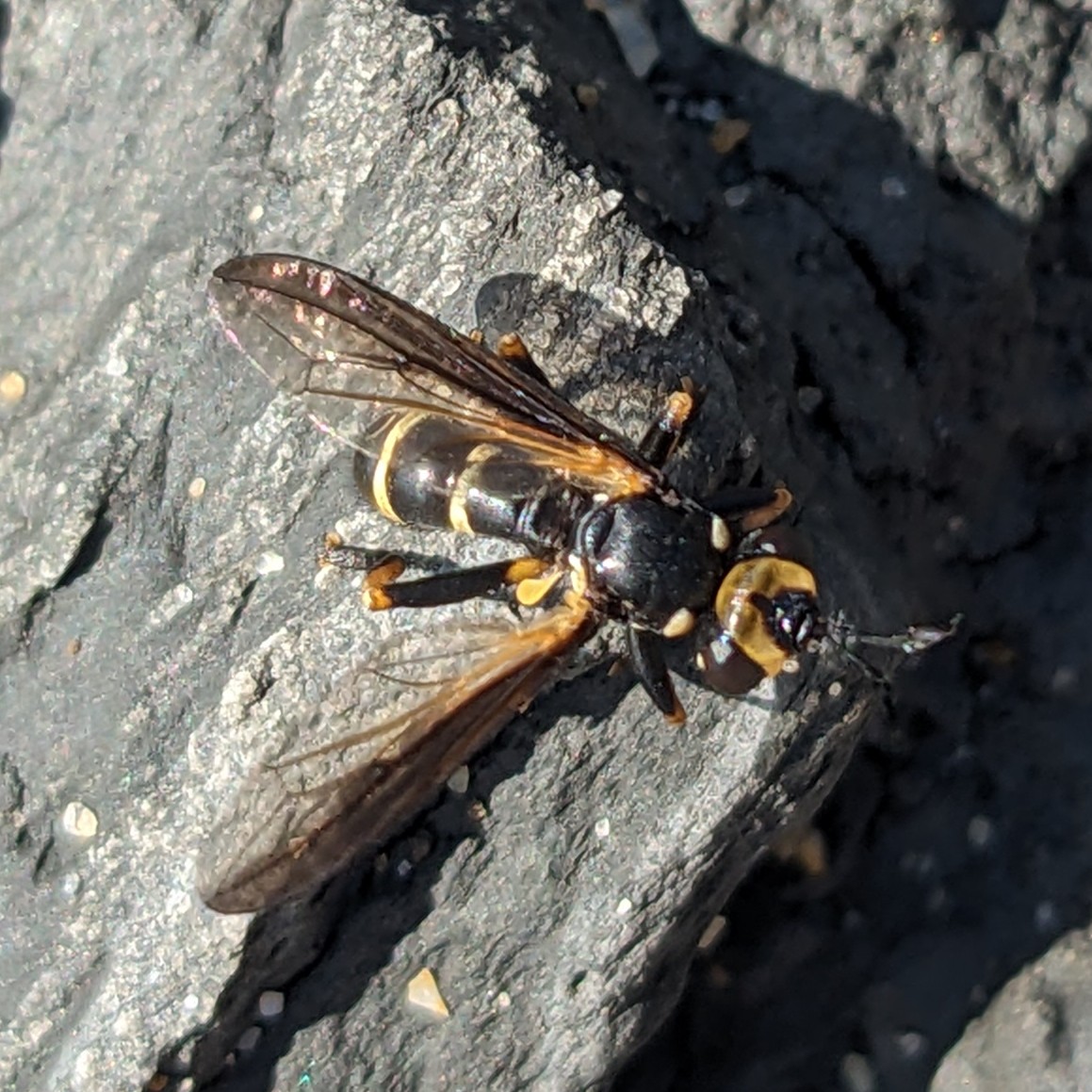
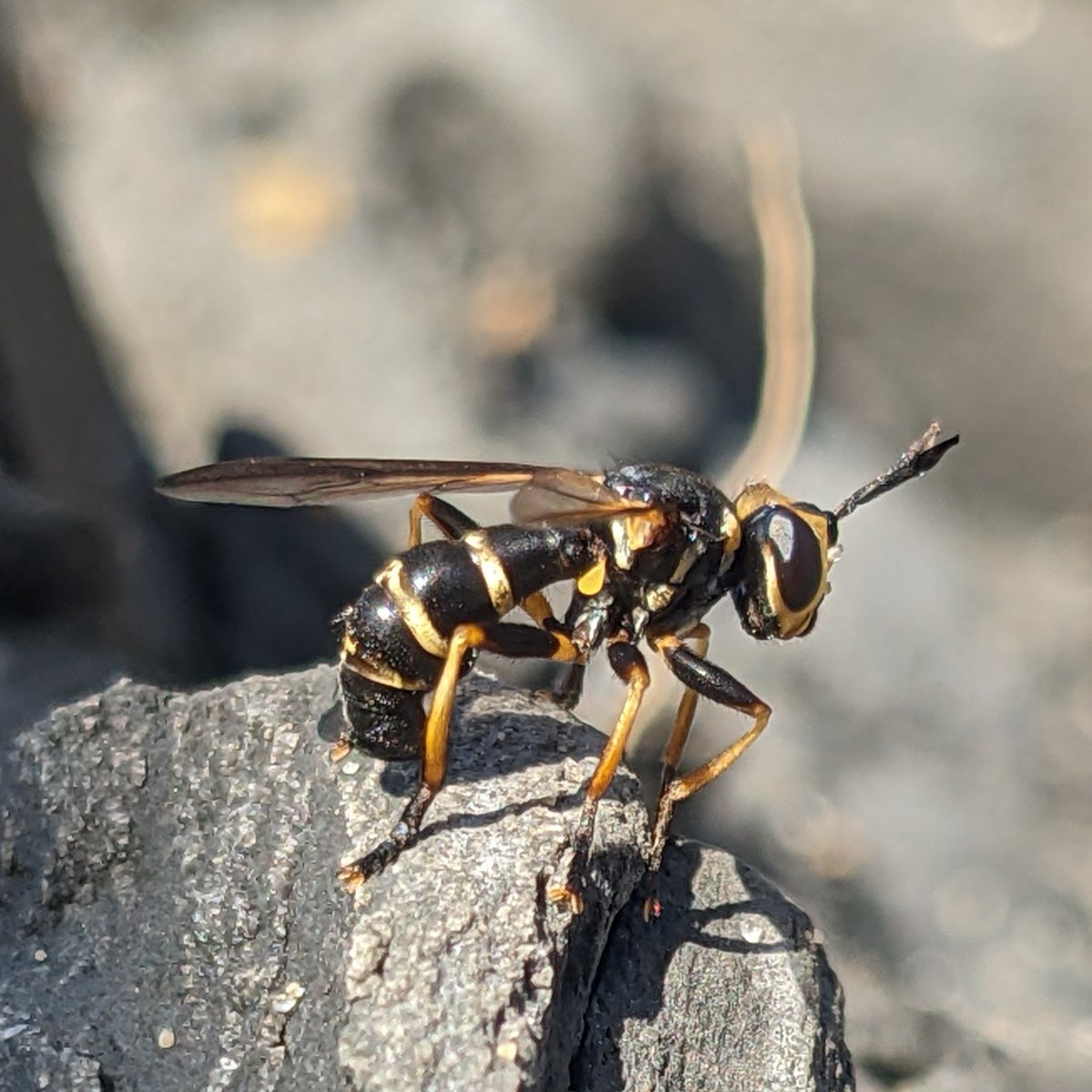
Is it possible to id this from these photos? Taken today at the base of the cliffs at Charmouth, Dorset. AI on app. suggests Leopoldius calceatus (Dark Waspgrabber), but Conops strigatus (Dark-cheeked Beegrabber) has also been suggested. @StevenFalk1 can you help?
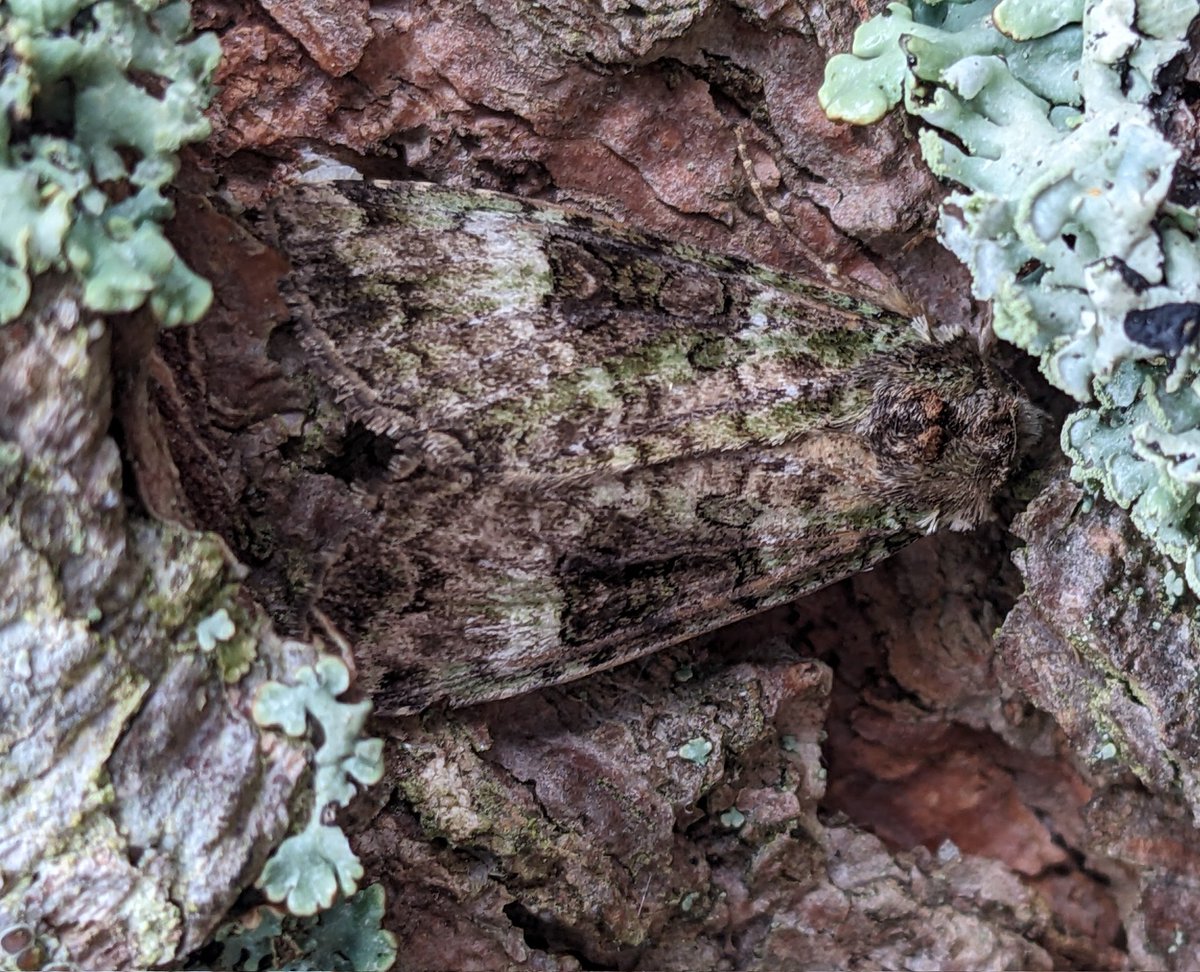
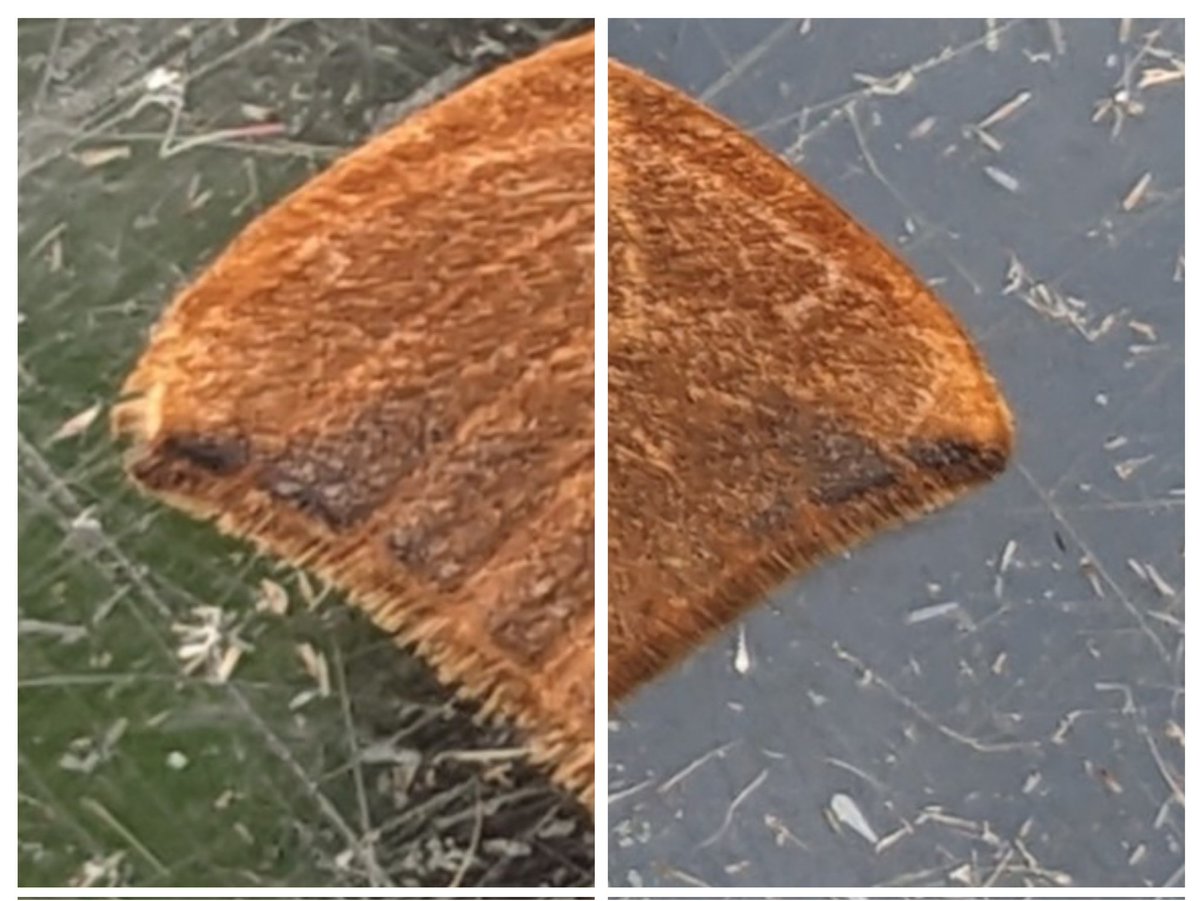
@ClevedonMoths Fascinating. @JLowenWildlife has made me aware of Spiny as a possibility here (Norwich) at some point. Had this Oak this week that seems to show separated black markings at the wing tips. Just for info.
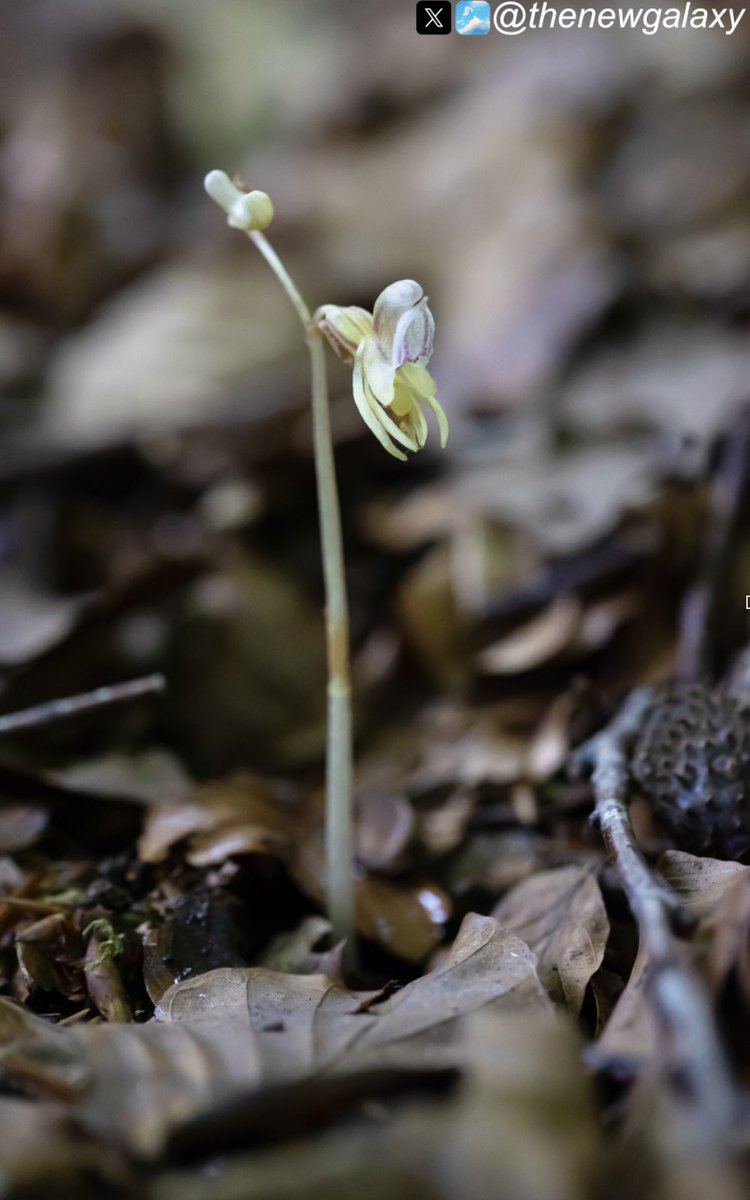
2024 UK - Get in there! The Ghost #Orchid (Epipogium aphyllum) is one of our rarest species, and one that doesn’t need an introduction. After 30 years of searching I’m beyond delighted to have chanced upon one @EuropeanOrchids@Mariposa_Nature@BSBIbotany#wildflowerhour
This morning's surprise: Harpella forficella to light in our Shropshire garden. New to the West Mids, and not many nationally, it would seem 😲 #mothsmatter#vc40#salopobs
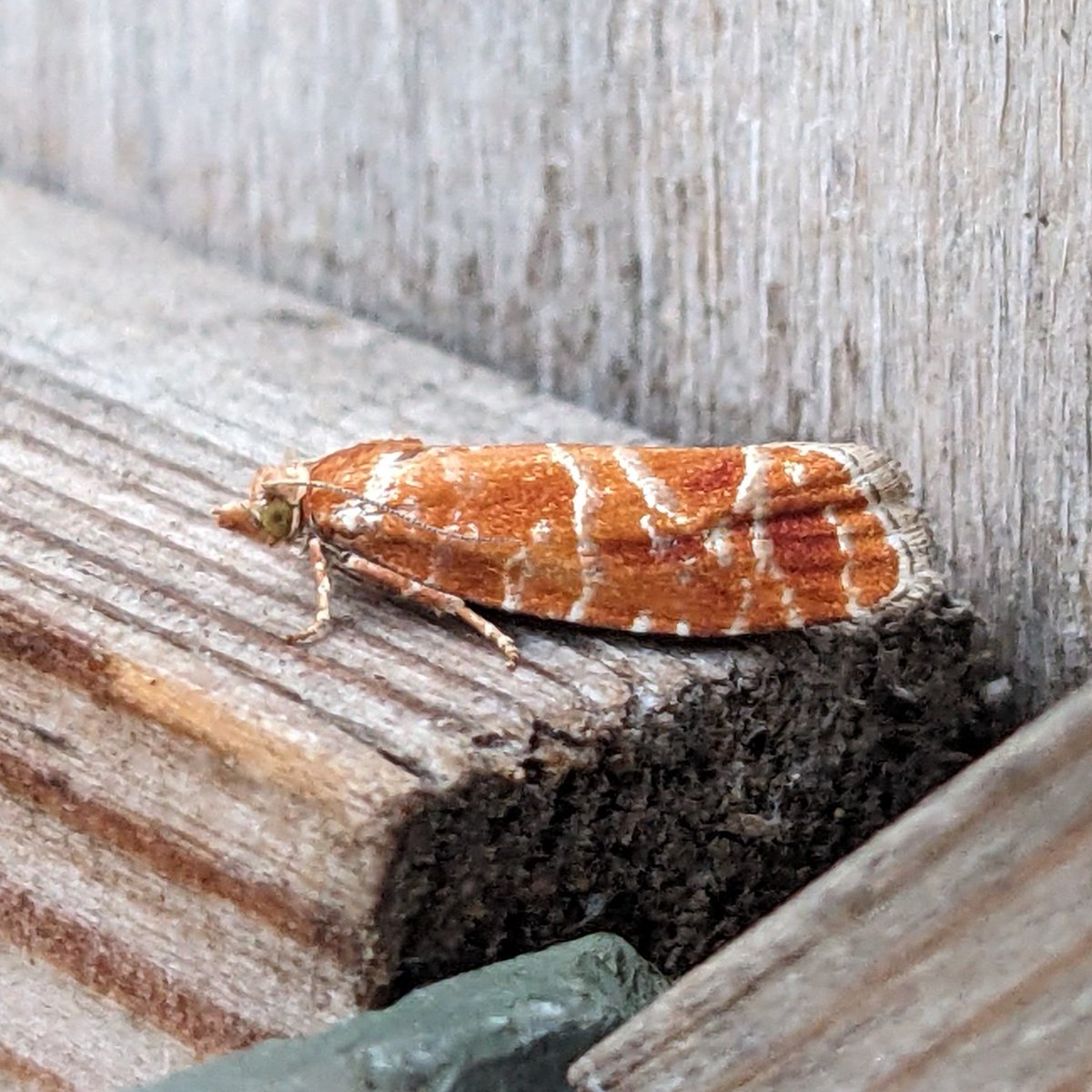
I'd be interested on opinions on this Rhyacionia (in Norwich). Extreme amounts of orange, on the larger side with a hint of posterior crest, tall & triangular(ish) orange mark before tornus. Just pinicolana or could it be buoliana? All comments welcome @MOTHIDUK@norfolkmoths
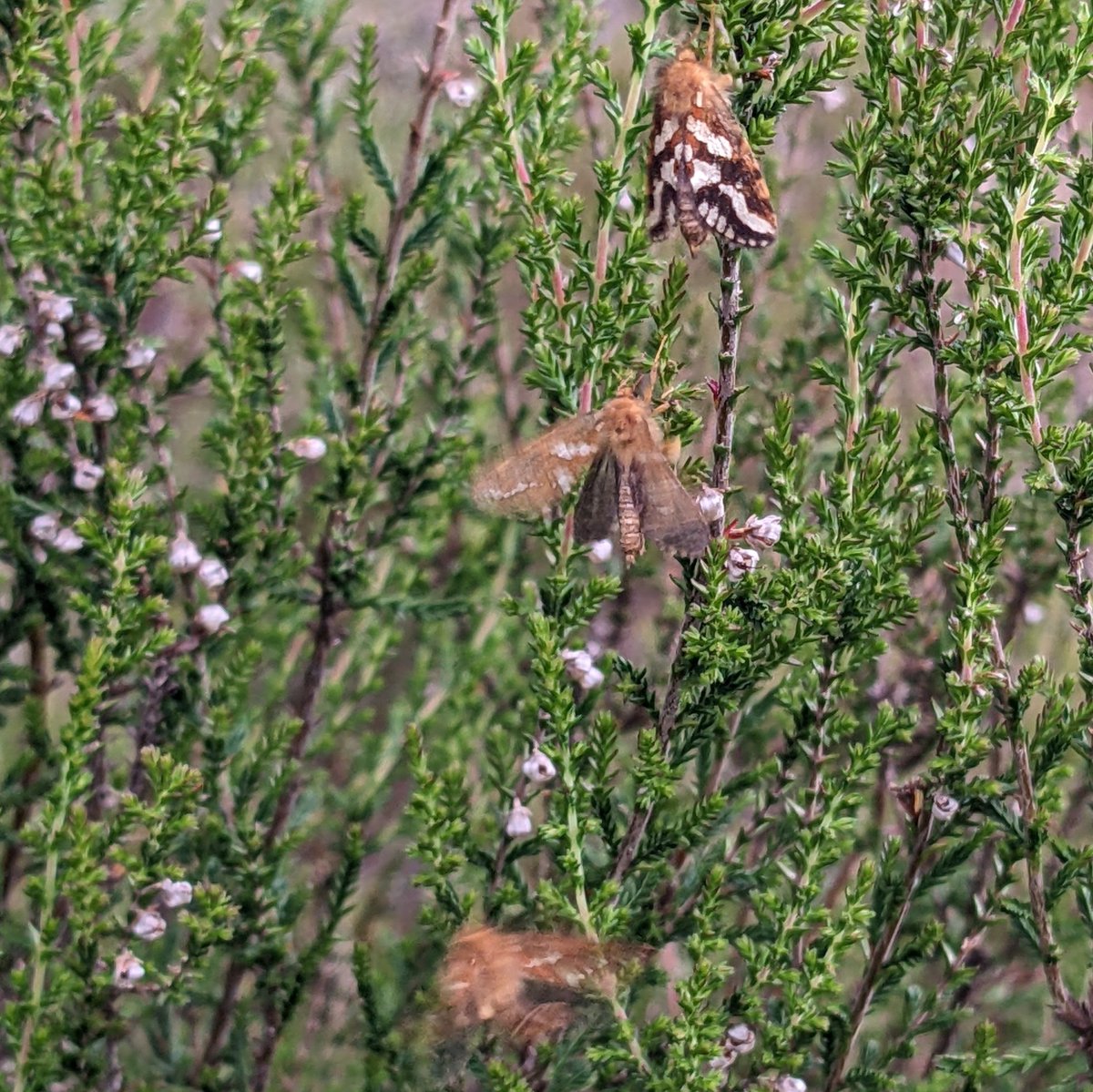
Spent a pleasant hour watching 40+ male Gold Swift lekking this afternoon on #Speyside, including this super well marked individual. Has anyone else encountered aberrant males such as this? More typical males in other pics!
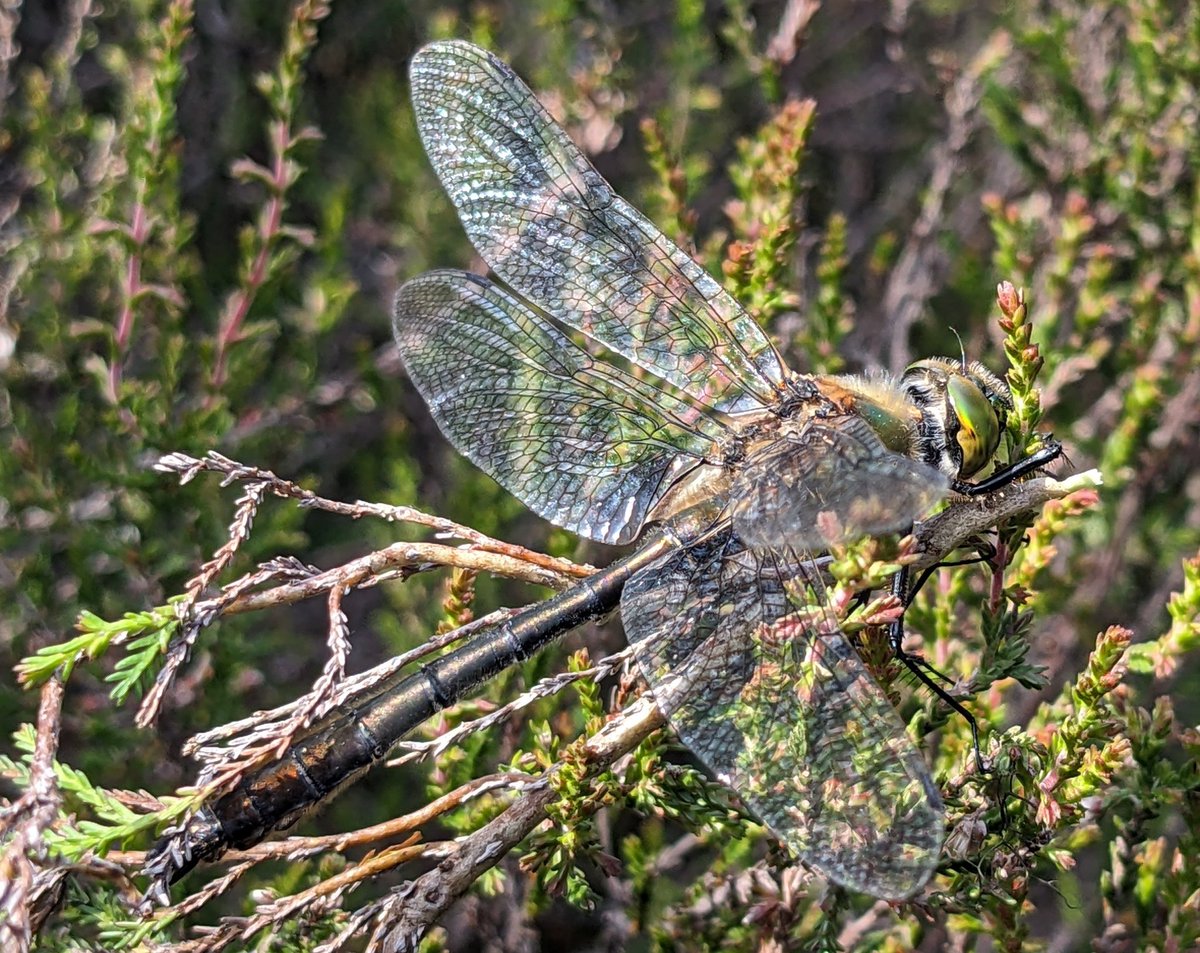
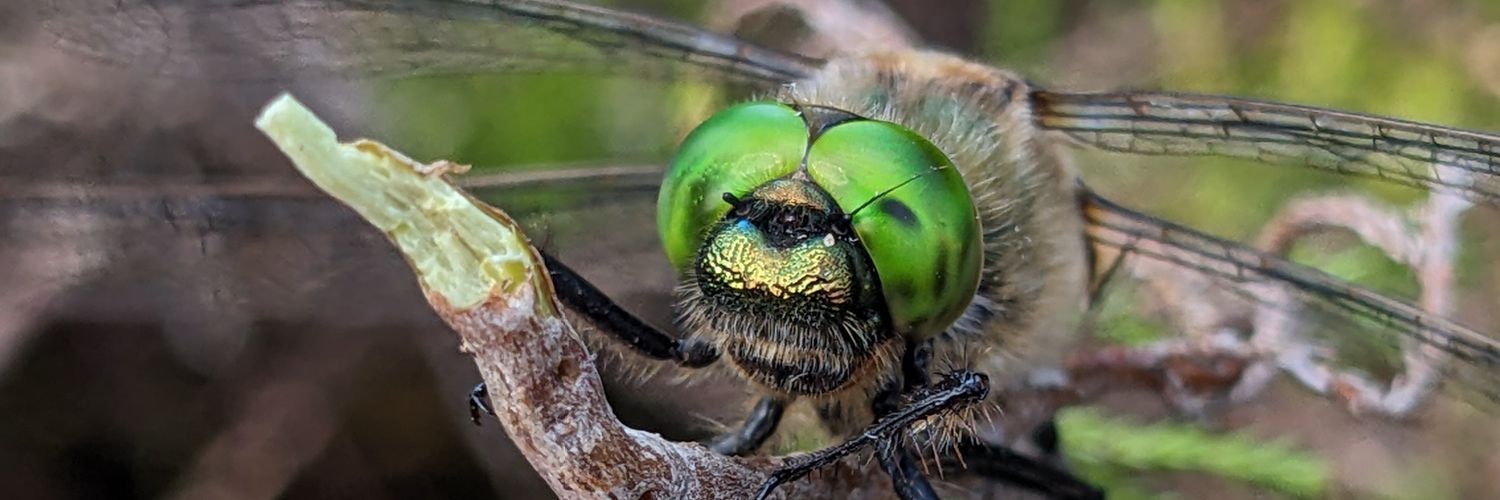
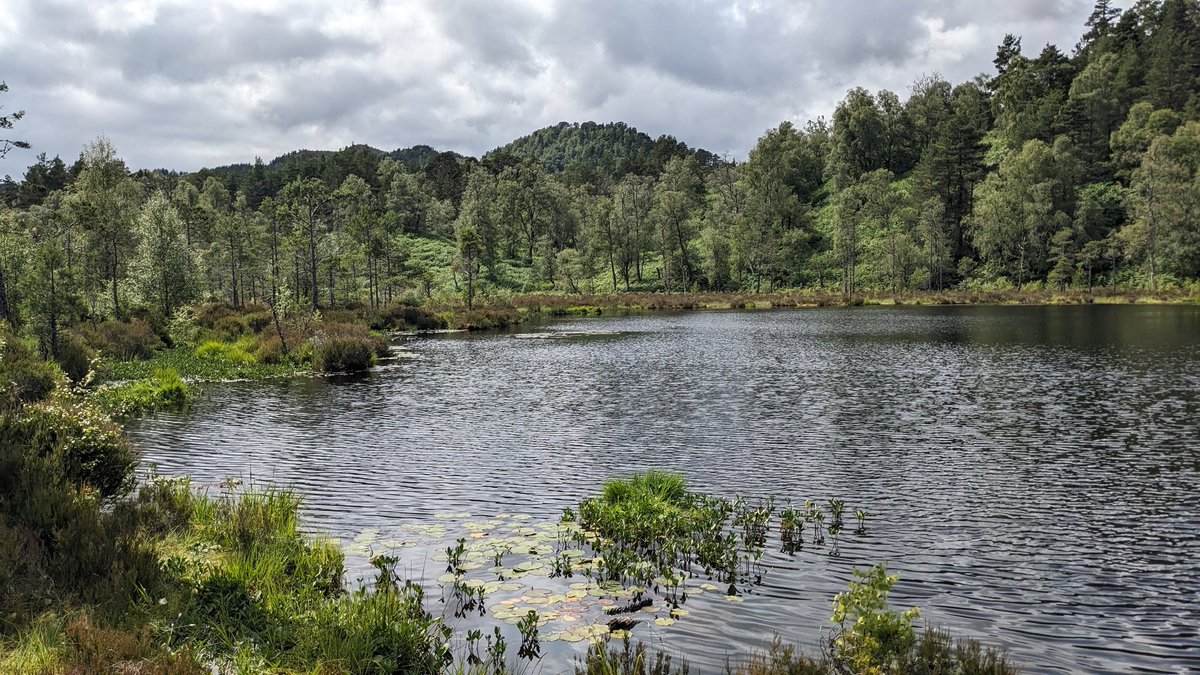
On Friday I was very pleased to finally catch up with one of the Emerald #dragonflies. In this case Downy Emerald at #GlenAffric. 6+ were seen around a small loch alongside Four-spotted Chasers. Beautiful creatures. Thanks to @macstronach for gen. #odonata#Scotland#Highland