Yes! This must be removed! The world would be fully functioning again, like it was before the federal reserve. People back then could live a full life off the constitutional rights! Everyone struggled back then, but they were happy! It was a Utopian society. Now we’ve lead to a dystopian society! Leading to oppression! The exact opposite of what you think oppression was! Don’t misunderstand, the current oppression has evolved with current technological advancements.
People are being mutilated because of medical advancements. Scammers are using AI like never before to steal and corrupt a person, then, on top of that you have a generational issue! Kids that use pronouns, making sounds they hear from YouTube, they’re not exploring; not shown truths, aborting their children at young and now even younger ages! Don’t get me going on the decrease of white populations! Both men and women have lost the path to securing future generations! Not to mention pedophiles but that’s an entirely different shit show! The current disaster!
Then you have Elon Musk in the middle of it! He’s a free thinker with an engineer background. He simply stood up for freedom of speech, located fraudsters, and then gave humanity an option to leave the planet when this hell hole falls! Do you guys know the statistics on deforestation? We will DIE before we solve any other problems! I mean damn what does a man have to do to get a little love from his community?? Ok rant over. Go plant a tree today!
@Kekius_Sage
$1,175 for a huge 3 bedroom, 2 bathroom, 2 car garage brand new duplex back from 2009-2014. Another apartment we rented for 2 years prior, 2007-2009 had 2 bedrooms, 3 bathrooms, for $975
And prior to that when I was 18, back in 2001, I paid 475 for a 2 bed, 2 bath, apartment in a pretty good area. But also- I could spend 200 bucks on groceries and that would last me 2 weeks making 3 meals a day and extra snacks!
@ThatCreoleMan There must be those willing to work the jobs in hospitality and trades. Without those people, nothing we have would be made. Especially those in manufactured on the lines and drivers for transport.
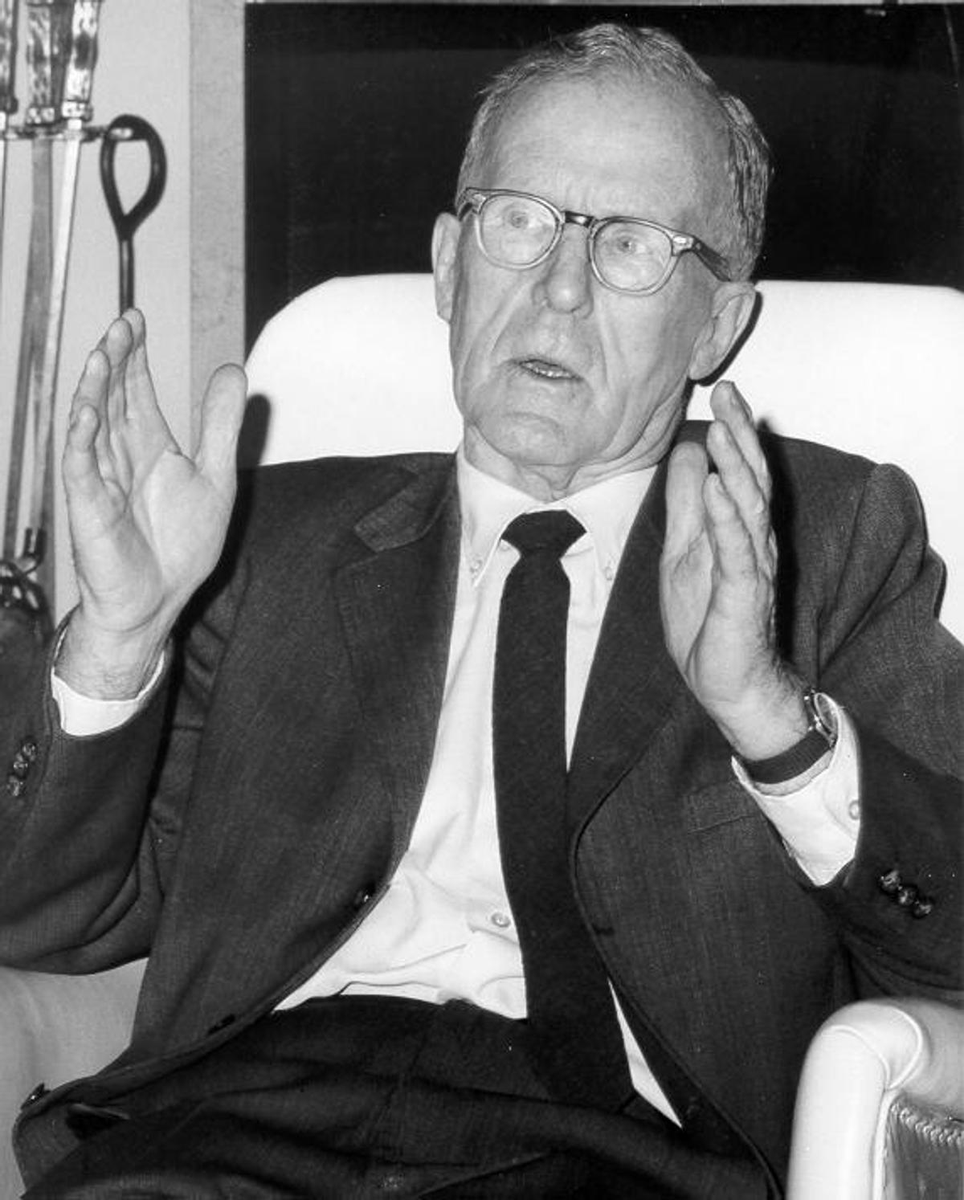
In 1950s, this man accidentally found a law that controls reality.
He put people in isolation chambers until they hallucinated.
The experts called it pseudoscience.
But, his discovery now powers therapy, education, and AI.
What he found will make you question consciousness:🧵
People with ADHD will stall for
90 days straight… then
randomly enter god mode and
finish everything in 24 hours.
You either know this life or
you don’t.
😂
Elon Musk keeping it 100:
"How could AI go wrong? Well if the extinctionists program it, its only goal becomes straight-up ending humanity."
This is why we can't let the wrong hands touch the code 😬
In 2018 researchers from Helsinki lived with the Kaluli tribe of Papua New Guinea to study survival and growth.
What they accidentally found about their bedtime routine changed everything we know about depresion:
The Kaluli have roughly 2,000 members living in longhouses in the rainforests around Mount Bosavi.
Anthropologist Edward Schieffelin spent years with them, documenting thousands of individuals across multiple generations. Across that entire data set, he could identify only one person who might have met criteria for major depressive disorder. One. In a population where every adult had experienced loss, hunger, conflict, grief, and the full catastrophic weight of being human in an unforgiving jungle.
The Western response to that statistic is always the same: they must eat differently, or move more, or have better genes. And yes, the Kaluli get more sunlight, more omega-3 from fish, more physical activity, and more dense social connection than the average person reading this on a screen. All of those matter. But none of them explain the bedtime ritual, because the bedtime ritual attacks something the others don't touch.
It targets emotional residue — the unprocessed experiences your nervous system is still holding when the lights go off.
Every evening, Kaluli children sit around the fire and verbalize the things that frightened or hurt them during the day. Falls. Nightmares. Losses. The adults don't interrupt. They don't comfort, redirect, or minimize. They sit in silence until the child's breathing slows and the story is complete.
Now compare that to what most modern households do.
"Don't think about scary things before bed."
"You're fine."
"There's nothing to worry about."
"Let's think happy thoughts."
The intention is kindness. The neurological effect is sabotage.
Dr. Matthew Lieberman's lab at UCLA has been studying what happens in the brain when someone puts a feeling into words — a process called "affect labeling." Under fMRI, when a person sees an image that triggers fear or anger, their amygdala lights up. The amygdala is the brain's alarm system. It doesn't distinguish between a real threat and an unprocessed memory. It just fires. And when it fires, it triggers a cascade — cortisol, adrenaline, increased heart rate, shallow breathing — designed to prepare you for danger.
When that same person is asked to name what they're feeling — even one word, even silently — the right ventrolateral prefrontal cortex activates. And as it activates, amygdala activity drops. The pathway runs from the RVLPFC through the medial prefrontal cortex and down into the amygdala, effectively dimming the alarm. The emotion doesn't vanish. But it loses its electrical grip on the body. The nervous system recognizes that the threat has been processed — converted from raw sensation into symbolic language — and begins to stand down.
The Kaluli have been doing this every night for centuries without knowing a single one of those words.
And the timing matters more than most people realize. During sleep, particularly during REM, the brain replays the day's emotional experiences and attempts to integrate them. The prefrontal cortex goes largely offline during REM. The amygdala does not. So if you carry unprocessed fear into sleep, you're handing that material to the one part of your brain that cannot contextualize it, while the part that could contextualize it is shut down. The result is fragmented processing, disturbed sleep architecture, and a nervous system that wakes up the next morning still carrying yesterday's unresolved charge.
Do that for a week and you're tired.
Do it for a year and you're anxious.
Do it for a decade and a clinician hands you a diagnosis.
The Kaluli clear the queue before sleep. Every night. The fears get verbalized, witnessed by the group, and neurologically downregulated before the child ever closes their eyes. The amygdala enters REM without a backlog. Sleep does what sleep was designed to do — consolidate, repair, integrate — instead of fighting fires all night.
Western psychology arrived at the same conclusion through a completely different door. James Pennebaker's expressive writing research showed that people who wrote about traumatic experiences for just 15-20 minutes before bed showed measurable drops in stress hormones and improvements in immune function. Cognitive behavioral therapy for insomnia — the gold-standard treatment — includes a component called "constructive worry time" where patients are instructed to write down their concerns before getting into bed, specifically to prevent the brain from attempting to process them during the sleep window.
We built clinical protocols and funded decades of research to rediscover what a tribe in Papua New Guinea embedded into their children's nightly routine as a default.
The real lesson has nothing to do with the Kaluli specifically. It has to do with the relationship between language, emotion, and the timing of neural processing. Your brain cannot let go of what it hasn't converted into a story. Unnamed fear is a loop. Named fear is a file — something the brain can store, reference, and eventually archive. The act of speaking it, writing it, or even silently labeling it is the conversion step. Without that step, the nervous system treats every unprocessed emotion as an open threat, and sleep becomes a battlefield instead of a repair shop.
You were probably told that thinking about bad things before bed would give you nightmares.
The opposite is true.