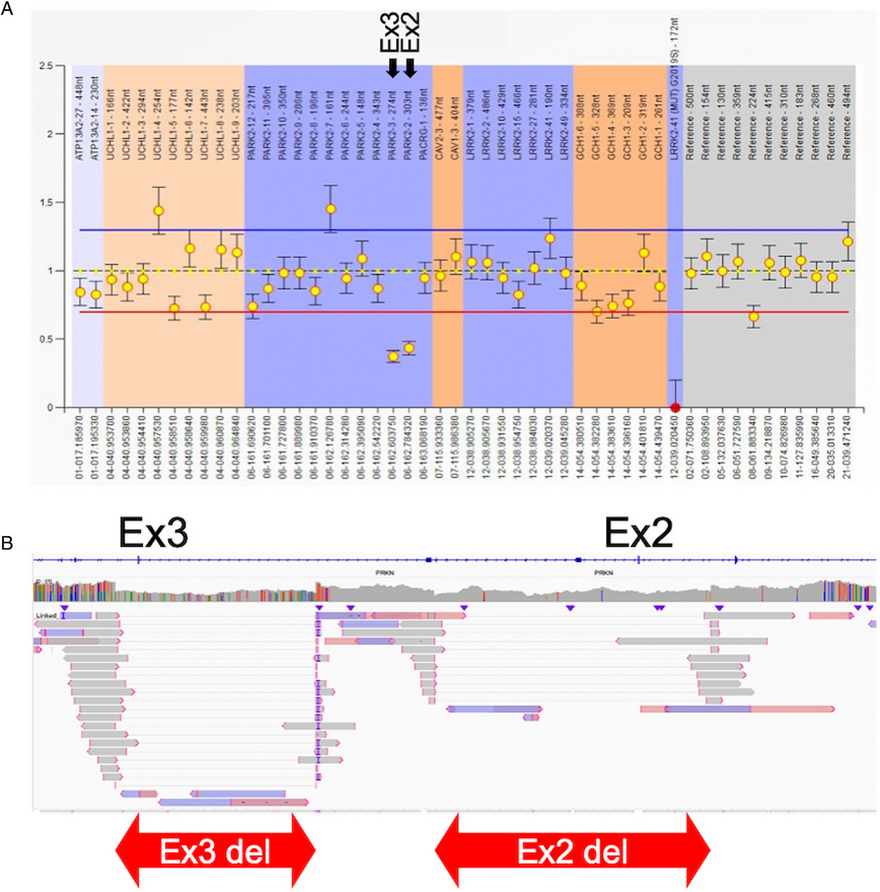
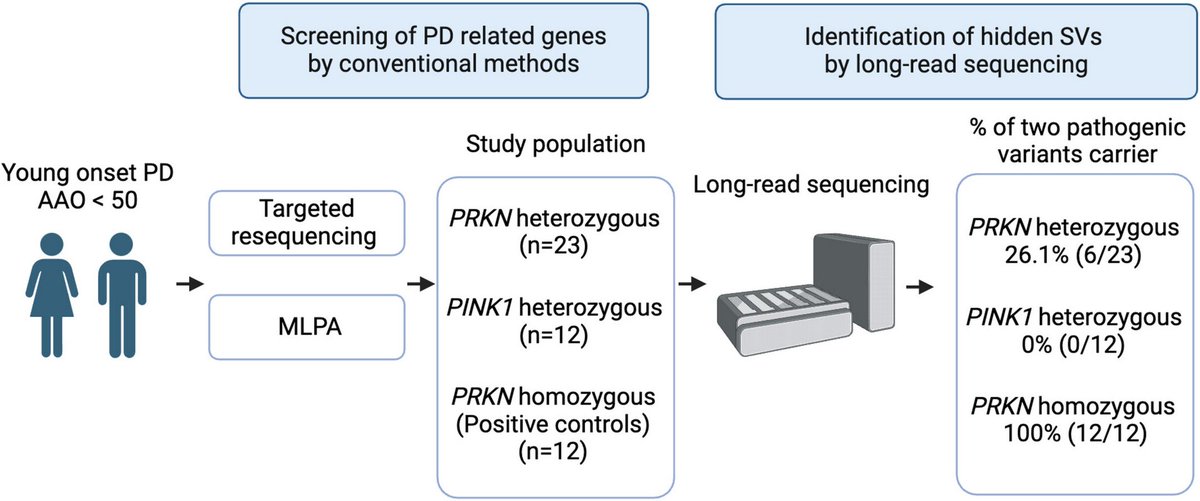
Researchers using @nanopore long-read sequencing effectively identify pathogenic structural variants in the PRKN locus that were missed by conventional methods; They propose that it should be considered for unresolved early onset #Parkinsons cases
https://t.co/VWwi7nfBy9
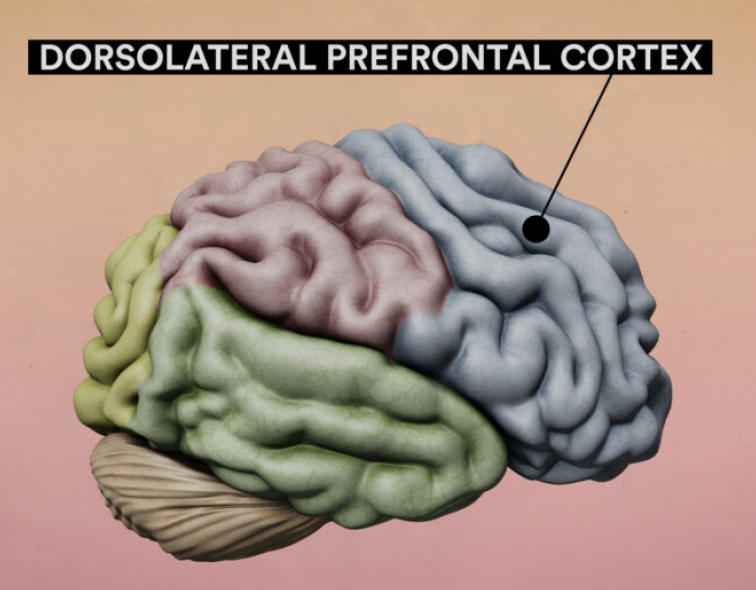
Would you donate 1 cubic centimeter of tissue on each side of your brain 'for research' while undergoing deep brain stimulation? Katherine Eban has published a new comprehensive investigative report in @statnews which details the emerging controversy about the "Living Brain Project at Mount Sinai in NY.
Key Points:
Katherine Eban in July 2022, filed suit with the National Institutes of Health, the Food and Drug Administration, and the Department of Health and Human Services to 'obtain records related to Mount Sinai’s Living Brain Project.'
- She offers a comprehensive look at federal oversight, funding, and regulation.
- There is ongoing litigation.
- She includes interviews with persons affected.
My take: Perhaps we should start with, 'how big' is this tissue donation? The description provided in the story states 'a cubic centimeter is about the size of a small bouillon cube.' For those of you, like me, at a loss for understanding this description, a bouillon cube is a 'dehydrated broth or stock which can be shaped into a small cube.' In brain space that seems large to me. There have been groups who collect cells from recording electrodes, infected leads or broken devices, and that certainly is a safer, albeit lower yield approach to studying the cells contained in the 'living brain.' Ethics research by @GLMbioethics, Giordano, Kubu and other academics should remind us that that when people receive DBS and other neurosurgical procedures they are a potentially vulnerable population. The person executing the consent process for an 'add on research project' should always address the challenge that the 'urgency for treatment frequently translates into an informed consent process where those seeking surgery are desperate and may agree to anything.' All four people interviewed by STAT shared 'that at the point they consented, they were so desperate for effective treatment they would have agreed to almost anything.' This story and project should set off the alarm bells for how we can improve our processes to both protect people with diseases and also provide data for research. Personally, I would not consent to allowing a bouillon sized cube to be removed from each side of my brain for research purposes. Of course I have an advantage as I have some advanced knowledge in this arena. Where do you stand? It's time for dialogue folks.
https://t.co/uV2rpukoHT #Parkinsons #depression #deepbrainstimulation @DBSThinkTank
Preprint out now! Excited to announce that our manuscript titled
"African ancestry neurodegeneration risk variant disrupts an intronic branchpoint in GBA1" can now be found here https://t.co/W0t0Vyznpu .