The #Food & #Agriculture Regulatory Bill, 2026 is probably the most consequential law that will impact food, agriculture, feed, veterinary practice, agriculture equipment, chemicals,etc
Sector players & the public should take interest. @OrtusAdvocates has prepared a gap analysis
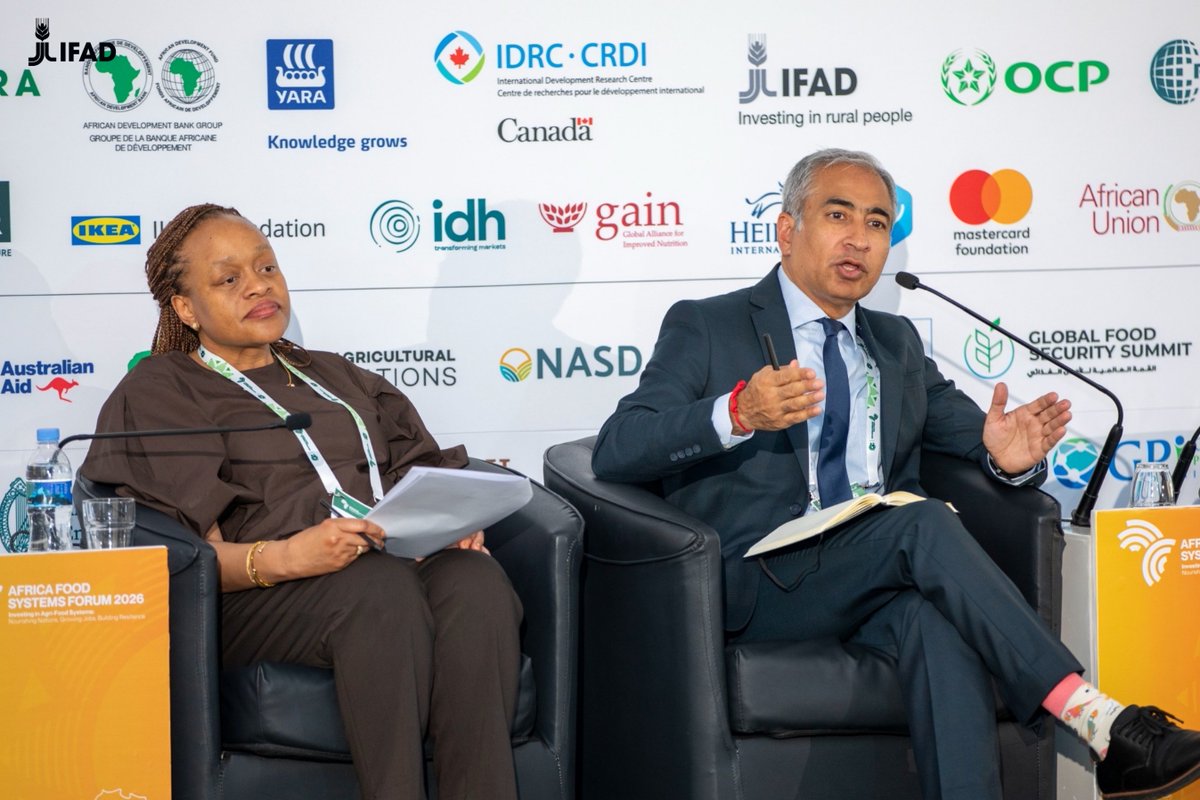
At #AFSForum2026, IFAD and the @WorldBankGroup co-hosted the AgriConnect: The Road to 300 Million event. Launched in October 2025, #AgriConnect aims to connect 300 million family and smallholder farmers globally to markets, finance and agricultural services by 2030.
One year on, Africa is already playing a leading role. Half of the first 10 AgriConnect country compacts were launched in Africa, and IFAD and the World Bank Group have together reached at least 10 million farmers through targeted investments.
In Kigali this week, partners looked at what is working, what we are learning and what needs to happen next. Reaching 300 million farmers will require better connected investments, fewer barriers for farmers and rural businesses, and more practical ways for the private sector to participate. It also means designing investments with scale in mind from the start.
AgriConnect is focusing on six areas where there is strong potential to scale up results, including AgTech, innovative finance, farmer cooperatives, infrastructure, policy reform, and skills, extension and research.
The next phase will be about turning ambition into coordinated delivery and bringing more partners to the table, including investors, MDBs and other institutions ready to commit resources.
Read more at https://t.co/uCgbjvLuo4
#FinancingTheFirstMile | #IFAD14 | @TheAGRF
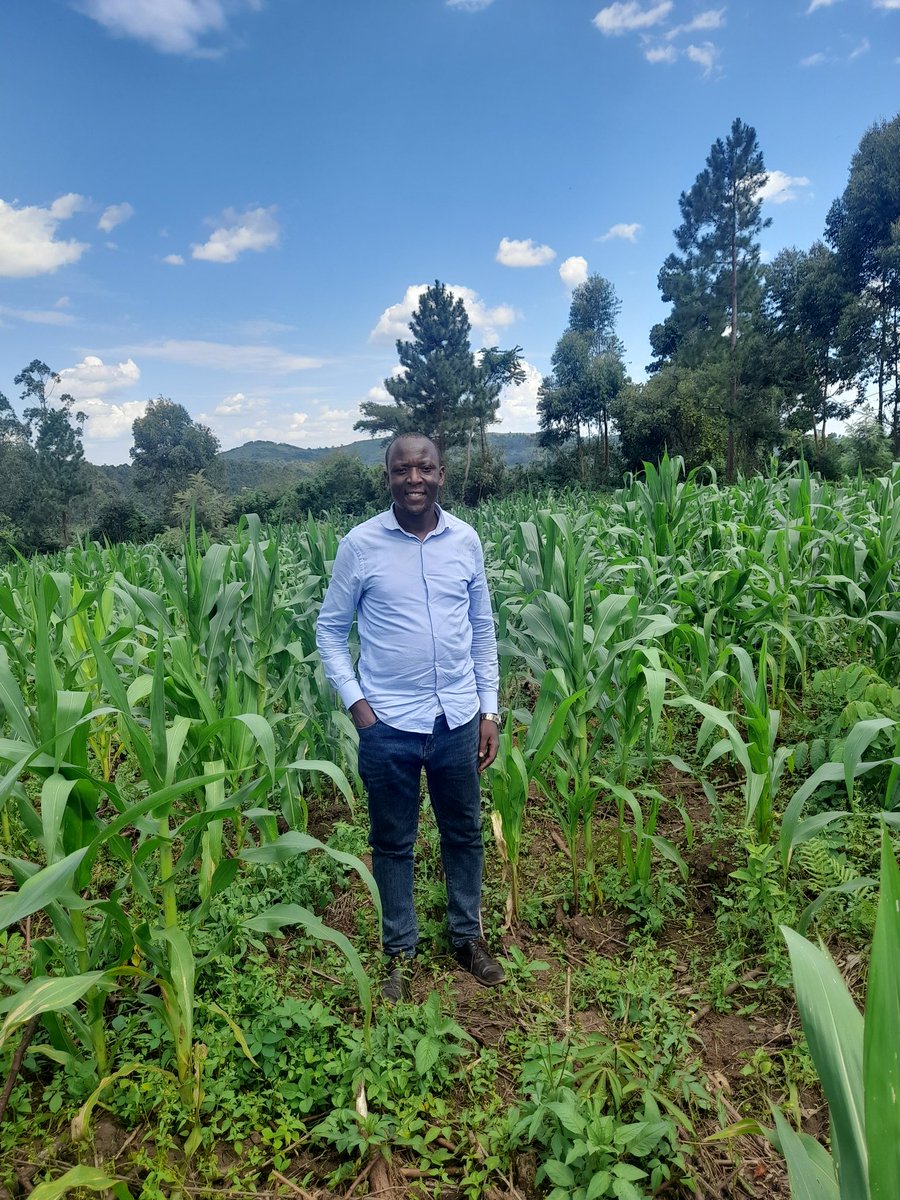
Assured of a good #maize harvest in July. Exploring some opportunities in #piggery with our own feed.
I am a big fan of #rural value chains. Harnessing them is the only way we can practically demonstrate to our communities that they can use soil to uplift their #economy 🌽 🐖 🐔
Today: NARO paid a strategic visit to @MandelaMillers Limited to engage with the agro-processing industry and identify research-driven solutions along the grain value chain.
Mandela Millers processes maize (locally produced) and wheat (largely imported). The engagement focused on understanding key bottlenecks affecting grain quality and processing.
A major gap identified: some high-yielding varieties preferred by farmers do not meet critical quality parameters required by processors, leading to high rejection rates.
Moving forward:
NARO will profile agro-industry quality requirements and integrate them into breeding programs ensuring seed varieties meet both farmer productivity and industry standards.
Strengthening research–industry linkages will improve raw material quality, reduce reliance on imported additives, and support Uganda’s agro-industrialisation agenda.