The repentance of what ?
To be come a Ultra-Traditionalist ?
And encourage their erroneous path ?, and continue their ways in the Orthodox Church ?.
If this is what it meant, than they should just become True Orthodox and continue their schismatic paths, instead of given the Orthodox Church a bad name.
@sinnerandrew@OrthodoxEthos That is not what I’m mean by joy, joy is that they saw a schism is happening, and use this opportunity to encourage them to continue their path in the Orthodox Church, by using suppose historical issue as an advice, they are given the Orthodox Church a bad name.
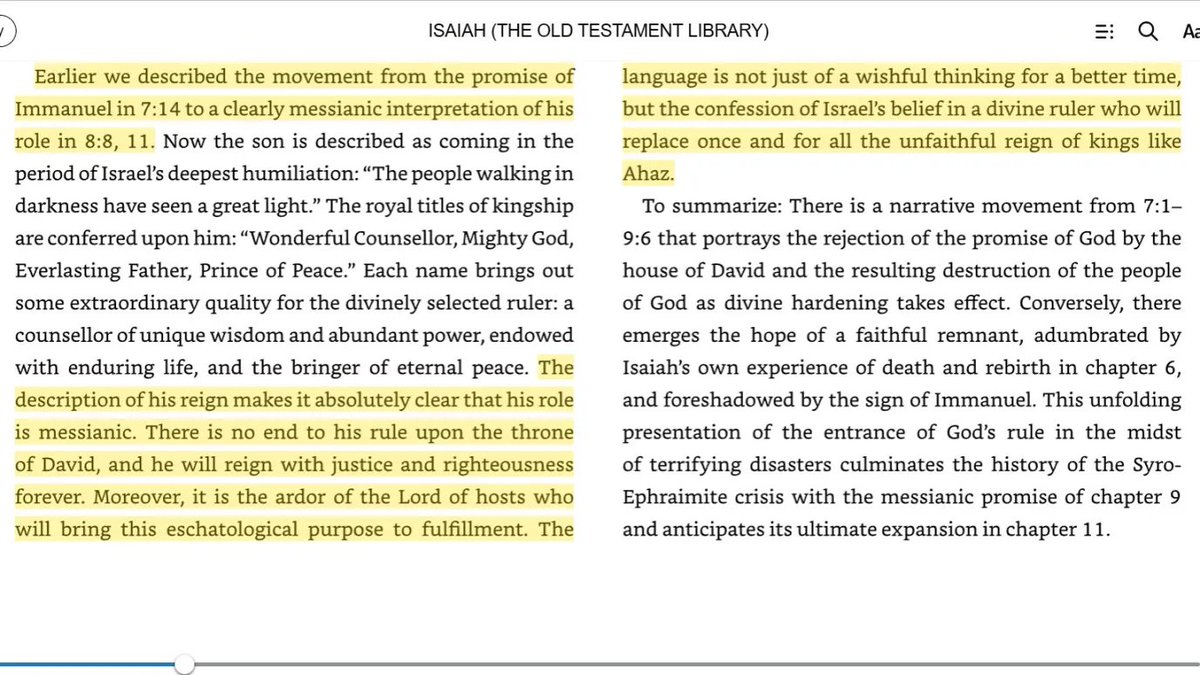
Brevard S. Childs on Immanuel evolving into a messianic figure throughout the literary movement of Isaiah 7-9. According to Childs, the description of the child in Isaiah 9 "makes it absolutely clear" that the child is a "messianic" and "divine ruler."
I finished my article on why the Council of Chalcedon CLEARLY accepted the Latin doctrine of Original Sin, including the distinctive inherited guilt and calling it a "stain of sin"
EOs should be interested, because it FULLY DISPROVES the modern Pelagians
https://t.co/cJQV1X5OWH
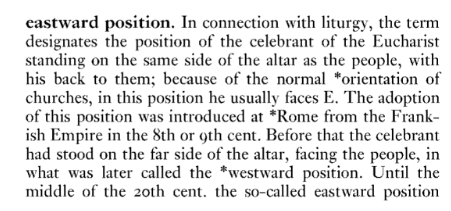
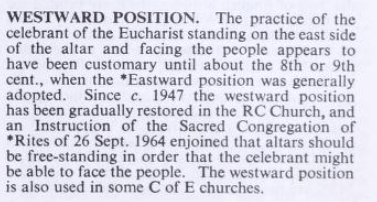
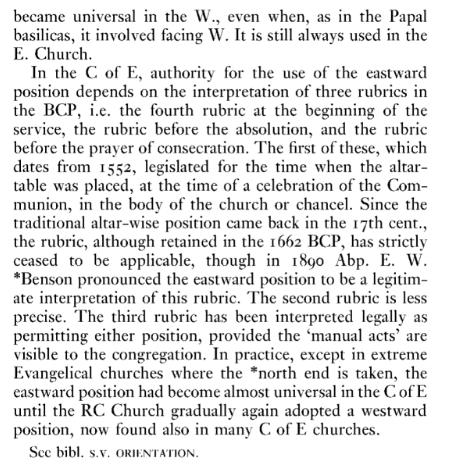
@Soulful76_Leaf No, not just in St. Peter but most churches in Rome, that were build before the 8th and 9th, the westward position were the norm, the eastward position was adopted in Rome from the Frankish Empire in the 8th or 9th century.
The Oxford Dictionary of the Christian Church.
@Soulful76_Leaf "ad populum is abusive", Um since the Old St. Peter's Basilica the mass in there has always been celebrated ad populum.
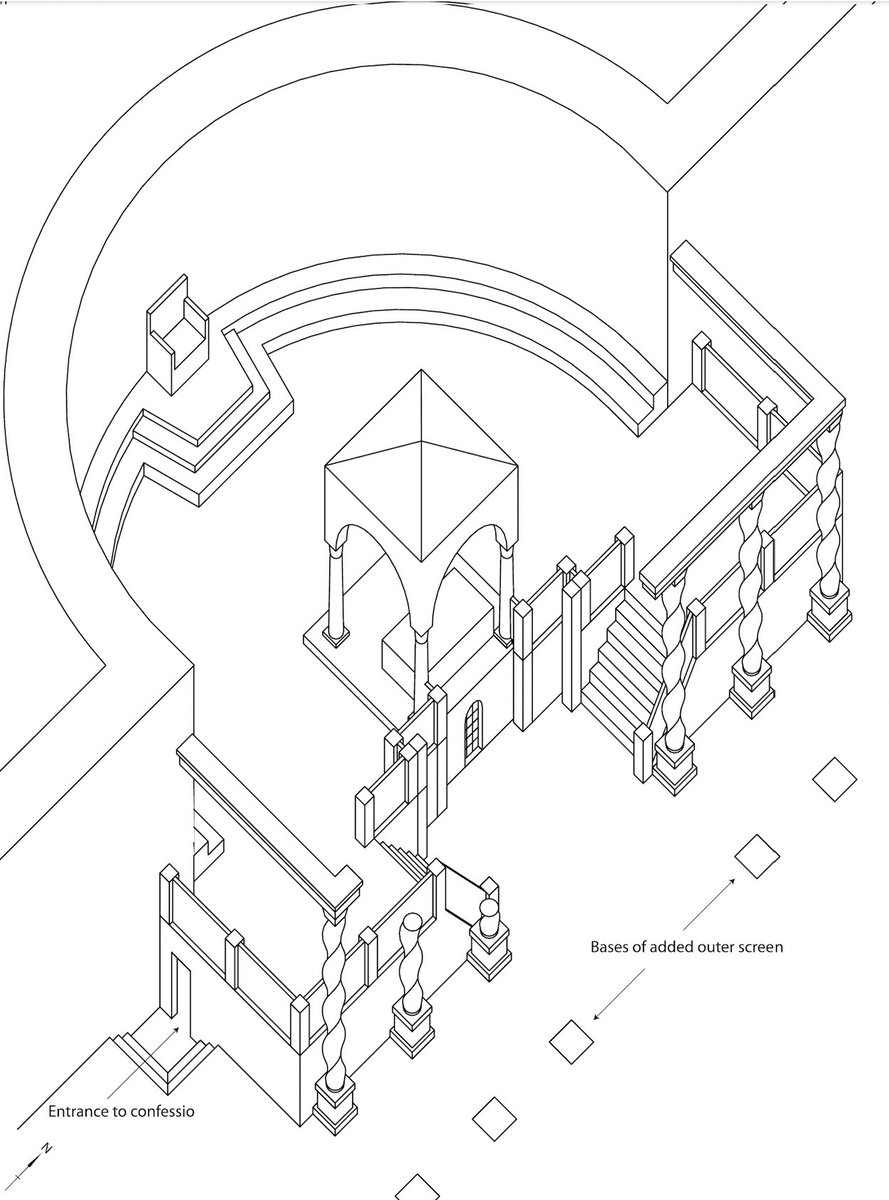
the image is from liturgical arts journal.
@TheLuthInn It is much better than what the St. Hedwig's Cathedral has done to themselves, a Lutheran Cathedral outshines a Catholic ones in Berlin, it just sad.
We shouldn't read Psalm 22 in the light of the Crucifixion alone, and treating Ps. 22: 16 - 18 as a prophecy about Jesus's Crucifixion;
No, Psalm 22 as a whole should be read in the light of the Passion Narrative, from Gethsemane to Resurrection, a rollercoaster of emotions, sadness, suffering, and death, on the Cross, it the end everything was overcomed, peace, happiness, and joy, with the Resurrection, together as a whole, not as a single event.
You know what shook me when I was Muslim?
Psalm 22. A song written by King David a thousand years before Jesus.
It opens: “My God, my God, why have you forsaken me?” The exact words Jesus cried from the cross.
But it keeps going, and it describes a scene David never lived:
“They have pierced my hands and my feet.”
“All my bones are out of joint.”
“I can count all my bones — people stare and gloat over me.”
“They divide my garments among them and cast lots for my clothing.”
David was never crucified. Crucifixion didn’t even exist in David’s time. It wouldn’t be invented for centuries.
So how does a man describe death by piercing hands and feet, and soldiers gambling for his clothes, a thousand years before it happened to Jesus exactly as written?
You know what really rattled me?
This was a photograph taken a thousand years early.
Pierced hands and feet. Gambling for the garments. Mocking crowds. Bones out of joint from hanging.
Every detail, at the foot of the cross, fulfilled.
Islam told me to doubt the crucifixion.
David described it in HD ten centuries before it happened.
You can’t erase an event that was prophesied in that much detail.