Feeling incredibly excited and proud—my first-ever paper is published in Nature Communications! 🎉
In this study I co-led with the amazing @Michael_Pinus, we explored how emotion regulation treatment can spread within groups, impacting both treated and non-treated individuals.
🚨BREAKING. From a program officer at the National Science Foundation, a list of keywords that can cause a grant to be pulled. I will be sharing screenshots of these keywords along with a decision tree. Please share widely. This is a crisis for academic freedom & science.
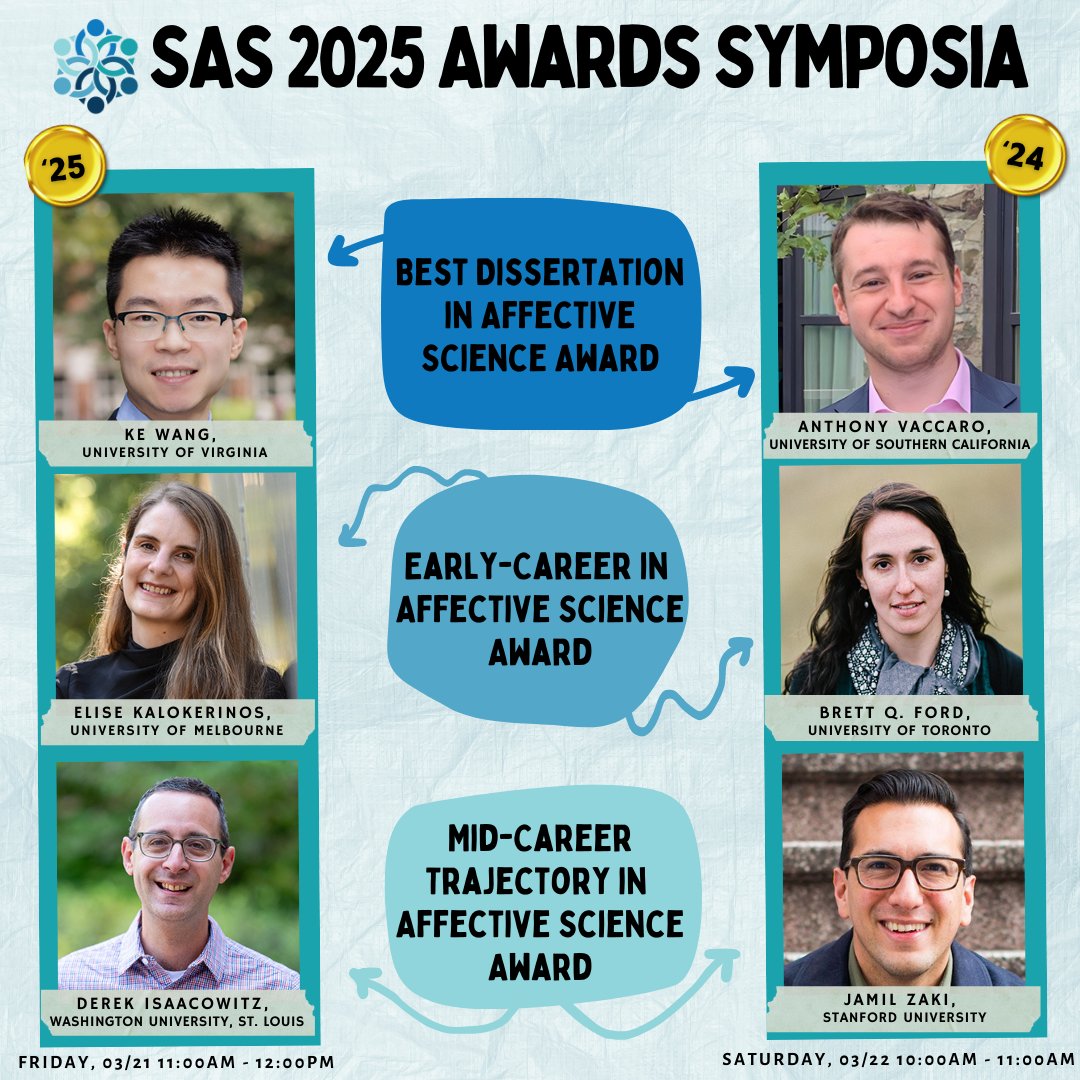
Honored to receive the Best Dissertation in Affective Science Award! Deep gratitude to my amazing advisors @JenniferLerner@Amit_Goldenb, James Gross, brilliant collaborators, and supportive peers!
It's day 2 of spotlighting our SAS 2025 speakers lineup! Next, we have our awards symposia! There will be 2 sessions: Friday, 3/21 from 11am - 12pm & Saturday, 3/22 from 10am - 11am. Join us in celebrating our lovely award winners and their amazing work! Don't forget to register~
🚨 Call for Collaborators 🚨 Join our multi-country study on social preferences for political extremes funded by @TempletonWorld 🌍 We’re examining why people prefer extreme ingroups across multiple countries 🧠 Contribute to our project on political polarization! Details below👇
Excited to share our latest paper @PNASNews: The role of positive emotion in harmful health behavior: Implications for theory and public health campaigns
Joint w/ Vaughan Rees, @CharlieDorison, Ichiro Kawachi, & @JenniferLerner
A thread ⬇️
https://t.co/ztvursKUc4
Helping people feel gratitude can reduce their cigarette cravings, according to a study that challenges the idea that positive emotions do not reduce appetitive risk behaviors. Public health campaigns should take note, according to the authors. In PNAS: https://t.co/Kd8s5t0uhb
The implications of these findings extend beyond smoking, offering new pathways for public health campaigns to address various harmful health behaviors, such as excessive alcohol use and unhealthy eating
Our experiments also found that inducing gratitude increased smoking cessation behavior, as evidenced by enrollment in a web-based cessation intervention ⬇️
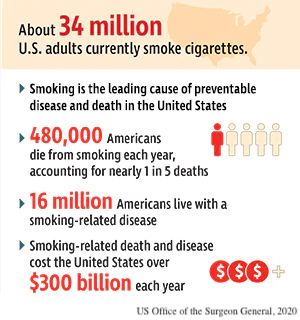
Meta-analyses conclude that positive emotions don't reduce harmful health behaviors like smoking. We challenge this by showing that gratitude can decrease cigarette smoking, a leading cause of premature death globally.⬇️
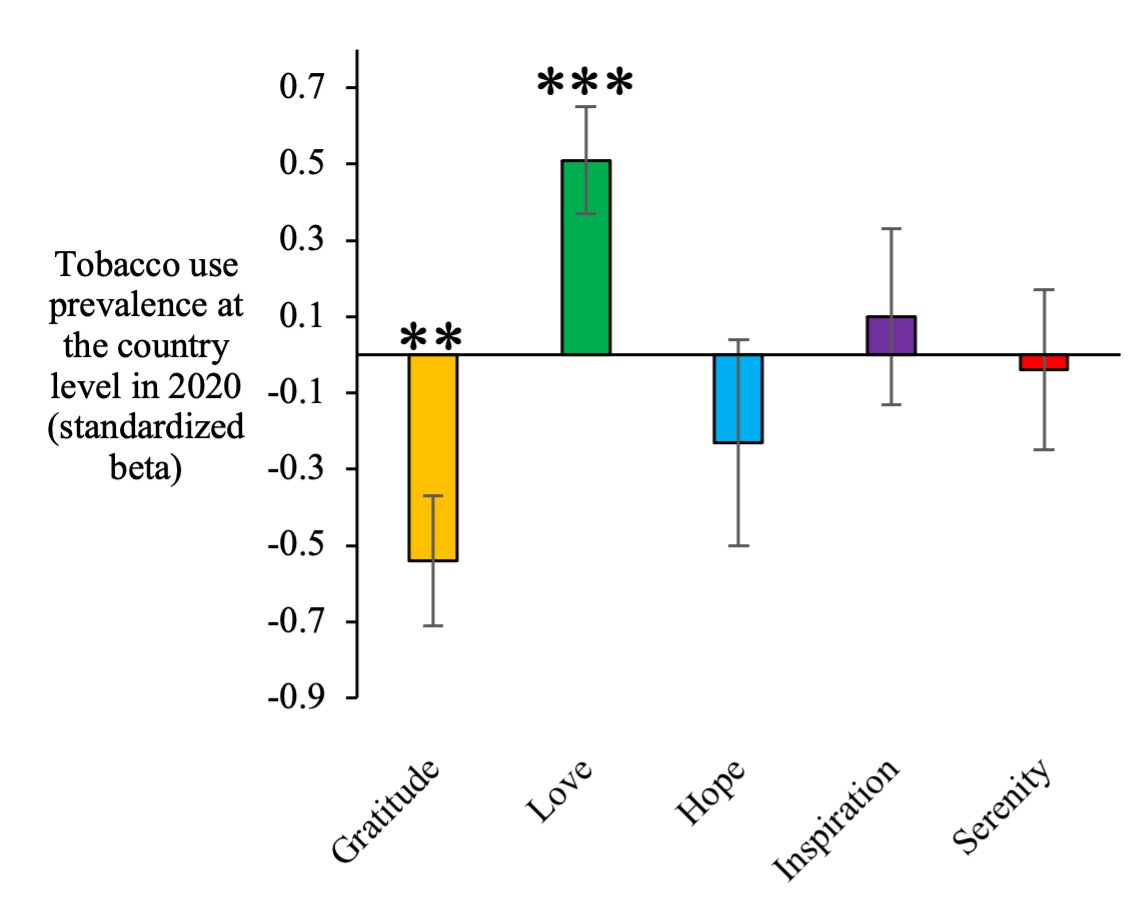
Our correlational studies, using nationally representative US samples and an international sample drawn from 87 countries, revealed that gratitude was inversely associated with likelihood of smoking. Other positive emotions lacked such consistent associations ⬇️