Explore KBA data with our enhanced Site and Map Search!🔍
📍Search KBAs by name or ID
🗺️Alternate between topographic and satellite map
➡️Swap between Site and Map tools without losing filters
📄Access site factsheets—now with a map view available
💻 https://t.co/ngUkdkyQmI
Trees are essential for life on Earth.🌳🌍
💡 The Alliance for Zero Extinction (AZE) is dedicated to safeguarding the Earth's most irreplaceable trees, unique species whose presence has helped qualify countless KBAs.
👉 Discover more: https://t.co/WGkGjkD1DB
#WorldTreeDay
💡 📢 Free online course: Using KBAs to Improve Implementation of the KMGBF
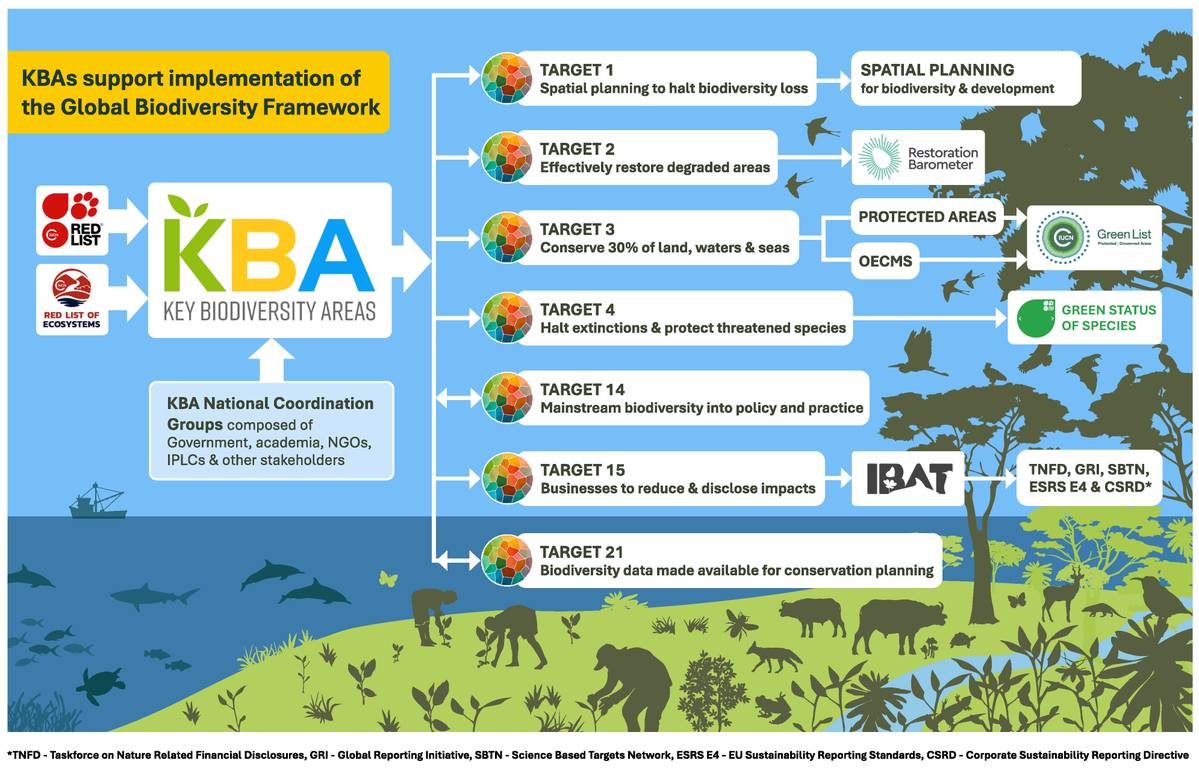
➡️ You will learn how integrating KBAs into national planning can help countries deliver on six priority KMGBF targets and much more!
Enrol today: https://t.co/FP2AO3Fz9h
The KBA Community: Giving voice to the most critical sites
By joining our community, you will be part of a vibrant network of committed conservationists who are actively contributing to the identification of KBAs worldwide.
Join our community today: 🌐 https://t.co/wk1JzQz4zX
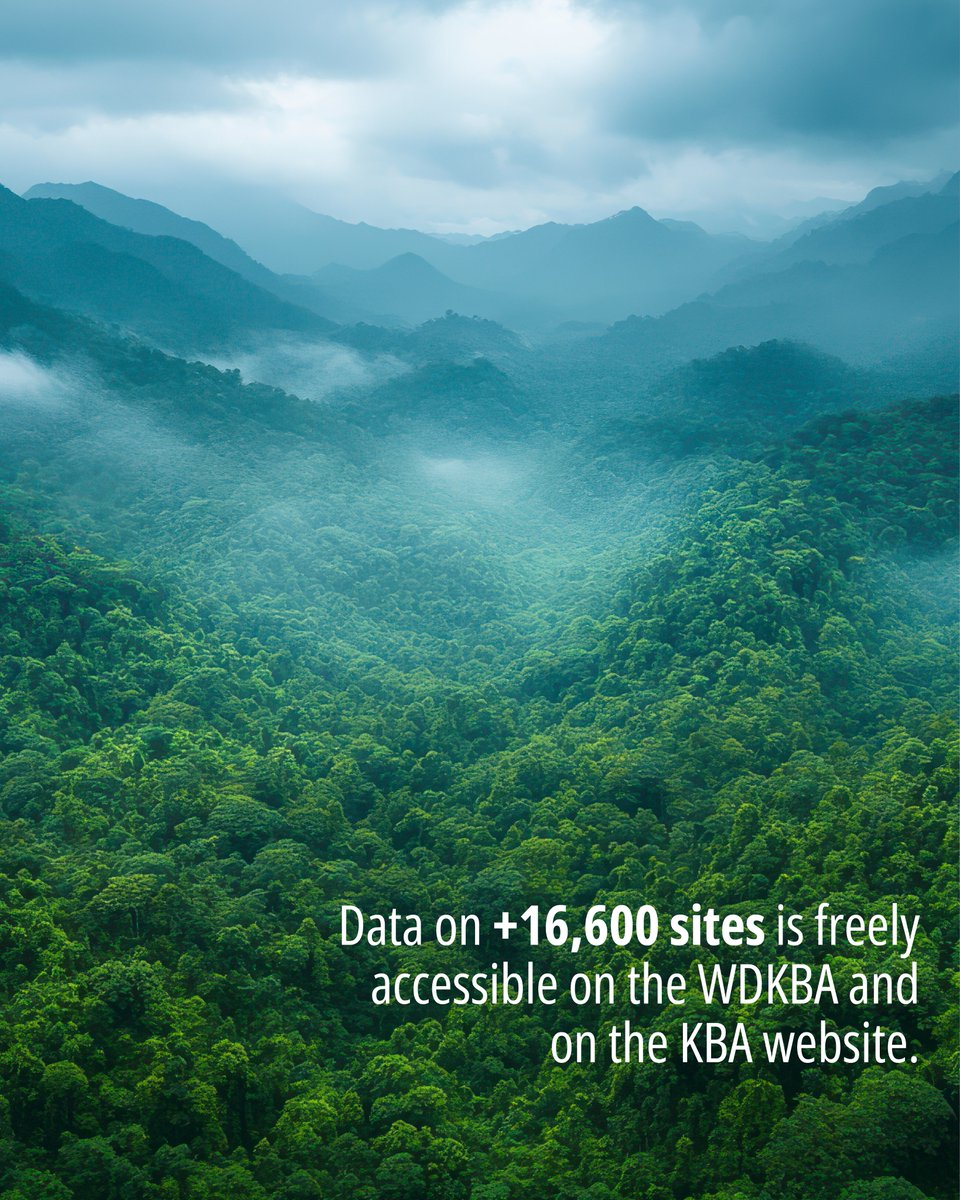
The World Database of KBAs provides freely accessible data on +16,600 sites identified to date. This makes KBAs a useful and accessible tool for governments and conservation organisations to identify priority areas for conservation and guide the expansion of protected areas.
#KBAs serve as a foundational dataset for systematic conservation planning 🌱
They help guide where national efforts should be focused and contribute especially to the #KMGBF Targets 1 (spatial planning), 2 (restoration), and 3 (30X30 planning).
#LocalAction#ForNature
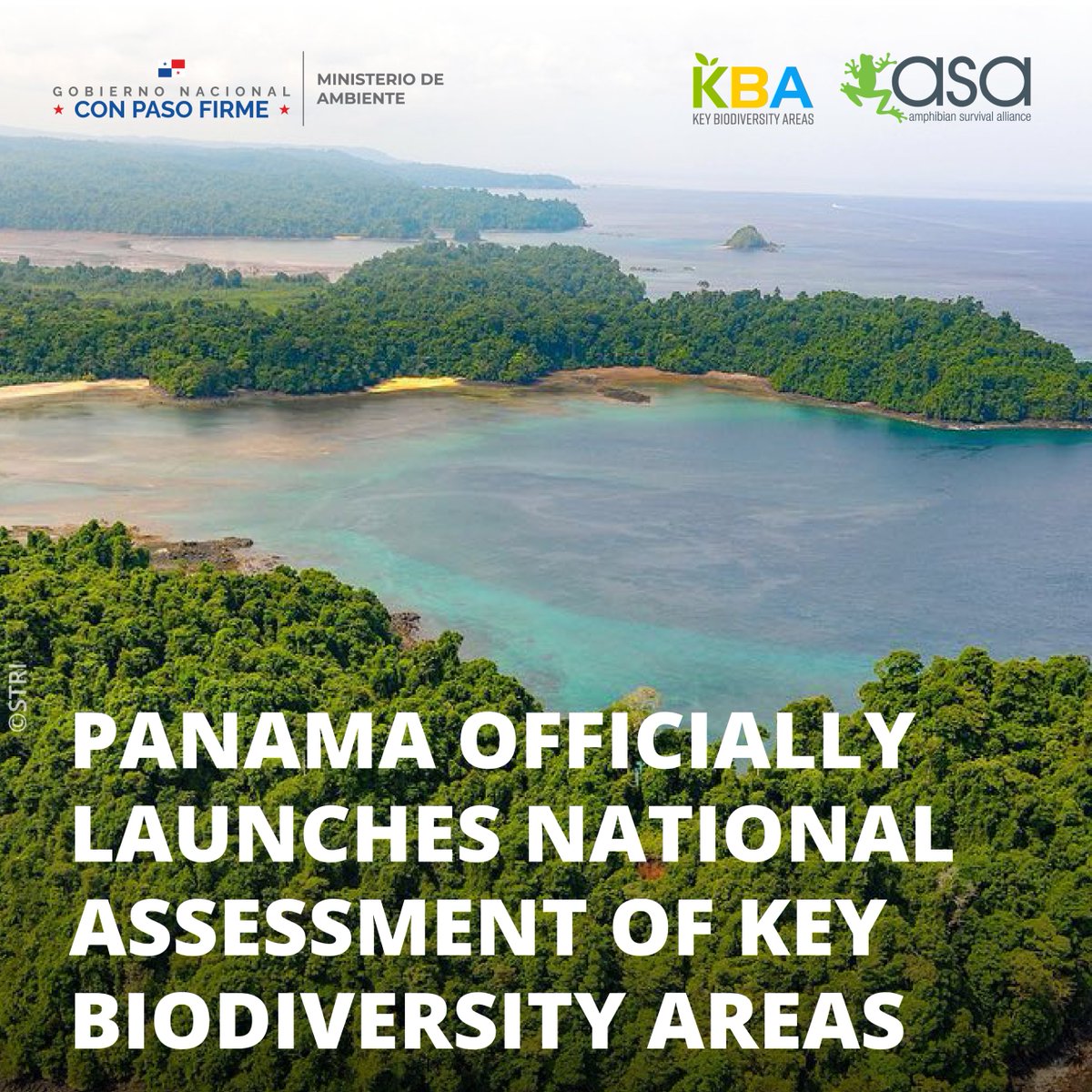
This #BiodiversityDay, we celebrate Panama's commitment to protect its key places for biodiversity! 🌿
By starting its national KBA assessment, Panama will help identify the sites that are most important for the persistence of species and ecosystems.🐦
🌐https://t.co/gsa94GBETH
To identify the key places for nature, we work closely with national and local governments, conservation organisations, and local groups.🌿
🤝Together, we aim to expand their KBA networks, ensuring conservation actions informed by the best available science and local knowledge.
🚨 BIG NEWS
Panama launches its National Key Biodiversity Areas (KBAs) Assessment.
The @MiAmbientePma and the @KeyBiodiversity Partnership, with support from the @amphibiansorg, have signed an MoU today to launch the National KBA Assessment.
Read more: https://t.co/376JdCwZsh
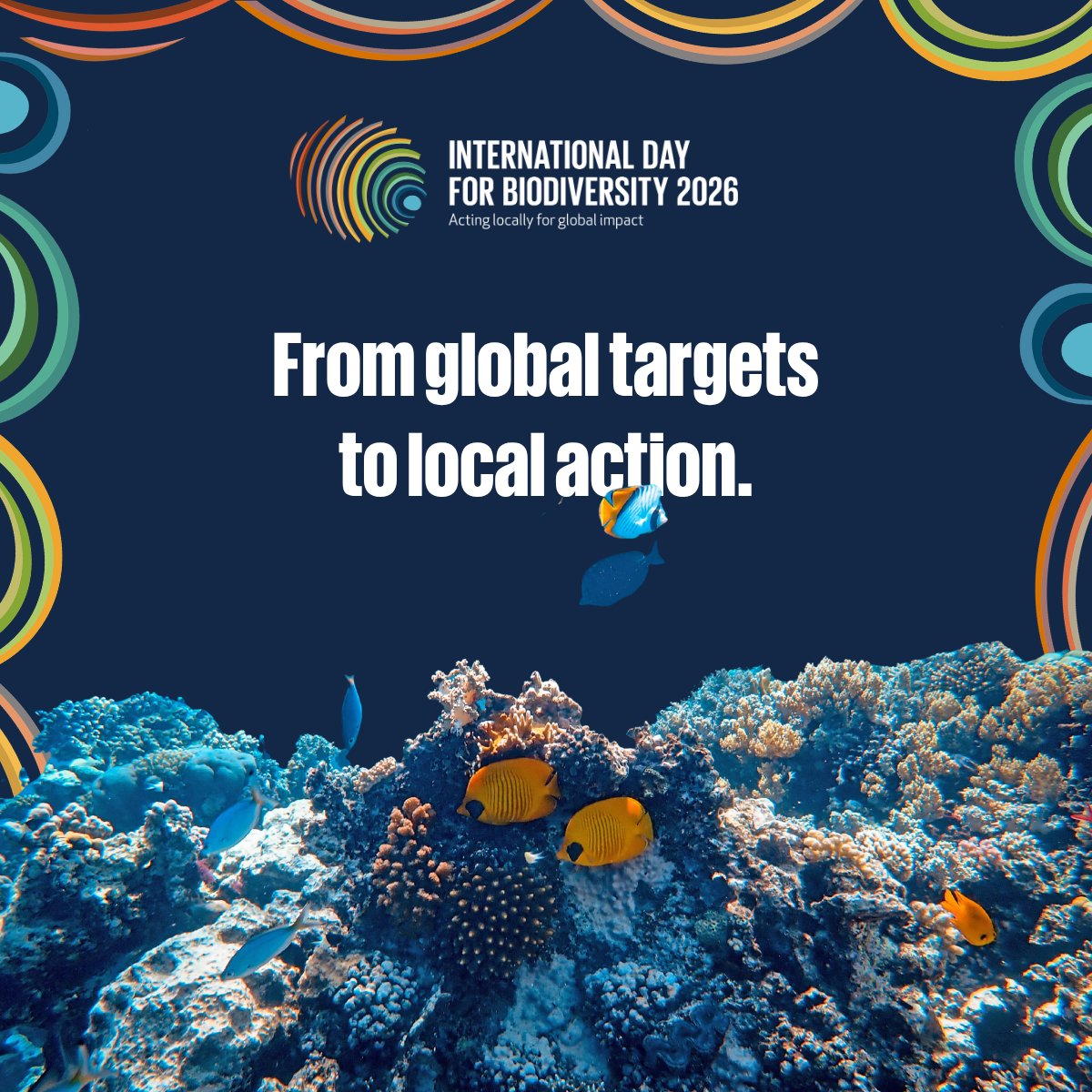
🌍 Global goals. Local action. Shared future.
The implementation of the Global Biodiversity Framework happens on the ground, through the actions of people everywhere.
This #BiodiversityDay, discover how local initiatives are shaping global impact.
#KMGBF@UNBiodiversity
Why does biodiversity matter?
Because without it, we wouldn’t have clean air, water or food — and it also plays a role in our wellbeing
As #BiodiversityDay approaches, it’s a reminder that this is about everyday life 🌍
Why does biodiversity matter? 🌍
Because without it, we wouldn’t have clean air, water or food — and it also plays a role in our wellbeing.
As #BiodiversityDay approaches, explore how you can take action #ForNature ⤵️
https://t.co/XXR8sDuQT0
The KBA Community: Giving voice to the most critical sites 🌎🌿
By joining our community, you will be part of a vibrant network of committed conservationists who are actively helping identify KBAs worldwide.
Join us today: 🌐 https://t.co/8SriBndkSN
📸 Ludawig Akwana/Pexels
KBAs are now available within the Google Earth Engine Catalogue 🌎
Google’s online platform combines access to a vast range of satellite imagery and spatial datasets with the ability for users to conduct complex, global-scale analyses.
💻 Explore: https://t.co/SlfIqGjkkP
Issue 20 of the KBA Community Newsletter is now live!
💡Learn about the global and regional efforts to identify and conserve KBAs. Also, discover new publications and updates on KBA designations worldwide.🌎
Read our Newsletter: 🌐 https://t.co/mtkrKek6pm
📸 Wirestock
💡Using data on >16,000 Key Biodiversity Areas and area of habitat maps for >10,000 bird species, a new study mapped and quantified the distribution of traded bird species richness, extinction risk, and range-size rarity in and adjacent to KBAs.
💻 https://t.co/T2t5yw2WSJ
The KBA criteria focus on populations of species and their habitats or ecosystems. 🌿
💡Each ecosystem is defined by the unique collection of species it sustains. Conserving these ecosystems helps to ensure the simultaneous survival of many species.
🔗 https://t.co/tx70S9AkwN
➡️Over the last decade, we’ve been working 🌍 to ensure the most important sites for nature are identified and effectively conserved.
🌿Become a biodiversity hero and support our work to ensure all countries have a chance to pinpoint their KBAs.
🌐https://t.co/gmAqQQVGyo
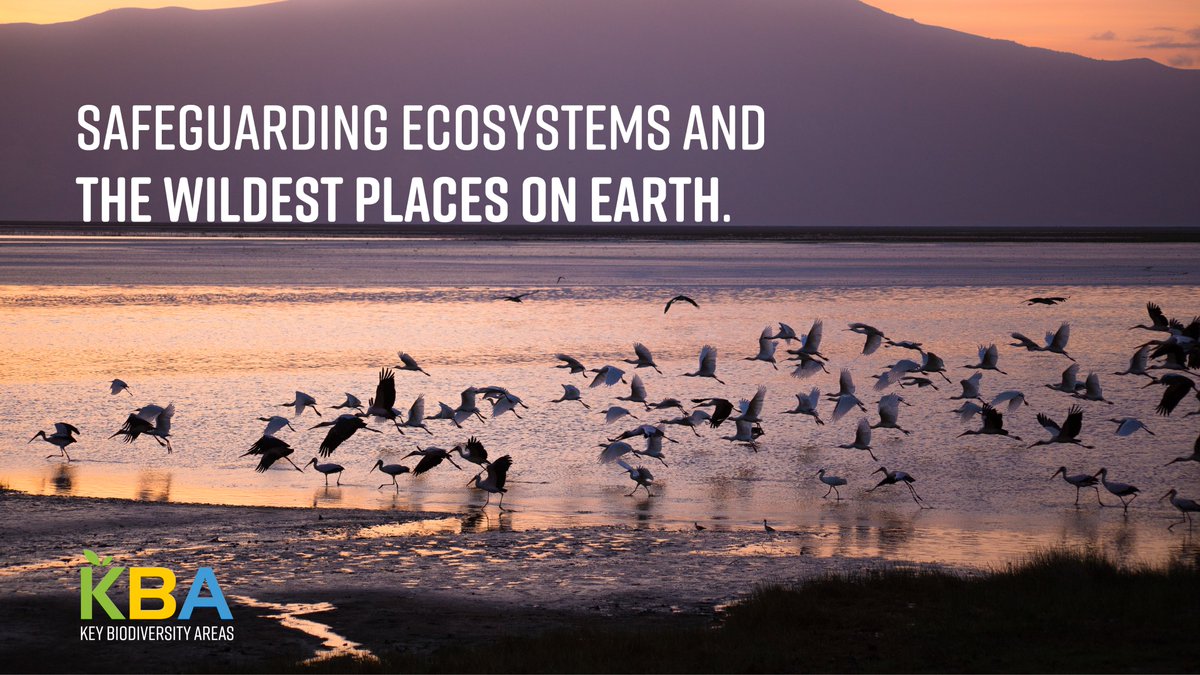
🌍 The world’s most important places for wildlife!
A new scientific paper coauthored by ABC scientists reveals that the global network of @KeyBiodiversity Areas (KBAs) has become the most comprehensive map of critical habitats on Earth.
Read more:
https://t.co/Q5mnWcXWkf
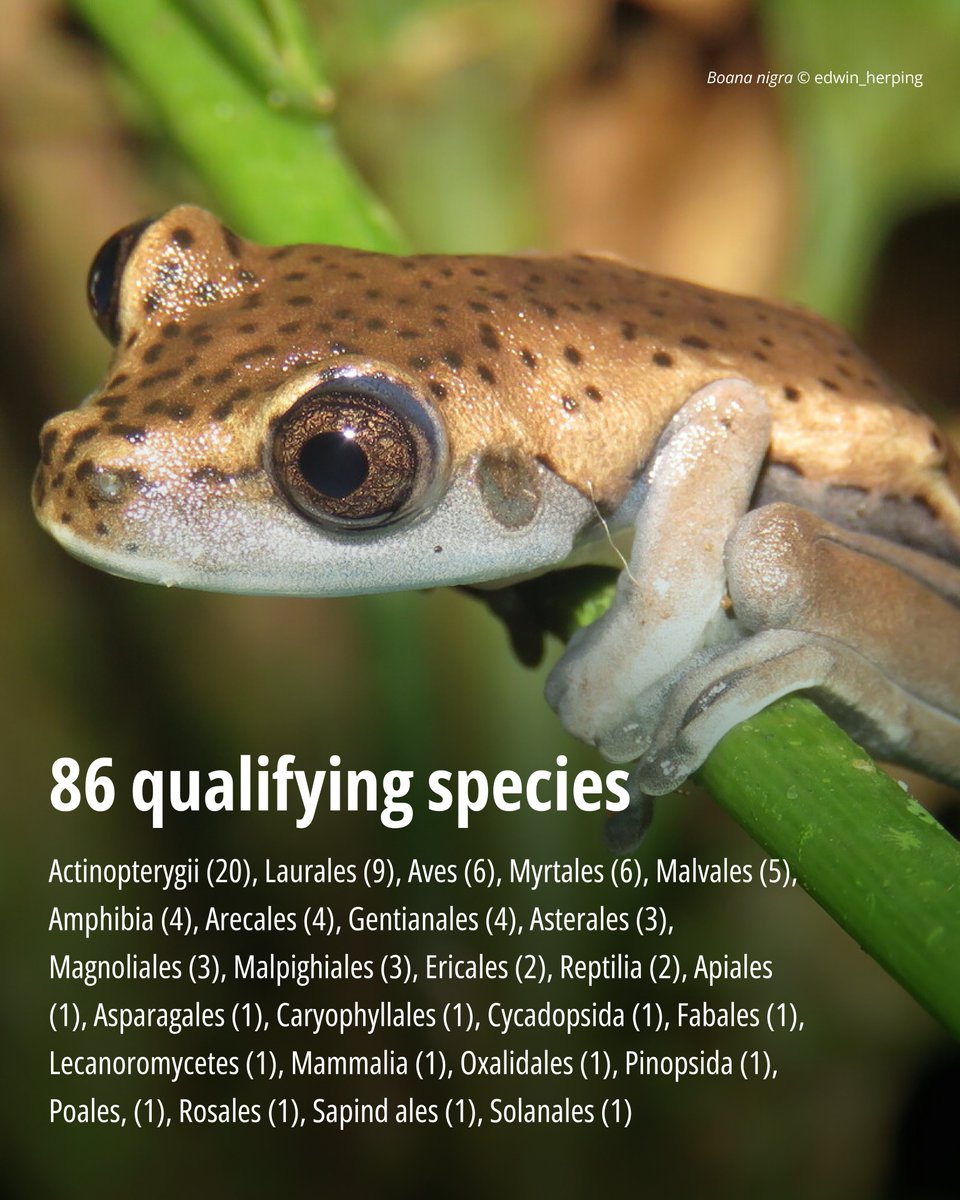
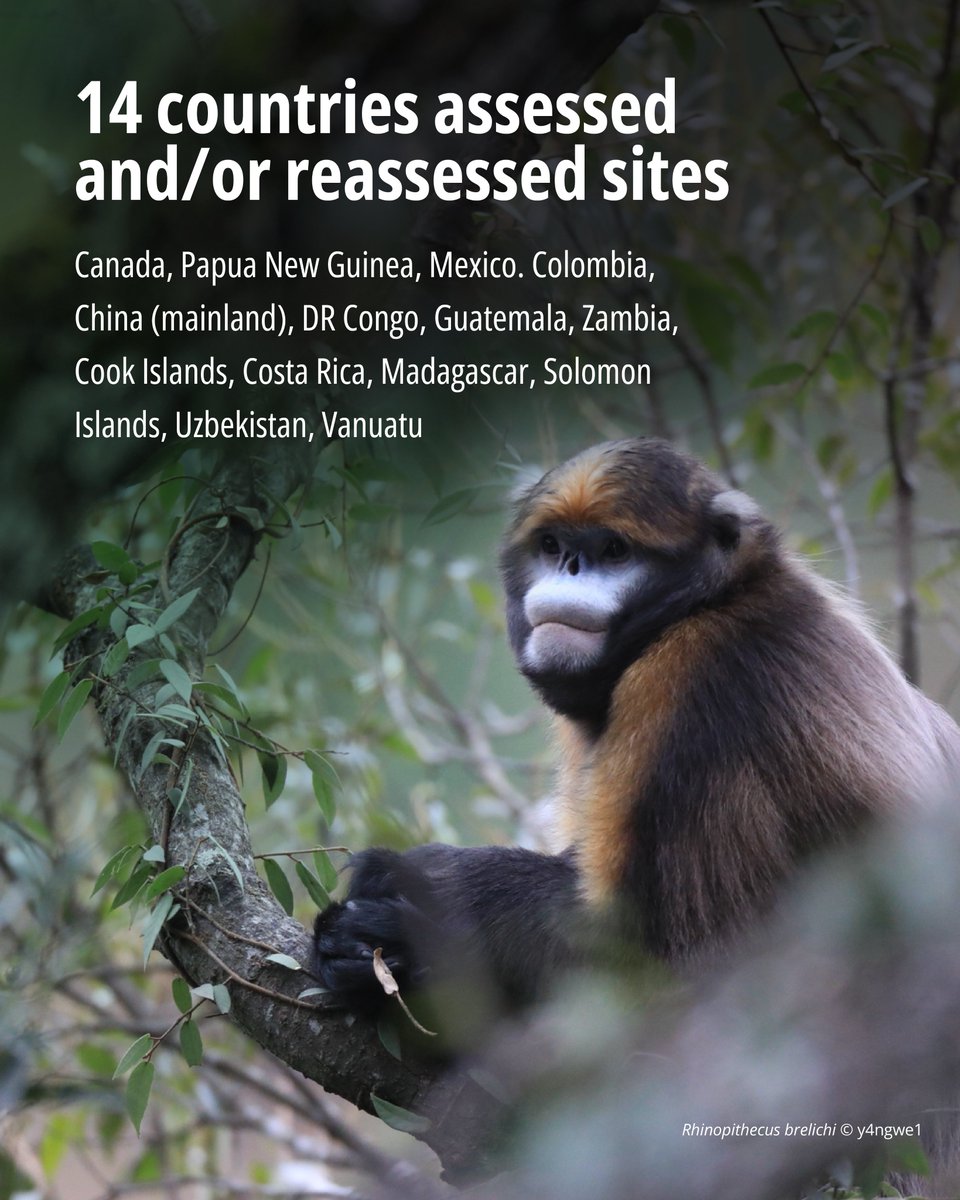
New update of the World Database of KBAs (WDKBA)! 📢
🟢 16,601 KBAs (including 19 new and 27 reassessed)
🟢 14 countries conducted assessments and/or reassessments of their sites
🟢 86 qualifying species – most of them new to the WDKBA!
Disover more🔗 https://t.co/vYPpDtJzBL
Identifying KBAs requires a global perspective on conservation.🌍
While some countries protect rare species within their borders, the KBA criteria identifies and assesses the most important populations of a species worldwide.
Discover more 🔗 https://t.co/tx70S9AkwN