Registration for the 21st annual ISSS Conference in Stockholm, Sweden is now OPEN! More details can be found at: https://t.co/qPImmwJrSo
To ensure that you don’t miss any updates and content, be sure to join or renew your ISSS membership today!
New call for papers on “Non-suicidal self-injury and personality disorders: Clinical and research perspectives” for the journal @BioMedCentral, due June 17, 2026.
#NSSI#selfinjury#personalitydisorders
Learn more at https://t.co/5fDzkeeBYQ
Starting a PhD With Little Research Experience?
How To Survive Your First Year in graduate school.
Read below.
Many PhD students begin their programs with minimal research experience. This is more common than people think.
Some come from:
- coursework-heavy master’s programs,
- some shift fields, and
- others simply never had the chance to do structured research.
The real challenge starts in the first year, when expectations quickly increase and the learning curve becomes steep.
Here are practical scenarios and solutions to help you navigate this gap with confidence.
Scenario 1: “I don’t know how to choose a research topic.”
Students with little research background often feel lost when supervisors ask, “What problem would you like to work on?”
What to do:
• Spend your first 2–3 months reading broadly, not deeply. Explore review papers in your field.
• Join research group meetings and listen to ongoing discussions.
• Ask senior lab members what problems matter in the field.
Example: A student in chemical engineering started by reading one review article per week. Within two months, she identified a niche problem in renewable materials and refined it with her supervisor.
Scenario 2: “I don’t understand the research methods.”
Many new PhD students feel embarrassed to admit they do not understand common techniques. I have meet and coached many in these situation.
What to do:
• Take short online courses (edX, Coursera, LinkedIn Learning).
• Ask labmates to demonstrate protocols step-by-step.
• Keep a research notebook where you rewrite methods in your own words.
Example: A student in molecular biology spent weekends watching protocol videos. In six months, he became the most reliable person in the lab for PCR troubleshooting.
Scenario 3: “I feel slow and less competent.”
Students with minimal research experience often compare themselves with peers who have already published. There are many of such in my research team.
What to do:
• Remind yourself that first year is a training year.
• Break tasks into small, manageable steps.
• Track your growth weekly, not daily.
Example: A computer science student who felt “behind” created a weekly progress chart. Small wins- reading a paper, fixing a bug-showed real improvement over time.
Scenario 4: “I’m afraid to ask my supervisor basic questions.”
New students sometimes avoid asking questions because they fear looking incompetent.
What to do:
• Prepare questions in advance and group related questions together.
• Attend office hours with specific problems, not vague concerns.
• Seek a mentor outside your supervisor-another faculty member, postdoc, or experienced student.
Example: A physics student met with a senior postdoc monthly. This guidance filled the mentorship gap and improved her confidence.
Scenario 5: “I don’t know how to organise my research.”
Lack of structure is a major barrier for beginners.
What to do:
• Use tools like Notion, OneNote, or Google Drive to organise readings and notes.
• Start writing early-even rough notes count.
• Work with a simple weekly schedule: reading, experiments, coding, and writing.
Example: A sociology student created a “research dashboard” online and reduced confusion about deadlines and tasks.
Summary:
Your first year is not about being perfect. It is about learning how to think, ask questions, solve problems, and build momentum.
With curiosity, discipline, and the right support, you can close the experience gap and thrive in your PhD journey.
If this resonate with you, how did you navigate your first year in graduate school?
The PFI Catalyst Programme is open for applications, offering 4 pathways with a 2-year commitment (20/10 hrs/wk). Apply by Nov 30, 2025. Volunteers & Team Leads also welcome!
https://t.co/o0dlJF4Pg3
Are you applying to a PhD in Clinical or Counseling Psychology? Here is a list of mentors who are taking students. Please circulate widely so all applicants can benefit 🤓.
And if you are a PI recruiting students, please don't forget to add your name!
https://t.co/sUJUik36Y1
🚀Brilliant #jobopportunity to carry out innovative research that will make a real-world impact on suicide and self-harm prevention.
Research Officer - National Centre - SPSH
✅£39,355 to £45,413
⏰Closing SOON!
🔗Apply now: https://t.co/x7EQjKiDPE @AmandaMarch7@SwanseaUni
I’ll be considering grad student applications this year @UMassAmherst - check out https://t.co/hlrl6uE38I for some of our current projects seeking to understand and treat self-injurious behaviors, suicide, and borderline personality disorder with digital health, DBT
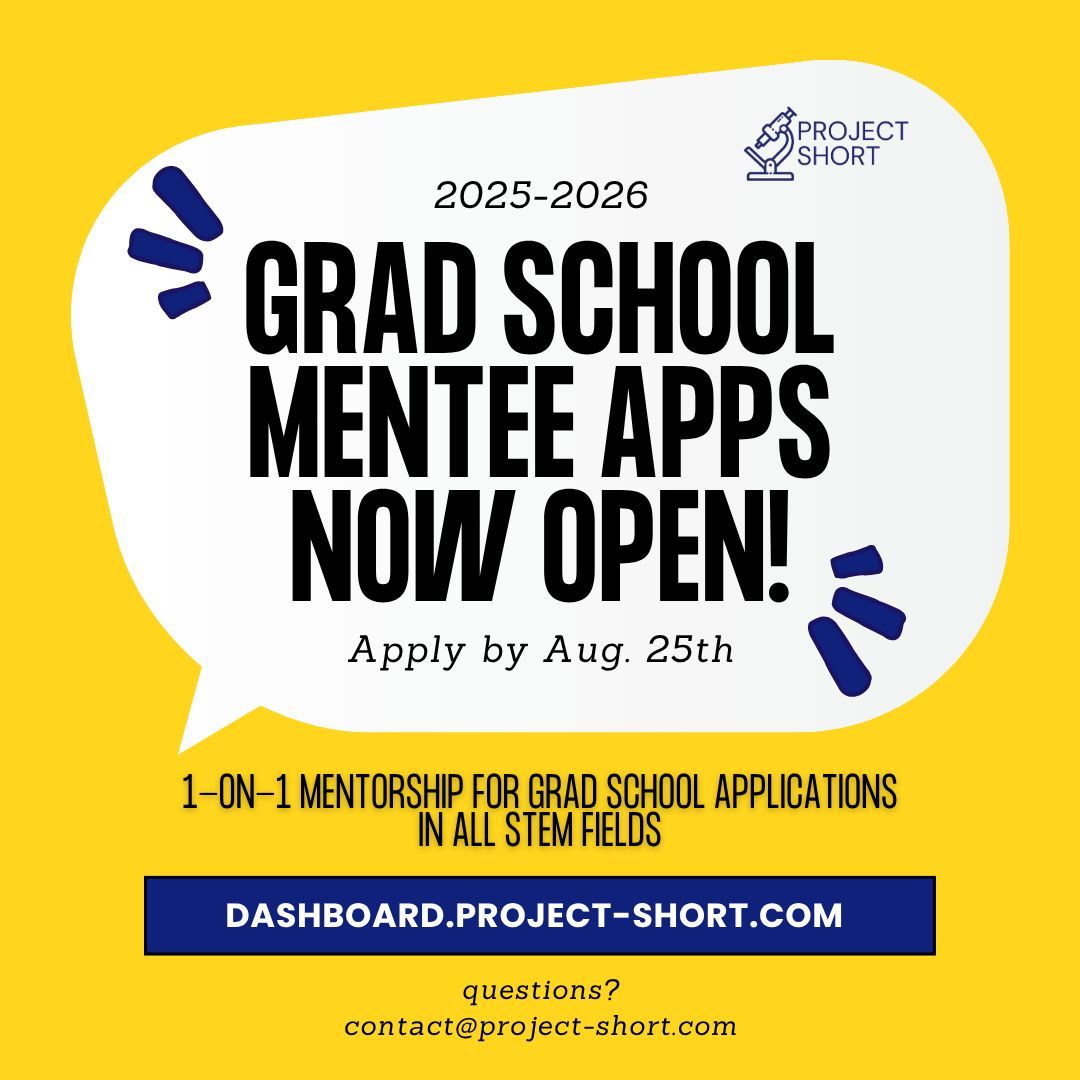
Mentee apps are NOW OPEN for the 2025-2026 graduate school application cycle!
⏰ Mentee applications close on August 25th, 2025 ⏰
✨ APPLY HERE: https://t.co/noRrtjaKnd ✨
Questions? Email us: [email protected]#gradschool#phd#gradadmissions
@KamiiPsy I'd say get exposed to french media. Movies, youtube channels and podcasts are my go to. Also follow a structured course for each CEFR level, practice listening and speaking a lot from day one. You'll make mistakes and that's okay. Having a language exchange partner helps too.
🎙️Dr Lucy Riglin bringing an interesting lecture on developmental approach and longitudinal analysis after lunch!
Really good questions during the Q&A 🥰
#wolfsonsummer25
This Friday, @vestanceng will be opening its physical office in Lagos. This marks a turning point in our journey as we strive to drive the growth of agribusinesses with sector-focused advisory services.
Thread 🧵
Nguvu gave out, so as an advocate of therapy, I now recommend Blueroomcare.
You can chat with a therapist for 4,200/hour (smallest plan) and they accept HMO if you have that.
No, this is not a paid ad. I genuinely believe in unpacking with dignity. Go to therapy.
Allah is the best of planners.
My human nature tries to rationalise things with the hows and whys: Why is Allah's plan better than my plan? How will this plan take effect? But it could just be Allah is the best of planners and full stop.
Come join the lab for a fully-funded PhD! Ground-breaking computational psychiatry work using OPM-MEG, VR + massive online testing. Remote positions may be possible for those outside IL. Reach out with interest: [email protected]
Lab: https://t.co/sRlJXkKKww