Today, March 14th, marks the birthday of Albert Einstein, a visionary whose brilliance changed our understanding of the universe forever. In honor of the genius who taught us to embrace curiosity, question the unknown, and see the beauty in complexity. Happy Birthday, Einstein! Let's all remember his words:
"Imagination is more important than knowledge. Knowledge is limited. Imagination encircles the world."
Grok is now free for everyone
Our AI assistant is faster, sharper, and includes all new-image generation. Available for free on 𝕏 today.
Try Grok now: https://t.co/Tj0afLp5u7
Here’s what we’ve been up to:
Astrobiology
Why Fascinating: Astrobiology seeks to understand the potential for life beyond Earth. By studying extreme environments on our planet and analyzing data from space missions, astrobiologists explore the conditions necessary for life, the possibility of extraterrestrial organisms, and the future of humanity in the cosmos.
"Sapiens: A Brief History of Humankind" by Yuval Noah Harari
This book brilliantly explores the history of our species, from the cognitive revolution to modern society. It combines anthropology, history, and science to answer deep questions about human evolution, culture, and future challenges. It's engaging, thought-provoking, and perfect for any curious mind.
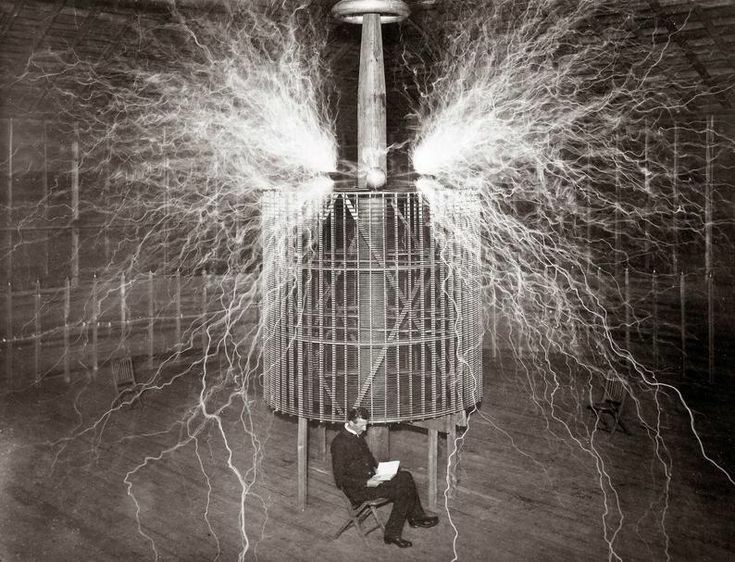
"The mind is sharper and keener in seclusion and uninterrupted solitude.
No big laboratory is needed in which to think. Originality thrives in seclusion free of outside influences beating upon us to cripple the creative mind."
- Nikola Tesla (1856 - 1943)
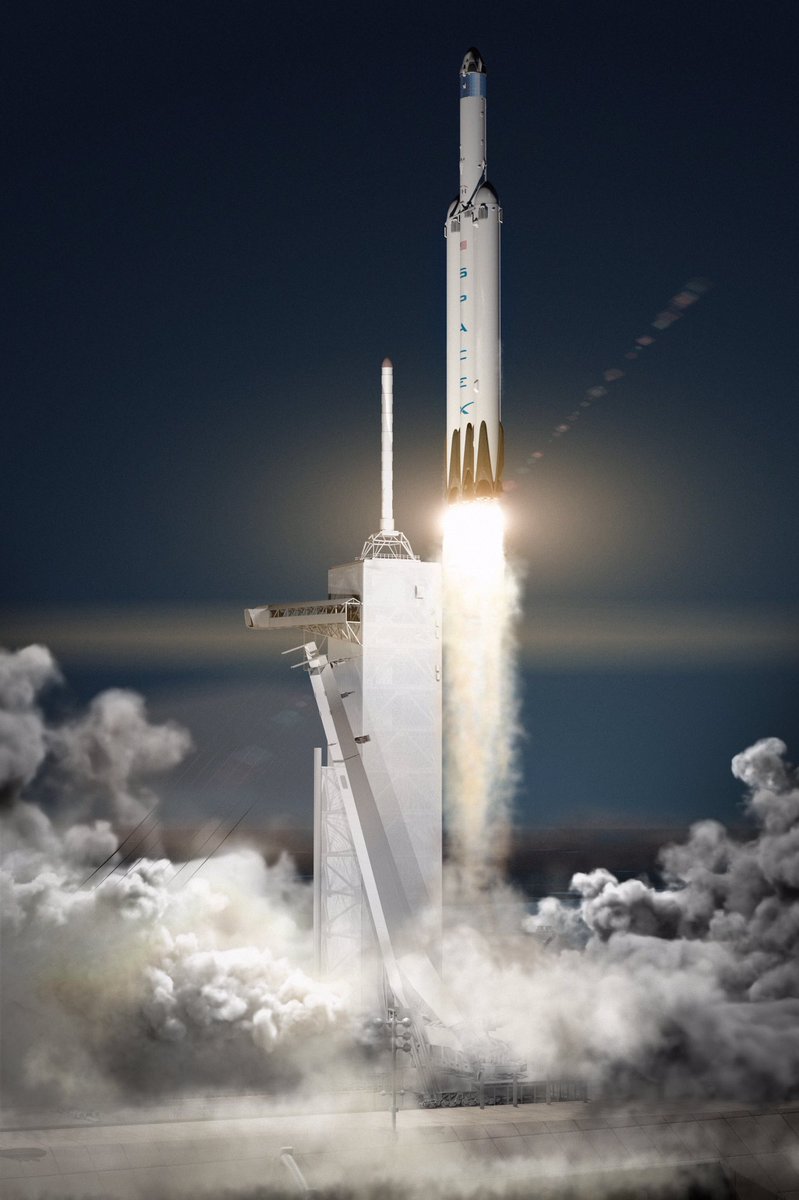
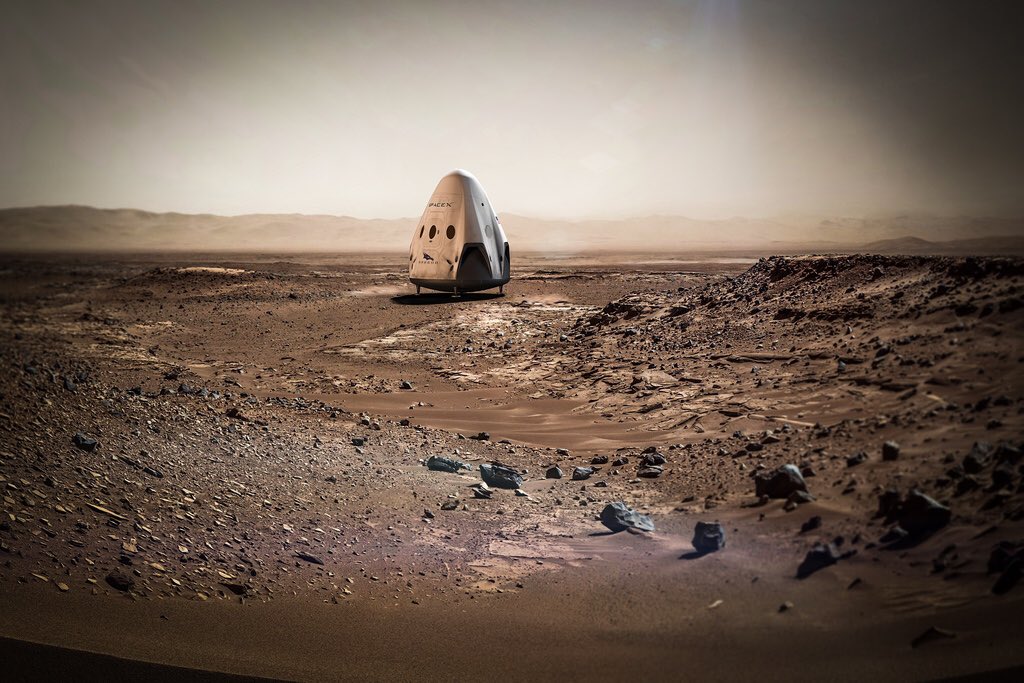
In 2016, @elonmusk announced that @SpaceX planned to send the Dragon spacecraft to Mars as early as 2018 and to send humans in the mid-2020s. These ambitious timelines have passed, and no SpaceX missions have traveled to Mars. While Musk acknowledged that these dates were not guaranteed, it's now approaching 2025 without any SpaceX ships sent to Mars—much less with humans on board. Do you think Musk will eventually fulfill his promises to get humans to Mars?